


Content Menu
● Why High Arches Need Special Insoles
● Main Types of High Arch Insoles
● Problems High Arch Insoles Can Help
● When to Seek Professional Assessment
● Extra Design Details That Improve Comfort
● Material Choices for High Arch Insoles
● Step by Step Guide for Users Choosing High Arch Insoles
● Break In and Daily Use Advice
● How High Arch Insoles Support Whole Body Alignment
● Marketing and OEM Opportunities for High Arch Insoles
>> 1. What are the main signs of high arches?
>> 2. Are soft insoles enough for high arches?
>> 3. Can high arch insoles prevent ankle sprains?
>> 4. Do all people with high arches need custom insoles?
>> 5. How long should a pair of high arch insoles last?
Having high arches can make every step feel harder than it should. When the middle part of the foot is raised higher than normal, pressure moves to the heel and the ball of the foot, and the natural shock absorption of the foot is reduced. The right arch insole can transform this situation, turning hard, tiring steps into a more balanced and comfortable experience.
For brands, wholesalers, and footwear manufacturers, understanding what insoles for high arch feet really need is the key to designing or sourcing products that people trust. Well designed high arch insoles do more than simply cushion the foot. They stabilize alignment, protect joints, and create long term comfort that keeps customers coming back.
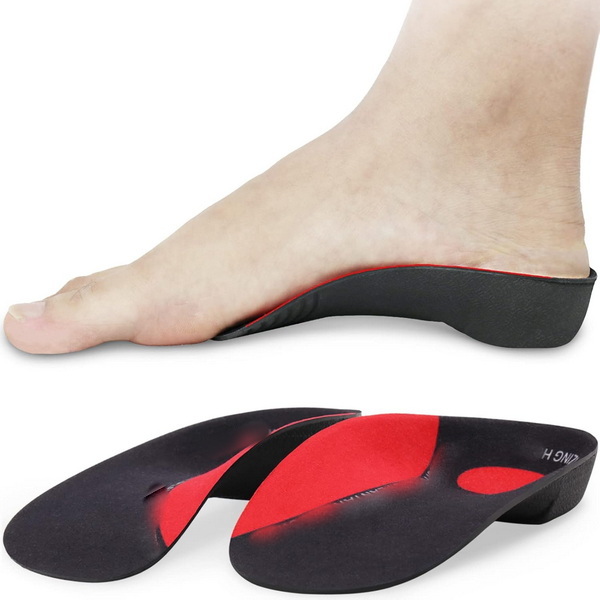
High arches, often called cavus feet, describe a foot type where the arch is unusually pronounced. When someone with this structure stands, there is a clear space under the midfoot while the heel and the ball of the foot carry most of the weight. This shape can be inherited or can develop because of muscle, nerve, or structural issues.
Because a high arched foot usually behaves like a stiff lever instead of a soft spring, it does not adapt well to the ground. The foot does not roll inward enough when it lands, so shock travels up through the ankle, knees, hips, and lower back. People with this foot type often complain that hard surfaces, long hours standing, or high impact exercise leave their feet sore and their legs tired.
Common signs of high arches include pain in the heel, deep soreness in the ball of the foot, calluses under the forefoot, and frequent ankle sprains. Some people also notice that their shoes wear out more quickly on the outer side of the heel. These are all signals that the foot is rolling outward and that pressure is not being spread evenly.
Standard shoe liners are usually flat and soft. For a high arch, that is not enough. The foot needs something that fills the empty space under the arch so the whole sole can share the load. Without this support, pressure concentrates on a few small areas and the soft tissues and joints become irritated.
A good high arch insole changes the way the foot meets the ground. By lifting the arch and cradling the heel, it brings more of the sole into contact with the supporting surface. This spreads out pressure and allows the muscles and ligaments to work more efficiently. The right design also helps guide the heel into a more neutral position so the foot rolls more smoothly rather than tipping outward.
Over time, this extra support can reduce heel pain, protect the band of tissue under the arch, ease pressure under the forefoot, and cut down on ankle sprains. For active people, it can also improve stability during running, jumping, and quick changes of direction. For workers who stand all day, it can mean less fatigue and more energy at the end of a shift.
When deciding what insoles for high arch feet are suitable, structure is more important than softness alone. A very soft insert may feel pleasant at first, but if it collapses under body weight, the arch is still unsupported and the foot continues to roll outward. High arches usually do best with a combination of firm support and smart cushioning.
Important features include:
- A deep and stable heel cradle that locks the heel in place and reduces side to side movement.
- A shaped arch contour that matches the natural curve of a high foot and makes full, gentle contact from heel to midfoot.
- Cushioning under the heel and the ball of the foot to absorb impact where pressure is highest.
- A smooth transition from the arch into the forefoot, so there is no harsh step or ridge that creates new pressure points.
- A top layer that manages moisture and reduces friction, helping to keep feet dry and comfortable throughout the day.
For brands, these features form the technical backbone of a high arch product line. Marketing language can then translate them into simple benefits such as better balance, softer landings, and longer lasting comfort.
There is no single insole that suits every person with high arches. Instead, most manufacturers offer a range of constructions that cover different needs and price levels. Understanding these categories helps both end users and professional buyers make better choices.
Rigid and semi rigid orthotic insoles use firm plastic or composite shells to control alignment. They hold the heel and arch in a precise position and are often recommended for severe high arches, chronic pain, or strong outward rolling. These insoles may feel quite firm at first but provide strong mechanical support.
Cushioned or comfort focused insoles rely on dense foam or similar responsive materials. They are softer and more flexible, which can be ideal for mild high arches, casual footwear, or first time users who are not ready for a very structured feel. While they control alignment less, they can dramatically improve comfort in daily life.
Arch specific designs sit between these two extremes. They use a shaped platform that clearly supports a high arch plus targeted cushioning zones under heel and forefoot. Many retail products labeled for high arches fall into this group, making them a popular choice for general consumers.
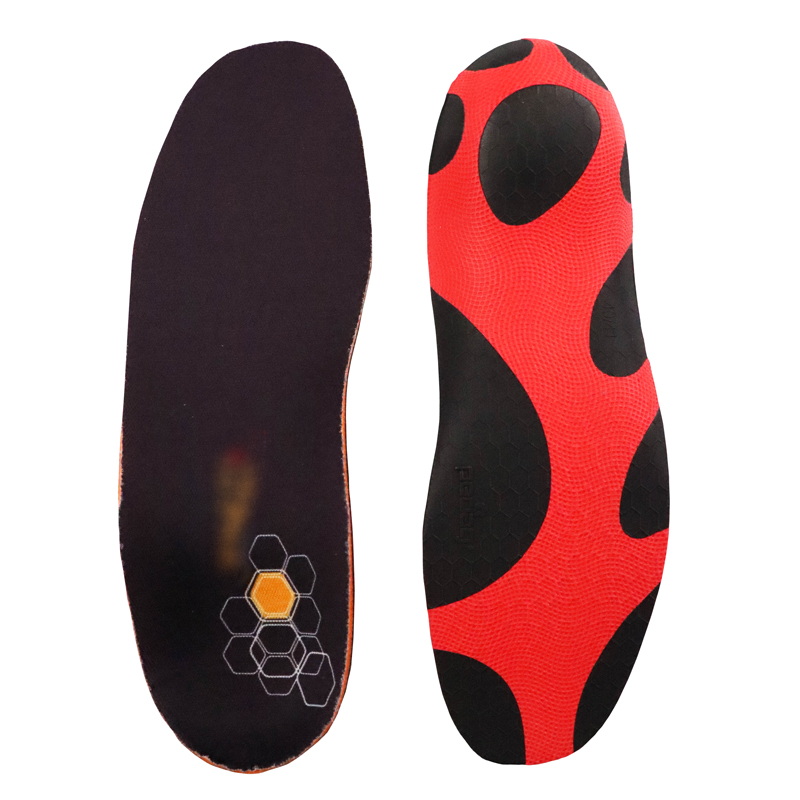
The best insole for a high arched office worker is not always the best choice for a high arched runner. Everyday insoles focus mainly on background comfort and all day wear. They are typically slightly softer, a little thinner, and designed to fit into sneakers, casual shoes, or work footwear where appearance and volume matter.
Sports and running insoles face a much harder job. They must handle repeated impact, twisting movements, and fast direction changes. For high arches, this means using stronger arch structures, reinforced heel cups, and advanced cushioning that keeps its shape under load. Many athletes with high arches find that such insoles reduce shin discomfort, knee pain, and ankle injuries during training and competition.
For brands, separating lines into everyday and sports categories makes it easier to explain value to customers. Each line can share core high arch geometry but adjust materials and feel to match the final use scenario.
Even the most advanced high arch insole will fail if it does not fit the shoe and the foot correctly. That is why sizing and fitting advice is an important part of any product or marketing material.
Most insoles are sold in size ranges that match standard shoe sizes. Users are usually advised to choose the closest size then trim the front edge along guides so the insole fits perfectly inside their footwear. Before trimming, the original factory liner should be removed from the shoe. This creates enough space for the new insole and keeps the foot at the right height inside the shoe.
When the insole is inside the shoe, the heel should sit securely in the cup without slipping, and the arch contour should line up with the natural arch of the foot. If the raised area feels too far forward or backward, the size or model may not be right. A good fit feels supportive and stable, not sharp or painful.
A carefully chosen high arch insole can help with several common complaints. Although it is not a substitute for medical care, it can play a major role in a complete comfort strategy.
Many people with high arches suffer from persistent heel pain or soreness along the band of tissue under the foot. By supporting the arch and reducing strain on this band, a proper insole can ease morning pain and discomfort after long days on hard floors.
Others develop pain under the ball of the foot, thickened skin, or a burning sensation in the forefoot. Extra padding and better pressure distribution can reduce these symptoms, making walking more comfortable.
Frequent ankle sprains are another problem. Because the high arched foot tends to roll outward, the outer ligaments of the ankle can become overstressed. Insoles that stabilize the heel and support the arch reduce this rolling and help keep the ankle in a safer position, particularly during sports or work that involves quick changes in direction.
While many high arch problems respond well to good shoes and supportive insoles, some situations call for expert help. If pain is severe, affects daily life, or continues even after using quality insoles for a reasonable period, a visit to a foot specialist is important.
A professional can examine gait, assess joint flexibility, check muscle strength, and look for toe deformities or other structural changes. In some cases, nerve or muscle conditions contribute to high arches, and these need medical evaluation. For complex cases, custom made orthotic devices may be prescribed and combined with exercises, physical therapy, or specific footwear.
For brands and wholesalers, this point is also worth highlighting. Honest communication that encourages customers to seek medical advice when needed builds trust and reinforces the image of a responsible, health conscious supplier.
Small details in design can make a big difference to how a high arch insole feels and performs. One important aspect is the smoothness of the arch curve. A gentle shape that mirrors the foot feels supportive and natural. A sharp or narrow ridge can feel like a hard bump and may cause people to stop using the insole.
Another detail is the thickness from heel to toe. Some designs use a slightly thicker heel to relieve tension in the arch band and calf muscles, which is especially useful for people who stand or walk for long periods. Fashion and dress shoes often need a slimmer profile with less bulk, while trainers and hiking footwear can house more volume and cushion.
Top cover materials and finishes also affect comfort. Soft, breathable fabrics reduce friction and help manage sweat. High wear zones like the heel and forefoot can be reinforced without making the whole insole too stiff. For premium products, anti odor and easy cleaning properties add value.
Behind every successful high arch insole is a smart combination of materials. Dense foams supply cushioning and moderate structure. They can be milled or molded into complex shapes that follow the arch contour and cradle the heel. More elastic compounds, such as springy gels or elastomer like materials, add bounce and help disperse shock.
For the supportive frame, many designs rely on molded plastic or composite shells. These parts sit under the arch and around the heel to prevent the foot from collapsing inward or rolling outward. On top of this frame, softer layers provide immediate comfort against the skin.
For eco focused brands, there is also growing interest in recycled or bio based foams and fabrics. High arch insoles built with sustainable materials can appeal to environmentally aware consumers while still delivering the support they need.
A clear and simple selection path reduces confusion and lowers return rates. Many brands present a short checklist or guide to help users choose confidently.
First, identify the foot type. Users should confirm they truly have high arches, not flat or neutral feet. The classic signs include a very curved footprint, high midfoot off the ground, and pressure on heel and forefoot.
Second, define the main problem. Is it heel pain, burning under the ball of the foot, frequent sprains, or general fatigue When the main issue is clear, it is easier to select a model that targets that area with extra support or cushioning.
Third, consider lifestyle and activities. Office workers often prefer slimmer, more discreet insoles that fit dress shoes, while runners, hikers, or warehouse staff need heavier duty support.
Fourth, test a good prefabricated high arch insole from a reputable brand. Many people never need to go beyond this level. If the product feels supportive and symptoms improve over time, it may be all that is required.
Fifth, if pain continues or if there are visible deformities such as clawed toes, then a consultation with a professional can determine whether custom devices or further treatment are necessary.
Switching from flat or very soft inserts to structured high arch insoles can feel strange at first. It is wise to introduce them gradually. Many practitioners suggest wearing them for a short period on the first day, then adding more time each following day. This allows muscles and ligaments to adapt to the new support.
Gentle stretching of the calves and underside of the foot can complement this process. Simple moves such as rolling the foot over a massage ball, stretching the back of the leg against a wall, or flexing and extending the toes help keep tissues flexible.
Users should also watch for warning signs such as sharp pain, numbness, or blisters in new locations. Mild awareness in the arch area is normal at first, but strong or persistent discomfort may indicate a poor fit, incorrect size, or the wrong model for that person.
The foot is the foundation of the body. When that foundation is high and unstable, the whole structure above it is affected. By stabilizing the heel and supporting the arch, a good insole can improve the alignment of the ankle and reduce twisting forces in the leg.
Better foot alignment often translates into more comfortable knees and hips. Over time, the body does not have to compensate as much for imbalances at each step. This can reduce fatigue in the lower back and help people move with more confidence. For workers and athletes alike, that means better performance and less downtime due to discomfort.
For marketing, this wider benefit is powerful. It allows brands to show that insoles are not just small accessories but key components of healthy movement.
The global market for foot care and comfort products continues to grow, and high arch solutions are an important segment. Many consumers now understand that different arch types need different support, so they actively look for products labeled for their specific feet.
For overseas brands, adding a dedicated high arch series is a simple way to expand an existing insole portfolio. Clear packaging that explains the target arch type, the main benefits, and the recommended usage scenarios helps customers make quick decisions at the shelf or online.
OEM collaboration with a specialist insole manufacturer allows brands and wholesalers to create custom lines based on proven technical designs. Partners can adjust shapes, hardness levels, top cover fabrics, colors, and packaging to match local market tastes. They can also create separate families for daily wear, sports, safety shoes, and fashion footwear, all built on a shared high arch platform.
By working with an experienced factory that understands export requirements, brands gain access to stable quality, flexible minimum order quantities, and efficient lead times. This is especially valuable when supplying retailers and distributors in different countries who each need their own branding and positioning.
Choosing what insoles for high arch feet are suitable is about more than just comfort. The right insole supports the arch, stabilizes the heel, spreads pressure across the foot, and protects joints and soft tissues from excessive stress. For users, this means less pain, better balance, and greater confidence during daily life and sport.
For international brands, wholesalers, and footwear manufacturers, high arch insoles are a high value product category that combines health benefits with strong commercial potential. Partnering with a professional insole factory in China allows you to develop private label or OEM ranges that deliver real biomechanical advantages while matching your market's style, branding, and pricing strategy.
By focusing on well engineered support, clear segmentation between everyday and sports use, and education driven marketing, your high arch insole range can stand out from generic inserts and build long term trust with both retailers and end customers.
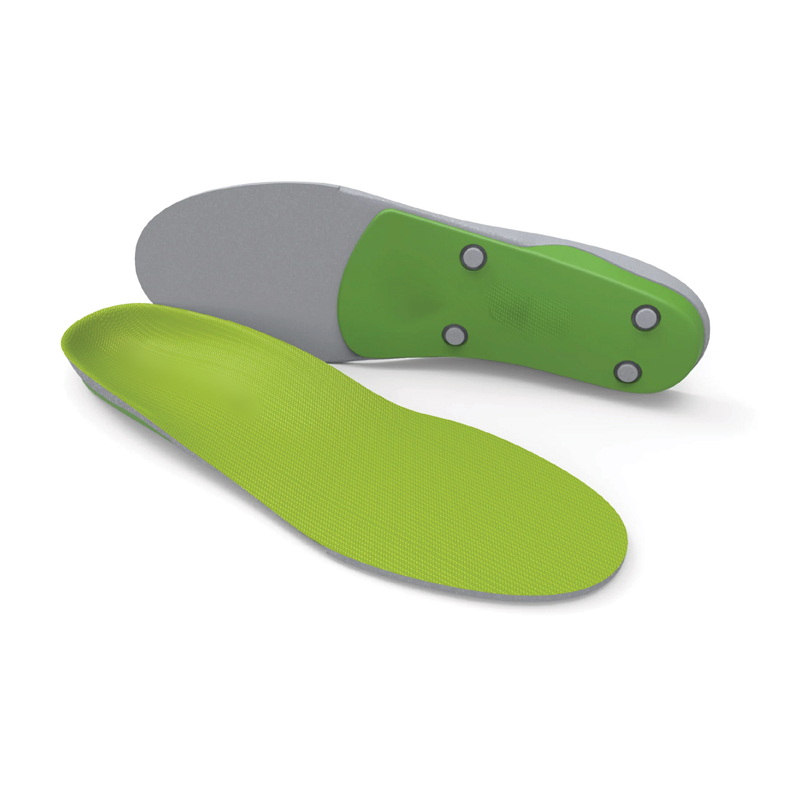
Typical signs include a very curved footprint, visible space under the midfoot when standing, pain in the heel or ball of the foot, and frequent ankle sprains. Many people also notice hard skin under the forefoot or shoes that wear out quickly along the outer heel.
In most cases, purely soft insoles are not enough. They can improve comfort at first but tend to collapse under body weight, leaving the arch unsupported. High arches usually need a more structured design that combines firm support with targeted cushioning in key pressure areas.
They can significantly reduce the risk. High arch insoles that cradle the heel and lift the arch help prevent the foot from tipping outward. This improved alignment makes the ankle more stable, especially during sports, fast walking, or work on uneven or hard surfaces.
Not always. Many people do very well with high quality prefabricated insoles made especially for high arches. Custom devices are typically reserved for severe pain, long term problems, or complex foot shapes that do not match standard designs. A foot specialist can advise which option is best.
Lifetime depends on body weight, activity level, and material. With normal use, a well made insole should keep its shape and support for a considerable period. When cushioning feels flat, the top cover becomes damaged, or support no longer feels stable, it is time to replace them.


