
Language
Views: 222 Author: Edvo Publish Time: 2025-12-01 Origin: Site


Content Menu
● Why Shoe Choice Matters for Custom Orthotic Inserts
● Key Features Shoes Should Have for Custom Orthotic Inserts
>> Deep, Secure Heel Cup and Firm Heel Counter
>> Stable Midsole with Controlled Flex
>> Adequate Depth and Toe Box Volume
● Best Types of Shoes for Custom Orthotic Inserts
>> Walking and Everyday Comfort Shoes
● Types of Shoes That Often Do Not Work Well
● How to Choose Shoes for Your Custom Orthotic Inserts
>> Bring Your Orthotics When Shopping
>> Check Shoe Depth, Width, and Shape
>> Consider Sizing and Volume Adjustments
● How to Fit Custom Orthotic Inserts into Shoes
>> Remove the Existing Insole and Test Fit
>> Seat the Orthotic Properly in the Heel
>> Follow a Gradual Break‑In Schedule
● OEM and Brand Opportunities with Orthotic‑Friendly Shoes
● FAQ
>> 1. Do custom orthotic inserts work better in certain shoe types?
>> 2. Should I buy bigger shoes to fit my custom orthotics?
>> 3. Can I use custom orthotics in slip‑on shoes?
>> 4. How do I know if my orthotics and shoes are a good match?
>> 5. How long will it take to get used to custom orthotic inserts in new shoes?
Choosing the right shoes for custom orthotic for shoes is crucial if you want real, lasting results in comfort, posture, and pain relief. The right footwear supports the insert, stabilizes the foot, and helps you get the full value from a professional orthotic solution.
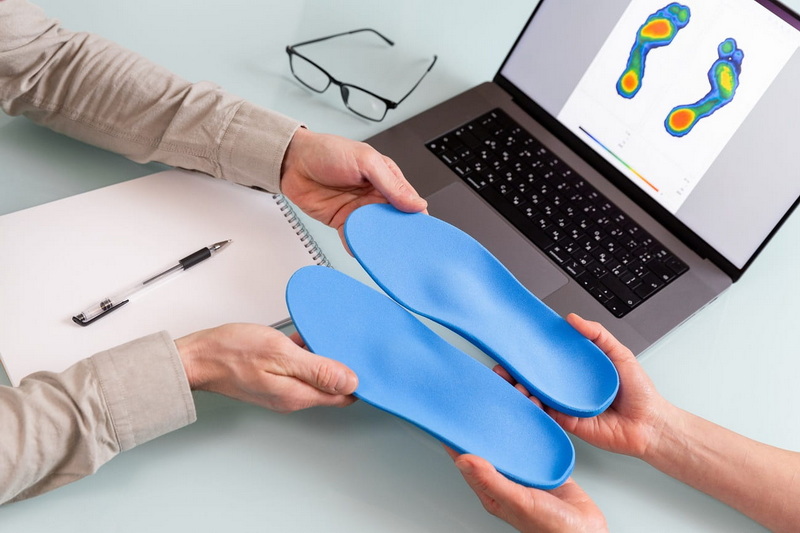
Custom orthotic inserts are engineered to control motion, support arches, and distribute pressure, but they can only work properly when the shoe provides a stable “platform” and enough internal space. If the shoe is too soft, too shallow, or poorly fitted, the orthotic device may tilt, deform, or create new pressure points. For brands, wholesalers, and manufacturers, understanding this synergy is essential when designing shoe collections or sourcing orthotic‑ready models from an OEM insole factory. Well‑matched shoe–orthotic combinations reduce returns, increase customer satisfaction, and strengthen professional recommendations from clinics and retailers.
Shoes that work best with custom orthotic inserts usually include a removable insole or footbed that you can take out and replace. This clears space inside the shoe so the orthotic can sit flat on the midsole and the foot does not ride too high. In product design and OEM development, specifying removable insoles is the single most important decision for making a footwear line orthotic‑friendly. Retailers can then easily demonstrate how to swap the original insole for a custom device during fitting.
A deep heel cup in the shoe and a firm heel counter hold the rearfoot in place and lock the orthotic into a stable position. This improves balance, controls excessive pronation, and enhances the corrective effect of the orthotic device. Soft or loose heel structures let the heel move side to side, which can quickly reduce comfort and effectiveness. For work, sport, and medical footwear, reinforcing the heel counter is a simple upgrade that makes the model more compatible with custom insoles.
The midsole under the orthotic should feel stable and supportive rather than excessively soft or floppy. When the sole bends at the ball of the foot instead of twisting through the midfoot, the orthotic can control motion more predictably. Shoes that are too flexible or unstable can neutralize the corrective design of the insert and may even trigger new pain. Stability or neutral support shoes with well‑designed flex points are generally preferred.
Shoes for custom orthotic inserts should offer enough depth through the midfoot and toe box so the combination of foot plus orthotic is not cramped. Extra‑depth or wide‑fit styles help prevent rubbing on the top of the foot, crowded toes, and loss of circulation. Users with bunions, hammertoes, or very thick custom devices particularly benefit from deeper, wider lasts. For brands and OEM partners, including wide and extra‑wide options in core models is an effective way to serve orthotic users.
Laces, straps, or dial systems let users fine‑tune the fit over the top of the foot after the orthotic is inserted. Adjustable closures help lock the heel down, reduce friction, and prevent the foot from sliding on the orthotic surface. Slip‑on shoes can work in some cases but leave less margin for error if the fit is not perfect. When designing orthotic‑friendly footwear lines, including at least one adjustable closure is a practical standard.
Running and training shoes are among the most popular choices for custom orthotics because they commonly provide removable insoles, stable midsoles, and supportive uppers. Many neutral and stability models are specifically recommended by clinicians for use with custom devices. From a product perspective, neutral running shoes with simple, consistent midsole geometry create an excellent base for custom orthotics. Brands can promote these models as “orthotic‑ready” and provide fitting guidance to specialty retailers.
Walking shoes and comfort‑oriented casual shoes are ideal for people who spend long hours on their feet. Their designs often emphasize cushioning, arch support, and removable footbeds that pair well with custom inserts. Lifestyle brands can blend soft uppers and stylish silhouettes with supportive chassis structures to create comfort shoes that still accept medical‑grade orthotics. This approach allows retailers to address both fashion and foot health in a single collection.
Work boots and safety shoes must support long shifts, heavy loads, and hard surfaces, making them prime candidates for orthotic use. Features such as steel or composite shanks, slip‑resistant outsoles, and robust uppers combine well with custom inserts that fine‑tune alignment and cushioning. Industrial suppliers and OEM factories can differentiate by building extra internal depth, wide bases, and removable insoles into safety lines. This enables employers and occupational health partners to recommend specific models for workers who use orthotics.
Hiking boots and trail shoes must stabilize the foot on uneven ground, making structure and support critical. When these shoes have removable insoles and supportive midsoles, they are excellent partners for custom orthotic inserts. In outdoor collections, a combination of ankle support, rockered soles, and custom orthotics can significantly reduce fatigue on long hikes. OEM partners can design insoles specifically tailored to hiking last shapes and volume.
Business and dress shoes are more limited in volume, but many modern designs still accommodate custom orthotic inserts if they include removable or thin insoles. Low‑profile or three‑quarter‑length orthotics are often used in this category to preserve fit and appearance. Brands serving professionals can develop “comfort dress” ranges with discrete extra depth and firm heel counters that remain compatible with custom devices. This creates a strong selling point for people who need foot support in formal settings.
Footwear for court sports, field sports, golf, and skating can also work with custom orthotic inserts when designed correctly. The main challenge is limited internal volume and narrow lasts, so thin orthotics are often chosen. Sports brands and OEM partners frequently co‑develop insoles that match the internal shape of specific models, improving comfort without compromising performance. This integrated approach is attractive for serious athletes who rely on custom devices.
Minimalist models with little or no midsole provide too little structure for a custom orthotic to function as intended. The insert may feel unstable because there is not enough shoe beneath it to absorb impact and control motion. Very tight dress shoes, fashion flats with fixed insoles, and high‑heeled styles also tend to be poor choices. They rarely have enough depth, and their built‑in shapes can fight against the geometry of the orthotic device.

One of the most practical tips is to bring your custom orthotic inserts whenever you shop for shoes. Insert them into each pair you try so you can immediately feel whether there is enough space and whether the heel and midfoot stay stable. Clinics and retailers also recommend wearing typical socks during fitting to avoid surprises in daily use. This simple habit prevents purchasing shoes that will not work with the device at home.
Before deciding on a pair, check that the shoe is deep enough, wide enough, and shaped similarly to your foot and orthotic. The insert should sit flat from heel to toe without buckling or lifting at the sides. Shoes built on lasts that closely match the user’s foot type tend to work better with orthotics than very curved or very straight designs. This is especially relevant for high‑volume or heavily corrective custom devices.
Some users need to go up half a size or choose a wider width to create enough room for a custom orthotic insert. This helps avoid pressure on the top of the foot or cramped toes after the orthotic is installed. Retailers can keep multiple widths and size runs of orthotic‑friendly models to handle different combinations of foot, shoe, and insert. Brands that emphasize these sizing options are often better received by customers with special foot needs.
First, pull out the original insole or footbed from the shoe to make space for the custom orthotic. Place the shoe insole on top of the orthotic to compare length and general outline. If the provider allows trimming, any small adjustments should be made in the forefoot area only, never at the heel. The goal is a snug fit with no gaps or buckling along the edges.
Slide the orthotic into the shoe and press the heel portion firmly into the back of the heel cup so it sits flat and secure. Reach into the shoe with your hand to confirm that the device is level from heel to toe. Any lifting or rocking at the heel suggests a mismatch in shape or sizing between shoe and orthotic. In that case, another shoe model or size may be needed.
Once the orthotic is seated, put on the shoes and walk on a firm surface to check comfort, stability, and toe room. The heel should not slip, and the toes should not feel jammed or pushed upward. If the fit feels tight, a larger size or width may be necessary, or a different shoe model may be more compatible. Clinics often encourage users to test several pairs before making a final decision.
Most people need an adaptation period when they start wearing custom orthotic inserts in new shoes. Wearing them for short periods and gradually increasing daily use allows the body to adjust comfortably. Clinicians commonly advise returning for follow‑up if pain persists or new symptoms appear, so small adjustments can be made. Good communication between user, clinic, and footwear provider leads to better long‑term outcomes.
For footwear brands, wholesalers, and manufacturers, integrating orthotic‑friendly features creates real commercial advantages. By offering shoes that pair naturally with custom inserts, companies can partner with clinics, hospitals, and specialty retailers. Working with a dedicated orthotic insole OEM factory allows brands to customize materials, shapes, densities, and coverings for different shoe categories. This collaboration can produce sport, work, and lifestyle footwear collections that deliver professional‑level comfort and support to end users. Educational content such as fitting guides, point‑of‑sale materials, and training videos helps retailers explain why certain shoes work better with custom orthotic inserts. This combination of thoughtful design and education builds trust and encourages repeat purchases.
The best shoes for custom orthotic inserts share several core features: removable insoles, ample depth, stable midsoles, firm heel counters, and adjustable closures that secure the foot. When these elements are present, the orthotic device can deliver its full potential in comfort, alignment, and long‑term foot health. By carefully choosing or designing orthotic‑ready models across running, walking, work, outdoor, dress, and specialty sports segments, brands and OEM partners can serve a broad range of users with different conditions and lifestyles. Combining high‑quality custom orthotic inserts with truly compatible footwear creates a powerful solution for both everyday wearers and professional patients.
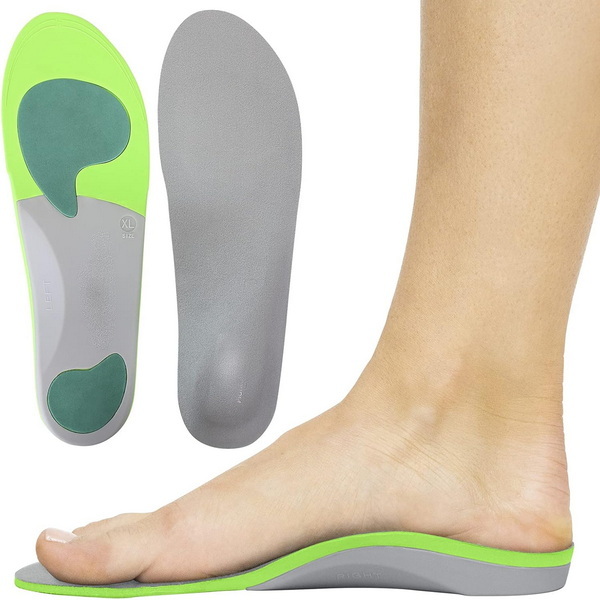
Yes, custom orthotic inserts work best in shoes that have removable insoles, sufficient depth, and a stable midsole. Athletic, walking, work, and many comfort shoes usually meet these requirements better than tight fashion styles or very flexible footwear.
Some users need a slightly larger size or wider width to accommodate the extra volume created by custom orthotic inserts, but this is not always necessary. The key is to test shoes with your orthotics installed and ensure there is enough room without heel slippage or cramped toes.
Slip‑on shoes can sometimes be used with custom orthotics if they have enough depth and a snug heel fit, but they are generally less ideal than shoes with laces or straps. Without an adjustable closure, it is harder to secure the foot and the orthotic together, which may lead to friction or instability.
A good match feels stable and comfortable, with the orthotic sitting flat inside the shoe and no obvious pressure points. If the heel lifts, the insert rocks, or the toes feel crowded, the shoe shape or size may not be compatible with your device.
Most people adapt over several days or weeks if they gradually increase wearing time and follow professional advice. Short initial wear periods followed by regular checks of comfort and fit help ensure a smooth transition.


