
Language
Views: 222 Author: Edvo Publish Time: 2026-01-12 Origin: Site


Content Menu
● Understanding Orthotic Inserts From Doctors
● Typical Price Ranges for Orthotic Inserts
● Doctor Visit and Evaluation Costs
● Total Out‑of‑Pocket Cost Examples
● How Insurance Affects What You Pay
● Factors That Influence Your Final Price
● Saving Money on Doctor‑Provided Orthotic Inserts
● When Custom Orthotics Are Worth the Cost
● FAQ
>> 1. How much do custom orthotic inserts from a doctor usually cost?
>> 2. Are doctor‑prescribed orthotic inserts covered by insurance?
>> 3. Why are custom orthotics so expensive compared with store‑bought insoles?
>> 4. How long do custom orthotic inserts from doctors last?
>> 5. Can I reduce costs by starting with over‑the‑counter inserts?
Visiting a doctor for orthotic inserts usually means paying for both the inserts themselves and the related medical appointments, and total costs can range from under 100 dollars for basic insoles to well over 1,000 dollars for complex custom systems with multiple visits. Understanding how each cost component works—device, doctor, diagnostics, and insurance—helps patients choose the right option without overpaying.[1][2][3][4]
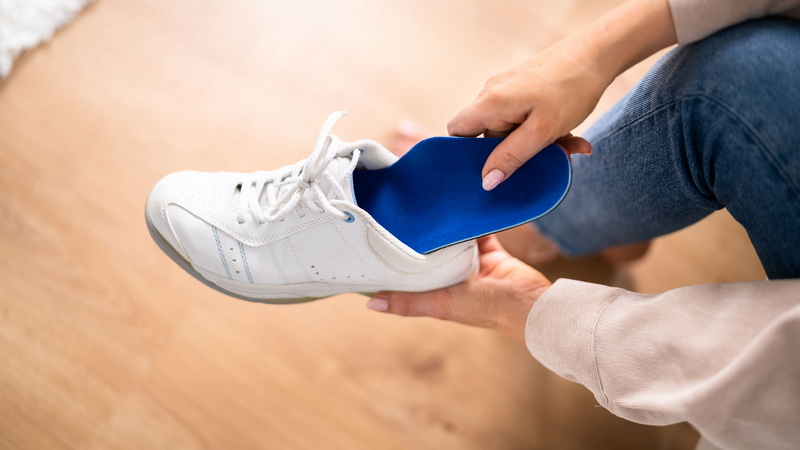
Custom orthotic inserts prescribed by doctors are medical devices designed to correct biomechanical problems, support arches, and relieve pain from conditions such as plantar fasciitis, flat feet, and arthritis. Unlike generic insoles sold in retail stores, these devices are fabricated from measurements, impressions, or 3D scans of the patient's feet and are tailored to specific clinical needs.[2][5][6]
Orthotic inserts provided through a doctor can be classified into three broad categories: over‑the‑counter (OTC) devices sold or recommended in the office, semi‑custom inserts that can be heat‑molded, and fully custom orthotics based on casts or scans. As the level of customization increases from OTC to casted custom devices, both precision and price typically rise.[4][1][2]
Over‑the‑counter or basic prefabricated orthotic inserts are usually the least expensive, often ranging roughly from 10–20 dollars at the low end to around 150 dollars for higher‑quality models. Semi‑custom devices, such as heat‑moldable insoles with adjustable elements, often fall in the 60–300 dollar range per pair.[7][1][2]
Fully custom orthotics can cost approximately 200–800 dollars per pair depending on materials, fabrication process, and clinic pricing. Some specialty or brand‑name systems and casted orthotics can reach or exceed 1,000 dollars, especially when bundled with extensive fitting services.[8][5][9][1][2]
When patients ask what they will pay for orthotic inserts from doctors, they need to consider that the orthotic device price is usually separate from clinical evaluations. An initial consultation or office visit to a primary care provider, podiatrist, or physical therapist may range from about 100–250 dollars if self‑pay, with some clinics quoting around 150 dollars for a standard assessment.[10][3][4]
For custom orthotics, the evaluation may include gait analysis, physical examination, and imaging, as well as casting or 3D scanning of the feet, and some providers charge additional fees (for example, 50–150 dollars) for scans or impressions if they are not bundled into the visit price. Follow‑up appointments for adjustments or refinements can also add 100–250 dollars per visit when not fully covered by insurance.[3][2][4]
When combining office visits, impressions, and orthotic fabrication, a traditional custom insole pathway can reach an estimated 700–1,850 dollars in total, particularly when multiple visits and adjustments are required over several months. In many clinics, a single pair of custom orthotics alone might cost around 400–600 dollars, while office visits add another 150 dollars or more if paid out of pocket.[11][10][3][4]
In real‑world scenarios, a patient who chooses a quality OTC insert may spend under 200 dollars in total, whereas someone needing fully custom devices, plus evaluation and follow‑up, could pay well above 1,000 dollars before any insurance reimbursement. Because of this wide spread, patients often compare options carefully and ask clinics for itemized quotes before committing.[6][2][3][4]
Insurance coverage for orthotic inserts varies greatly, and some plans fully or partially cover custom orthotics when they are deemed medically necessary and prescribed by a qualified provider. Other plans may exclude orthotics altogether or only cover certain categories, which leaves patients responsible for most or all costs.[12][13][14]
Medicare Part B can cover approximately 80 percent of approved costs for orthotic devices when prescribed for specific conditions such as diabetes‑related foot disease, leaving patients to pay the remaining 20 percent and any deductibles. Employer‑sponsored plans are often more likely than some individual policies to include orthotic coverage, but they typically require a prescription and sometimes prior authorization.[13][14][12]
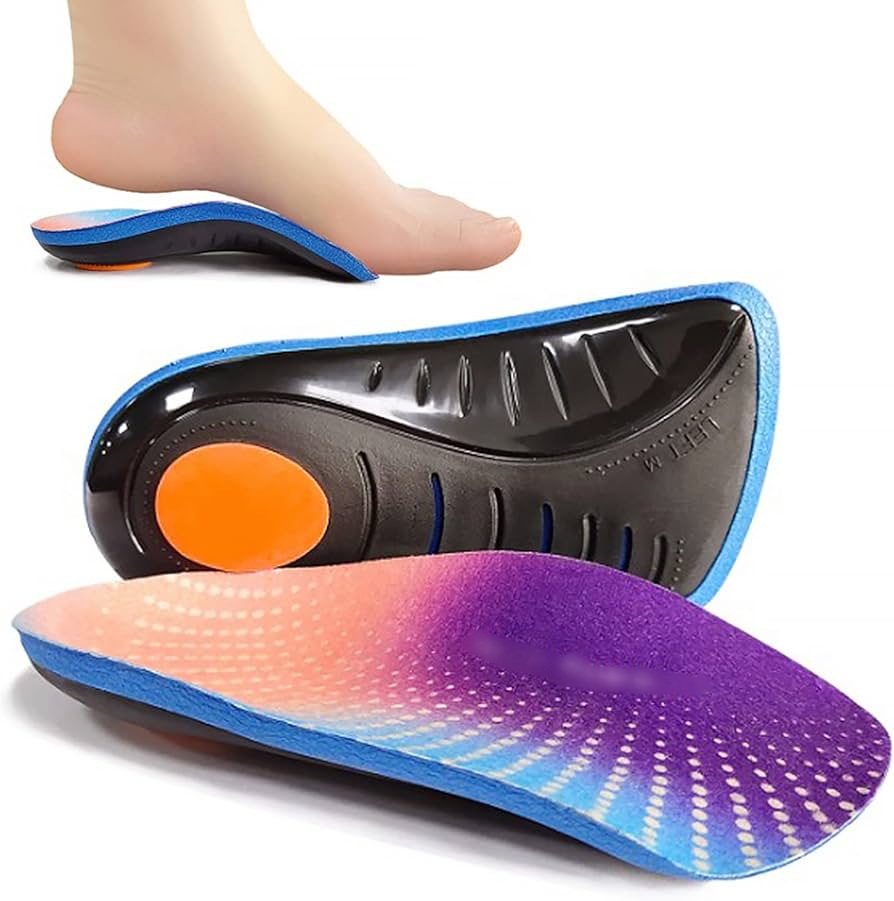
Several key factors shape what a patient will actually pay for orthotic inserts from doctors, including the type of orthotic (OTC, semi‑custom, or fully custom) and the materials used. Advanced materials, specialized design features, and higher durability usually increase the cost of the insert itself.[5][1][2][4]
The provider's expertise, location, and business model also affect prices, as clinics in high‑cost urban areas or specialty practices may charge more for both visits and devices. Additional services such as gait labs, digital pressure mapping, or extensive follow‑up adjustments can further raise the total bill if not included in a package price.[2][3][6][11]
Patients who want to control costs can start by asking whether a quality over‑the‑counter or semi‑custom insert is clinically appropriate before moving directly to premium custom devices. For many non‑severe cases, an OTC or heat‑moldable product can provide meaningful support at a fraction of the cost of fully custom orthotics.[15][1][7][2]
It is also wise to verify insurance benefits in advance, ask providers to submit pre‑authorizations, and request clear itemized estimates for visits, imaging, and fabrication before treatment. Some clinics offer payment plans, package pricing, or replacement‑top programs where refurbishing worn surfaces costs only 50–100 dollars rather than paying for new orthotics.[14][12][4][2]
Custom orthotics may justify their higher price for patients with chronic foot, knee, hip, or back pain linked to biomechanical issues, especially when conservative measures have failed. They can also be valuable for individuals with complex deformities, diabetic foot problems, or high‑demand athletic activities that require precise correction and shock absorption.[15][4][6][2]
Because they are tailored to the user's unique anatomy and gait, well‑made custom devices can last several years and may reduce other healthcare costs by lowering pain, improving mobility, and potentially decreasing injury risk. This long‑term value is one reason clinicians may recommend custom solutions even though the upfront expense is higher than OTC inserts.[9][5][4][15]
The amount a patient pays for orthotic inserts from doctors depends on the type of device, the number and cost of medical visits, and how much insurance contributes. Basic over‑the‑counter inserts can cost as little as tens of dollars, while fully custom systems with multiple evaluations can easily reach several hundred to well over a thousand dollars. By understanding price ranges, insurance rules, and the situations where custom devices add clear clinical value, patients can make informed decisions that balance comfort, health, and budget.[1][3][4][14][15][2]
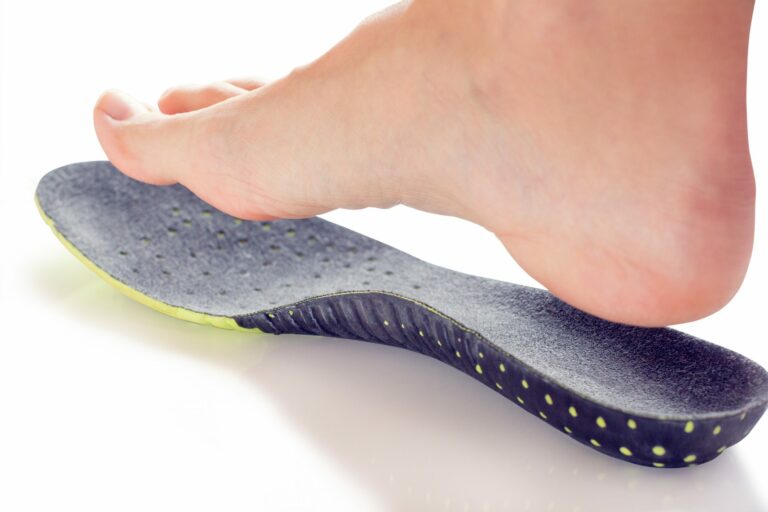
Custom orthotic inserts prescribed by doctors typically cost about 200–800 dollars per pair, depending on materials, design complexity, and clinic pricing. Some premium or brand‑specific systems can exceed 1,000 dollars, especially when bundled with extensive assessments and follow‑up services.[8][5][9][1][2]
Many insurance plans offer partial or full coverage for custom orthotics when they are deemed medically necessary and ordered by a licensed provider. However, coverage rules, co‑pays, and deductibles vary widely, so patients should confirm details with their insurer before treatment.[12][13][14]
Custom orthotics cost more because they involve professional evaluations, casting or 3D scanning, individualized design, and fabrication with durable materials. In contrast, over‑the‑counter insoles are mass‑produced, not tailored to a specific patient, and do not include doctor visit costs.[4][7][1][2]
Well‑constructed custom orthotics are often designed to last several years under normal use, though actual lifespan depends on body weight, activity level, and materials. In many cases, only the top cover needs replacement after wear, which can cost roughly 50–100 dollars instead of buying a new pair.[5][2][4]
Yes, for mild to moderate symptoms, starting with quality over‑the‑counter or semi‑custom inserts can be a cost‑effective approach that sometimes avoids the need for more expensive custom devices. If pain persists or conditions are complex, a doctor can then evaluate whether prescription custom orthotics are necessary despite the higher price.[6][1][15][2]
[1](https://www.goodrx.com/conditions/musculoskeletal/custom-orthotics-cost)
[2](https://primecareprosthetics.com/blog/how-much-do-custom-orthotics-cost)
[3](https://www.hikemedical.com/resources/rethinking-custom-orthotics-a-smarter-more-affordable-approach-for-employers)
[4](https://treadlabs.com/blogs/insoles-reach-your-stride/the-cost-of-custom-orthotics)
[5](https://www.upstep.com/a/community/orthotics/what-are-the-price-ranges-for-good-custom-orthotic-inserts)
[6](https://lmdpodiatry.com/what-is-the-average-cost-of-good-feet-orthotics/)
[7](https://www.neufoot.com/blog/what-are-orthotics-and-why-should-you-use-them)
[8](https://www.goodfeet.com/community-footsteps/press/are-custom-orthotics-worth-it-we-sent-one-of-our-readers-to-find-out)
[9](https://www.stridesoles.com/blogs/articles/cost-of-custom-orthotics)
[10](https://www.lakewashingtonpt.com/orthotics-1)
[11](https://www.footankle.com/how-much-should-otc-and-custom-foot-orthotics-cost/)
[12](https://footnanklecenters.com/does-medicare-cover-custom-orthotics/)
[13](https://primecareprosthetics.com/blog/does-insurance-cover-orthotics)
[14](https://cadense.com/a/docs/orthotics/are-orthotics-covered-by-insurance-important-facts-to-know)
[15](https://www.greatbasinortho.com/articles/custom-orthotics-vs-over-counter-its-about-more-cost)


