
Language
Views: 222 Author: Edvo Publish Time: 2026-01-04 Origin: Site


Content Menu
● Understanding High Arches and Their Challenges
>> Key Problems Caused by High Arches
>> Why High Arches Need Specialized Support
● The Science Behind Superfeet Insoles
>> Key Benefits of Superfeet Insoles for High Arches
● Which Superfeet Insole for High Arches?
>> 1. Superfeet GREEN – Classic All-Rounder
>> 2. Superfeet ORANGE – Maximum Cushion for Performance
>> 3. Superfeet COPPER – Personalized Comfort
>> 4. Superfeet CARBON – Lightweight Precision
>> 5. Superfeet BERRY – Women's High-Arch Solution
● Comparing the Top Superfeet Models for High Arches
● How to Select the Right Superfeet Insole for You
● The Break-In Period: What to Expect
● Maintenance and Longevity Tips
● Signs That It's Time to Replace Your Insoles
● Real-World Benefits of Superfeet for High Arches
● When to Consult a Specialist
● FAQs
>> 1. What is the best Superfeet insole for running with high arches?
>> 2. How do I know if I have high arches?
>> 3. Can Superfeet insoles help reduce back or knee pain?
>> 4. What shoes work best with Superfeet insoles?
>> 5. How long should I wear Superfeet insoles before replacing them?
Finding the right insole for high arches can feel like searching for balance in every step. People with high arches often experience foot fatigue, soreness, and instability. Without proper support, everyday activities—like walking, running, or working long shifts—can lead to chronic discomfort or even pain conditions such as plantar fasciitis. That's where Superfeet arch insoles come into the picture.
Superfeet has developed a reputation for producing some of the finest orthotic-style insoles, built on biomechanical research and designed for everyday comfort. But with multiple options available, which Superfeet insole is truly best for high arches? Let's explore this question in detail.
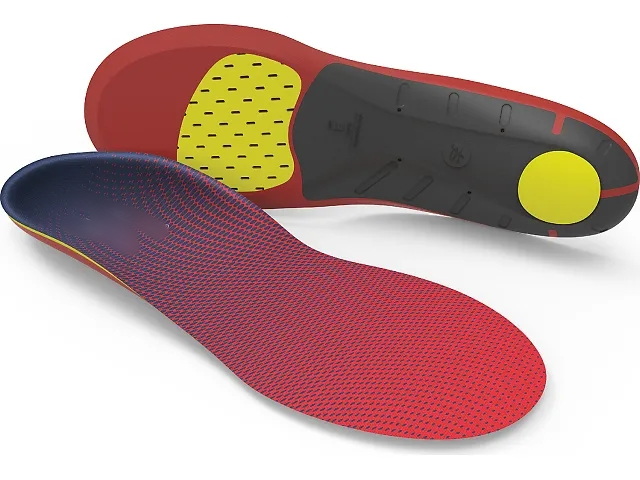
High arches, medically referred to as pes cavus, describe a foot type where the arch is significantly raised off the ground. Unlike flat feet, which roll inward too much, high-arched feet often do not roll enough—resulting in poor shock absorption and uneven pressure distribution.
In practical terms, this means that much of a person's body weight is concentrated on the ball and heel of the foot, leading to pain and fatigue over time.
- Pressure points: Concentrated stress on the heel and forefoot.
- Poor balance: Increased likelihood of ankle instability or sprains.
- Foot fatigue: Muscles must work harder to stabilize movement.
- Shoe wear issues: Uneven tread wear or discomfort in the midfoot area.
Most generic shoe insoles provide flat, minimal support. While suitable for average arches, they rarely offer enough structural reinforcement for high-arched feet. A customized or anatomically-shaped insole helps fill the hollow space beneath the arch, distributing pressure evenly and providing cushioning for impact absorption. This balance reduces joint strain from the feet up through the knees, hips, and lower back.
Superfeet's success is rooted in biomechanics—the study of how movement affects the human body. Originally founded by medical professionals, the company uses a design approach emphasizing heel stabilization, arch contour alignment, and impact management.
Each pair of Superfeet insoles is shaped following a deep heel cup structure that aligns the heel bone naturally and minimizes stress on the plantar fascia. The combination of supportive foam layers and rigid stabilizer caps ensures durability and consistency even under heavy use.
- Promotes proper body alignment and posture.
- Reduces strain during high-impact activities.
- Prevents pain in the heel, arch, and ankle regions.
- Improves overall comfort and balance during motion.
- Offers long-term support and foot fatigue reduction.
By reinforcing your arch structure, Superfeet insoles do more than add cushioning—they enhance how your whole body moves and bears weight.
Superfeet offers several models that cater to varying needs, footwear types, and activity levels. Let's review the most suitable options for supporting high arches and what makes each one unique.
The Superfeet GREEN insole is often considered the gold standard for people with high arches. Its robust design features high-profile arch support, a stabilizing heel cup, and firm foam construction built to last.
- Best for: Work boots, hiking shoes, and everyday sneakers.
- Support level: Maximum.
- Advantages: Offers firm structure for foot alignment and excellent durability.
- Ideal users: Those with extremely high arches who need rigid reinforcement.
With the GREEN model, users often notice a reduction in heel pain and an increased sense of stability even on hard surfaces.
If you need more cushioning, the Superfeet ORANGE insole is the best pick. It offers similar structural support to the GREEN version but with added forefoot cushioning that helps absorb shock during athletic performance.
- Best for: Running, sports, and extended walking sessions.
- Support level: High.
- Advantages: Features dual-layer foam and an energy pad for high-impact comfort.
- Ideal users: Athletes or active individuals needing dynamic flexibility.
The Orange version is particularly loved by runners who experience forefoot pressure or pain during long distances.
The Superfeet COPPER insole incorporates memory foam technology that molds to your foot shape over time. This delivers a personalized balance of support and softness.
- Best for: Casual sneakers, work shoes, and daily commuting footwear.
- Support level: Medium-high.
- Advantages: Memory foam top layer conforms to unique foot contours.
- Ideal users: Those transitioning to structured insoles for the first time.
This model provides a more forgiving break-in period, ideal for someone who finds rigid insoles uncomfortable initially.
For those preferring lightweight performance, Superfeet CARBON is a sleek and minimal insole built for speed and agility. It maintains strong biomechanical support despite its low profile.
- Best for: Running, cycling, and tight-fitting athletic shoes.
- Support level: High (low-profile).
- Advantages: Carbon fiber stabilizer cap delivers lightweight rigidity.
- Ideal users: High-performance athletes or individuals seeking slim, durable support.
While thinner, the Carbon model excels in transferring energy efficiently with each stride.
The Superfeet BERRY model is specifically engineered for women, adapting the heel dimensions and arch shape to better match female foot anatomy.
- Best for: Women's athletic or casual footwear.
- Support level: High.
- Advantages: Enhanced arch contour with extra cushioning in the forefoot.
- Ideal users: Active women who need targeted support without sacrificing comfort.
This model combines feminine design with the biomechanical science of higher arch stabilization.
| Model | Support Type | Cushion Level | Best For | Arch Height |
|--------|---------------|----------------|-----------|--------------|
| GREEN | Maximum | Firm | All-purpose, hiking | Very high |
| ORANGE | High | Soft | Sports, running | High |
| COPPER | Medium-High | Plush | Everyday wear | Moderate-high |
| CARBON | High (low-profile) | Minimal | Performance shoes | Moderate-high |
| BERRY (Women) | High | Medium | Women's daily use | High |
This table summarizes the differences—but the best model ultimately depends on your activity level, shoe type, and personal comfort preference.
Choosing the perfect insole goes beyond picking the one with the highest arch support. You need to consider several factors, including your shoe style, activity frequency, and sensitivity to firmness.
Here's how to choose effectively:
1. Evaluate daily usage. If you stand all day, opt for the GREEN or COPPER models for maximum comfort and stability.
2. Assess arch flexibility. Rigid arches need cushioning like the ORANGE, while flexible ones benefit from firm stability like GREEN.
3. Fit your footwear. For tight shoes, CARBON's low profile ensures room without sacrificing support.
4. Try before long wear. Wear new insoles for a few hours per day during the first week to allow your feet to adjust.
5. Replace when needed. Insoles lose effectiveness over time; replace them after roughly a year or noticeable compression.
By choosing the right insole, you protect your biomechanical alignment and enhance performance no matter the shoe type.

Many first-time users are surprised that Superfeet insoles feel firm or even hard during the initial days. This is normal—their structure is designed for alignment rather than pillow-like softness.
After several wears (usually 3–5 days), your body adjusts, and the insoles begin to feel more natural. During this period:
- Wear them for shorter periods first.
- Use them in familiar shoes to get accustomed to balance shifts.
- Avoid adding extra foam layers underneath, as this may reduce the insole's effectiveness.
Once broken in, the comfort and stability become second nature.
To ensure your Superfeet insoles last as long as possible, adopt good maintenance habits:
- Remove insoles daily to let shoes air out.
- Hand wash using mild soap and warm water.
- Air dry completely before reinserting.
- Avoid exposure to direct heat or sunlight.
- Store shoes in a cool, dry environment.
Proper care helps maintain the insole's structure and prevent odor buildup, ensuring consistent performance for months.
Even the most durable insoles wear out with time. Look out for:
- Flattened or compressed arch areas.
- Cracked or damaged stabilizer caps.
- Persistent odors despite cleaning.
- Return of foot fatigue after long wear.
- Uneven foam wear across the insole surface.
On average, replacing insoles every 12 months or 500 miles helps keep comfort and performance consistent.
People with high arches often notice dramatic changes once they start using proper insoles. Some reported benefits include:
- Improved alignment: Reduces pain spreading to knees and lower back.
- Better posture: Enhances standing balance and walking rhythm.
- Reduced fatigue: Allows longer work or exercise sessions comfortably.
- Injury prevention: Stabilizes the heel and lowers ankle-turn risk.
- Enhanced comfort: Reduces burning sensations and nerve stress from uneven pressure.
These improvements contribute not only to foot health but overall orthotic well-being.
While Superfeet insoles can address most high-arch discomfort, some issues may require medical evaluation. You should see a podiatrist if you experience:
- Persistent heel or arch pain.
- Numbness or tingling in the toes.
- Visible foot deformities or calluses.
- Pain that worsens despite proper insoles.
A professional can assess your gait, arch height, and alignment, possibly recommending customized orthotics alongside Superfeet products.
When buying Superfeet insoles, follow these practical recommendations:
- Choose the right size—Superfeet insoles are trim-to-fit, allowing easy customization.
- Purchase from authorized retailers to ensure product authenticity.
- If unsure about fit, test them first with thinner socks to feel their natural support contour.
- Don't stack old insoles underneath; always replace your shoe's original liner.
By following these steps, you'll ensure your purchase gives you the full benefit of Superfeet's engineered design.
For people with high arches, finding the right support system can make all the difference between discomfort and all-day confidence. Among Superfeet's offerings, GREEN stands out as the most reliable and widely recommended option thanks to its rigidity and strong arch contour. For active users, ORANGE delivers impact absorption, while CARBON provides lightweight stability. If personalized softness is your goal, COPPER suits daily wear, and BERRY ensures women get tailored biomechanical comfort.
No matter your lifestyle or shoe type, incorporating a Superfeet insole designed for high arches can improve balance, enhance comfort, and prolong footwear life. In essence, these insoles don't just support your feet—they sustain your stride.
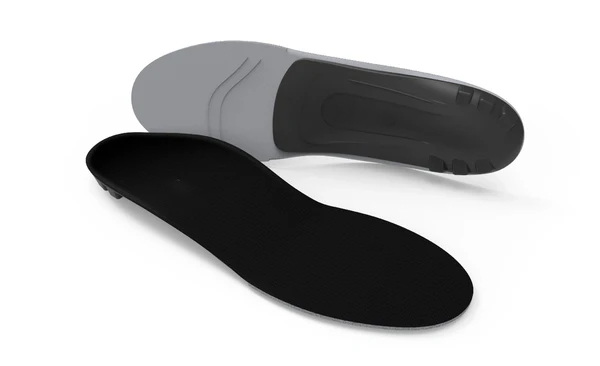
The Superfeet ORANGE insole is ideal for runners with high arches because it pairs structured support with extra forefoot cushioning to absorb high-impact forces effectively.
Check your footprint. If the center part leaves little to no impression when the foot is wet, it is likely you have high arches, meaning the midfoot makes minimal ground contact.
Yes, by realigning the feet and improving weight distribution, Superfeet insoles help correct posture, reducing unnecessary strain on the knees, hips, and lower back.
They fit most shoes—from sneakers and work boots to dress shoes and hiking gear. Just ensure there's enough space for the thickness of your chosen insole.
A good rule is every 12 months or after 500 miles of active use. If you notice compression, rough edges, or a loss of cushioning, it's time for a replacement.


