
Views: 222 Author: Edvo Publish Time: 2025-12-02 Origin: Site


Content Menu
● What Are Solid Arch Support Inserts?
● Why Solid Arch Support Matters
● Who Sells Solid Arch Support Inserts?
>> Retail footwear chains and specialty stores
>> Pharmacies and supermarkets
>> Online insole and orthotic stores
>> Medical and orthotic providers
>> OEM and private‑label manufacturers
● Key Technical Features Buyers Should Check
>> Arch profile and support level
>> Heel cup design and stability
● How Solid Arch Support Inserts Are Manufactured in OEM Settings
>> Design and mold development
>> Material selection and preparation
>> Cutting, molding, and lamination
>> Shaping, finishing, and quality control
● Where Different Buyers Prefer to Source Solid Arch Support Inserts
>> Shoe factories and footwear brands
● How to Choose the Right Seller or Supplier
>> Product coverage and specialization
>> Technical capability and development support
>> Service, communication, and logistics
● FAQ
>> 1. Are solid arch support inserts suitable for everyday wear?
>> 2. Do solid arch support inserts work for both flat feet and high arches?
>> 3. What is the difference between solid arch support inserts and gel insoles?
>> 4. How should brands and wholesalers start a private‑label arch support insole line?
>> 5. Can OEM factories customize arch support inserts for specific footwear collections?
Solid arch support inserts are supplied through consumer retail channels and professional medical providers, but they are also produced at scale by OEM factories that manufacture private‑label insoles for global brands, wholesalers, and shoe makers. For overseas buyers who want their own branded solid arch inserts, partnering with an experienced OEM insole manufacturer is usually the most efficient and cost‑effective choice.
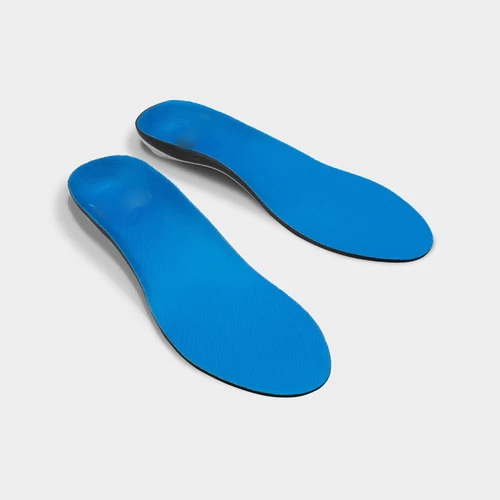
Solid arch support inserts are structured insoles designed to maintain the natural curve of the foot arch and control excessive inward or outward rolling of the foot. They rely on a defined support platform under the arch and a shaped heel cup, rather than just soft cushioning, to stabilize the foot and redistribute pressure over a larger surface.
Typical solid arch inserts combine a semi‑rigid or rigid shell with comfort layers, creating a balance between structural support and shock absorption. They can be full‑length insoles that run from heel to toe, three‑quarter‑length models for tighter shoes, or specialized designs for work boots, running shoes, and casual footwear.
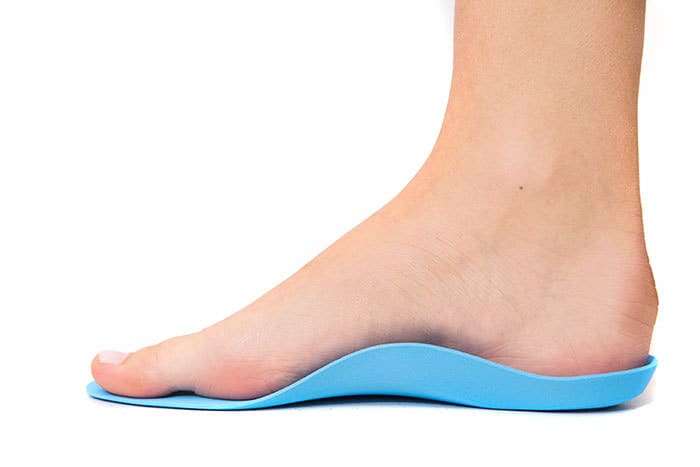
The arch of the foot acts like a spring, helping to absorb shock and transfer forces efficiently from heel strike to toe‑off. When the arch collapses or is unsupported, the rest of the body often compensates, which can place extra stress on the plantar fascia, ankles, knees, hips, and lower back.
Solid arch support inserts help by holding the arch in a more neutral position and guiding the foot through a stable gait cycle. This can reduce discomfort, improve walking efficiency, and support people who stand or walk for long periods at work, in daily life, or during sports.
Many sports, outdoor, and comfort‑shoe retailers sell solid arch support inserts near the shoe displays or in dedicated fit areas. Staff can often recommend an insert based on the customer's shoe type, arch height, and main complaint, such as tired feet or heel pain.
These stores usually carry multiple brands and arch heights, which allows users to compare different levels of rigidity, cushioning, and volume inside their shoes. This channel mainly serves end‑consumers who want to try the inserts immediately in their preferred footwear.
Pharmacies, drugstores, and some supermarkets stock over‑the‑counter arch support inserts that target common issues like general foot fatigue and mild arch discomfort. Products here tend to be pre‑packaged, with simplified sizing (often trim‑to‑fit) and clear on‑pack instructions.
This channel is convenient and accessible, but the assortment is usually focused on mainstream brands and universal designs, rather than niche fits or high technical customization. For many casual users, however, it is the first contact point with arch support inserts.
Specialized e‑commerce platforms dedicated to insoles and orthotics offer a wide range of solid arch support inserts, from everyday comfort models to sport‑specific and work‑specific designs. Their product pages often include detailed descriptions, sizing charts, arch‑height recommendations, and usage guides.
Online insole stores are attractive for customers who want:
- More choice in stiffness, thickness, and materials
- Clear education about arch types and foot problems
- Direct delivery, including international shipping
They also provide a strong channel for niche and premium brands that do not rely on large retail shelf space.
Podiatrists, orthopedic clinics, and orthotic labs supply prefabricated and custom arch support inserts as part of treatment plans for foot and lower‑limb issues. They may prescribe high‑support devices for conditions such as severe flat feet, high arches with instability, diabetic foot risks, and post‑surgical recovery.
In this channel, selection focuses on clinical needs, corrective potential, and long‑term comfort, rather than packaging or retail branding. Some clinics also sell higher‑end prefabricated solid arch inserts that complement or substitute custom orthotics for specific cases.
Behind many in‑store and online brands are OEM manufacturers that specialize in insole design and production for international customers. These factories work with foreign brands, wholesalers, and footwear companies to create solid arch support inserts under private labels, customizing the arch profile, support shell, cushioning, and top fabric.
OEM suppliers can:
- Develop new molds and shapes for different arch types and shoe categories
- Offer a combination of rigid shells and soft layers to meet target markets and price points
- Provide logo printing, custom packaging, and barcoding to support retail distribution
For overseas buyers who want to launch or expand their own insole line, this type of partner is often the true source of solid arch support inserts.
Solid arch support inserts should match the wearer's arch type and activity. Low arches often need firmer support and strong motion control, while high arches may benefit from structured support with more cushioning to absorb impact.
An experienced seller or OEM supplier typically offers:
- Multiple arch heights (low, medium, high)
- Various support levels, from flexible support to more rigid shells
- Activity‑specific designs for running, hiking, work, and everyday wear
A deeper, more structured heel cup helps position the heel bone and prevent side‑to‑side rolling, which can protect ankles and knees during walking or running. For work and sports use, a secure heel cup is especially important, because it keeps the foot stable under load and over uneven ground.
Good design features include:
- A heel cup shaped to cradle the heel rather than simply sitting under it
- Side walls that gently guide the heel into the center of the insert
- Enough edge smoothness that it does not dig into the foot or shoe lining
Materials determine comfort, lifespan, and performance. In solid arch support inserts, structure usually comes from a semi‑rigid or rigid shell, while comfort comes from cushioning layers and the top fabric.
Common combinations are:
- Thermoplastic shells for firm arch platforms and long‑term shape retention
- EVA or PU foam for cushioning and shock absorption
- Gel pads or PORON‑type inserts in the heel or forefoot for extra impact relief
- Moisture‑wicking, breathable top covers for comfort and hygiene
For B2B buyers, being able to choose different foam densities, shell hardness, and top fabrics is crucial to tailoring products to regional climates and end‑use scenarios.
OEM factories that specialize in insoles use a series of controlled steps to ensure consistent arch support, comfort, and quality.
The process starts with product planning: defining target users, shoe categories, and price positioning. Technicians and designers then create 2D drawings and 3D models that define the arch height, heel cup depth, forefoot shape, and total thickness of the insole.
Molds for the support shells and foam bodies are produced using machining or casting methods. Modern plants may use digital foot data or last libraries to ensure that the arch contour and shoe fit meet biomechanical and fitting requirements for different sizes and markets.
For solid arch support inserts, factories generally prepare:
- Thermoplastic sheets or pellets for the arch support shell
- EVA, PU, or other foam sheets for cushioning layers
- Top fabrics and bottom films for comfort and slip resistance
Materials are inspected for density, hardness, thickness, and surface quality before moving into cutting and molding, because these properties strongly influence the final support and comfort.
In the cutting stage, foam sheets and fabrics are cut by dies, CNC cutters, or laser cutters into rough blanks that match the insole outline. Thermoplastic shells can be formed by injection molding or thermoforming over molds that define the arch curve and heel cup.
Once components are ready, lamination combines the support shell, cushioning layers, and top fabrics. Heat and pressure activate adhesives and create a stable composite structure. The arch area is carefully aligned so that the high point of the support corresponds to the anatomical arch position of the foot.
After lamination, insoles are trimmed along the final outline, and edges are ground or polished to avoid sharp transitions that could irritate the foot or shoe interior. Inspection teams check for shape consistency, proper bonding, absence of bubbles, and correct hardness in key zones.
Some OEM plants also perform wear and bending tests, compression tests, and in‑shoe fit checks on sample pairs to confirm that support and comfort remain stable over time. This is especially important for solid arch support inserts that must maintain structural integrity under repeated loading.
Individual users typically choose sellers that are easy to access and provide straightforward information. They buy from:
- Retail footwear chains for hands‑on fitting
- Pharmacies and supermarkets for quick, inexpensive solutions
- Online insole shops for a wide selection and detailed guidance
Their main concerns are comfort, pain relief, shoe compatibility, and price.
Brand owners, trading companies, and distributors prefer direct cooperation with OEM insole manufacturers who can create unique product lines and handle large‑scale orders. By working with such suppliers, they can:
- Develop signature arch profiles and color schemes
- Integrate branding elements, from logos on the insole surface to custom packaging
- Control margins and pricing across their distribution channels
This approach lets them answer “Who sells solid arch support inserts?” with their own brand name, supported by a trusted manufacturing partner.
Footwear manufacturers often request arch support solutions that fit directly into their lasts and shoe designs. In some cases, the insole is fully removable; in others, the arch support structure is integrated into the midsole or footbed.
By collaborating with insole OEM factories, shoe brands can ensure that support, cushioning, and shoe shape work together, improving comfort and performance across entire product lines.
When deciding who to buy from, consider the following aspects.
A good seller or supplier should be able to:
- Offer multiple arch heights and support levels
- Cover different applications, such as daily wear, work, running, hiking, and orthotic use
- Provide clear fitting instructions and, where possible, fitting tools or guides
For B2B clients, product coverage should align with the intended market positioning, whether value‑oriented, midrange, or premium.
Solid arch support design is a technical field. Look for partners who understand foot biomechanics, shoe construction, and material behavior. Valuable technical support may include assistance with:
- Adjusting arch height and heel cup design for different markets
- Choosing foam and shell materials to balance support and comfort
- Testing and refining prototypes before mass production
Such support helps reduce returns, increase customer satisfaction, and ensure long‑term brand reputation.
For overseas brands and wholesalers, reliable service and logistics are essential. Factors to evaluate include:
- Clear lead times and flexible minimum order quantities
- Ability to handle mixed orders or multiple models in one shipment
- Assistance with documentation, labeling, and compliance requirements for target regions
A supplier that communicates clearly and responds quickly can help buyers turn concept ideas into finished products smoothly and efficiently.
Solid arch support inserts are widely sold through footwear retailers, pharmacies, online insole specialists, and medical providers, but the true production backbone of the market is made up of OEM factories that design and manufacture these inserts for international brands, wholesalers, and shoe makers. For consumers, the best seller is usually the one that offers clear information, appropriate support levels, and comfortable fit in their shoes, while for professional buyers, an experienced OEM insole manufacturer delivers the customization, consistency, and scale needed to build a strong private‑label solid arch support line.
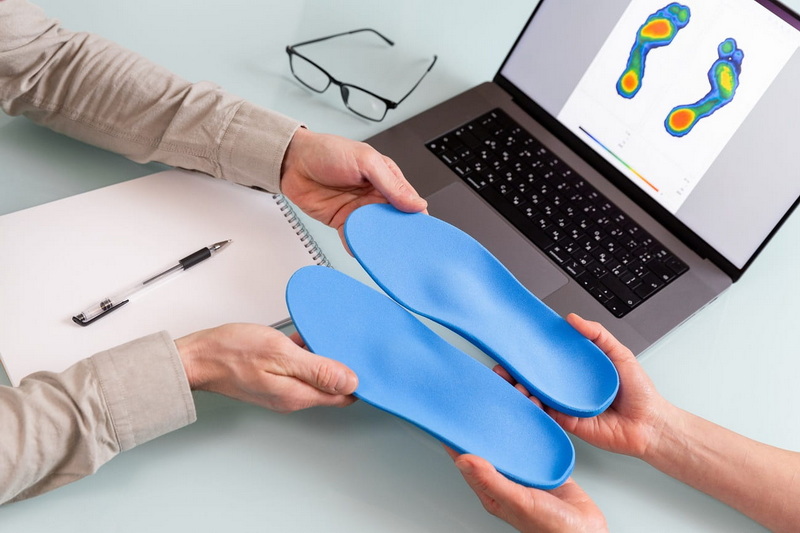
Yes, many solid arch support inserts are designed for everyday use in casual shoes, work shoes, and sneakers, providing continuous support and comfort throughout the day. The key is to choose a model with a support level and thickness that matches both the user's arch type and shoe volume, so the foot feels supported but not cramped.
Solid arch support inserts can be effective for both flat feet and high arches when the profile and stiffness are tailored correctly. Flat feet usually benefit from firmer support to limit excessive inward rolling, while high arches may need well‑defined support combined with extra cushioning to help absorb impact forces.
Gel insoles mainly focus on cushioning and shock absorption, while solid arch support inserts combine cushioning with a structured support platform under the arch. Gel alone may feel soft and comfortable but often cannot control foot motion, whereas solid arch support inserts aim to improve alignment as well as comfort.
Brands and wholesalers should begin by defining target users, price range, and key selling points, then work with an OEM insole manufacturer to select or develop suitable models. The OEM partner can help choose materials, adjust arch height, design branding and packaging, and set up production and quality control processes that match the buyer's market strategy.
Yes, OEM insole factories routinely customize arch support inserts to match different shoe categories, such as running shoes, hiking boots, casual sneakers, and safety footwear. They can adjust shape, thickness, hardness, and materials so that the insole works harmoniously with the shoe last and midsole, enhancing the overall comfort and performance of the finished footwear.


