
Language
Views: 222 Author: Edvo Publish Time: 2025-11-28 Origin: Site


Content Menu
● Boost Soles Vs Traditional Insoles
● Why Some Boost Shoes Minimize Or Skip Insoles
● When Boost Shoes Still Use Traditional Insoles
● Benefits Of Boost Shoes Without Thick Insoles
>> More Energy Return Underfoot
>> Increased Space And Flexibility
● Drawbacks Of Minimal Or No Insoles In Boost Shoes
>> Reduced Moisture And Odor Management
>> Less Customization Out Of The Box
● Should You Add An Insole To Boost Shoes?
● Practical Tips For Wearing Boost Shoes Without Insoles
● How OEM Insole Manufacturers Support Boost Users
● FAQ
>> 1. Are insoles necessary in Boost shoes?
>> 2. Is it safe to remove the insole from Boost sneakers?
>> 3. Will adding an insole ruin the Boost cushioning?
>> 4. Can orthotic insoles be used in all Boost models?
>> 5. How do I decide between Boost shoes with or without insoles?
Boost shoes use a very soft, responsive foam midsole, so many models are designed for your foot to sit much closer to the cushioning instead of on a thick, traditional sole insole. This gives a lighter, more energetic feel and keeps the overall shoe profile lower, even though it can reduce built‑in support compared to classic running shoes.
Boost soles appearing to “have no insoles” usually means the insole is extremely thin, partially glued, or integrated into the footbed design. For some users this is perfect, but others still benefit from adding aftermarket or OEM insoles tailored for comfort, stability, or specific foot conditions.
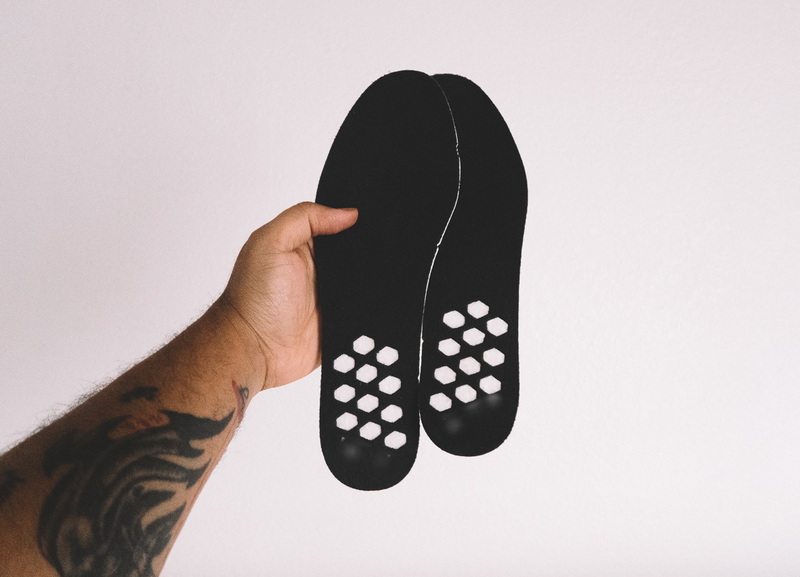
Boost is a midsole material made from thousands of small foam pellets that are fused together into a single cushioning block. Each pellet compresses and rebounds as you walk or run, which creates a mix of softness and “bounce” that many people notice immediately underfoot.
In a classic running shoe, the structure under your foot is layered: insole on top, then midsole, then outsole. In many Boost models, the insole layer is intentionally kept very thin so you feel more of the midsole and less of the shoe's internal structure. This is why when you look inside, it can seem like there is “no insole” at all.
The insole, sometimes called a footbed or sockliner, usually provides a soft surface, moderate arch contour, and some moisture control. It is cheap and easy to change. The midsole, on the other hand, is the main cushioning component that defines the shoe's character.
With Boost shoes, the midsole is already soft and springy, so the insole is no longer the primary source of comfort. Instead, the insole becomes more of a thin interface layer, while the Boost foam does the heavy work of shock absorption and energy return. That is why brands often reduce the thickness and complexity of the insole in Boost models.
The first reason is feel. When the insole is thick and heavily sculpted, you stand farther away from the midsole. With Boost, designers want you to feel the unique cushioning as directly as possible. A thin liner or strobel board under the foot lets the Boost foam deform and rebound right under your body weight, instead of being filtered by another thick foam layer.
This direct contact is very noticeable in lifestyle and running models that market a “cloud‑like” or “trampoline” sensation. The closer your foot is to the Boost foam, the more clearly you can feel that effect.
Second, every layer in a shoe adds grams and thickness. Removing or slimming down the insole is a simple way to reduce both weight and stack height. For performance shoes, these small differences help make transitions quicker and the ride more agile.
A lower profile can also improve stability for some runners. Instead of raising the foot higher and higher on layers of foam, the designer lets the Boost midsole perform its job directly, with fewer materials stacking up under the foot.
Third, many Boost shoes use knit or sock‑like uppers that hug the foot tightly. These uppers sometimes have limited volume over the instep. A thick insole would reduce internal space and create pressure on the top of the foot, especially for wide feet or high arches.
By keeping the insole thin—or by making it feel almost like bare Boost underfoot—the brand gains extra millimeters of space without changing the shape of the upper. This is why some people find Boost shoes more comfortable after removing the insole entirely: they instantly gain more room without losing all of the cushioning.
Finally, simplifying the insole also simplifies production. A flat, thin footbed is faster to cut and attach than a complex molded insole with different densities and high sidewalls. This reduces assembly steps and material costs while keeping the focus on the premium Boost midsole.
For large production runs, this kind of simplification can be significant. The brand still offers a shoe that feels soft, bouncy, and modern, but they rely on the Boost midsole as the hero component instead of investing heavily in a second cushioning system inside the shoe.
It is important to understand that not all Boost shoes actually “delete” the insole. Many include a normal, removable footbed, just thinner and lighter than in conventional models. These shoes give you two options: wear them with the original insole, or swap the insole for an aftermarket product.
Performance running models with Boost often follow this route. They include an insole with modest arch support and a breathable top layer, but the foam is low profile to preserve the Boost sensation. If you need more structure, you can change the insole. If you like a softer feel and more room, you can switch to a thinner one.
Without a thick insole, more of your body weight is transmitted directly into the Boost foam with each step. This makes the compression and rebound of the foam more noticeable. People who enjoy this feeling often describe it as walking or running on small, soft springs.
This is especially attractive for casual wearers who spend all day on their feet. They want something that still feels soft and “alive” after many hours of standing and walking.
Removing or minimizing the insole gives more headroom inside the shoe, which helps people with wider feet, custom orthotics, or thick socks. Instead of buying a larger size, some users simply take out the insole, instantly freeing space.
The shoe also flexes a little more naturally with the foot because there is less rigid or pre‑shaped foam between you and the midsole. This can make the shoe feel more like an extension of the foot instead of a rigid platform.
Slimming the insole shaves off a little weight, which matters for both athletes and everyday users who prefer a light feel. Combined with a responsive midsole, this can make the shoe feel more energetic and less tiring over time.
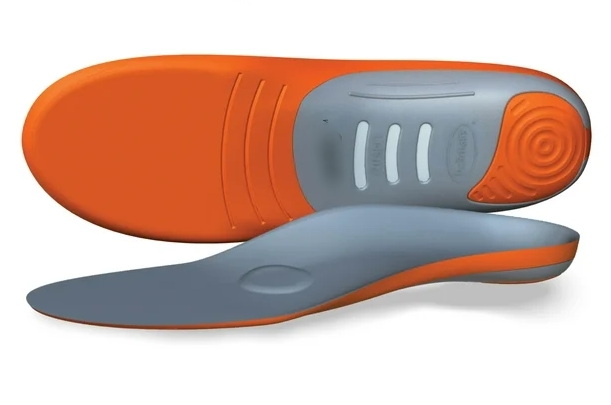
The biggest downside is support. Thin or absent insoles usually provide little arch contour and only basic heel cupping. For people with flat feet, high arches, or a history of foot problems, this can be an issue.
These users often depend on structured insoles or orthotics to keep the foot in a healthy alignment and control excessive rolling in or out. A bare or nearly bare Boost midsole is soft and comfortable but does little to guide the foot.
Many premium insoles use foams and fabrics designed to wick moisture, resist odors, and dry quickly. When the insole is very thin, the shoe relies much more on socks and the inner lining to manage sweat.
Over time, this can lead to a warmer feeling in the shoe and more odor if the interior is not cleaned or aired out regularly. Users who wear Boost shoes all day in hot climates need to pay attention to this point.
A conventional insole is easy to remove and change. When the shoe arrives with a glued or ultra‑thin liner, the options are more limited. You can still place a new insole on top, but this raises the foot higher inside the shoe and may make the fit too tight.
People who already own prescription orthotics usually prefer models with clearly removable insoles and enough internal volume to accommodate them comfortably.
Whether you should add an insole depends on your foot type, daily use, and personal preference.
If you have healthy, neutral feet and mainly want a very soft, flexible ride, Boost shoes with minimal insoles will probably feel great. You get the signature cushion and rebound, lighter weight, and more space with no extra work.
If you have foot conditions, such as plantar fasciitis, metatarsal pain, or strong overpronation, an insole or orthotic can be a better choice. Adding the right insert gives you:
- Extra arch support to maintain alignment
- Firmer structure under key areas like the heel and midfoot
- Better pressure distribution across the entire foot
When you add an insole, test the fit carefully. Check that your heel still sits deep in the back of the shoe and that your toes have enough room. If the shoe feels cramped on top, you may need a thinner insole or a half size up.
If you are already using Boost shoes with minimal or no insole, a few practical habits help keep them comfortable and durable:
- Choose breathable, moisture‑wicking socks to replace some of the sweat control that a thicker insole would provide.
- Rotate pairs if you use Boost shoes every day, giving the foam and inner lining time to dry and recover between wears.
- Inspect the interior regularly for signs of wear, such as thinning fabric or rough areas, and address issues early to avoid blisters.
- Consider adding a very thin, flat insert if you feel the stitching or inner surface is too rough underfoot, even if you do not want a full, thick insole.
These steps help you enjoy the direct Boost feel while protecting your feet and extending the life of the shoe.
For brands, wholesalers, and manufacturers, there is a clear opportunity to offer specialized insoles designed specifically for Boost‑style shoes. These insoles can be:
- Thin enough to fit in low‑volume interiors
- Shaped to match the typical curves of Boost lasts
- Built with targeted reinforcement under the arch and heel
- Finished with breathable, odor‑resistant top fabrics
Such products let sneaker brands advertise two experiences in one: the raw Boost feeling with the original setup, and a more supportive configuration when the customer adds the insole. For retailers and online sellers, this also creates a natural upsell: buyers of Boost shoes can be offered compatible OEM insoles as a bundled or optional accessory.
For large overseas partners, collaborating with a professional insole factory means they can specify exact thickness, hardness, and shape for the inserts that will go into their Boost‑inspired models. This helps them meet different regional preferences: a softer, thicker insole for lifestyle users in one market, and a thinner, more supportive version for running or training in another.
Boost soles often seem to come “without insoles” because the insole is deliberately reduced so your foot sits closer to the soft, responsive foam midsole. This choice increases the Boost sensation, trims weight, and frees extra space inside the shoe, but it also means less built‑in support and moisture control than a traditional running shoe setup. People with neutral, trouble‑free feet can often enjoy Boost shoes exactly as they are, while those with special support needs can upgrade the experience by adding thin, well‑designed OEM or orthotic insoles that work together with the Boost midsole instead of fighting against it.
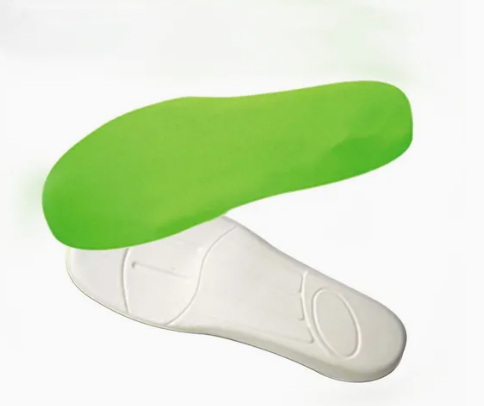
Insoles are not strictly necessary in many Boost models because the midsole already provides a high level of cushioning and energy return. However, if you need extra arch support or motion control, using a suitable insole is a smart idea.
It is usually safe for healthy feet to remove the insole if the shoes still feel stable and comfortable and there is no slipping inside. If you notice pain, fatigue, or hot spots after removing the insole, you should put it back or switch to a more supportive insert.
Adding an insole can slightly reduce the intensity of the direct Boost feel, but it does not remove the cushioning effect of the midsole. As long as you choose a reasonably thin, well‑shaped insole, you can gain support and comfort while still enjoying the characteristic softness and rebound.
Orthotic insoles can be used in most Boost shoes that have removable footbeds and enough internal height. Very snug models may feel tight with thick orthotics, so it is often best to test the fit or consider going up half a size if you know you will use them.
If you prioritize a soft, flexible feel and your feet are generally problem‑free, a minimal‑insole Boost shoe should work well. If you have flat feet, high arches, or a history of foot or knee pain, choose Boost models with clear removable insoles so you can add the specific support products you need.


