
Views: 222 Author: Edvo Publish Time: 2026-01-16 Origin: Site


Content Menu
● Understanding Foot Biomechanics
● How Orthotics Redistribute Pressure
● Improving Alignment and Gait
● Shock Absorption and Comfort
● Pain Relief and Injury Management
● Long-Term Benefits for Posture and Performance
● Custom vs. Prefabricated Orthotics
● Choosing the Right Orthotic Inserts
● FAQ
>> 1. How do orthotic inserts actually work?
>> 2. Can orthotic inserts help with knee, hip, or back pain?
>> 3. Are custom orthotics better than off-the-shelf insoles?
>> 4. How long does it take to feel the benefits of orthotic inserts?
>> 5. Who should consider wearing orthotic inserts?
Orthotic inserts work because they change how your feet interact with the ground, redistributing pressure, supporting your arches, and improving overall alignment of the lower body. By optimizing foot biomechanics, they help relieve pain, prevent injuries, and make walking or standing more efficient and comfortable.[1][2][3][4]
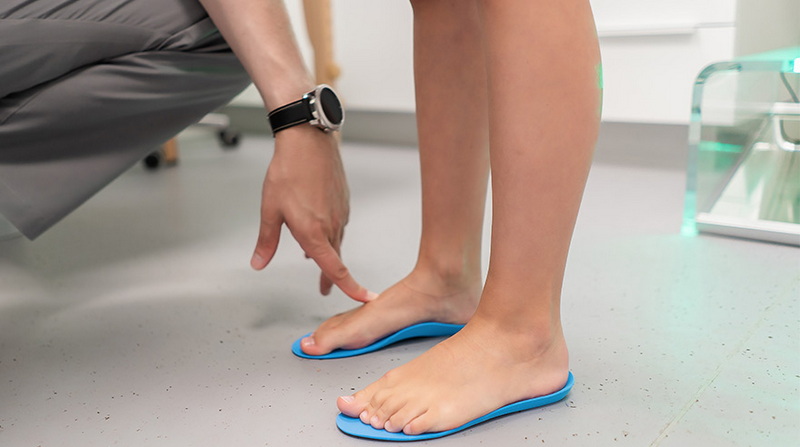
The human foot contains many bones, joints, ligaments, and muscles that must work together to support body weight and absorb shock with every step. When this complex structure is misaligned or overloaded, it can lead to pain in the feet, knees, hips, or even the lower back.[5][6]
- The arches of the foot act like natural springs, storing and releasing energy while walking or running.[5]
- If the arches collapse too much (overpronation) or are too high and rigid (cavus foot), abnormal forces build up in specific areas of the sole.[4]
Orthotic inserts are specially designed devices placed inside shoes to modify foot function, support the arches, and improve alignment. They can be prefabricated or custom-made based on a biomechanical assessment, foot shape, and individual health needs.[7][2][3]
- Custom orthotics are molded to the unique contours of the feet to provide targeted support and cushioning.[8][7]
- They are often used to manage conditions such as plantar fasciitis, arthritis, diabetic foot problems, and painful high arches.[9][7]
One of the main reasons orthotic inserts work is their ability to redistribute plantar pressure across a larger weight-bearing area. Instead of allowing excessive force to concentrate under the heel, forefoot, or specific metatarsal heads, orthotics spread the load more evenly.[3][10][4]
- Clinical research shows that custom foot orthoses reduce pain partly by changing the pattern of plantar pressure rather than simply reducing peak pressure.[4]
- By lifting and contouring the arches, orthotics shift pressure away from overloaded regions and reduce shear forces on sensitive tissues.[2][4]
Orthotic inserts also work by guiding the foot into a more efficient and stable position during the gait cycle. This improved alignment influences the entire kinetic chain from the feet up to the knees, hips, and spine.[11][6][2][5]
- Correcting excessive inward rolling (overpronation) or outward rolling (supination) can improve balance and reduce abnormal rotational forces.[2][5]
- Better alignment helps joints track more naturally, which reduces strain on ligaments, tendons, and muscles around the ankles, knees, and hips.[6][11]
The arches of the foot play a crucial role in shock absorption and stability, and orthotic inserts are engineered to provide targeted arch support. Whether the arches are too low or too high, orthotics help normalize how they compress and rebound under load.[1][2][4][5]
- For flat feet, orthotics lift the arch to decrease tension on ligaments and tendons, especially along the inside of the foot and ankle.[6][2]
- For high arches, orthotics add cushioning and support to reduce localized pressure under the heel and forefoot.[1][4]
Every step generates impact forces that travel from the foot through the entire lower limb and spine, and orthotic inserts often use specialized materials to absorb and dissipate these shocks. Materials such as foams, gels, and medical-grade polymers cushion each step and protect vulnerable joints.[3][4][1]
- Enhanced shock absorption reduces microtrauma to soft tissues, which helps prevent overuse injuries over time.[12][3]
- By improving comfort during walking, running, or standing, orthotics can increase daily mobility and activity levels without worsening pain.[8][9]
Many people first seek orthotics to manage chronic pain or recurring injuries, and inserts work by addressing underlying biomechanical causes rather than only masking symptoms. By altering pressure patterns and alignment, they create a more favorable mechanical environment for healing.[9][3][4][6]
- Custom orthotics can relieve pain from plantar fasciitis, heel spurs, metatarsalgia, and painful high arches by reducing stress on affected structures.[8][9]
- They also help manage conditions such as arthritis and diabetic foot problems by minimizing pressure hot spots and improving stability.[3][8]
Over the long term, well-designed orthotic inserts can enhance posture, balance, and overall movement efficiency. By keeping the feet in a more neutral position, orthotics contribute to a more aligned and stable body posture during daily activities and sports.[11][9][6]
- Improved alignment and weight distribution can reduce the risk of future injuries in the lower extremities.[12][3]
- In athletes, performance orthotics may increase biomechanical efficiency, allowing smoother movement, better stability, and more consistent force transfer.[11][1]
Not all orthotic inserts are the same, and the level of customization influences how precisely they address individual biomechanical issues. Prefabricated insoles can offer general cushioning and support, while custom orthotics are built from detailed assessments and molds.[7][9][8]
- Custom devices are designed to follow the exact shape of the foot, align joints, and respond to specific gait patterns and medical conditions.[7][8]
- For people with complex deformities or persistent pain, professional evaluation and custom orthotic fabrication are often recommended for optimal results.[7][3]
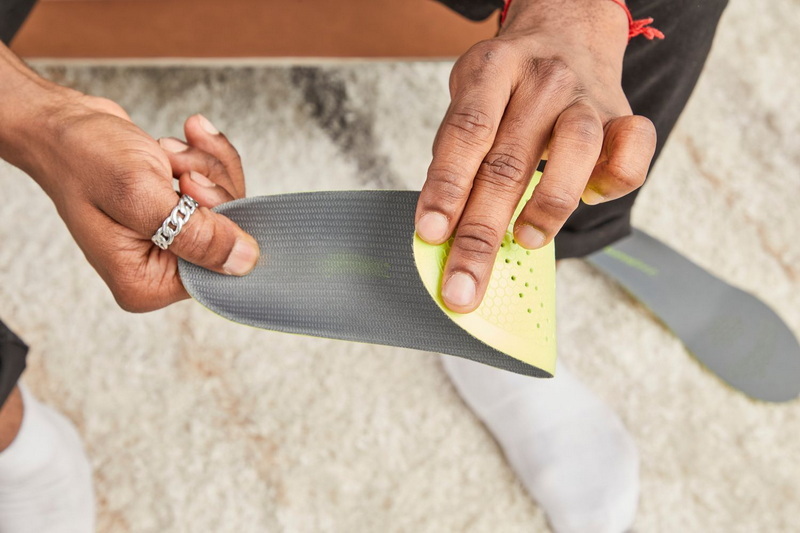
Selecting appropriate orthotic inserts requires considering foot structure, symptoms, activity level, and existing footwear. Professional podiatric assessment can include gait analysis, pressure mapping, and examination of the knees, hips, and spine.[2][3][7]
- People with mild discomfort or those seeking extra comfort may benefit from high-quality prefabricated insoles with proper arch support and cushioning.[1][7]
- Individuals with chronic pain, diabetes, arthritis, or structural deformities should consult specialists for custom orthotics and ongoing follow-up.[9][7]
Orthotic inserts work because they combine structural support, pressure redistribution, and shock absorption to optimize foot biomechanics and protect the entire lower limb. By guiding the feet into a more efficient position, they relieve pain, improve alignment, enhance stability, and support long-term musculoskeletal health for both everyday users and active individuals.[4][2][9][1]
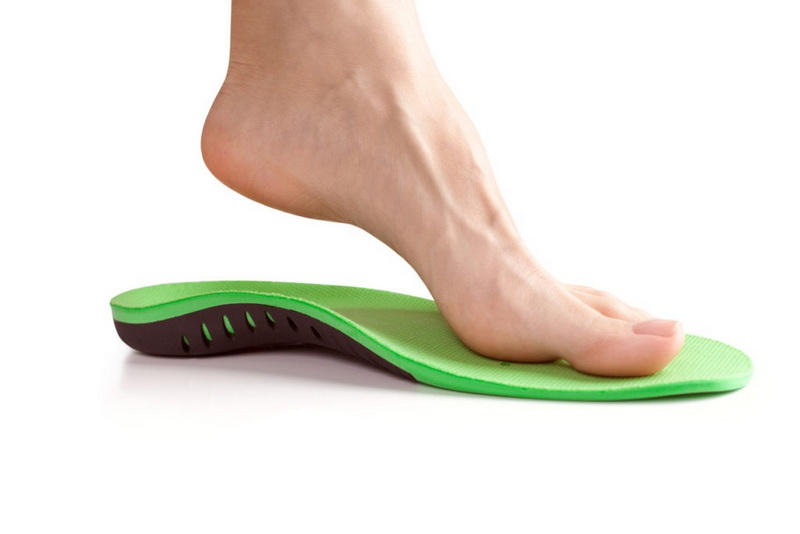
Orthotic inserts modify how forces pass through the feet by reshaping contact with the shoe and ground, which changes pressure distribution and motion patterns. They guide the foot toward a more neutral position, reducing abnormal stresses on joints, ligaments, and muscles.[10][5][2][4]
Yes, because the feet are the foundation of the body, better foot alignment can influence knee, hip, and spine mechanics. When the feet are supported correctly, the entire kinetic chain often moves more efficiently, which may reduce pain in higher joints.[5][6][11]
Custom orthotics are generally more effective for complex or chronic problems because they are molded to individual foot shape and gait mechanics. Off-the-shelf insoles can still provide useful cushioning and support for mild discomfort but may not correct specific biomechanical issues.[8][7][1]
Some people feel improvement in comfort and support within days, while others need several weeks as the body adapts to the new alignment. Providers often recommend a gradual break-in schedule to allow muscles and joints to adjust safely.[6][2][9][7]
Orthotic inserts are suitable for people with foot pain, flat feet, high arches, diabetic foot risk, arthritis, or frequent sports-related injuries. They are also useful for workers who stand for long hours and anyone seeking better comfort, balance, and shock absorption in daily footwear.[3][6][7][8]
[1](https://foothealthcentre.co.uk/the-science-of-biomechanics-how-orthotic-insoles-can-make-a-difference/)
[2](https://www.orthoticsolutionspodiatry.com.au/blog/how-do-orthotics-work)
[3](https://elgeaditraumatologia.com/en/benefits-of-orthotic-insoles/)
[4](https://pmc.ncbi.nlm.nih.gov/articles/PMC3924916/)
[5](https://masterfitinc.com/the-science-behind-shoe-insoles-how-they-support-foot-health/)
[6](https://www.northparkpodiatry.com/post/pain-relief-improved-mobility-injury-prevention-and-more-10-benefits-of-custom-orthotics)
[7](https://my.clevelandclinic.org/health/treatments/orthotics)
[8](https://klmlabstore.com/blogs/blog/4-long-term-benefits-of-using-custom-orthotic-inserts)
[9](https://www.illinoisfoot.com/blog/the-power-of-custom-orthotics)
[10](https://pmc.ncbi.nlm.nih.gov/articles/PMC7273675/)
[11](https://www.stcloudfootankle.com/faqs/sports-orthotics-athletic-performance.cfm)
[12](https://www.footandanklecentersofsj.com/blog/8-great-benefits-of-custom-orthotics-you-must-know)
[13](https://bellagiofootankle.com/the-science-of-shoe-inserts-how-orthotics-can-change-your-life/)
[14](https://pmc.ncbi.nlm.nih.gov/articles/PMC3050944/)
[15](https://www.youtube.com/watch?v=tFIt7pc_uL0)


