
Views: 222 Author: Edvo Publish Time: 2026-01-16 Origin: Site


Content Menu
● Understanding the Two Types: 3/4 vs. Full Inserts
● Comparing the Two: Key Differences
● When to Use a 3/4 Orthotic Insert
>> Ideal for Dress and Tight-Fitting Shoes
>> Focused Relief for Arch and Heel Pain
>> Lightweight for Daily Transitions
>> Best for Mild or Preventative Needs
● When to Use a Full Orthotic Insert
>> Perfect for Long Hours Standing or Walking
>> Suitable for Athletes and Active Individuals
>> Designed for Medical or Corrective Use
>> Compatible with Work Boots and Safety Shoes
● Materials Used in Orthotic Manufacturing
>> Factors to Consider in Material Selection
● Biomechanical and Health Benefits of Orthotic Inserts
● Customization and OEM Opportunities
>> OEM and ODM Services Typically Include:
● How to Choose Between the Two
>> 1. Analyze Your Shoe Collection
>> 4. Consider Lifestyle Flexibility
>> 5. Consult Experts When Necessary
● Environmental and Sustainability Trends
● Future Development in Orthotic Design
● FAQ
>> 1. What is the primary role of an orthotic insert?
>> 2. Can I use 3/4 orthotics in loose-fitting shoes?
>> 3. How long does it take to adjust to new orthotics?
>> 4. Do orthotic inserts work for flat feet?
>> 5. How can manufacturers ensure quality for OEM orthotic production?
Orthotic inserts have become essential elements in modern footwear design. They are not only medical solutions for specific foot conditions but also comfort enhancers for daily wear and professional performance. Whether you are an athlete seeking extra stability, a worker standing all day, or simply someone who wants to walk more comfortably, orthotic inserts can make an enormous difference.
Among the most common questions in this field is: Should I choose a 3/4 orthotic insert or a full orthotic insert? Both serve similar purposes—support, pressure distribution, and pain relief—but their structures and results differ. Understanding their unique benefits helps consumers, footwear designers, and OEM partners make informed decisions that improve comfort, durability, and overall foot health.
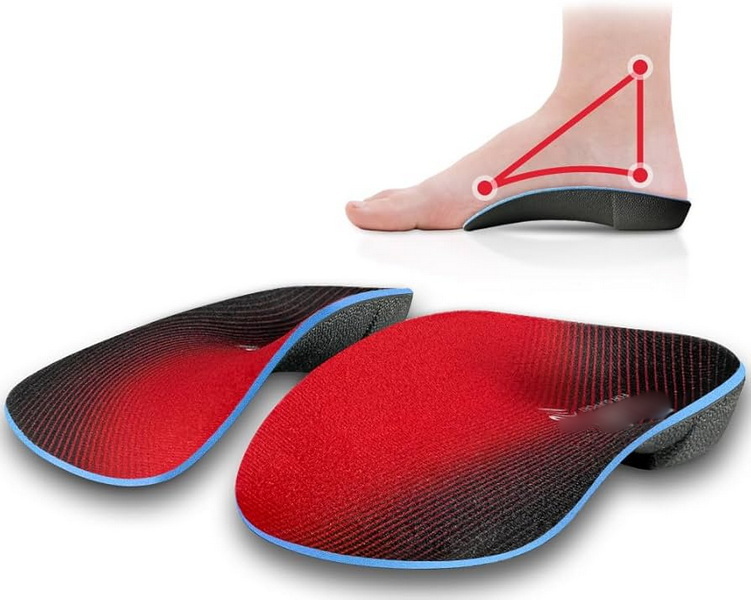
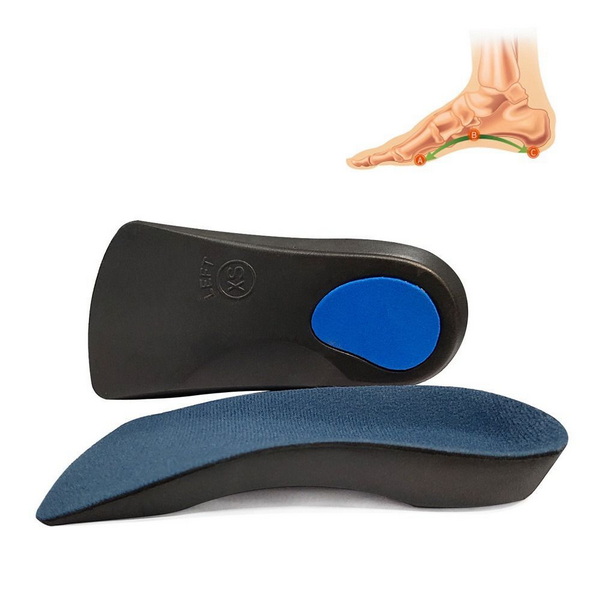
Orthotic inserts, sometimes called insoles or footbeds, are specially designed interior layers placed inside shoes to align and support the foot. They help control motion, distribute pressure, and absorb shock. Some are custom-made by specialists, while others are pre-fabricated for general comfort or performance enhancement.
These inserts are widely used to address problems such as:
- Flat feet and fallen arches
- Plantar fasciitis and heel pain
- Overpronation or supination
- Ball-of-foot pain and metatarsalgia
- Poor posture or uneven gait
Depending on their structure, they can be categorized into 3/4 orthotics and full-length orthotics—each offering unique advantages.
A 3/4 orthotic covers from the heel to just before the metatarsal heads (ball of the foot). It focuses on stabilizing the heel and supporting the arch. Because it stops before the toes, it provides extra space for natural toe movement and fits into more compact footwear.
This type is lightweight, easy to switch between shoes, and ideal for people who experience pain primarily around the arch or heel.
By contrast, a full orthotic runs the entire length of the shoe. It supports the heel, arch, and forefoot simultaneously. This all-around support provides better shock absorption and more even pressure distribution, reducing fatigue during long periods of standing or walking.
Full orthotics are commonly used by athletes, active professionals, and people with chronic foot conditions that require continuous, structural support.
While both types aim to enhance foot comfort and performance, they differ in several important aspects:
- Coverage: The 3/4 insert supports partial foot zones, while the full insert covers the entire sole.
- Flexibility: The 3/4 version is easier to move between shoes; the full version is generally fixed in one pair.
- Comfort level: Full orthotics provide continuous cushioning, while 3/4 types focus on targeted support.
- Fit: 3/4 inserts are ideal for smaller, tighter shoes; full ones work best in sneakers, boots, or orthopedic footwear.
- Application: 3/4 for occasional or stylish wear; full for sports, medical, or industrial use.
Both are valuable; the right choice depends on user needs, shoes, and lifestyle.
For formal or fashion footwear, such as heels, loafers, or business shoes, a full insole often doesn't fit. A 3/4 insert slides in comfortably without crowding the toes, maintaining the intended shoe shape while providing necessary heel and arch support.
If discomfort is concentrated in the heel area or the inner arch, a 3/4 insert provides precisely targeted cushioning and support. It helps reduce tension on the plantar fascia—a common source of heel and arch pain—without taking over the forefoot space.
People who frequently change footwear throughout the day—moving between indoor shoes, office shoes, and sneakers—find 3/4 inserts more practical. They can easily transfer between pairs, making them a convenient everyday support option.
Users who want gentle arch correction, extra support for walking, or slight enhancement in posture choose 3/4 insoles. They are often recommended for people without severe symptoms but who want to prevent future problems caused by long-term foot strain.
Workers in healthcare, hospitality, or retail industries spend extended hours on their feet. Full orthotics distribute pressure evenly from heel to toe, preventing soreness and promoting balance. They also reduce cumulative stress on joints like knees and hips.
High-impact activities like running, basketball, or hiking create continuous strain on foot muscles and joints. Full inserts enhance shock absorption and stability, improving athletic performance and reducing the risk of injury.
Patients with conditions like flat feet, diabetic neuropathy, bunions, or chronic heel pain benefit from full coverage orthotics. They correct gait alignment and reduce friction points that can lead to calluses or ulcers. In medical-grade footwear, these inserts are often semi-rigid or custom-engineered for therapeutic results.
Full-length insoles integrate well with industrial footwear that already has removable factory insoles. They provide cushioning during heavy tasks, making them the first choice among construction workers, engineers, and warehouse staff.
The performance of orthotic inserts heavily depends on the materials used. Manufacturers, especially those offering OEM and private-label production, select materials according to the client's product category, usage scenario, and price positioning.
- EVA Foam – Lightweight, flexible, and cost-effective; perfect for casual footwear.
- PU Foam (Polyurethane) – More durable and resilient, offering long-term comfort.
- Gel or Silicone – Provides superior shock absorption and a soft, bouncy feel.
- Carbon Fiber or TPU Shells – High-strength materials used for structural arch support and motion control.
- Memory Foam Layers – Offer plush, adaptive comfort for luxury or orthopedic designs.
- Antimicrobial Fabrics – Used for odor control and sweat absorption.
Selecting the proper combination of base foam, reinforcement layer, and top fabric determines durability, flexibility, and support. For example, athletic inserts often combine a PU base with a gel heel pad and a breathable mesh top cover. Work boot insoles may use a harder EVA bottom layer for stability with a softer mid-foam for cushioning.
By supporting natural foot alignment, orthotic inserts provide a wide range of functional and health benefits.
- Correct Posture and Gait
Proper arch elevation prevents overpronation and supination, leading to balanced walking patterns.
- Pain Relief and Injury Prevention
Orthotics distribute pressure evenly, helping reduce strain in arches, heels, and metatarsals.
- Shock Absorption for Joints
Shock-dampening materials protect knees, hips, and lower back from repetitive impact during movement.
- Enhanced Athletic Performance
Better stability and energy return can improve running and jumping efficiency.
- Long-term Preventive Health
Continuous use of proper orthotics can mitigate the development of chronic foot or leg disorders.
As a professional shoe insert manufacturer in China, offering both 3/4 and full orthotic models enables broader international market coverage. Different distributors and brand owners prefer unique designs to fit their regional consumer preferences.
- Tailored molds for arch heights and heel cup shapes.
- Variable hardness levels (soft, medium, firm) depending on function.
- Custom colors, patterns, and surface materials.
- Logo embossing, printing, or labeling for private branding.
- Packaging in retail boxes or polybags with customer barcodes.
- Product testing and certifications (e.g., CE, REACH, ISO quality control).
Such flexibility allows clients to differentiate their brands, whether they target sportswear, orthopedic medical products, or fashion footwear lines.
Evaluate the types of shoes you wear most often. If tight-fitting style is common, 3/4 inserts are more practical; if you frequently wear sneakers or boots, full inserts deliver complete support.
Heel and arch discomfort indicate 3/4 support is needed, while pain that extends to the forefoot suggests full orthotic coverage.
For sports, high walking mileage, or jobs involving constant standing, full inserts are the most effective choice. For light, casual wear, 3/4 inserts are sufficient.
Frequent travelers or professionals who switch footwear often should use 3/4 models for ease of portability.
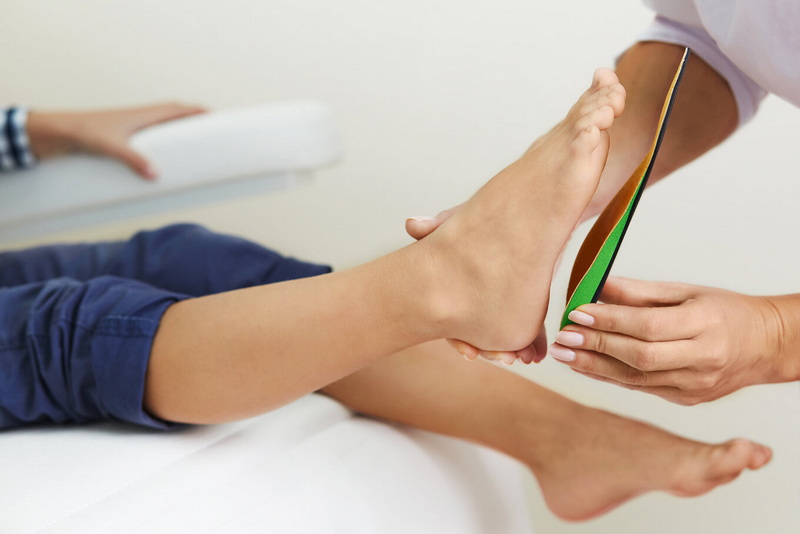
Individuals with medical conditions should seek advice from podiatrists or orthopedists before selecting a model. Proper assessment ensures that the orthotic truly matches anatomical needs.
To maximize the lifespan of orthotic inserts:
- Remove them from your shoes daily to let them air dry.
- Clean with mild soap and lukewarm water; avoid soaking.
- Do not expose to direct sunlight or high heat.
- Replace insoles every 6–12 months or when cushioning noticeably decreases.
- Rotate multiple pairs for better hygiene and consistent support.
A well-maintained orthotic can significantly prolong shoe life and comfort quality.
Many international buyers now emphasize eco-friendly production. Modern orthotic factories respond by adopting:
- Recycled EVA or TPU materials to minimize waste.
- Water-based glue systems instead of solvent-based adhesives.
- Biodegradable packaging for retail products.
- Energy-efficient molding equipment for carbon reduction.
These sustainability measures not only meet international compliance requirements but also attract environmentally conscious brands and consumers in Europe and North America.
Technological innovation continues to redefine footwear comfort. The future of orthotic inserts focuses on:
- Smart Insoles: Embedded sensors to monitor walking patterns and foot pressure.
- 3D-printed Orthotics: Personalized shape mapping for perfect anatomical fit.
- Dual-density Foam Systems: Combining firm arch support with soft cloud-like comfort.
- Slim-profile Ergonomic Designs: Thinner yet equally effective insoles suitable for minimalist shoes.
- Temperature Control Layers: Breathable fabrics that regulate heat and moisture.
As global demand for health-oriented and ergonomic footwear grows, flexible OEM producers capable of offering advanced customization will maintain a strong competitive edge.
Both 3/4 orthotic inserts and full orthotic inserts play critical roles in ensuring comfort, posture alignment, and long-term foot health.
A 3/4 orthotic offers portability, lightness, and targeted heel-arch support ideal for office, dress, or casual use. Meanwhile, a full orthotic ensures all-around coverage, making it indispensable for sports, medical, or industrial footwear. Each type meets a distinct set of needs, and together they form the foundation of modern ergonomic footwear design.
For OEM and global distribution, developing both product categories allows manufacturers to meet diverse consumer demands across continents. With advanced material innovation, sustainable production, and personalized design options, the orthotic insert industry will continue expanding its role in protecting and empowering every step.
It provides biomechanical support, helping align the foot and ankle correctly. By doing so, it reduces fatigue, prevents injury, and enhances comfort through even weight distribution.
They can be used, but users might experience minor sliding if the shoe is not snug. A full insert offers better stability in roomier footwear.
Most users adapt within one to two weeks. Start by wearing them for a few hours daily and gradually increase duration as your feet become accustomed to the new posture alignment.
Yes. Both 3/4 and full inserts can help support flat arches. However, full orthotics with structured arch support provide better correction for moderate to severe flat feet.
They follow strict inspection procedures—checking hardness, bonding durability, cushioning rebound, and dimensional consistency before shipment. Consistent testing ensures reliable performance for global clients.


