
Views: 222 Author: Edvo Publish Time: 2026-01-20 Origin: Site


Content Menu
● What Medicare Usually Means by Orthotic Inserts
● When Medicare Part B Pays for Orthotic Insoles
● Diabetes, Foot Disease, and Eligibility
● How Much Medicare Pays for Orthotic Insoles
● Original Medicare vs. Medicare Advantage
● Which Orthotic Insoles Are Not Covered?
● Orthotic Insoles Classified as Braces
● Practical Steps to Get Medicare-Covered Orthotic Insoles
● Why High-Quality Orthotic Insoles Matter
● Clinical Assessment and Documentation for Orthotic Insoles
● Common Foot Conditions That May Need Orthotic Insoles
● Role of Podiatrists and Orthotists in Fitting Orthotic Insoles
● Medicare Coding and Compliance for Orthotic Insoles
● Differences Between Custom and Prefabricated Orthotic Insoles
● Financial Planning and Alternatives if Orthotic Insoles Are Not Covered
● Working With an OEM Orthotic Insole Manufacturer
● FAQ About Medicare and Orthotic Insoles
>> 1. Does Medicare cover all types of Orthotic Insoles?
>> 2. How often can I get Medicare-covered Orthotic Insoles?
>> 3. What will my out-of-pocket cost be for Orthotic Insoles?
>> 4. Do I need a prescription for Medicare to pay for Orthotic Insoles?
>> 5. Can Medicare Advantage plans offer better coverage for Orthotic Insoles?
Medicare can pay for certain Orthotic Insoles and therapeutic shoe inserts, but only when they are medically necessary, properly prescribed, and you meet strict eligibility rules, most often related to diabetes or serious foot disease. Even when Orthotic Insoles are covered, you still share costs through the Part B deductible and 20% coinsurance in most situations.
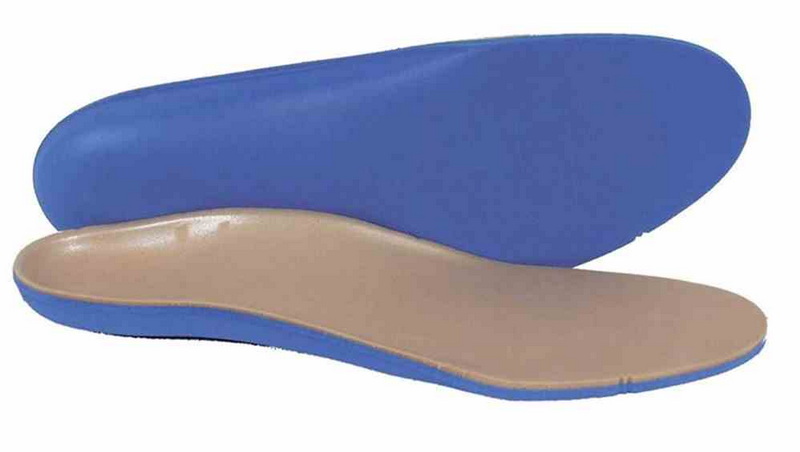
When people ask whether Medicare will pay for Orthotic Insoles, the question usually refers to therapeutic shoe inserts and custom-molded or extra-depth shoes used to treat diabetes-related foot problems or serious deformities. In official language, Medicare uses terms such as “therapeutic shoes and inserts” or “orthotics” and ties coverage to very precise coding and clinical rules.
Orthotic Insoles in this sense are not simple cushioning pads from a pharmacy, but medical-grade devices designed to correct alignment, redistribute pressure, and prevent ulcers or joint damage. These Orthotic Insoles are viewed as durable medical equipment or orthotic braces and must meet rigid or semi-rigid criteria to qualify for reimbursement.
Medicare Part B is the part of Medicare that most often pays for Orthotic Insoles, therapeutic shoe inserts, and related orthotic devices. Coverage is available only when Orthotic Insoles are prescribed as medically necessary by a Medicare-enrolled physician or qualified provider and supplied by a Medicare-enrolled supplier.
Typical Part B coverage for Orthotic Insoles and shoes includes one pair of custom-molded shoes with inserts plus two extra pairs of inserts per year, or one pair of extra-depth shoes plus three pairs of inserts per year. These Orthotic Insoles must be fitted and furnished according to Medicare's rules, and you must meet clinical criteria such as diabetes with severe foot disease or other qualifying conditions.
Medicare clearly states that Part B covers therapeutic shoes and inserts if you have diabetes and severe diabetes-related foot disease, certified by your treating doctor. For people living with neuropathy, calluses, deformities, or a history of ulcers, Orthotic Insoles can be covered because they help prevent serious complications and amputations.
To qualify, your diabetes-treating physician must document your diagnosis and specific foot risk factors, then another qualified provider (often a podiatrist) must prescribe the Orthotic Insoles and therapeutic shoes. The documentation must clearly show why these Orthotic Insoles are medically necessary for protection, pressure relief, and ulcer prevention.
Under Part B, once you meet the annual deductible, Medicare generally pays 80% of the approved amount for Orthotic Insoles and therapeutic shoes, and you pay the remaining 20% coinsurance. This means that Orthotic Insoles are not free, but Medicare can significantly reduce your out-of-pocket cost if you qualify.
Medicare's approved amount for a pair of therapeutic shoes is typically defined in its official fee schedule, while approved amounts for each pair of inserts vary depending on the type and code used. You still pay your 20% share of those approved amounts for Orthotic Insoles after the deductible, and any additional upgrades or non-covered options are fully out of pocket.
Original Medicare (Part A and Part B) sets the basic national rules for Orthotic Insoles coverage, including diabetic shoes, therapeutic inserts, and qualifying lower-extremity orthotics. Many people then choose Medigap policies to help cover part of the 20% coinsurance they would otherwise pay for Orthotic Insoles.
Medicare Advantage (Part C) plans must provide at least the same level of coverage for Orthotic Insoles as Original Medicare, but they can apply different networks, copays, and prior authorization rules. Some Advantage plans offer enhanced benefits that may reduce cost-sharing or provide broader Orthotic Insoles coverage, so beneficiaries should check their Evidence of Coverage for details.
Medicare law does not allow payment for non-brace orthoses that are mainly for comfort, sports performance, or convenience, which excludes many over-the-counter insoles from coverage. Simple cushioning inserts, arch supports bought online, or fashion-oriented Orthotic Insoles without documented medical necessity are usually not reimbursed.
In addition, Orthotic Insoles used in ordinary shoes for mild aches or general comfort, without qualifying diagnoses, are considered routine and must be paid entirely out of pocket. If the device does not function as a rigid or semi-rigid brace to support or restrict motion in a diseased or injured body part, it usually does not qualify as a covered orthotic under Medicare rules.
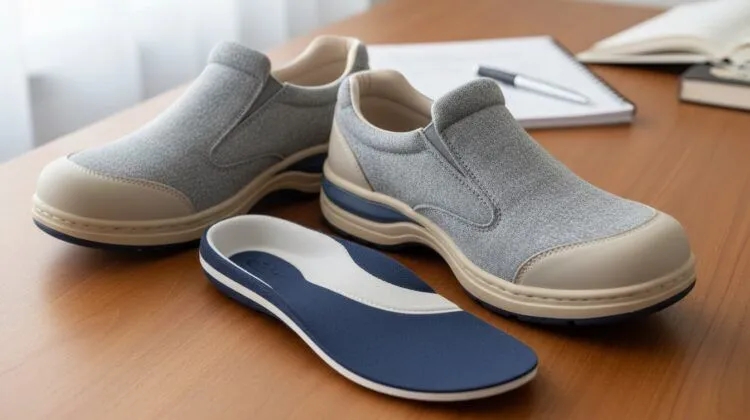
Beyond diabetic footwear, Medicare also covers ankle-foot orthoses and knee-ankle-foot orthoses as braces when they are medically necessary to stabilize weak limbs or joints. These devices often incorporate Orthotic Insoles as part of a larger brace system that supports alignment, prevents collapse, and improves gait.
For these brace-type Orthotic Insoles, the same Part B rules apply: the device must be prescribed, medically necessary, and ordered by a Medicare-enrolled provider, with fitting through an approved supplier. The patient pays the Part B deductible and typically 20% of the Medicare-approved amount for these Orthotic Insoles and brace components.
People who believe they may qualify for covered Orthotic Insoles should start by scheduling an appointment with their primary doctor or diabetes-treating physician. At this visit, they should discuss foot symptoms, previous ulcers, deformities, neuropathy, and any difficulty walking that might justify Orthotic Insoles.
If criteria are met, the doctor can certify medical necessity and refer the patient to a podiatrist, orthotist, or other qualified specialist for measurement and fitting of appropriate Orthotic Insoles and shoes. Patients should also verify that the supplier is properly enrolled in Medicare and that the specific Orthotic Insoles are billed with approved codes so that claims are not denied.
Properly designed Orthotic Insoles can improve alignment, distribute pressure across the foot, and protect vulnerable areas from friction and impact. For people with diabetes, neuropathy, or severe deformities, medical-grade Orthotic Insoles significantly reduce the risk of ulcers, infections, and amputations, which is why Medicare targets coverage to these high-risk groups.
For older adults with arthritis or balance problems, well-fitted Orthotic Insoles can enhance stability and comfort while walking, potentially lowering fall risk. Even beyond strictly covered indications, many users find that custom or semi-custom Orthotic Insoles help them stay active and independent longer.
A thorough clinical assessment is essential before Orthotic Insoles are prescribed under Medicare. Providers usually evaluate gait, foot structure, skin condition, sensation, joint motion, and the presence of deformities or previous ulcerations. This assessment helps determine what type of Orthotic Insoles are needed and whether the patient meets Medicare's medical necessity criteria.
Documentation must include a clear diagnosis, objective findings, and a specific treatment plan that justifies Orthotic Insoles. Physicians often describe how Orthotic Insoles will redistribute pressure, prevent breakdown, and improve function, connecting these benefits to the patient's individual risk factors. Without this level of detail, claims for Orthotic Insoles are more likely to be denied.
Many lower-extremity problems can benefit from Orthotic Insoles when they are appropriately designed and fitted. Common examples include diabetic neuropathy, plantar fasciitis, flat feet, high arches, metatarsalgia, arthritis, and post-surgical foot changes. In these situations, Orthotic Insoles can help control abnormal motion, cushion sensitive areas, and improve alignment.
For Medicare-aged adults, conditions such as diabetic neuropathy and arthritis are especially important because they combine altered sensation with mechanical stress. Orthotic Insoles used in this population focus on offloading high-pressure regions, stabilizing joints, and preventing skin breakdown. When these clinical needs are clearly documented, Orthotic Insoles are more likely to qualify for coverage.
Podiatrists and certified orthotists play a crucial role in evaluating, prescribing, and fitting Orthotic Insoles for Medicare beneficiaries. They translate the physician's diagnosis and treatment goals into a specific orthotic design, including arch profile, posting, materials, and top cover. By doing so, they ensure that Orthotic Insoles are both medically effective and comfortable to wear.
During the fitting process, these specialists may use casting, digital scanning, or templating to capture the exact shape of the foot. Follow-up visits are often needed to fine-tune Orthotic Insoles, adjust pressure points, or modify shoe fit. Proper follow-up is important because poorly fitted Orthotic Insoles can create new problems rather than solving existing ones.
Accurate coding is essential to receiving payment for Orthotic Insoles under Medicare. Each type of device is associated with specific Healthcare Common Procedure Coding System (HCPCS) codes that describe its construction, materials, and function. Suppliers must match their Orthotic Insoles to the correct codes and ensure that the product design actually meets those definitions.
In addition to coding, suppliers must comply with documentation and recordkeeping requirements. Invoices, proof of delivery, fitting notes, and physician orders all need to be maintained in case of audit. For Orthotic Insoles used under the diabetic shoe program, extra forms and certifications are often required. Strict compliance helps prevent claim denials and repayment demands.
Orthotic Insoles can be grouped roughly into two categories: custom-molded and prefabricated. Custom Orthotic Insoles are designed from impressions or scans of the patient's feet and tailored to their specific anatomy and pathology. Prefabricated Orthotic Insoles are mass-produced but may still be medical-grade and available in multiple sizes and arch shapes.
Medicare's coverage rules often distinguish between these two types, with stricter criteria for custom Orthotic Insoles. Custom devices usually require more detailed documentation and may be indicated for more complex deformities or severe risk profiles. Prefabricated Orthotic Insoles can be appropriate for less complicated conditions but still need a valid prescription and medical necessity justification.
Not every patient will qualify for Medicare coverage of Orthotic Insoles, and some may face higher out-of-pocket costs than expected. In these cases, it is helpful to ask suppliers for detailed quotes before proceeding, including the full cost of Orthotic Insoles, fitting services, and follow-up visits. Patients can then decide whether to proceed, seek supplemental insurance, or look for lower-cost options.
Some clinics and community programs offer discounts, payment plans, or financial assistance for patients who need Orthotic Insoles but cannot afford them. In addition, certain over-the-counter Orthotic Insoles, while not covered by Medicare, may still provide meaningful support at a lower price point. Discussing these alternatives with a provider can help patients choose the most practical option for their situation.
Footwear brands, wholesalers, and healthcare product distributors who serve Medicare-aged customers often partner with specialized OEM manufacturers to develop compliant Orthotic Insoles that meet clinical and coding standards. These OEM partners help design product lines that align with coding guidance, approved materials, and therapeutic footwear specifications used in the diabetic shoe program.
For global buyers sourcing Orthotic Insoles from China, a strong OEM manufacturer can offer customized arch profiles, densities, and top covers tailored for diabetic footwear, arthritis support, or general orthopedic use. By co-developing Orthotic Insoles that support both clinical performance and branding, importers can better serve clinics, podiatry offices, and specialty retailers that manage Medicare patients.
Medicare does pay for Orthotic Insoles in specific situations, but it does not cover every foot insert on the market for every beneficiary. Coverage is largely focused on therapeutic shoes and Orthotic Insoles for people with diabetes and severe foot disease, or for patients needing brace-type orthotics for serious musculoskeletal problems.
To access these benefits, patients must meet clinical criteria, obtain proper prescriptions, use Medicare-enrolled suppliers, and follow documentation rules. Even when Orthotic Insoles are approved, beneficiaries usually pay the Part B deductible and 20% coinsurance unless they have supplemental coverage to help with these costs. For brands and distributors, working with experienced OEM Orthotic Insoles manufacturers makes it easier to deliver compliant, high-quality products to this growing senior market.
Contact us to get more information!
No, Medicare does not cover all types of Orthotic Insoles. Over-the-counter comfort inserts or sports insoles are generally excluded because they are considered routine or convenience items. Medicare mainly covers medically necessary therapeutic shoes and inserts for people with diabetes and severe foot disease, or brace-type orthotics ordered by a physician.
Eligible beneficiaries can usually receive one pair of therapeutic shoes per calendar year plus an annual allowance of several pairs of inserts. The standard pattern is one pair of custom-molded shoes with multiple pairs of Orthotic Insoles, or one pair of extra-depth shoes with a higher number of Orthotic Insoles. Exact limits depend on the category of shoe and insert.
Under Part B, you first pay the annual deductible, after which Medicare pays 80% of the approved amount for Orthotic Insoles and you pay the remaining 20%. If you have a Medigap policy or certain Medicare Advantage plans, those policies may reduce your share of the cost. You are responsible for any extras that are not considered medically necessary.
Yes. Medicare requires a prescription and proper documentation from a Medicare-enrolled doctor or other qualified provider before it will pay for Orthotic Insoles. For diabetic therapeutic shoes and Orthotic Insoles, your diabetes-treating physician must certify medical need, and a podiatrist or similar specialist typically completes the order and fitting.
Medicare Advantage plans must at least match Original Medicare's benefits for Orthotic Insoles, but some plans offer lower copays or broader coverage. Because each plan is different, you should review your plan documents or call customer service to see how Orthotic Insoles are covered and which in-network suppliers you must use. This helps avoid unexpected bills.
https://www.medicare.org/articles/does-medicare-cover-orthotics/
https://www.medicare.gov/coverage/therapeutic-shoes-inserts
https://www.medicalnewstoday.com/articles/does-medicare-cover-orthotics
https://www.healthline.com/health/medicare/does-medicare-cover-orthotics
https://www.gohealth.com/medicare/coverages-benefits/medical-equipment-and-supplies/orthotics/
https://www.medicareresources.org/glossary/orthotics/
https://www.medicare.gov/publications/11022-medicare-coverage-of-diabetes-supplies-services-and-prevention-programs
https://www.mutualofomaha.com/advice/medicare/medicare-coverage/does-medicare-cover-podiatry-and-orthotics
https://www.mairagency.com/blog/does-medicare-cover-diabetic-shoes/
https://www.cms.gov/medicare-coverage-database/view/article.aspx?articleId=52501


