
Views: 222 Author: Edvo Publish Time: 2025-11-20 Origin: Site


Content Menu
● What Are Orthotic Shoe Inserts?
● Siemens Anthem BCBS Orthotic Coverage Explained
● Key Determinants of Coverage
>> Medical Necessity and Documentation
>> Durable Medical Equipment (DME) Classification
>> Plan Limitations and Exclusions
● Repair and Replacement Coverage
● Steps to Successfully Obtain Orthotic Coverage
>> 1. Initial Consultation and Evaluation
>> 2. Securing the Prescription
>> 3. Pre-Authorization Process
>> 4. Choosing the Right Supplier
>> 5. Filing an Insurance Claim
● Maximizing Your Insurance Benefits
>> Coverage for Diabetic Patients
>> Pediatric and Orthopedic Conditions
>> Workers' Compensation and Accident-Related Claims
● Common Challenges and How to Overcome Them
>> Denials Due to Lack of Medical Necessity
>> Exclusions and Frequency Limitations
● Practical Tips for Siemens Employees
● Frequently Asked Questions (FAQ)
>> 1. What documentation is necessary for Anthem BCBS to cover orthotic shoe inserts?
>> 2. Are over-the-counter shoe insoles typically reimbursed?
>> 3. How long does the approval and reimbursement process take?
>> 4. Can I get more than one pair of orthotics covered within a year?
>> 5. What if my orthotics are lost, stolen, or damaged?
Orthotic devices, particularly shoe inserts, play a crucial role in alleviating pain, correcting foot deformities, and improving the overall mobility of those with specific medical conditions. For employees of Siemens or affiliates covered under Anthem Blue Cross Blue Shield (BCBS), understanding the insurance details surrounding orthotics can be essential in managing both healthcare outcomes and personal finances. This detailed article investigates coverage policies, eligibility, application processes, and practical tips for maximizing benefits when seeking reimbursement for shoe orthotics.
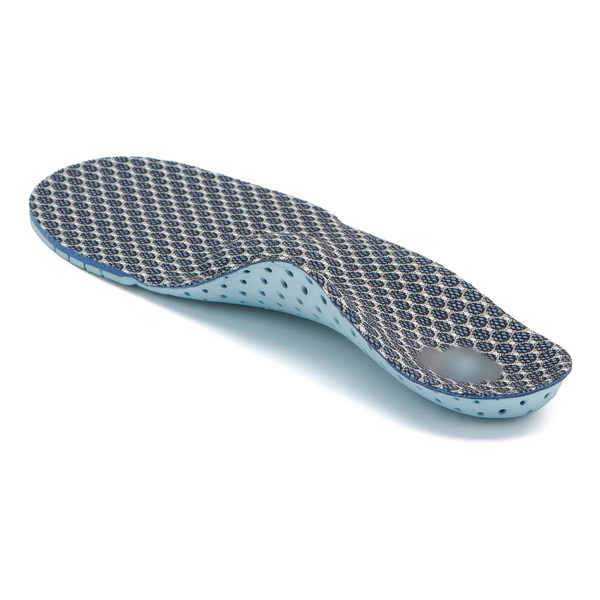
Orthotic shoe inserts, commonly known as orthotics, are custom or pre-fabricated devices designed to support, align, and enhance the function of the feet and lower limbs. These inserts are frequently prescribed for conditions such as plantar fasciitis, flat feet, overpronation, foot drop, diabetes-related complications, and arthritis. Unlike generic insoles, orthotics are typically tailored to individual medical needs, providing specific support as identified through medical evaluations.
The coverage for orthotic devices under Siemens's Anthem BCBS group plan can vary based on plan options, medical necessity, diagnosis, and adherence to required procedures. Generally, the most important elements determining coverage include:
- The orthotic device must be prescribed by a physician or qualified healthcare provider.
- Medical necessity must be established through documented clinical findings.
- In many cases, pre-authorization from Anthem BCBS is required before the device can be dispensed.
- Custom orthotics are more likely to be covered than over-the-counter alternatives.
Plans designed for Siemens employees may also contain specific benefits or exclusions negotiated between the employer and the insurer.
Medical necessity is the cornerstone for approval of orthotic shoe inserts. Physicians must conduct an examination, make a documented diagnosis, and issue a prescription explicitly stating the need for orthotics. Supporting documentation may include clinical notes, imaging results, gait analysis, or biomechanical assessments. The diagnosis must clearly indicate that symptoms cannot be alleviated through less costly or less invasive treatments.
A prescription is required from a licensed healthcare provider, usually a podiatrist, orthopedist, or primary care provider. The physician must:
- Clearly state the medical reason for orthotic recommendation.
- Link the device to the patient's specific diagnosis.
- Provide supporting clinical documentation for claims review.
Orthotic devices often fall under the category of Durable Medical Equipment (DME) within Anthem BCBS. Coverage typically depends on whether the orthotic serves a medical function, has a reasonably long useful life, and is primarily used to treat a diagnosed medical condition. DME coverage generally excludes ordinary comfort items.
Not every plan covers all types of orthotics. Generally, Anthem BCBS does not cover:
- Over-the-counter (OTC) insoles, arch supports, or shoe lifts.
- Orthotics obtained without a valid prescription.
- Custom orthotics for purely preventative, cosmetic, or non-medical reasons.
- Devices obtained from out-of-network providers, unless prior authorization is secured.
Anthem BCBS reimburses for repairs if the orthotic device becomes unserviceable and is out of warranty. Replacement may also be covered in several scenarios:
- Patient experiences a significant change in health status.
- There is permanent or accidental damage to the orthotic.
- The device suffers irreparable wear after several years of use.
- Growth or weight changes require a new device.
However, repairs or replacements are usually not covered due to abuse, neglect, or within the original warranty period.
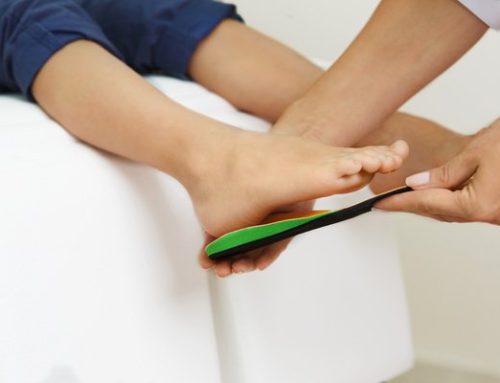
Begin by scheduling an appointment with a qualified healthcare professional who can assess your condition and determine whether orthotic therapy is appropriate. During the appointment:
- Provide a history of foot pain, injury, or medical conditions.
- Undergo a biomechanical exam and gait analysis.
- Request a detailed clinical note supporting an orthotic prescription.
Your physician will write a prescription for the recommended device, specifying custom or prefabricated orthotics as medically necessary for your diagnosis.
Many Anthem BCBS plans require pre-authorization before dispensing custom orthotics. Your physician or orthotics supplier should submit the prescription, medical documentation, and any supporting evidence to the insurer for approval. Ensure all paperwork is submitted in a timely and organized fashion to avoid delays or denials.
Verify that your chosen supplier or orthotics practitioner is within the Anthem network. In-network providers are critical for maximum reimbursement and reduced out-of-pocket expenses. Out-of-network providers may not be covered or could incur significant cost-sharing.
After receiving your orthotic device, obtain itemized receipts and a written statement from the supplier. Submit these documents, along with your prescription and pre-authorization approval, through Anthem's claims process—either electronically or by mail.
Keep copies of all communications, claims, prescriptions, and receipts. These will be vital if you need to appeal a denied claim or request a repair or replacement in the future.
- Communicate regularly with your healthcare provider and your insurer to verify benefits and coverage requirements.
- Use Health Savings Accounts (HSA) or Flexible Spending Accounts (FSA) for qualified orthotic expenses not covered by insurance.
- Familiarize yourself with your plan's annual DME limits and frequency restrictions (for example, some plans cover one pair every two years).
- Follow up with Anthem BCBS after submitting a claim to ensure timely processing and to resolve any issues promptly.
- If coverage is denied, use your right to appeal. Provide additional documentation or expert opinions as necessary. Anthem BCBS has a formal appeals process and must reconsider claims if new information is presented.
Patients with diabetes and related foot complications are often eligible for enhanced orthotic coverage. This category typically includes:
- Custom-molded shoes and inserts for Medicare-eligible patients with Medicare-aligned coverage.
- Off-the-shelf depth shoes for preventive care.
- Documentation of qualifying factors such as neuropathy, ulcer risk, or foot deformity.
Children with developmental or congenital deformities may qualify for custom orthotics if prescribed as part of a treatment plan by a pediatric orthopedist or specialized provider. Additional documentation regarding projected growth and anticipated device lifespan may be required.
If the need for orthotics arises from a workplace injury or automobile accident, benefits may fall under a separate portion of your Siemens or Anthem policy. Coordination between insurance departments may be needed to avoid duplication or denial of coverage.
A common reason for claim denial is insufficient documentation of medical necessity. Ensure that your provider's notes explain:
- The severity and duration of your condition.
- Previous therapies tried and their outcomes.
- Functional limitations caused by your condition.
- How orthotics are expected to improve functionality or reduce pain.
Read your policy's exclusions carefully. Some policies allow only one pair of orthotics in a 12- or 24-month period. If a replacement is needed sooner due to unforeseen circumstances, provide detailed supporting documentation and, if needed, a letter of explanation from your healthcare provider.
Always confirm provider network status before committing to a supplier or practitioner. If you must use an out-of-network provider due to medical necessity or location, contact Anthem BCBS to request an exception or pre-approval. Document all communications.
If your claim is denied, request a detailed explanation from Anthem BCBS. Address each point raised in the denial letter, supply additional medical records or expert opinions if possible, and file your appeal promptly. Timeframes for appeals are strictly enforced; initiate the process as soon as you receive a denial.
- Attend all scheduled medical appointments and follow up promptly on requests for documentation.
- If you have a unique or complex medical need, request a case manager from Anthem BCBS to assist in coordinating care and expediting claim reviews.
- Contact Siemens HR for specific details about your group benefit design and whether any additional coverage or employee assistance programs apply to orthotics and DME.
- Stay informed about annual open enrollment periods—plan designs and coverage options can change year to year, and employees may need to elect enhanced benefits for the coming coverage period.
Understanding whether Siemens Anthem BCBS covers orthotics for shoes requires careful attention to medical necessity, insurance policy requirements, and diligent documentation throughout the process. Most custom orthotics are covered when prescribed and supported by adequate clinical documentation, but exclusions, limitations, and procedural steps must be observed. Employees are encouraged to collaborate closely with both providers and the insurance carrier to maximize benefits, utilize cost-control options like HSA/FSA accounts, and swiftly address any coverage challenges or appeals. Staying proactive and informed is the key to obtaining the orthotic relief required to restore comfort, mobility, and improved quality of life.
You must have a prescription from a qualified healthcare provider, accompanied by medical records and a letter of medical necessity that justify your need for custom orthotics based on diagnosis and functional impairment.
No. Anthem BCBS usually excludes generic, over-the-counter insoles from coverage because they lack medical specificity and are not tied to documented medical necessity.
Timelines can vary, but most Anthem BCBS plans process pre-authorization within two weeks. After device delivery, claim reimbursement can take up to 30 days based on plan volume and documentation quality.
Generally, most plans restrict coverage to a single pair every 12 to 24 months unless there is a significant change in medical status, growth, or device failure. Additional pairs may require documentation and explanation.
Replacements are usually covered for accidental and permanent damage or theft (theft may require a police report), but not for loss due to neglect or while under warranty. Always check your plan for specific replacement and repair terms.


