
Views: 22 Author: Edvo Publish Time: 2025-10-11 Origin: Site


Content Menu
● What Exactly Are Foam Insoles?
● The Science of Foot Impact and How Foam Helps
● The Different Types of Foam and Their Benefits
>> Memory Foam (Viscoelastic Polyurethane Foam)
>> EVA (Ethylene-Vinyl Acetate)
>> Latex Foam
● When Are Foam Insoles Good for Your Feet? The Benefits
>> Enhanced Comfort and Reduced Fatigue
>> Alleviation of Common Foot Pains
>> Moisture-Wicking and Odor Control
● The Potential Drawbacks and Limitations of Foam Insoles
>> Heat and Moisture Retention
>> Not a Substitute for Medical Orthotics
● How to Choose the Right Foam Insole for You
● The OEM Perspective: Customization is Key
● Frequently Asked Questions (FAQ)
>> 1. How long do foam insoles typically last?
>> 2. Can I wash my foam insoles?
>> 3. What is the difference between memory foam and EVA foam?
>> 4. Are foam insoles suitable for people with diabetes?
>> 5. Can foam insoles help with knee or back pain?
As a leading OEM manufacturer of shoe insoles for global brands, wholesalers, and manufacturers, we are at the forefront of footwear innovation. One of the most common questions we encounter from our partners and, by extension, from consumers worldwide, is: "Are foam insoles good for your feet?"
The answer, like many things in ergonomics and product design, is not a simple yes or no. It's a nuanced "it depends." Foam insoles can be a fantastic solution for comfort, support, and alleviating foot pain, but their effectiveness hinges on the type of foam, the design of the insole, and the specific needs of the wearer. In this comprehensive guide, we will peel back the layers and explore the world of foam insoles from a manufacturing perspective, helping you understand when they are beneficial and when they might not be the best choice.
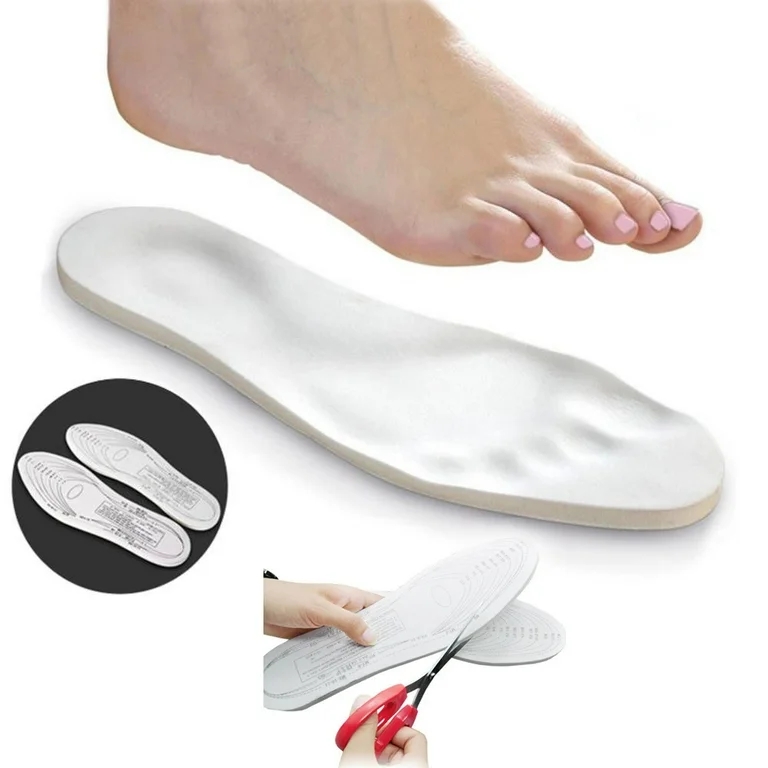
At their core, foam insoles are removable footbeds placed inside footwear, designed to provide additional cushioning, support, and comfort. They are engineered to act as a barrier between your feet and the hard sole of your shoe, absorbing the impact forces generated with every step you take.
The term "foam" encompasses a vast array of materials, each with distinct properties. From the basic polyurethane (PU) foam found in many standard shoes to advanced memory foam, latex foam, and proprietary performance foams like Poron® or EVA (Ethylene-Vinyl Acetate), the material choice is critical to the insole's function.
Walking and running are high-impact activities. With each step, a force equivalent to 1.5 to 3 times your body weight travels up through your feet, ankles, knees, hips, and lower back. Over time, this repetitive stress can lead to discomfort, pain, and long-term joint issues.
This is where foam insoles play a crucial role. They function primarily through two mechanical principles:
- Shock Absorption: The primary job of most foam insoles is to dissipate this impact energy. The foam material compresses under load, converting the kinetic energy of the impact into a small amount of heat energy, thereby reducing the peak force that travels through your skeletal system.
- Pressure Distribution: Foam insoles, especially viscoelastic ones like memory foam, excel at distributing pressure evenly across the entire plantar surface (the sole) of your foot. This prevents excessive pressure points on sensitive areas like the heel and ball of the foot.
Not all foams are created equal. As an OEM manufacturer, we select materials based on the intended use-case of the final product. Here's a breakdown of the most common types:
Memory foam is famous for its slow-rebound, contouring properties. It molds to the exact shape of your foot, providing a custom-fit feel.
- Pros: Excellent pressure distribution, superior comfort for low-impact activities like standing or walking, good for people with bony prominences on their feet.
- Cons: Can retain heat, may lack responsive support for high-energy activities, and can bottom out under heavy loads over time.
EVA is a lightweight, durable, and resilient foam used in everything from budget insoles to premium athletic footwear. It can be compressed and molded into different densities.
- Pros: Lightweight, good all-around shock absorption, relatively inexpensive, and can be engineered for different firmness levels.
- Cons: Can lose its cushioning properties and compact over time (a process called "packing out").
Made from natural or synthetic rubber, latex foam is known for its resilience, breathability, and natural anti-microbial properties.
- Pros: Highly durable, excellent bounce-back, naturally breathable and moisture-wicking, hypoallergenic.
- Cons: Can be more expensive, may not be suitable for those with latex allergies.
PU foam is a versatile material that can range from soft and open-cell to firm and supportive. High-resiliency PU is often used for arch supports.
- Pros: Can be very durable and supportive, often used as a base for orthotic insoles, good for heavier individuals as it resists bottoming out.
- Cons: Some lower-density versions can break down faster.
Foam insoles are an excellent choice in numerous scenarios. Here are the primary benefits:
For people who spend long hours on their feet—retail workers, nurses, teachers, or factory workers—a quality foam insole can make a world of difference. By cushioning the impact, they reduce muscle strain and fatigue in the feet, legs, and back.
Foam insoles can help manage pain associated with:
- Plantar Fasciitis: By cushioning the heel and supporting the arch, they can reduce strain on the plantar fascia ligament.
- Heel Spurs: Cushioning helps soften the impact on the sensitive heel area.
- Metatarsalgia (Ball of Foot Pain): Insoles with a metatarsal pad or generous cushioning in the forefoot help distribute pressure away from the metatarsal heads.
Over time, the original insoles in shoes can wear down. Replacing them with new foam insoles can restore the shoe's fit and feel, taking up excess volume if a shoe is slightly too big.
Many modern foam insoles are treated with anti-microbial agents or have moisture-wicking top covers that help keep feet drier and prevent the growth of odor-causing bacteria.
While beneficial, foam insoles are not a panacea for all foot problems.
Sometimes, an insole can be too soft. Excessive cushioning without adequate support can destabilize the foot, causing muscles to work harder to maintain stability. This can lead to more fatigue and pain for some individuals.
Most basic foam insoles focus on cushioning rather than corrective support. For conditions like overpronation (flat feet) or supination (high arches), a simple flat piece of foam is insufficient. What's needed is an insole with a firm arch support, a deep heel cup, and strategic posting to control foot motion.
Some closed-cell foam can trap heat and sweat, making feet feel hot and clammy, which can be uncomfortable and promote blisters.
It is crucial to understand that over-the-counter foam insoles are not a substitute for custom-made, prescription orthotics prescribed by a podiatrist for severe biomechanical issues.

Selecting the right insole is key. Here's a guide:
- For Everyday Comfort: Look for memory foam or a medium-density EVA insole. Focus on a comfortable arch contour and a deep heel cup.
- For Athletic Activities: Choose a resilient foam like EVA or latex that provides energy return. Look for athletic-specific designs with robust arch support.
- For Work Boots: Prioritize durability and shock absorption. High-density PU or EVA foams are excellent choices. Consider insoles with a reinforced heel for impact protection.
- For Foot Conditions: If you have a specific condition like plantar fasciitis, seek out insoles that are specifically marketed for that issue, which often combine supportive materials with cushioned foam.
From our viewpoint as manufacturers, the true potential of foam insoles is unlocked through customization. We work with brands to create insoles that are not just generic pads but engineered solutions. This involves:
- Layering: Combining different foam types in a single insole—a soft top layer for comfort over a firm base layer for support.
- Zoning: Placing different density foams in specific areas (e.g., high cushioning in the heel, firm support in the arch).
- Advanced Materials: Utilizing high-performance foams that offer superior durability, breathability, or rebound compared to standard options.
So, are foam insoles good for your feet? The resounding conclusion is that high-quality, well-chosen foam insoles are overwhelmingly beneficial for most people. They are a highly effective and accessible tool for enhancing comfort, reducing impact-related fatigue, and managing common, mild foot pains. The key is to look beyond the generic term "foam" and understand the specific type, density, and design features that match your individual needs and activities. While they are not a substitute for professional medical advice for serious conditions, a great foam insole can be a simple, cost-effective upgrade that transforms the feel of your footwear and the well-being of your feet.

The lifespan of a foam insole varies based on material quality, usage, and body weight. On average, a good quality over-the-counter insole should be replaced every 6 to 12 months, or as soon as you notice visible compression, thinning, or a loss of support. For athletes or heavy daily use, replacement may be needed more frequently.
Yes, most removable foam insoles can be washed, but it's essential to check the manufacturer's instructions. Generally, hand washing with mild soap and cold water is recommended. Avoid machine washing and direct heat (like a tumble dryer or radiator), as this can break down the foam and adhesive layers. Air drying is always the safest method.
The main difference lies in their response to pressure. Memory foam is a viscoelastic foam that slowly conforms to your foot's shape and returns slowly, offering personalized contouring. EVA foam is more resilient and bouncy, providing a springier cushioning that is often preferred for athletic activities. EVA is also generally lighter and more breathable.
Caution is advised. While cushioning is important for diabetic foot care to prevent ulcers, it is crucial to use insoles specifically designed and approved for diabetics. These are typically made from specialized, multi-density foams that provide very even pressure distribution without creating any ridges or pressure points. Always consult with a healthcare professional before selecting insoles if you have diabetes.
Yes, they can indirectly help. Foot function is the foundation of your body's kinetic chain. Poor alignment or excessive impact at the feet can contribute to pain in the knees, hips, and lower back. By improving shock absorption and providing better arch support, foam insoles can help align the lower body more optimally, potentially reducing strain and alleviating pain in these areas.


