
Language
Views: 222 Author: Amanda Publish Time: 2025-09-07 Origin: Site


Content Menu
>> How Do Heated Insoles Work?
>> 1. Enhanced Warmth in Cold Conditions
>> 2. Improved Circulation and Comfort
>> 3. Increased Outdoor Activity Time
>> 5. Energy Efficiency Compared to Bulk Layers
>> 6. Potential Psychological Comfort
● Who Should Use Heated Insoles?
>> Outdoor Enthusiasts and Sportspeople
>> Workers in Cold Environments
>> People with Circulation Problems or Medical Conditions
>> Seniors and Those with Reduced Sensitivity
>> Everyday Users in Cold Climates
● How to Choose the Right Heated Insoles
>> Heating Technology and Settings
>> Battery Life and Charging Method
>> Brand Reputation and Warranty
● Maintaining Your Heated Insoles
● Additional Uses and Innovations in Heated Insoles
● Practical Tips for Using Heated Insoles
● FAQ
>> 1. How long do heated insoles last on a single charge?
>> 2. Can heated insoles be used in all types of shoes?
>> 3. Are heated insoles safe to use?
>> 4. Can heated insoles help with medical conditions?
>> 5. How should I clean and maintain heated insoles?
In recent years, heated insoles have gained immense popularity as a practical solution to keep feet warm during cold weather. With advances in wearable technology, these insoles promise comfort, warmth, and convenience, especially for people who spend long hours outdoors in cold climates. But with a variety of products and technologies available on the market, the question arises: Are heated insoles really worth it?
In this comprehensive article, we will explore the concept of heated insoles, how they work, their benefits, potential drawbacks, and who can benefit most from using them. Additionally, we will provide you with expert tips on purchasing and maintaining heated insoles. Let's dive in.
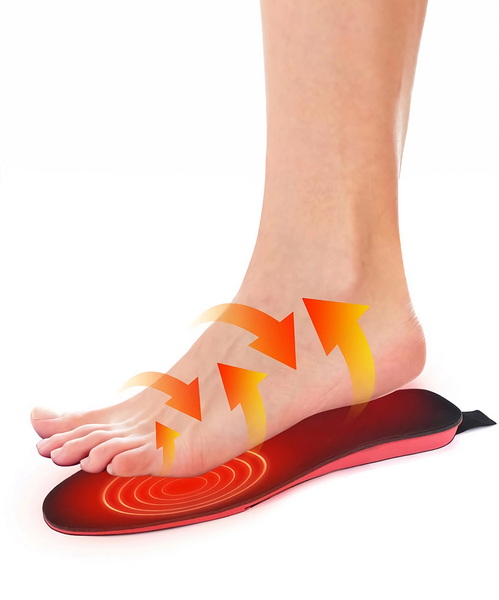
Heated insoles are specialized shoe inserts designed to generate and retain heat to keep feet warm. They are embedded with heating elements powered by batteries, which create heat and distribute it evenly throughout the insole.
The technology behind heated insoles can vary, but the most common types use thin electrical heating pads powered by rechargeable lithium-ion batteries. The batteries are usually compact, lightweight, and embedded in or attached near the heel area of the insole to maintain balance and comfort.
Users can usually control the temperature settings through a small remote or a smartphone app, allowing customization of heat levels for maximum comfort.
The primary benefit is, of course, warmth. Heated insoles generate consistent heat, ensuring your feet stay warm even in freezing temperatures. This makes them ideal for outdoor activities such as hiking, skiing, snowboarding, hunting, or simply commuting in cold weather.
Warm feet help improve blood circulation, reducing the risk of numbness, pain, or frostbite in cold weather. Heated insoles can provide relief for people suffering from poor circulation or medical conditions like Raynaud's disease.
Cold feet often limit outdoor activity duration. Heated insoles enable people to stay outdoors longer comfortably, whether working, playing sports, or exploring winter landscapes.
Many heated insoles are designed to be slim and fit in a variety of shoe types, from boots to sneakers. Their flexibility means you don't have to sacrifice style or shoe choice for warmth.
Instead of layering bulky and heavy socks or foot warmers, heated insoles offer targeted heat directly to the feet with minimal additional weight. This increases comfort and can be more energy-efficient in maintaining warmth.
Having warm feet often contributes to an overall sense of well-being. Heated insoles can reduce the stress and discomfort associated with cold feet, which psychologically enhances the enjoyment of outdoor activities.
Despite their advantages, heated insoles come with some considerations you should be aware of:
- Battery Life: Most heated insoles last between 4 to 10 hours on a single charge, which might not be enough for prolonged outdoor activities without recharging. Some premium models are extending battery life, but chargers or spare batteries may be necessary for long trips.
- Cost: Heated insoles are more expensive than standard insoles, with prices ranging widely based on features and brand. The balance between cost and quality can be significant, so careful comparison shopping is advised.
- Durability Concerns: Electrical components can be prone to damage if not handled carefully, and moisture can sometimes affect performance. While many models are water-resistant, fully waterproof models are less common.
- Fit and Comfort: Some users may find heated insoles slightly bulkier compared to regular insoles, affecting shoe fit or comfort. It is important to check sizing properly and consider shoes with removable insoles.
- Weight: Although many heated insoles are lightweight, the addition of batteries and heating elements may add some weight, which might affect sensitive users or athletes.

If you love winter sports like skiing or snowboarding, hiking in cold weather, or fishing in winter, heated insoles can be a game-changer by providing consistent warmth without bulky socks. They help maintain dexterity and improve overall foot feeling, which is vital for balance and safety in outdoor sports.
Occupation-based users such as construction workers, delivery personnel, or anyone required to be outside in freezing temperatures will benefit greatly from the added warmth and comfort of heated insoles. They reduce discomfort from cold floors or snow and ice, improving productivity and safety.
Individuals with diabetes or Raynaud's disease sensitive to cold may find heated insoles very helpful in managing discomfort and preventing complications caused by cold exposure. Warm feet help maintain better circulatory health and reduce risks of frostbite or ulcers.
Older adults and individuals with reduced foot sensitivity can benefit, as cold feet might not always be noticed until severe discomfort occurs. Heated insoles offer a preventative warmth that can help avoid cold-related injuries.
For those living in cold regions who walk or commute daily, heated insoles provide an added layer of protection and comfort, making daily life more comfortable during harsh winters.
When purchasing heated insoles, consider the following factors:
Look for insoles offering adjustable heat settings. Multiple levels allow you to customize warmth based on your environment and preference. Some high-end models offer up to 4-5 levels of heat, including a low-maintenance “warm” mode for longer use.
Check the runtime in real-world conditions. Longer battery life and convenient recharging options, such as USB charging, enhance usability. Some models offer removable batteries or portable chargers, while others have integrated, non-removable batteries.
Opt for insoles compatible with your shoe type and size. Some brands offer trimming guides to help customize the fit. If shoe interior space is limited, look for ultra-slim designs.
Ensure the insoles include protection against overheating, short circuits, and moisture. Overheating protection helps prevent burns or discomfort, while moisture resistance improves durability in wet conditions.
Look for insoles made with breathable, moisture-wicking materials to reduce sweat and odors. Durability also depends on the quality of stitching and the construction of heating elements.
Trusted brands often provide better customer support and warranty coverage. Look for reviews, testimonials, and manufacturer guarantees.
To maximize the lifespan and performance of heated insoles:
- Always follow the manufacturer's care instructions.
- Remove batteries before washing if possible.
- Wipe insoles with a damp cloth for light cleaning; avoid soaking them.
- Store insoles in a dry, cool place.
- Charge the batteries regularly when not in use to avoid battery degradation.
- Inspect wires and connections periodically for wear or damage.
- Avoid bending or folding the insoles sharply to preserve internal heating elements.
Proper maintenance not only extends product life but also ensures the insoles perform safely over time.
The technology surrounding heated insoles is evolving rapidly, incorporating innovations such as:
- Smart temperature regulation with sensors that automatically adjust heat based on foot temperature and external conditions.
- Wireless charging capability to reduce fuss with cables.
- Integration with wearable technology ecosystems allowing synced control via smartwatches or fitness trackers.
- Use of eco-friendly materials and rechargeable batteries to reduce environmental impact.
- Specialized models tailored for extreme cold climates or medical grade insoles designed to provide therapeutic heat.
These trends indicate that heated insoles will continue to improve in comfort, functionality, and convenience in the near future.
- Pair with moisture-wicking socks to enhance warmth and comfort.
- Preheat insoles indoors before going outside for instant warmth.
- Lower the heat setting during periods of low activity to conserve battery life.
- Avoid using heated insoles in shoes that are already very warm or not ventilated well to prevent excessive sweating.
- Carry spare batteries or portable chargers for long outdoor excursions.
By adopting these practical habits, you can get the most out of your heated insoles across different scenarios.
Are heated insoles worth it? If you frequently endure cold outdoor conditions, suffer from poor circulation, or simply want to enjoy your winter activities more comfortably, heated insoles offer a compelling solution. Their ability to provide consistent warmth, enhance comfort, and extend outdoor time often outweighs potential concerns like cost and battery life.
Choosing the right heated insoles with good battery life, adjustable heat settings, and reliable safety features is essential for a satisfying experience. For many, the investment in heated insoles proves to be a worthwhile addition to cold-weather gear, improving quality of life during harsh winters or prolonged exposure to cold environments.

Most heated insoles last between 4 to 10 hours on a full charge, depending on the heat setting used and battery capacity. Some premium models can extend runtime beyond 12 hours with low settings.
Heated insoles are designed to fit various shoe types, including boots, sneakers, and casual shoes. Always check the product's compatibility and use trimming guides if available. For very tight shoes, slim-profile models are preferable.
Yes, reputable heated insoles come with safety features such as automatic shut-off, overheating protection, and short circuit prevention. Following manufacturer instructions ensures safe use.
Heated insoles can aid those with poor circulation issues or conditions like Raynaud's disease by improving warmth and blood flow in the feet. Consult a healthcare professional if you have serious medical concerns.
Remove batteries before cleaning if removable and follow the manufacturer's specific cleaning guidelines. Avoid soaking insoles in water; instead, wipe with a damp cloth and allow to dry completely before use. Store insoles in dry, cool conditions to prolong battery and material life.


