
Views: 222 Author: Edvo Publish Time: 2025-11-26 Origin: Site


Content Menu
● Key Differences Between Insoles and Orthotics
● Extended Benefits of Insoles
● Expanded Benefits of Orthotics
● Types of Insoles and Orthotics
● Custom vs. Over-the-Counter Options
>> OTC Insoles:
● Practical Considerations for Selection
● Evolving Technologies in Insoles and Orthotics
● How Brands And OEMs Can Differentiate
● Future Trends and Consumer Needs
● FAQs
>> 1. How can I distinguish insoles from orthotics in a store?
>> 2. Is it okay to use both insoles and orthotics at the same time?
>> 3. How do I know when to replace my insoles or orthotics?
>> 4. Can insoles improve performance in sports?
>> 5. Are orthotics only for older adults?
When discussing foot health and comfort, the terms orthotic nsoles often arise—sometimes even interchangeably. However, these products serve distinct purposes and are engineered for different types of users and needs. Understanding their structure, applications, and benefits can have a major impact on comfort, mobility, and overall health. This article provides a comprehensive guide, tailored for brand owners, wholesalers, and manufacturers, breaking down the differences and helping you identify which solution fits your needs.
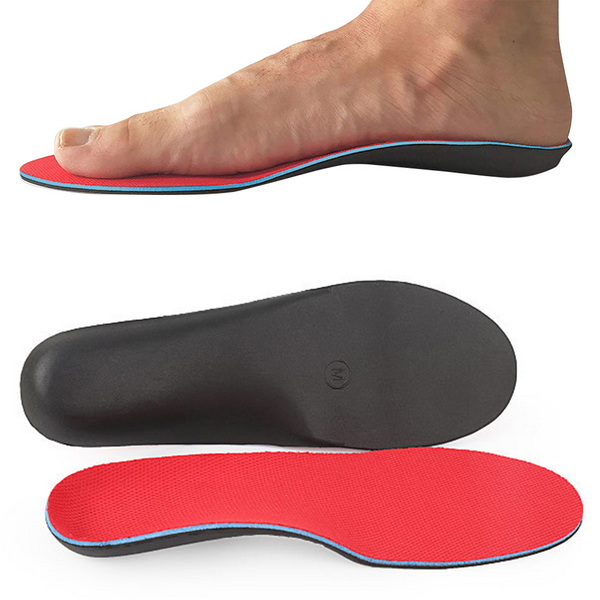
Insoles are removable shoe inserts designed principally for added comfort inside footwear. Produced from soft materials such as foam, gel, leather, or fabric, insoles are available over-the-counter and are often cut to size by users. Their fundamental role is to enhance the fit, soften the footbed, and offer modest arch or heel support for day-to-day activities. Insoles do not require medical prescriptions and focus mainly on shock absorption, moisture management, and reducing shoe odor.
Insoles cater to:
- People seeking comfort and mild support
- Those who stand or walk for long periods
- Buyers looking for an affordable, accessible enhancement to their shoes
Orthotics differ significantly from typical insoles in many key aspects. They are medical devices—custom-fabricated or pre-made—designed to address foot structure issues, gait abnormalities, and specific pain conditions. Orthotics offer structured support and exacting correction, targeting biomechanical deficits observed by healthcare professionals.
Orthotics are commonly used for:
- Diagnosed foot disorders (e.g. plantar fasciitis, flat feet, high arches)
- Patients recovering from injuries
- Individuals with chronic pain in their feet, knees, hips, or lower back
- Athletes seeking motion control and performance improvements
Manufacturers produce both custom orthotics—tailored via a casting or scanning process—and semi-custom or pre-fabricated models that address common pathologies, often recommended after a clinical assessment.
| Aspect | Insoles | Orthotics |
|---|---|---|
| Main Purpose | Comfort and mild support | Medical correction and support |
| Customization | Cut-to-fit, standard sizes | Custom-made or semi-custom, prescription-based |
| Materials | Foam, gel, fabric | Thermoplastics, EVA, carbon fiber, medical-grade foam |
| Access | OTC retail, online, mass market | Prescribed by specialists, select suppliers |
| Duration | Several months to a year | Up to several years, depending on use |
| Price Range | Low to moderate | Moderate to high |
Insoles are not solely confined to everyday use—they offer specific performance benefits depending on type.
- Comfort insoles: Improve overall comfort, alleviate mild fatigue, and are useful in everyday shoes and boots.
- Sports insoles: Designed for running, athletics, and intense sports—reduce shock, improve propulsion, and assist in injury prevention.
- Work insoles: Add comfort for jobs involving standing or walking on hard surfaces all day.
- Odor-control insoles: Infused with antimicrobials, these manage moisture and prevent bacterial build-up, extending shoe life.
Choosing the right insole type can help alleviate common issues such as heel pain, mild plantar fasciitis, and general foot fatigue for active and working individuals.
Orthotics provide a range of therapeutic benefits, tailored to medical, recovery, and performance needs:
- Correction of biomechanical alignment: Orthotics help support proper foot mechanics, benefiting users with flat feet, overpronation, or supination.
- Relief from chronic pain: By redistributing pressure and stabilizing abnormal movements, orthotics decrease foot, ankle, knee, and back discomfort.
- Support for specific medical conditions: Patients with arthritis, diabetes, bunions, or metatarsalgia often benefit from custom orthotics that reduce pressure points and minimize complication risks.
- Enhanced athletic performance: Professional athletes use orthotics to address subtle mechanical imbalances and reduce injury risk.
Custom orthotics are particularly effective for people with unique foot shapes, prior injury history, or complex musculoskeletal needs.
- Cushioning insoles: Offer additional softness for walking or standing.
- Arch-support insoles: Deliver moderate structural support for low or high arches.
- 3/4 length insoles: Cover from heel to ball of foot, ideal for shoes with limited space.
- Heat-moldable insoles: Can be formed to better match the user's foot shape with heat, offering a middle ground between standard insoles and custom orthotics.
- Rigid (functional) orthotics: Constructed from hard plastics or carbon fiber to control excessive motion in the foot/ankle during walking.
- Semi-rigid orthotics: Blend firmness and flexibility—commonly used by athletes for balance, stability, and motion guidance.
- Soft (accommodative) orthotics: Cushion the foot and redistribute pressure, ideal for sensitive feet and diabetic care.
- Hybrid orthotics: Combine elements of rigidity and cushioning to address multifaceted conditions.
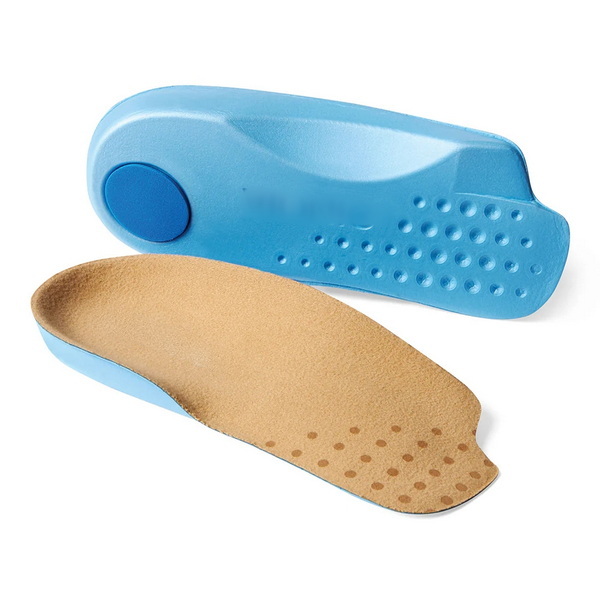
- Available for self-selection based on foot type, shoe design, activity level, and symptoms.
- Inexpensive and found in retail, pharmacies, and online.
- Easily replaced, making them ideal for those who switch shoes frequently.
- Require assessment by a healthcare provider (podiatrist, chiropractor, physiotherapist).
- Molds or digital scans capture the precise structure of the feet for a tailored fit.
- Higher initial investment, but can last for 2–5 years, delivering both corrective and preventative care.
When choosing between insoles and orthotics, several important factors come into play:
- Shoe type compatibility: Insoles generally fit a variety of footwear. Orthotics, particularly full-length or rigid, may need shoes with extra volume or removable footbeds.
- Activity demands: High-impact sports or professions with extended standing may call for added shock absorption and precise fit—making orthotics or premium insoles ideal.
- Medical conditions: Individuals with diagnosed foot, gait, or lower limb alignment problems should consult a professional for orthotics.
- Budget: Insoles offer broad accessibility due to lower costs; orthotics, although pricier, present a valuable investment for chronic or complex needs.
Shoe brands and manufacturers who understand these user needs can more effectively target specific market segments with the right product mix.
Foot support technology has evolved rapidly in recent years. Modern developments include:
- 3D printing: Custom orthotics and insoles can now be produced using 3D scans for precise fit and corrections.
- Smart insoles: Some models offer sensors for tracking steps, pressure distribution, and gait analysis, supporting athletes and rehabilitation patients.
- Sustainable materials: Eco-friendly foam, recycled polymers, and plant-based products address growing customer demand for sustainability.
Manufacturers leveraging these technologies can position themselves at the forefront of the market, providing inventive solutions and added value for both end-users and partnering brands.
For international brands, wholesalers, and OEM partners, offering both high-quality insoles and professional orthotic services allows for market differentiation through:
- Tiered product lines: Basic, performance, and medical-grade insoles/orthotics for distinct customer groups.
- Education and support materials: Providing guidance on sizing, fitting, and choice empowers customers and reduces returns.
- Outreach with healthcare professionals: Collaborating with clinicians increases trust and brings medical credibility to your products.
An in-depth understanding of the insoles-versus-orthotics spectrum can position OEMs and brands as valued advisors, not just product suppliers.
The future of foot support products lies in enhanced personalization, sustainability, and integration with digital health platforms. Global consumers are increasingly focused on comfort, injury prevention, and proactive health management.
Important trends include:
- Increased use of 3D customizations for unique foot needs
- Smart features, such as pressure sensors and app connectivity
- Expanded use of natural and recycled materials
- Wider education about foot health and preventative care
Brands that listen to these evolving needs and innovate accordingly will earn loyalty and stay ahead of global market shifts.
Insoles and orthotics are both vital for supporting foot health, but they serve unique roles. Insoles provide universal comfort and light support, are accessible and versatile, making them ideal for the mass market and brand diversification. Orthotics are medical devices that offer targeted correction and relief, imperative for those with more complex requirements.
For brands, wholesalers, and OEMs, understanding these categories helps in product development, market positioning, and customer satisfaction. People with diagnosed foot conditions or serious comfort issues should always consult a professional for orthotic recommendations, while most consumers will benefit from well-designed insoles.
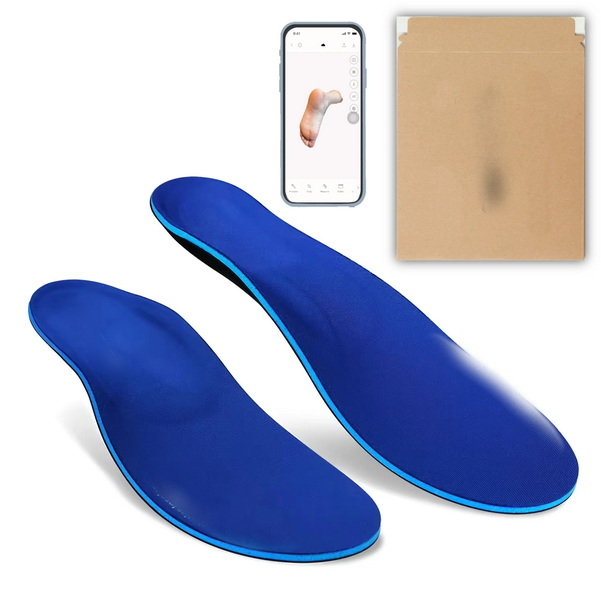
Insoles are generally available in the footcare or shoe section, easy to try and sized according to standard foot lengths. Orthotics are often labeled as medical or prescribed devices, sometimes requiring consultation or fitting prior to purchase.
Generally, only one insert should be used at a time since combining both can create a poor fit. Use orthotics alone if you've been prescribed them; if not, a good insole is often sufficient.
Replace insoles every six to twelve months, or sooner if they lose their shape or cushioning. Orthotics last longer but should be re-evaluated annually for fit and function, especially if your foot shape or activity level changes.
Yes, specialized insoles designed for athletic use can increase comfort, reduce fatigue, and help prevent minor injuries, especially for runners and field athletes.
No, orthotics can benefit people of any age with structural, postural, or injury-related foot problems, including children, athletes, and working professionals.


