
Views: 222 Author: Amanda Publish Time: 2025-09-01 Origin: Site


Content Menu
>> Benefits of Orthotic Insoles
● Understanding Health Savings Accounts (HSAs)
● Are Orthotic Insoles Eligible for HSA Use?
>> What Makes Orthotic Insoles HSA Eligible?
>> Examples of Eligible Orthotic Insoles
● How to Verify Orthotic Insole Eligibility for HSA/FSA Use
● Steps to Purchase Orthotic Insoles Using HSA
>> 1. Consult a Healthcare Professional
>> 2. Select Orthotic Insoles That Qualify
>> 3. Make the Purchase Using Your HSA or FSA Account
>> 4. Keep Records for Tax and Insurance Purposes
● Orthotic Insoles and Tax Implications
● Popular Orthotic Insole Brands and HSA Eligibility
● The Importance of Proper Fit and Follow-up
● Preventative Care: Investing in Orthotic Insoles Early
● FAQs
>> 1. Are all orthotic insoles covered by an HSA?
>> 2. Do I need a prescription to use my HSA for orthotic insoles?
>> 3. Can I use my HSA card directly at the store or do I have to pay out-of-pocket?
>> 4. Are custom orthotic insoles more likely to be covered than prefabricated ones?
>> 5. What types of foot conditions justify the need for HSA-eligible orthotic insoles?
Orthotic insoles play a crucial role in supporting foot health, relieving pain, and improving overall mobility for many individuals. For those managing chronic foot conditions or recovering from injury, knowing whether orthotic insoles are eligible to be purchased with a Health Savings Account (HSA) can be a significant help in managing healthcare costs. This article provides a comprehensive guide on orthotic insole HSA eligibility, how to determine if your orthotic insoles qualify, and tips on using your HSA or Flexible Spending Account (FSA) for such purchases.

Orthotic insoles are specially designed shoe inserts meant to provide support, correct foot posture, and alleviate pain associated with various medical foot conditions. Unlike standard insoles, orthotic insoles are often medically prescribed or designed to address specific problems such as plantar fasciitis, flat feet, overpronation, arthritis, or heel pain.
By redistributing pressure across the foot and supporting the arch, orthotic insoles can improve foot function, reduce discomfort, and prevent further injury. They are used not only for foot health but also to alleviate pain in related areas such as ankles, knees, hips, and the lower back.
Orthotic insoles can be crafted in two main forms: custom-made and prefabricated. Custom-made orthotic insoles begin with detailed measurements or molds of the wearer's feet, ensuring precise fit and correction tailored to individual biomechanics. Prefabricated orthotic insoles, on the other hand, are mass-produced with different sizes and shapes designed to address common foot issues broadly. Both varieties have their place in foot care, depending on severity and medical advice.
- Correct foot alignment and improve posture
- Reduce pressure on sensitive foot areas
- Help in managing chronic conditions like plantar fasciitis and arthritis
- Prevent further damage and injury
- Enhance overall comfort during walking, running, or standing
A Health Savings Account (HSA) is a tax-advantaged savings account designed specifically to help individuals and families save money for qualified medical expenses. HSAs are exclusively available to those with high-deductible health insurance plans (HDHPs). The money contributed to an HSA is tax-deductible, grows tax-free, and can be withdrawn tax-free for approved medical expenses.
Many people turn to HSAs for managing healthcare costs because the tax advantages reduce out-of-pocket expenses. Consumers can use HSA funds to buy prescription medications, medical devices, and supplies—among these, orthotic insoles are often included if approved. The Flexible Spending Account (FSA) operates similarly but usually involves annual use-it-or-lose-it rules and is tied to an employer's benefits plan.
Yes, under certain conditions, orthotic insoles are eligible for purchase with HSA funds. The key criteria revolve around medical necessity and documentation.
The IRS allows funds from HSAs to be used for “expenses primarily for the prevention or alleviation of a physical or mental defect or illness” under IRS Code Section 213(d). Orthotic insoles fit this description when they are:
- Prescribed by a healthcare professional such as a podiatrist or orthopedic specialist.
- Designed and marketed specifically for medical purposes — to treat foot abnormalities or pain.
- Purchased with proof of medical necessity, which can be a prescription or a letter of medical necessity.
- Either custom-made or certain prefabricated orthotic insoles that meet medical specifications.
- Insoles to treat plantar fasciitis or heel spurs
- Arch support insoles for flat feet or overpronation
- Insoles for arthritis-related foot pain
- Custom orthotics designed for gait correction
- Insoles or inserts purchased purely for comfort or fashion enhancement.
- Insoles without medical prescription or lacking evidence of orthopedic function.
- Athletic shoe cushions or gel pads that do not serve a therapeutic role.
- Non-prescribed orthotic insoles for general wear without documented medical need.
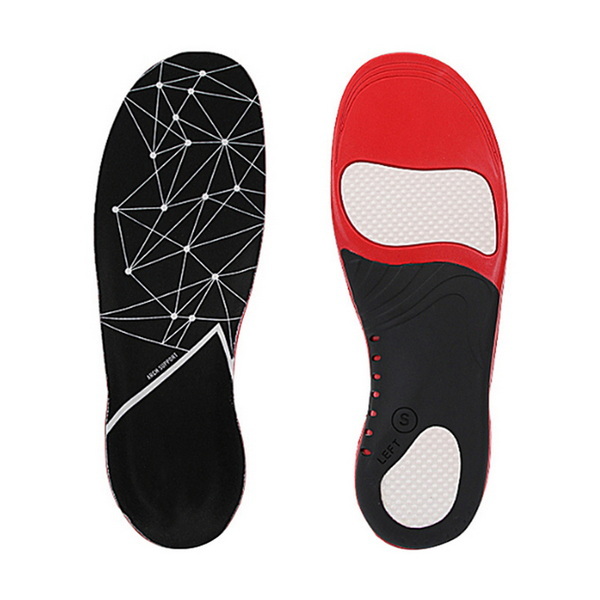
When planning to purchase orthotic insoles with HSA or FSA funds, consider the following verification steps:
- Check Product Labelling: Look for mentions such as “orthotic,” “medical-grade,” “therapeutic,” or “HSA/FSA eligible.”
- Consult Your Insurance/Plan Provider: Confirm your plan covers these types of purchases and ask about required documentation.
- Get a Prescription or Letter of Medical Necessity: This paperwork is often essential for reimbursement and to justify the medical expense.
- Retain Your Purchase Receipts and Documentation: Always keep your receipts and any provider notes for claiming with your HSA or FSA.
- Choose Recognized Brands: Select insoles from brands well-known for producing medically approved orthotics, as they typically meet HSA criteria.
Visit a podiatrist or orthopedic specialist who can assess your foot condition. If orthotic insoles are medically necessary, obtain a prescription or letter of medical necessity, which serves as proof for your HSA claim.
Look for insoles designed and marketed for orthopedic purposes. Both custom-made orthotics and certain prefabricated ones can qualify if they meet medical standards and align with your professional prescription.
Use your HSA debit card at authorized retailers or online stores that accept these payments. If a card is not available, pay out-of-pocket and file a reimbursement claim with your plan provider by submitting receipts and medical documentation.
Always retain detailed records, including the prescription, receipts, and any related medical notes. This documentation supports eligibility verification and protects you during tax season or audits.
Using your HSA or FSA to pay for qualified medical expenses like orthotic insoles provides substantial tax advantages. Contributions to HSAs reduce your taxable income, and withdrawals for eligible expenses are tax-free. This triple tax benefit makes HSAs an efficient means to invest in your foot health.
Improper use of HSA funds on non-qualified items can result in penalties and taxes, so understanding eligibility criteria is important. When in doubt, always consult your HSA administrator or tax professional before making a purchase.
Several prominent brands focus on producing orthotic insoles that meet HSA standards:
- PowerStep: Known for a range of medical-grade orthotics explicitly labeled HSA/FSA eligible.
- Superfeet: Offers both custom and prefabricated options suited for various foot conditions.
- Dr. Scholl's: Certain models marketed as orthotic insoles qualify for HSA use.
- SprinSole: Provides orthotics with documented HSA eligibility.
When shopping, it is prudent to verify each product's eligibility since brand models vary in their certification.
Regardless of eligibility, orthotic insoles are most effective when properly fitted and used consistently. Follow-up visits with your healthcare provider ensure the insoles are performing as expected and adjustments can be made if discomfort persists.
Custom orthotics may require initial adjustment phases and occasional remolding to accommodate changes in foot structure over time. Prefabricated orthotics may be trialed to identify the best fit and support level before committing to long-term use.
Using orthotic insoles early in foot discomfort or after injury can prevent exacerbation of conditions and reduce future healthcare costs. Early intervention with medically prescribed orthotics can improve mobility, reduce pain, and protect against joint damage or postural issues.
HSAs offer a convenient way to invest in your foot health proactively, minimizing reliance on more expensive treatments such as surgery or prolonged medication.
Orthotic insoles are generally HSA eligible when prescribed by a healthcare professional for a specific medical foot condition. These insoles not only provide relief and postural correction but also offer a way to save on medical expenses through tax-advantaged accounts like HSAs. It is crucial to ensure the insoles are designed and marketed for therapeutic use, backed by a doctor's prescription or medical necessity letter. By understanding these eligibility criteria and following the recommended steps, individuals can protect their foot health effectively while benefiting from significant cost savings.

No, only those designed to treat specific medical conditions and prescribed by a healthcare professional typically qualify for HSA coverage. Insoles sold for general comfort or athletic use usually do not qualify.
Yes, obtaining a doctor's prescription or a letter of medical necessity is generally required to substantiate the medical purpose and ensure reimbursement eligibility.
You can often use your HSA or FSA card directly for eligible purchases. Otherwise, you may pay out-of-pocket and submit your receipt and documentation for reimbursement.
Custom orthotic insoles prescribed by a medical professional are more likely to be covered, but some prefabricated insoles designed for therapeutic use also qualify.
Common conditions include plantar fasciitis, flat feet, overpronation, arthritis, heel spurs, and other foot pain or deformities that require medical intervention.
[1](https://buyfsa.com/blogs/fsa-hsa-eligibility-list/are-shoe-insoles-and-inserts-fsa-hsa-eligible)
[2](https://www.upstep.com/a/blog/get-reimbursed-for-orthotics-from-hsa-here-s-how)
[3](https://sprinsole.com/pages/hsa-fsa-eligible-orthotics-by-sprinsole)
[4](https://powerstep.com/pages/hsa-fsa-eligible-orthotics-by-powerstep)
[5](https://help.blendable.ca/hc/en-us/articles/360053542493-Are-my-Orthopaedic-shoes-or-Orthotics-eligible-through-my-HSA)
[6](https://hsastore.com/hsa-eligibility-list/o/orthotics)
[7](https://orthoticsdirect.com/pages/hsa-fsa-eligibility)
[8](https://hsastore.com/hsa-eligibility-list/o)
[9](https://www.drscholls.com/collections/fsa-hsa-eligible)
[10](https://fsastore.com/fsa-eligibility-list/o/orthopedic-shoe-inserts)


