
Views: 222 Author: Edvo Publish Time: 2025-12-05 Origin: Site


Content Menu
● What Are Over The Counter Insoles?
● When Are OTC Insoles Considered Orthotics?
● OTC Insoles And Custom Orthotics: Key Differences
● Advantages Of Over The Counter Insoles
● Limitations Of Over The Counter Insoles
● When Custom Orthotics Are The Better Choice
● How OEM Brands Can Design OTC Orthotic Insoles
● Comfort Versus Control: Balancing User Experience
● Life Span And Replacement Of OTC Insoles
● Educational Content To Support OTC Orthotics
● Health Professional Collaboration
● Market Segmentation For OTC Orthotic Insoles
● Are OTC Insoles Enough For Most People?
● FAQ
>> 1. Are all over the counter insoles orthotics?
>> 2. Can over the counter insoles replace custom orthotics?
>> 3. How long should over the counter orthotic insoles last?
>> 4. Who is a good candidate for over the counter orthotic insoles?
>> 5. What should brands look for when sourcing OEM over the counter orthotic insoles?
Over the counter insoles are mass-produced inserts that add cushioning and general support inside everyday footwear. Many professionals classify them as a simple form of orthotic device when they are designed not only for comfort, but also to support the arch, stabilize the heel, or guide foot motion.
However, they do not reach the same level of personalization as custom orthotics insole created after a clinical assessment. A practical way to explain this to customers is to present over the counter products as entry-level or non-prescription orthotics, ideal for mild issues and general comfort rather than complex medical conditions.
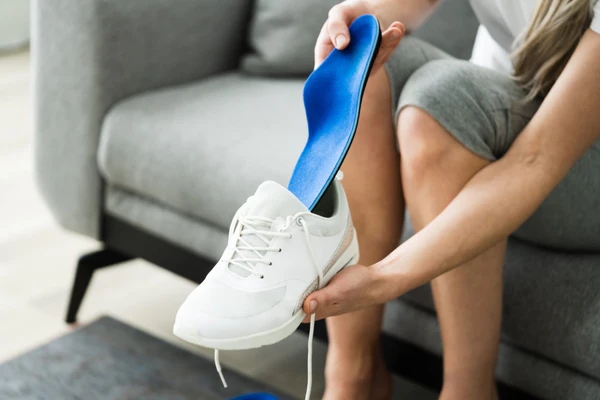
Orthotics are devices worn on or inside footwear to support, align, or improve the function of the foot and lower limb. They are engineered to influence how the foot interacts with the ground, how body weight is distributed, and how forces travel up through the ankles, knees, hips, and lower back.
Clinicians often prescribe orthotics for problems such as persistent heel pain, plantar fasciitis, flat feet, high arches, bunion-related discomfort, and for some types of knee or lower back issues linked to poor foot posture. Orthotics can be soft, semi-rigid, or rigid, depending on the level of control and cushioning needed.
Over the counter insoles are pre-made inserts sold in pharmacies, supermarkets, sports shops, online platforms, and shoe stores. They are designed to fit a wide range of people, with standard sizes and shapes that match common shoe sizes and general arch profiles.
They may be made from foam, gel, elastomers, thermoplastic materials, or layered composites that combine cushioning and support. Depending on their design, they can provide simple cushioning, moderate arch support, heel cupping, or more advanced features such as metatarsal pads and targeted pressure relief zones.
The key factor is intent and function. If an insole is designed only to provide a soft layer under the foot, it is often referred to as a comfort insert rather than an orthotic. When the design aims to change foot function by supporting the arch, controlling excessive inward rolling of the foot, or stabilizing the heel, it can reasonably be considered an over the counter orthotic.
In practical marketing terms, many brands create a product hierarchy. At the base are comfort insoles. In the middle are structured over the counter insoles that qualify as orthotic-style products. At the top are clinical or semi-custom devices developed in collaboration with medical professionals.
Custom orthotics are made after a detailed assessment of the person's feet, gait, and overall biomechanics. A clinician may perform physical tests, observe walking patterns, and use casts or digital scans to capture the exact contours of each foot. The resulting device is tailored to address specific medical or structural issues.
Over the counter insoles, by contrast, are built to fit a broad audience. They are shaped around average measurements rather than individual details. They can be very well designed, but they still follow a one‑to‑many approach. This means that while they can reduce symptoms for many users, they cannot always match the precision of a fully customized, medically prescribed orthotic.
For both consumers and retail partners, over the counter insoles have several attractive advantages:
- Easy to obtain from a wide variety of sales channels without appointments or prescriptions
- Lower initial cost than custom orthotics, making them a sensible first step for mild problems
- Wide selection of materials and shapes for casual shoes, running shoes, outdoor boots, and work footwear
- Immediate improvement in perceived comfort, cushioning, and sometimes support
From the point of view of an OEM insole factory, these advantages allow flexible product development for different regions, sports categories, and footwear types, all under private labels or branded collections.
Despite their benefits, over the counter insoles have limitations that brands and buyers must acknowledge:
- They are not designed for highly complex or severe foot disorders
- Because they rely on average foot shapes, they may not match very flat feet, very high arches, or significant asymmetry between feet
- Softer materials can compress or deform with long use, reducing support and requiring more frequent replacement
- Users with underlying medical conditions may feel temporary relief but still need a full clinical assessment
Communicating these points transparently does not weaken the product's value. Instead, it helps build trust and encourages users to choose the right level of solution for their situation.
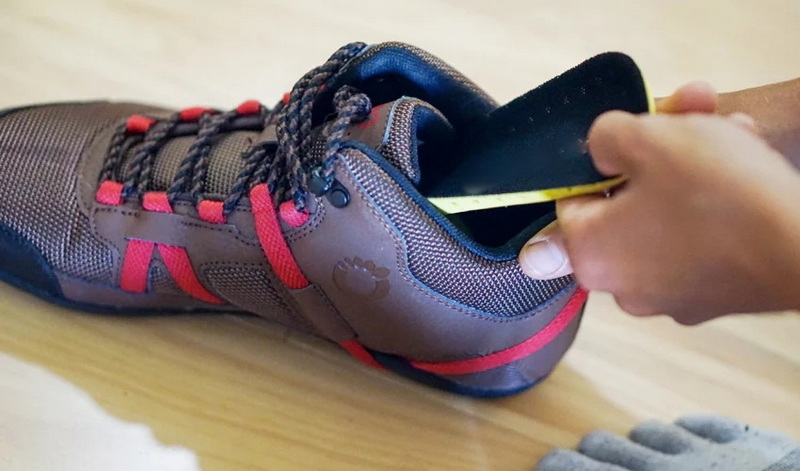
Custom orthotics are usually recommended when:
- Foot pain is strong, chronic, or affects daily life and work
- There are visible deformities such as very fallen arches, rigid high arches, or significant toe deformities
- There is a history of diabetes, vascular disease, neuropathy, or recurrent foot ulcers
- Previous attempts with high-quality over the counter insoles did not relieve symptoms
In such cases, a prescription device tailored to the person's anatomy and medical history can correct alignment more precisely and manage pressure in a more controlled way.
For a Chinese insole manufacturer serving international brands and wholesalers, the goal is to design over the counter orthotic products that offer more than simple padding. Important design directions include:
- Multiple arch profiles to serve low, neutral, and high arches across different regions and shoe styles
- Deep heel cups that stabilize the heel and reduce unnecessary motion inside the shoe
- Layered constructions that combine a supportive base shell with cushioning top layers and breathable cover materials
- Trim‑to‑fit outlines that allow end users to customize length to their footwear
- Specialized lines for walking, running, work boots, safety shoes, fashion footwear, and outdoor activities
By fine‑tuning firmness, thickness, and geometry, your factory can deliver collections that feel clearly different from basic flat inserts, helping client brands to market them as genuine orthotic‑style supports.
One common design challenge in over the counter orthotics is balancing softness and control. A very soft insole may feel comfortable at first contact, but if it compresses fully under load, it offers little real support. A very rigid device may control motion well but feel too hard and be rejected by users.
Successful products often aim for a balanced feel:
- Enough firmness to maintain arch shape under body weight
- Enough cushioning for impact absorption during walking or running
- Slight flexibility that allows natural foot movement without forcing it into an uncomfortable position
Testing with real users across different weight ranges and activity levels helps refine this balance. As an OEM, you can work with overseas partners to run field tests and adjust density, thickness, and contouring based on user feedback.
The life span of an over the counter insole depends on material quality, body weight, activity level, and environmental conditions such as humidity and temperature. Softer foams tend to break down faster, while more resilient elastomers or thermoplastic shells maintain shape longer.
Brands can add value by:
- Suggesting clear replacement intervals based on use patterns
- Offering multi‑pair packages for workers and athletes who wear insoles daily
- Creating premium product ranges with higher durability and guaranteed performance periods
For OEM factories, this opens opportunities for good‑better‑best product strategies based on durability and performance.
Because many users do not fully understand the difference between comfort inserts, over the counter orthotics, and custom orthotics, educational content becomes a powerful sales tool. In your long article and in your clients' marketing materials, you can:
- Explain in simple language what orthotics do and when over the counter products are appropriate
- Show how to choose arch type, size, and thickness, with clear on‑foot examples
- Provide fitting tips to avoid crowding in the toe box or heel slippage
- Offer guidance on adapting to new insoles gradually over several days
This kind of helpful information increases user satisfaction, reduces returns, and strengthens the perceived expertise of your factory and your client brands.
OEM manufacturers that collaborate with podiatrists, orthopedic specialists, or sports medicine experts can design more credible, effective over the counter orthotic products. Professional input can help refine:
- The positioning of support zones under the heel, midfoot, and forefoot
- The choice of hardness levels for different user groups, such as runners or standing workers
- The categorization of products according to foot types and common complaints
Even when a product is sold without prescription, emphasizing that it was developed with clinical input can be a strong message for overseas retailers and end users.
As a leading insole manufacturer, you can divide your over the counter orthotic range into several clear segments for different partners and markets:
- Everyday comfort and support for general consumers
- Work and safety footwear for warehouse, factory, construction, and service employees
- Sports and performance lines for runners, walkers, hikers, and court sports
- Fashion and dress shoe liners that provide discreet support in low‑profile footwear
- Specialty ranges aimed at seniors or people with sensitive feet who cannot tolerate very rigid devices
Each segment can have its own branding, packaging, and marketing language, even when produced on the same automated manufacturing lines.
For many people with generally healthy feet, a high‑quality over the counter orthotic insole provides enough cushioning and support for daily life. These users may never need custom orthotics as long as they wear supportive footwear and manage their activity levels sensibly.
However, a proportion of users will need more. Responsible messaging recommends that customers seek a professional assessment if pain is strong, lasts for a long time, or affects mobility and quality of life. This balanced position protects both consumers and the reputation of your partner brands.
Over the counter insoles can fairly be described as a basic form of orthotic device when they are built with structured support, arch contours, and heel stabilization. They are not identical to prescription orthotics, but they occupy an important and valuable space between simple comfort inserts and custom medical devices. For mild foot discomfort and general support, high‑quality over the counter orthotic insoles are an accessible, affordable option.
For a Chinese OEM insole manufacturer working with international brands, this creates strong opportunities. By designing advanced over the counter orthotic products, segmenting ranges for different markets, and supporting clients with clear educational content, your factory can help partners deliver real value to end users. When your products are presented honestly as part of a full spectrum of solutions, they build long‑term trust with retailers, medical partners, and consumers.
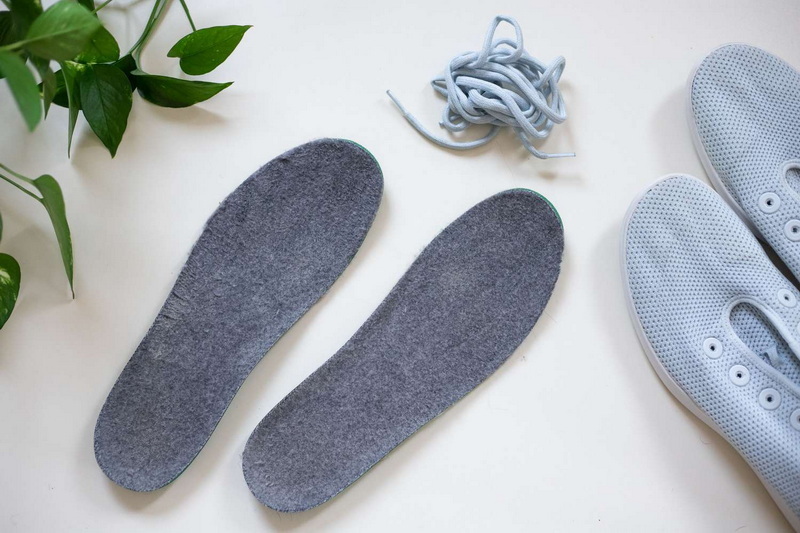
No. Simple flat inserts that only add softness are generally seen as comfort insoles rather than orthotics. Over the counter insoles that include structured arch support, heel cupping, and motion control features can be considered orthotic‑style devices even though they are sold without prescription.
They can often replace custom orthotics for people with mild discomfort or general fatigue, especially when there are no serious structural or medical problems. They are not a complete replacement for custom orthotics in cases of chronic pain, complex deformities, or conditions that require precise pressure management and alignment correction.
Their life span varies with materials and usage, but most will gradually lose cushioning and support over time. A practical guideline is to replace them when the top cover is worn, the insole feels flat or deformed, or discomfort returns even though the shoes are unchanged.
People with generally healthy feet who feel tired, achy, or uncomfortable after standing, walking, or running are good candidates. Workers, casual athletes, and anyone who wears less supportive shoes can often benefit from over the counter orthotic insoles before considering more advanced options.
Brands should look for factories that combine advanced design capabilities, stable quality control, and experience with different international markets. It is also helpful when the OEM partner can support custom branding, flexible packaging, product testing, and educational content that explains correct selection and use to end customers.


