
Views: 222 Author: 3BU Technology Publish Time: 2026-05-27 Origin: Site


You can technically wear shoes without insoles, but for most people it should only be a short‑term or very specific choice—not an everyday habit—especially if you walk, work, or train for long hours on your feet. [centori]
In this expert guide, I'll walk through when it's okay to remove insoles, the risks of going insole‑free, and how brands and OEM buyers can turn insoles into a real competitive advantage. The perspective comes from both personal, long‑term use of performance insoles and 12+ years of OEM insole manufacturing experience at 3BU Technology (Insolemaker). [centori]
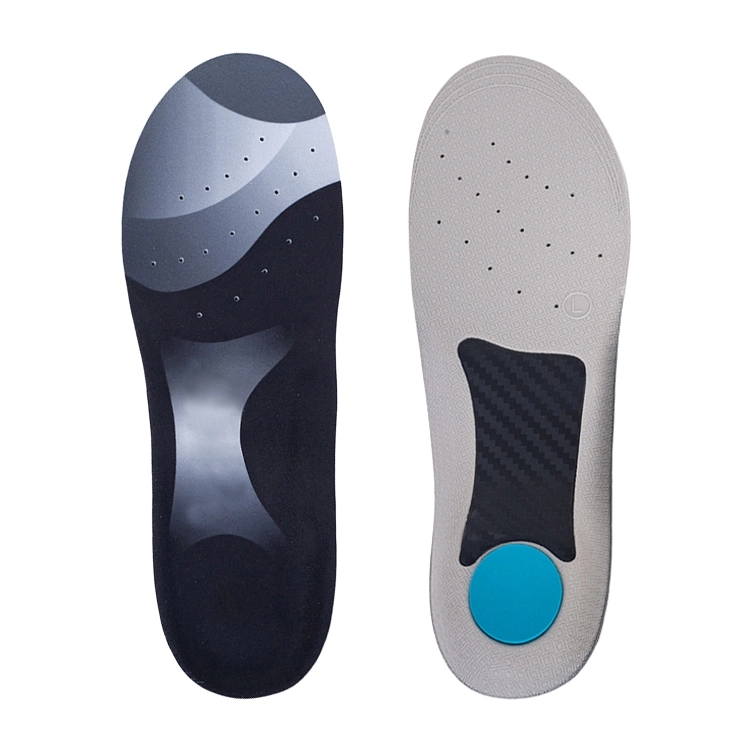
Removing the insole does more than just take out a soft layer. It changes the fit, support, and ride of the shoe in several ways. [centori]
- Deeper, looser interior: The foot sits lower and often has more room to move, which can temporarily relieve tightness but increases internal sliding and friction. [centori]
- Harsher impact: Instead of a cushioned footbed, your heel and forefoot land directly on the harder midsole or inner board.
- Lost structure and guidance: Many insoles cradle the heel, support the arch, and smooth the transition from heel to toe; without them, the shoe feels less controlled and less stable. [centori]
From a user perspective, this often feels fine for a short walk but becomes noticeable during a full work shift, a long commute, or a training session. [centori]
There are a few controlled situations where going insole‑free is acceptable for people with healthy feet and no existing joint problems. [centori]
For quick errands, walking around the house, or very brief casual wear, some users tolerate shoes without insoles without obvious discomfort. [centori]
- Duration is short.
- Surfaces are relatively flat and predictable.
- Feet are generally healthy, with no plantar fasciitis, flat feet, or chronic joint pain. [centori]
The key is to treat this as the exception, not the rule.
If a shoe suddenly feels tight because of swelling, thick socks, or a bandage, removing the insole can create a bit more volume. [centori]
- This can prevent pressure on the top of the foot or bunions.
- It should be strictly temporary—once the swelling subsides, a supportive insole should go back in. [centori]
In weightlifting, minimalist balance drills, or technique‑focused exercises, some athletes intentionally reduce cushioning to feel more connected to the ground. [centori]
However:
- This should be done in a safe, controlled environment (flat gym surfaces, no sudden direction changes).
- It is not recommended for long runs, field sports, or all‑day wear. [centori]
Many people assume that taking out the insole from a regular shoe turns it into a "minimalist" or "barefoot‑style" shoe. It doesn't. [centori]
Minimalist or barefoot‑style shoes are engineered from the ground up with:
- A very thin or integrated footbed.
- Calibrated sole geometry and heel‑to‑toe drop.
- High flexibility tuned for that low‑cushion concept.
When you remove the insole from a standard running shoe, work boot, or trainer:
- You break the original design assumptions about cushioning and support.
- The internal construction may feel uneven or harsh underfoot.
- You end up with less cushioning and less support than the shoe's designers intended. [centori]
If someone truly wants a barefoot‑style experience, it is safer to choose footwear built for that purpose and transition gradually, rather than improvising by stripping out insoles. [centori]
Making "no insole" your default setup can have cumulative, long‑term effects on feet, joints, and posture. [centori]
Insoles act as a primary shock absorber, spreading impact forces over a larger area. [centori]
Without them:
- Heels and metatarsal heads take more direct force.
- Repeated impact can irritate soft tissues and joints.
- Over time, this contributes to heel pain, arch strain, knee and hip discomfort. [centori]
The American Podiatric Medical Association notes that a large majority of people experience foot pain related to poor support, highlighting how common this issue is when footwear is not properly cushioned. [centori]
Good insoles help keep the foot in a neutral, aligned position. [centori]
Without structured support:
- Overpronation or supination may increase.
- Ankles, knees, and hips have to compensate with each step.
- This chain reaction can contribute to muscle fatigue, tendon overload, and even lower‑back pain. [centori]
For users with:
- Plantar fasciitis
- Flat feet
- High arches
- Previous injuries or chronic joint issues
removing the insole removes a key layer of protection and guidance. This often worsens symptoms instead of "freeing" the foot. [centori]
Without an insole:
- The shoe interior becomes slippery and uneven, especially on hard midsoles.
- The foot may slide, rubbing against seams and lining.
- Blisters, hot spots, and a general sense of instability become more common, especially during long days. [centori]
Insoles often use moisture‑wicking and breathable top layers, sometimes with antimicrobial treatments.
Removing them means:
- The foot sits on a harder, less breathable surface.
- Sweat pools more easily, prolonging damp conditions.
- Odor‑causing microbes thrive, affecting both the shoe and the skin. [centori]
Comparison table works well here to help readers scan the differences:
Aspect | With insoles (recommended) | Without insoles (long term) |
|---|---|---|
Impact shock | Distributed, cushioned | Concentrated on small areas |
Alignment | Guided, more stable | More overpronation/supination |
Friction | Controlled, smoother | Higher, more blisters |
Hygiene | Better moisture control | More sweat and odor buildup |
From an everyday user to a professional athlete, a well‑designed insole is often the difference between "just okay" and truly supportive comfort. [centori]
- Shock absorption: Distributes impact with each step to protect joints.
- Arch and heel support: Helps keep the foot in an efficient position.
- Gait guidance: Smooths the transition from heel strike to toe‑off.
- Moisture management: Breathable top fabrics and airflow channels keep the interior fresher. [centori]
Over an entire workday on concrete or a long day in retail or logistics, these differences are very noticeable in fatigue and end‑of‑day pain levels.
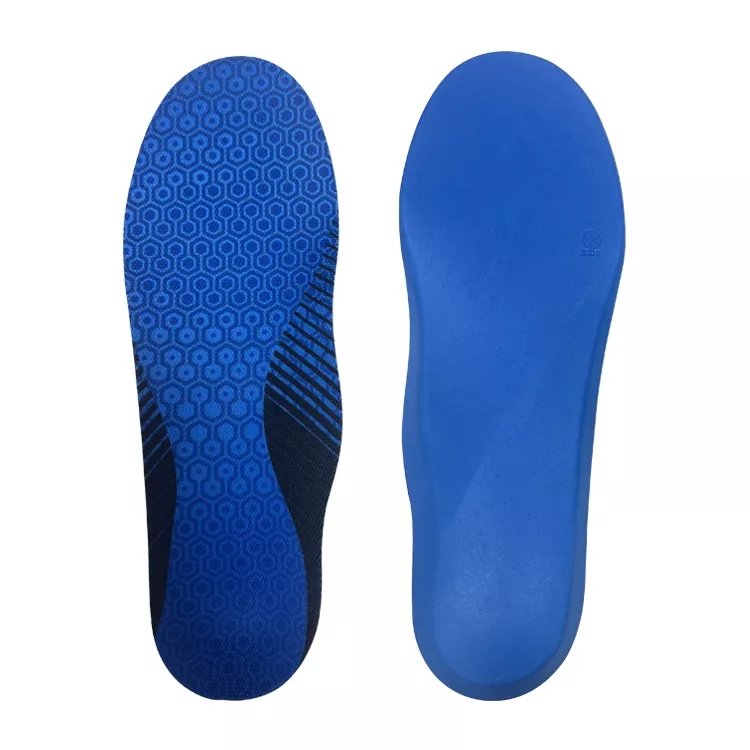
Not all insoles are equal. The best choice depends on activity level, foot shape, and use scenario.
Best for:
- Casual wear and light walking.
- Users looking mainly for softness and step‑in comfort.
Features typically include compressible foams or elastomer materials that gently absorb impact, ideal for everyday sneakers or lifestyle footwear.
Best for:
- Workers on their feet all day.
- Athletes and active users.
- People with flat feet, high arches, or recurring pain.
Key traits:
- Structured arch profile.
- Deeper heel cup for better stability.
- Materials designed to balance support and controlled flex instead of softness alone.
Even a good insole can perform poorly if it's chosen or used incorrectly.
- Too‑rigid support for sensitive feet: This can create pressure under the arch instead of relief.
- Skipping the break‑in period: Jumping straight into a full day of wear with a brand‑new insole can feel uncomfortable.
- Ignoring shoe–insole compatibility: If the insole doesn't match shoe volume, it can buckle, slide, or create uneven pressure points.
A better approach is to start with 1–2 hours of wear per day and increase gradually, allowing muscles and joints to adapt to the new loading pattern.
Some users will still choose to take insoles out in specific situations. If so, these practical steps can reduce the risk:
1. Limit time and intensity
Start with very short, low‑impact periods and carefully monitor for burning, deep fatigue, or joint aches.
2. Use a thinner replacement footbed
Instead of leaving the shoe completely bare, a slim insert can restore some cushioning and smooth out the interior without making the fit too tight.
3. Keep the interior clean and dry
After use, loosen laces, open the shoe, and let it air out so moisture doesn't accumulate and damage both your skin and the materials.
These steps don't remove the structural risks, but they make occasional insole‑free use safer.
From an OEM perspective, the insole is one of the most powerful—yet often underestimated—components for customer satisfaction and brand perception. [marketveep]
Even if a customer doesn't see the insole on the shelf, they feel it from the very first step.
- Shoes that feel supportive, soft, and stable inside generate better first impressions.
- This leads to higher review scores, fewer returns, and stronger brand loyalty. [bazaarvoice]
In competitive footwear markets, a differentiated insole can be the deciding factor between "average" and "favorite pair of shoes."
Working with a dedicated OEM insole manufacturer like 3BU Technology (Insolemaker) allows brands and sourcing teams to:
- Tailor density, contour, and materials for different regions and target groups.
- Develop specific insole solutions for sports shoes, safety boots, casual sneakers, outdoor footwear, and more.
- Integrate branding, eco‑friendly foams, or advanced fabrics aligned with market trends. [jcinsoles]
This kind of deep customization is difficult with generic, flat liners and is a clear way to add value without redesigning the entire shoe. [marketveep]
3BU Technology (Insolemaker) is a China‑based insole manufacturer with over 12 years of professional R&D and production experience, supplying OEM and ODM services to global footwear brands, wholesalers, and factories.
Key capabilities include:
- Small‑order OEM & ODM support for growing brands.
- Flexible material options (EVA, PU, foam composites, and more) for different price points and performance levels.
- Engineering support to match insole design with shoe category and target user.
Brands that partner with specialist OEM manufacturers can embed experience and expertise into every pair of shoes, supporting both performance and perceived quality. [iodigital]
In many cases, people remove insoles simply because they feel "dead" or uncomfortable, not realizing replacement is an option.
You should consider replacing insoles when:
- Foam feels flattened and no longer springs back.
- Visible cracks, peeling layers, or compressed areas appear.
- You notice a sudden increase in end‑of‑day soreness compared with earlier in the shoe's life.
Timely replacement keeps the shoe feeling new longer and protects the footwear investment—especially for work and safety shoes with higher purchase prices.
It is possible to wear shoes without insoles, but doing so turns most footwear into a harsher, less supportive environment for the feet—especially over long days, hard surfaces, or demanding activities. [centori]
For the vast majority of users, a well‑designed, properly fitted insole provides:
- Essential cushioning and shock absorption.
- Better alignment and stability.
- Improved hygiene and comfort.
- More predictable performance over the life of the shoe. [centori]
For brands and OEM buyers, investing in quality insoles is not just a comfort upgrade—it is a strategic lever to improve customer satisfaction, differentiate products, and strengthen long‑term loyalty. [marketveep]
If you're a footwear brand, wholesaler, or manufacturer looking for custom OEM insoles, contact 3BU Technology to develop footbeds that match your market, your margins, and your customers' comfort expectations.
1. Is it always bad to remove insoles?
Not always. For healthy feet and short, low‑intensity use, removing insoles can be acceptable, especially for temporary fit adjustments. However, as soon as discomfort or fatigue appears, it is safer to replace the insole or switch to shoes designed to be worn without one. [centori]
2. Can wearing shoes without insoles damage my feet?
Over time, the lack of cushioning and support can contribute to strain in the heels, arches, and forefoot, and may aggravate existing problems in ankles, knees, or hips. The risk is higher if you stand or walk for long periods or already have foot conditions. [centori]
3. Are insoles only necessary for people with foot pain?
No. Insoles are crucial for people with pain, but they also work as a preventive tool for healthy users by distributing load, reducing impact, and delaying fatigue throughout the day. [centori]
4. How can I tell if I need more support instead of just soft cushioning?
If you feel unstable, notice your feet rolling inward or outward, or experience recurring pain around the arches or knees, you likely need more structured support rather than extra softness alone. A supportive insole design or professional assessment can help pinpoint the right solution.
5. How often should I replace my insoles?
You should replace insoles when they lose shape and resilience or the surface begins to crack, peel, or compress noticeably. A clear sign is when your shoes suddenly feel harder and your feet grow more tired by the end of the day than before.
1. 3BU Technology (Insolemaker). "Can You Wear Shoes without Insoles?" (OEM insole manufacturer article).
<https://www.insolemaker.com/can-you-wear-shoes-without-insoles.html>
2. ALINE. "Can You Wear Shoes Without Insoles?" (Brand content on insole removal scenarios and risks).
<https://alineinsoles.com/blogs/news/can-you-wear-shoes-without-insoles> [centori]
3. Bazaarvoice. "Product page optimization: A 5-point audit for your brand." (Guidance on reviews and user-generated content for product success).
<https://www.bazaarvoice.com/blog/how-to-optimize-product-pages/> [bazaarvoice]
4. MarketVeep. "Essential Steps to Build a Winning OEM Marketing Strategy." (Content and positioning strategies for OEM manufacturers).
<https://www.marketveep.com/blog/essential-steps-to-build-a-winning-oem-marketing-strategy> [marketveep]
5. iO Digital. "Google E‑E‑A‑T: creating content that puts people first." (Best practices on experience, expertise, authoritativeness, and trustworthiness).
<https://www.iodigital.com/en/insights/blogs/google-e-e-a-t-creating-content-that-puts-people-first> [iodigital]
6. HubSpot. "Is Your Website EEAT‑compliant? What Developers Should Keep In Mind." (EEAT implementation tips across site content).
<https://blog.hubspot.com/website/eeat-compliance> [blog.hubspot]


