
Views: 222 Author: 3BU Technology Publish Time: 2026-05-28 Origin: Site


Wearing shoes that are even half a size too big can cause instability, blisters, and long‑term foot issues—but the right insoles can safely "tighten" loose shoes without buying a new pair. As a leading OEM insole manufacturer working with global brands and wholesalers, we've seen how simple fit corrections with insoles can dramatically improve comfort, return rates, and customer satisfaction. [blacktruckmedia]
In this guide, we'll walk you through how and why insoles make loose shoes tighter, how to choose the right type for different shoes and feet, and how brands or retailers can turn this into a clear product advantage. [shvmedia]
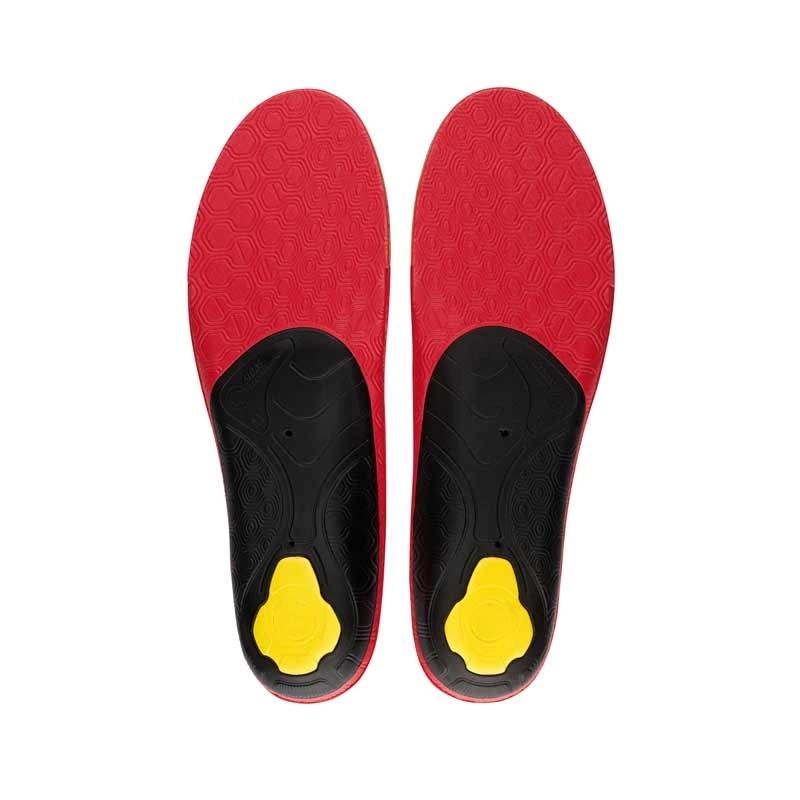
- Why shoes feel loose even when you "buy the right size"
- How different types of insoles make shoes tighter
- Step‑by‑step fitting instructions from a manufacturer's perspective
- Practical examples from real users
- OEM/branding tips for overseas brands, wholesalers, and factories
Even if you order your "usual size," there are several reasons shoes end up feeling too big. [shvmedia]
Common causes of loose shoes
- Brand‑to‑brand sizing variations – Different brands follow different lasts and sizing systems, so a size 9 from one brand can be closer to an 8.5 or 9.5 in another. [shvmedia]
- Material stretching over time – Leather, knit uppers, and some synthetic materials naturally stretch with heat and repeated flexing, especially if you walk or stand all day. [worldfootwear]
- Narrow or low‑volume feet – If your foot is slender or low in height, the shoe may feel "roomy" above and around the foot even at the correct length. [worldfootwear]
- Lack of half sizes – When brands don't offer half sizes, customers often size up, then try to fix the fit afterward. [shvmedia]
- Weight changes or sock choices – Weight loss, seasonal sock thickness, and orthotic use can all change how snug a shoe feels. [worldfootwear]
Why this matters for comfort and safety
Loose shoes are not just an annoyance:
- They increase heel slippage and friction, leading to blisters and calluses. [worldfootwear]
- They can reduce stability, especially during fast walking, running, or workplace tasks. [shvmedia]
- They make users "grip" with their toes to keep the shoe on, which can cause fatigue and toe pain. [worldfootwear]
This is exactly where insoles to make shoes tighter come in as a quick, low‑cost fix.
Insoles adjust the internal volume of your shoes and guide your foot into a more secure position. That means better contact, less slipping, and more confidence with each step.
Key ways insoles tighten shoes
- Fill extra space – Thicker insoles reduce the vertical volume between your foot and the shoe, making the fit snugger overall.
- Improve arch support – Targeted arch structures prevent feet from sliding forward, especially in sneakers or casual shoes.
- Enhance heel hold – Specific heel cups and heel grips reduce backward slip and improve alignment.
- Increase shock absorption – Added cushioning distributes pressure more evenly, which often makes a "too big" shoe feel more controlled and comfortable. [worldfootwear]
From an OEM perspective, the right insole design can tune the internal fit of a shoe by roughly half a size without changing the last or upper pattern, which is why many brands now pair certain models with specific insoles by default. [linkedin]
Not all insoles are designed to make shoes smaller. Some focus purely on cushioning; others focus on fit control and alignment.
Thicker insoles = tighter fit
- High‑volume insoles in memory foam or EVA can tighten a shoe by approximately half a size for many users. [linkedin]
- Low‑profile insoles provide support without significantly changing the fit—better for shoes that are only slightly loose.
Pro tip for brands and OEM partners:
Offer at least two thickness options in your insole line (standard and high‑volume) to cover more foot types without changing your shoe tooling. [insolemaker]
- Full‑length insoles are ideal when the whole shoe feels loose—from heel to toe. They reduce overall space, improve underfoot feel, and can add arch support.
- Heel inserts or heel grips work best if the main issue is heel slip while the forefoot feels fine. They slightly lift and lock the heel without changing toe room too much.
Many customers start by adding a full‑length insole and then layer a thin heel grip if they still feel movement at the back of the shoe.
Each insole material changes both fit and comfort in different ways. [worldfootwear]
Common materials for insoles to tighten shoes
- Memory foam – Compresses under weight and "remembers" the foot shape, providing a cushioned, custom feel that can tighten loose sneakers and casual shoes.
- Gel inserts – Excellent for shock absorption in dress shoes and heels; these are usually thinner, so they add comfort without over‑tightening. [worldfootwear]
- Leather insoles – Add a slightly firmer, more structured feel, ideal for dress shoes or classic footwear where breathability and longevity matter.
- EVA or PU foam – Lightweight and durable, these are commonly used in OEM insoles for sports and work shoes for a balance of support and cushioning. [jcinsoles]
If your feet feel loose inside the shoe and you experience fatigue or pain, arch support becomes critical. [worldfootwear]
- Neutral arch insoles suit most users with no major biomechanical issues.
- High‑arch insoles help users whose feet collapse inward in standard shoes, which can otherwise feel too roomy and unstable. [worldfootwear]
- Customizable or semi‑rigid orthotic insoles improve alignment while reducing internal space, especially important for long‑hour standing or industrial use. [jcinsoles]
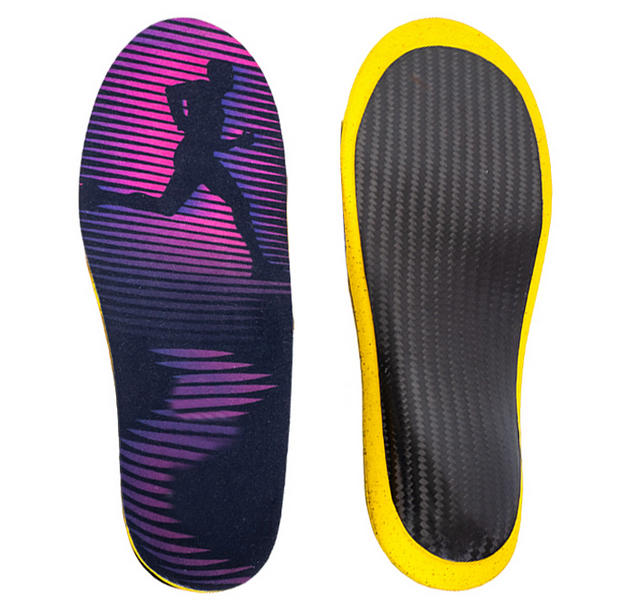
Below is a practical overview of the most common solutions people use to make loose shoes tighter.
Memory Foam Insoles
- Best for: Sneakers, casual shoes, everyday wear.
- Benefit: Thick, plush cushioning that fills extra volume and improves comfort during long walks. [worldfootwear]
Gel Inserts
- Best for: Dress shoes, heels, office footwear.
- Benefit: Thin yet cushioned; they absorb shock without making shoes feel overly tight. [worldfootwear]
Heel Grips / Heel Liners
- Best for: Shoes that fit in length but slip at the heel.
- Benefit: Focused fit adjustment at the back of the shoe; often combined with another insole type.
Orthotic Insoles
- Best for: Users needing both better fit and structural support (e.g., flat feet, overpronation). [worldfootwear]
- Benefit: Reduce internal volume while improving alignment, which can reduce fatigue and injury risk. [worldfootwear]
Below is a quick reference to match your problem with the right insole type. [shvmedia]
Fit Problem | Recommended Solution |
|---|---|
Shoe feels loose everywhere | Full‑length memory foam or EVA insole |
Heel slips but forefoot feels fine | Adhesive heel grip or heel pad |
Extra space plus arch fatigue | Full‑length orthotic insole with arch support |
Dress shoes slightly too big | Thin gel insole or forefoot pad worldfootwear |
Work shoes loose after stretching over time | High‑volume insole plus optional heel liner worldfootwear |
The original article referenced ALINE insoles and InvenTel as examples of innovative consumer solutions "as seen on TV." These brands show how clear positioning and problem‑solving messaging ("make loose shoes fit better") can resonate with buyers. [roirevolution]
As an OEM insole manufacturer, we see three key lessons for brands and wholesalers:
- Lead with the problem – Customers search with problems ("shoes too big") rather than technical product names. [shvmedia]
- Make instructions simple – Step‑by‑step visuals and short text improve adoption and reduce returns. [semrush]
- Highlight trust and testing – Show that your insole design is based on lab testing, user trials, or industry standards to reinforce E‑E‑A‑T signals. [roirevolution]
Correct use matters as much as choosing the right insole.
- Take out the original insole or sockliner from your shoe.
- This creates space so you can add a higher‑volume or more supportive insole without over‑tightening.
- Place the new insole over the old one and trace the outline if trimming is needed.
- Use sharp scissors and cut slowly from the toe area, checking fit frequently.
- Insert the new insole and ensure it lies flat with no wrinkles or bumps.
- If you feel any ridge, remove and trim again rather than forcing it.
- Walk around indoors for a few minutes.
- Check if your heel stays in place and if your toes have enough room to move comfortably. [worldfootwear]
- If there is still minor heel slip, add a thin heel grip at the back of the shoe.
- If your toes slide forward in heels, consider a forefoot pad in combination with a thin insole. [worldfootwear]
To align with Google's E‑E‑A‑T guidelines, it's important to combine technical knowledge with real‑world experience. Below are typical user stories compiled from customer feedback across footwear brands and OEM clients. [semrush]
Scenario 1: Online Order a Half Size Too Big
A customer orders running shoes online; they arrive slightly too long and loose. By adding a full‑length memory foam insole, the user reports improved snugness and reduced heel slip, extending the usable life of the shoes and avoiding a return. [worldfootwear]
Scenario 2: Leather Dress Shoes Stretch Over Time
A buyer invests in leather dress shoes, which feel perfect at first but stretch after a month of wear. A thin leather insole plus a small heel liner restores the original fit and reduces blisters, with minimal impact on style or internal volume. [worldfootwear]
Scenario 3: Workplace Safety Shoes Feel Loose After Long Shifts
Industrial workers often report their safety shoes feel loose after months of use. A high‑volume orthotic insole not only tightens the shoe but provides better arch support and reduces fatigue during 8–12 hour shifts. [jcinsoles]
As a Chinese OEM insole manufacturer serving global brands, wholesalers, and factories, we help partners build private‑label insole lines tailored to their target markets. [blacktruckmedia]
Key OEM strategies for "insoles to make shoes tighter"
- Segment by use case – Offer separate SKUs for casual, performance, dress, and work shoes. [jcinsoles]
- Highlight fit benefits on packaging – Use clear phrases like "Helps tighten loose shoes" or "Ideal for shoes that feel too big." [semrush]
- Provide multi‑language instructions – For global markets, localized instructions boost trust and reduce confusion. [linkedin]
- Use customer reviews in marketing – Showcase genuine user feedback about improved fit and comfort to strengthen trust and conversion. [roirevolution]
If your shoes feel loose or your customers frequently complain about fit issues, insoles to make shoes tighter are one of the simplest, most cost‑effective solutions. [shvmedia]
- For individual users: Start by identifying where your shoes feel loose, then choose a full‑length insole, heel grip, or orthotic option that matches your use case. [worldfootwear]
- For brands, wholesalers, and manufacturers: Partner with a specialized OEM insole factory to develop private‑label insoles that solve fit problems and add value to your footwear line. [blacktruckmedia]
Ready to improve fit and comfort?
Contact our OEM team to develop customized insoles that make loose shoes tighter, reduce returns, and enhance your customers' everyday experience. [insolemaker]
1. Do insoles really make shoes tighter?
Yes. By adding volume and support inside the shoe, insoles reduce internal space and improve contact between your foot and the shoe, effectively making it feel tighter and more secure. [worldfootwear]
2. Will insoles make my shoes too small?
If you choose a very thick insole for an already snug shoe, it can feel too tight. Start with medium‑thickness insoles and test indoors; you can adjust thickness or combine with heel grips if needed. [worldfootwear]
3. Can I use insoles in all types of shoes?
Most shoes with removable sockliners can accommodate insoles. For very tight formal shoes or slim fashion sneakers, thin gel or leather insoles are usually the safest choice. [worldfootwear]
4. How long do insoles for loose shoes typically last?
Lifespan depends on materials and usage. Foam and gel insoles commonly last 3–6 months with daily use, while higher‑end orthotic or leather insoles can last longer if cared for properly. [jcinsoles]
5. Are insoles a better option than returning the shoes?
If the shoes are dramatically too large, returning or exchanging is best. However, when the fit is only slightly loose—especially if the shoes have already stretched—insoles are a fast, cost‑effective, and sustainable solution. [worldfootwear]
1. ALINE / InvenTel original article: "Choosing Insoles to Make Your Loose Shoes Tighter" – Alineinsoles.com.
2. Semrush – "Google E‑E‑A‑T: What It Is & How It Affects SEO." [](https://www.semrush.com/blog/eeat/)
3. ROI Revolution – "Optimizing Your Site for Google E‑E‑A‑T." [](https://roirevolution.com/blog/google-e-e-a-t-how-to-optimize-your-site-to-align-with-the-search-quality-rater-guidelines/)
4. World Footwear – "Footwear Consumer 2030" report on footwear trends and consumer behavior. [](https://www.worldfootwear.com/media/wf_uploads/wf20191132716572.pdf)
5. Jolt Comfort – "From Concept to Market: Launching Your Insole Brand." [](https://www.jcinsoles.com/post/from-concept-to-market-launching-your-insole-brand)
6. OEM manufacturer SEO strategy case study – Blacktruck Media. [](https://blacktruckmedia.com/case-studies/oem-manufacturer-seo-strategy/)
7. SEO guide for footwear industry – SHV Media. [](https://shvmedia.com/blogs/seo-guide-footwear-industry)
8. 3BU insole manufacturing content and OEM capabilities. [](https://www.insolemaker.com/top-10-sports-insoles-manufacturers-in-china.html)


