
Views: 222 Author: 3BU Technology Publish Time: 2026-05-24 Origin: Site


Spending long hours on your feet is tough on your body—but it is also a huge product opportunity if you're a footwear brand, wholesaler, or OEM producer. This expert guide combines real worker pain points, insole technology best practices, and our manufacturing experience at 3BU Technology, a leading Chinese OEM insole manufacturer, to help you design and source the best insoles for long hours at work that truly perform in real-world conditions. [linkedin]
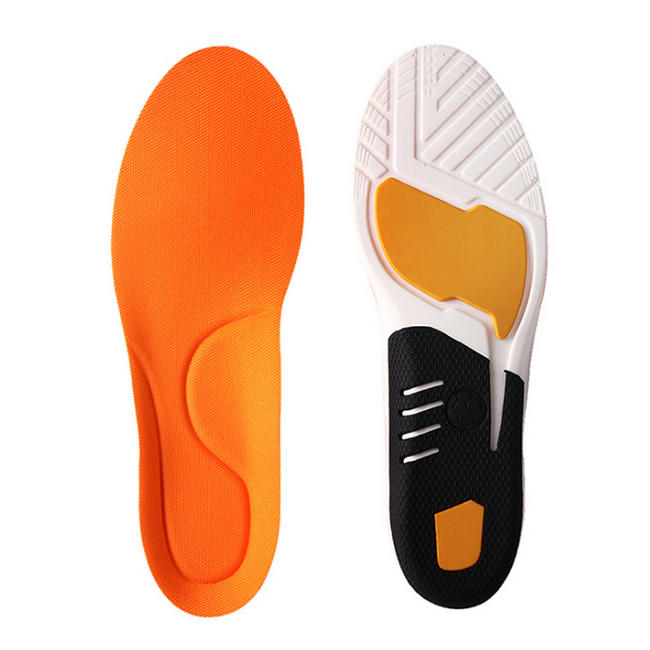
Workers in healthcare, logistics, retail, hospitality, and manufacturing often stand or walk for 8–12 hours a day, which can lead to plantar fasciitis, heel pain, knee strain, and lower-back fatigue. The right insole design—with optimized arch support, shock absorption, and fit—can significantly reduce these issues and improve workplace comfort and productivity. [redi-thotics]
For brands and distributors, this isn't just a comfort feature; a well-engineered work insole line can become a high-margin, high-retention product category that builds trust and loyalty with end users. [moz]
Standing or walking all day loads your feet with repetitive stress. That stress travels up the kinetic chain to your ankles, knees, hips, and lower back. Without proper support, users may experience: [superfeet]
- Persistent heel and arch pain (often linked to plantar fasciitis)
- Burning forefoot or metatarsal pain
- Swollen, tired feet after each shift
- Increased risk of overuse injuries and absenteeism [redi-thotics]
Quality insoles help by:
- Supporting the arch to reduce strain on the plantar fascia
- Absorbing shock on hard floors like concrete and tile
- Stabilizing the heel to control overpronation or supination
- Improving alignment, which reduces stress on joints further up the body [superfeet]
From an OEM perspective, this translates into clear functional requirements: defined arch profiles, heel cup geometry, material hardness (shore A values), and multi-layer constructions that address specific job environments. [insolemaker]
For long hours at work, arch support is non‑negotiable. [redi-thotics]
A well-designed work insole should:
- Match different arch types (low, neutral, high)
- Control excessive pronation without feeling too rigid
- Distribute pressure evenly across the midfoot and forefoot
Brands commonly use EVA, PU, or composite shells to create structured arch support that maintains shape under load. This helps prevent or manage plantar fasciitis and reduces fatigue during long shifts. [insolemaker]
Workers on concrete factory floors or hospital corridors need deep, consistent cushioning that doesn't collapse halfway through a shift. [superfeet]
Effective cushioning systems often include:
- High‑density EVA or PU foam for long-lasting compression resistance
- Gel pads under heel and forefoot for localized impact zones
- Multi‑layer constructions that combine soft top comfort with firmer support below [insolemaker]
The balance is crucial: overly soft insoles feel good at first touch but can bottom out quickly and reduce stability. [redi-thotics]
Work insoles are used daily, often in demanding environments. A professional-grade insole must:
- Maintain its shape after hundreds of hours of use
- Resist compression set (permanent flattening)
- Manage sweat and reduce odor through breathable foams, perforations, and antimicrobial top covers [insolemaker]
As a manufacturer, 3BU operates a 5000 ㎡ workshop with over 100 skilled workers, allowing consistent quality control across high-volume orders. [insolemaker]
The original Aline article introduced memory foam, gel, orthotic, arch support, and cushioning insoles. Below is an expert-level, buyer‑oriented breakdown.
Memory foam insoles mold to the user's foot shape and feel instantly plush.
Pros for work use:
- High initial comfort and pressure distribution
- Custom-feeling fit for different foot shapes
Considerations for brands:
- Foam can lose resilience over time, especially in heavy users
- Best used as a top comfort layer combined with a more stable support base
Many successful work insoles pair a memory foam top with rigid or semi‑rigid arch structures to maintain performance over months of use. [redi-thotics]
Gel insoles excel at localized shock absorption, especially under the heel and ball of the foot.
- Ideal for: warehouse workers, retail staff, and hospitality workers on hard floors
- Strength: excellent impact absorption at key pressure points
- Limitation: gel alone typically offers limited structural arch support, so it's often combined with other materials. [redi-thotics]
Orthotic insoles use more rigid materials (like reinforced EVA or plastic shells) to correct biomechanical issues such as flat feet or high arches.
- Target users: people with diagnosed conditions or chronic pain
- Design features: deep heel cup, contoured longitudinal arch, sometimes metatarsal pads
- Business angle: premium positioning and often higher margins, sometimes recommended by clinicians [superfeet]
As an OEM, 3BU supports structured orthotic designs for global brands, based on professional CAD and footbed data. [insolemaker]
The most versatile work insoles combine structured support with all‑day cushioning.
- Semi‑rigid arch shell + cushioning top layer
- Targeted pads at heel and forefoot
- Suitable as a universal SKU for most working adults
This hybrid category is often the best starting point for brands launching a "work comfort" line because it balances comfort, support, and broad fit. [redi-thotics]
The original article briefly covered plantar fasciitis and flat feet; below we deepen that into product-level guidance.
Plantar fasciitis is one of the most common complaints among people who stand all day. It is caused by micro‑tears and inflammation in the plantar fascia, the thick band of tissue running from heel to toes. [redi-thotics]
Effective plantar fasciitis work insoles should include:
- Firm arch support to reduce tension on the fascia
- Deep heel cup to stabilize the heel and improve shock distribution
- Slight heel elevation and extra cushioning at the heel strike zone
Some brands also add a metatarsal pad to offload forefoot pressure. [redi-thotics]
Workers with flat feet often overpronate, rolling inward excessively with each step.
Recommended design elements:
- Medial arch support that is firm enough to resist collapse
- Heel posting or wedge structures to control pronation
- Wider midfoot platform for stability
OEM partners like 3BU can customize arch height, posting angle, and hardness to match brand positioning and target users. [insolemaker]
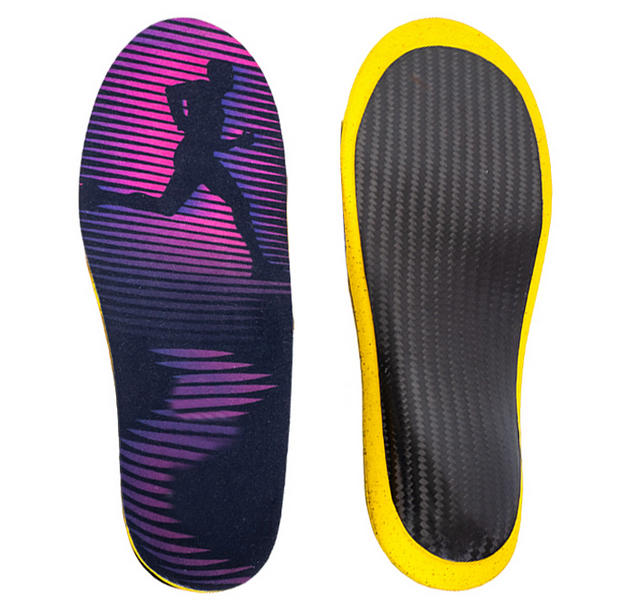
This is a key information gap in many consumer articles: they present features but not a clear selection process. Below is a simple but detailed step‑by‑step framework you can incorporate into your brand content and product pages. [developers.google]
Ask:
- Is the user standing mostly in one place (e.g., cashier, machine operator) or moving all day (nurse, warehouse picker)?
- What surfaces do they work on—concrete, tile, steel platforms, outdoor terrain?
- Is the environment hot, humid, or prone to liquids and chemicals?
For static standing on hard floors, prioritize maximum cushioning and shock absorption. For dynamic movement, prioritize support and stability plus moderate cushioning. [superfeet]
Simple user self-checks:
- Low arch / flat feet: foot stays wide and flat when standing
- Neutral arch: moderate curve at midfoot
- High arch: narrow midfoot contact, more pressure on heel and forefoot
Match footwear to:
- Flat feet → structured arch + heel control
- Neutral → hybrid cushioning + support
- High arch → more cushioning under heel and forefoot, moderate arch contour [superfeet]
- Mild discomfort, general fatigue → cushioning or hybrid insoles
- Recurring heel pain or plantar fasciitis → plantar fasciitis / orthotic designs
- Known biomechanical issues → orthotic category, potentially with clinician input [redi-thotics]
The original article correctly emphasized measuring foot length and width and comparing to the sizing guide. For best results:
- Measure feet late in the day when swelling is greatest
- Check that the insole fills the shoe without buckling
- Ensure toes and forefoot have enough room once the insole is inserted
For OEM customers, we often recommend providing a trim‑to‑fit template and clear size charts on packaging and product pages. [insolemaker]
From a manufacturing and branding standpoint, the "best insole" is one that delivers genuine comfort while being feasible to produce, scale, and differentiate in the market. [insolemaker]
- Material stack: EVA/PU base, gel pads, memory foam top, antimicrobial fabric cover
- Custom tooling: arch molds and heel cup designs that reflect your brand's signature fit
- MOQ flexibility: many Chinese orthopedic insole manufacturers can support MOQs from about 500 to 5,000 pairs, suitable for both emerging and established brands. [insolemaker]
- Branding elements: custom colors, logos, printing on top cloth, retail packaging
3BU Technology, established in 2012 in Dongguan, has more than 12 years of experience developing insoles for global brands like Sidas, Footlogstics, and VKTRY, and supports small-order OEM & ODM for new or niche product lines. [insolemaker]
Below is a compact decision-support table you can adapt for your product pages.
Insole type | Best for long hours when… | Main benefits | Potential drawbacks |
|---|---|---|---|
Memory foam | User wants soft, plush feel and moderate support | Personalized cushioning, good pressure distribution | Can lose shape over time under heavy use |
Gel | Impact on hard floors is main problem | Excellent shock absorption at heel/forefoot redi-thotics | Limited structural arch support alone |
Orthotic / biomechanical | User has plantar fasciitis, flat feet, or joint issues | Strong arch support, heel stabilization redi-thotics | Feels firmer, may require adaptation period |
Cushioning + support hybrid | General fatigue, mixed standing and walking | Balanced comfort and support, broad user fit | Needs careful design to avoid bulk in some shoes |
The original article described a solid cleaning and rotation workflow that is still best practice.
- Remove insoles and shake out loose dirt regularly
- Clean with mild detergent and warm water using a soft brush
- Rinse and air dry completely away from direct heat before re‑use
- Use baking soda or odor-control sprays if needed
For workers who use insoles daily:
- Rotate between at least two pairs to allow full drying and shape recovery
- Replace insoles when you see visible compression, cracked top covers, or when comfort clearly drops, typically after several months of heavy use [redi-thotics]
Frequent replacement is an opportunity for subscription or repeat‑purchase models for brands.
If you're planning to launch or upgrade a work insole line, the next step is to translate these principles into a concrete product brief.
You can:
1. Define your target users (industry, shift length, common pain points).
2. Choose your hero insole type (hybrid support, orthotic, gel, or memory foam-based).
3. Align on materials, arch profile, and thickness according to your footwear range.
4. Partner with an experienced OEM to prototype, test, and scale. [insolemaker]
As a professional insole maker, 3BU Technology provides custom OEM & ODM insole development, from free design support based on your sketches to mass production for both emerging and world-class brands. You can reach our team in Dongguan, China, for tailored solutions that fit your brand positioning and market channel. [insolemaker]
1. How do I know if my customers need work-specific insoles?
If your customers report sore feet, heel pain, or lower back discomfort after 8–12 hour shifts, or if they work mostly on hard floors, they are strong candidates for specialized work insoles. [superfeet]
2. Are memory foam insoles enough for long shifts?
Memory foam feels very comfortable initially, but for long hours it performs best when combined with a more structured arch and heel support layer, especially for heavier users or hard-floor environments. [redi-thotics]
3. How often should work insoles be replaced?
For daily use in demanding jobs, most insoles should be replaced every few months or when you see flattening, cracking, or a clear drop in comfort and support. [redi-thotics]
4. Can one insole design fit all foot types?
A hybrid design can satisfy many users, but people with very flat feet or very high arches often benefit from more targeted orthotic solutions, so offering at least two support profiles is ideal. [superfeet]
5. What advantages does an OEM like 3BU offer compared with generic stock insoles?
An experienced OEM can customize arch profiles, material stacks, branding, and packaging to your exact requirements, while maintaining consistent quality at scale and supporting smaller MOQs for new ranges. [insolemaker]
1. Aline Insoles. "Best Insoles For Long Hours At Work with Aline Insoles." [https://alineinsoles.com/blogs/news/best-insoles-for-long-hours-at-work-with-aline-insoles]
2. 3BU Technology. "About Us – 3BU." [https://www.insolemaker.com/aboutus.html] [insolemaker]
3. 3BU Technology. "Custom EVA Insole, Customized PU Insole – China Manufacturers …" [https://www.insolemaker.com] [insolemaker]
4. 3BU Technology. "Top 10 Orthopedic Insole Manufacturers in China." [https://www.insolemaker.com/top-10-orthopedic-insole-manufacturers-in-china.html] [insolemaker]
5. Redi-Thotics. "Best Insoles for Standing All Day at Work: A Guide." [https://redi-thotics.com/best-insoles-for-standing-all-day/] [redi-thotics]
6. Superfeet. "Work on Your Feet? Discover the Best Insoles for Long Shifts." [https://www.superfeet.com/blogs/foot-health-podiatry/work-on-your-feet-discover-the-best-insoles-for-long-shifts] [superfeet]
7. Moz. "What is Google E-E-A-T? Guidelines and SEO Benefits." [https://moz.com/learn/seo/google-eat] [moz]
8. Google Search Central. "Creating Helpful, Reliable, People-First Content." [https://developers.google.com/search/docs/fundamentals/creating-helpful-content] [developers.google]


