


Content Menu
● The Core Functions of Shoe Insoles
>> Cushioning and Shock Absorption
>> Arch Support and Postural Alignment
>> Pressure Distribution and Balance
>> Moisture Management and Breathability
>> Rehabilitation and Preventive Care
>> For Athletes and Sports Enthusiasts
>> For Orthopedic and Medical Use
>> For Footwear Brands and Wholesalers
● Material Selection and Technological Innovation
>> Advanced Manufacturing Techniques
● Insole Design for Different Applications
>> Sports and Outdoor Footwear
>> Industrial and Safety Footwear
>> Orthopedic and Therapeutic Markets
● How to Choose the Right Insoles
● Business Value for OEM and ODM Brands
● How Insoles Extend Shoe Lifespan
● The Future of Insole Technology
● FAQ
>> 1. What determines the durability of a shoe insole?
>> 2. How often should insoles be replaced?
>> 3. Can insoles fix foot pain or flat feet?
>> 4. Are insoles suitable for all shoe designs?
>> 5. What benefits do customized OEM insoles offer brands?
Comfort, durability, and performance define the modern footwear experience. Whether worn by athletes, office professionals, or industrial workers, shoe insoles have become essential to how shoes feel and function. Yet, many still ask the same question: Are shoe insoles really worth it?
The answer is not just about comfort. It's about health, performance, and efficiency — both for the user and for footwear brands aiming to add value through OEM manufacturing. This article explores everything from insole benefits and materials to industrial applications and customization opportunities for global brands.
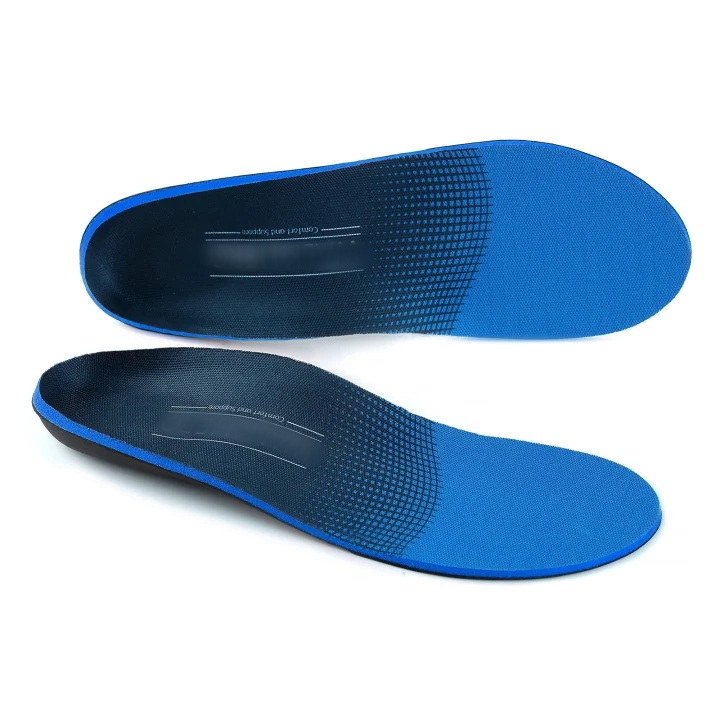
Shoe insoles, also known as footbeds or inner soles, are removable components placed inside footwear to enhance comfort, support, and health. Their primary purpose is to provide cushioning between the foot and the shoe's midsole, but their benefits go far beyond padding. Insoles can improve posture, relieve fatigue, and prevent injury.
For OEM manufacturers, insoles represent a key differentiator in product development. A shoe with a well-designed insole not only performs better but also feels more luxurious, increasing repeat purchase rates and brand loyalty.
Understanding the true worth of insoles begins with recognizing their functions. High-quality insoles interact with the human body at multiple biomechanical levels.
Every step creates ground reaction forces that travel up through the foot, ankle, and spine. Without sufficient cushioning, these impacts accumulate, leading to pain in the heel or knee. Insoles made of EVA or gel effectively disperse shock energy, minimizing muscle strain and joint fatigue.
Feet act as natural shock absorbers through their arches. When the arch is too high or too flat, it affects the alignment of the entire body. Arch-support insoles stabilize foot movement, reduce overpronation or supination, and promote correct walking posture. Over time, this reduces long-term musculoskeletal issues.
People with uneven gait or weight distribution often face foot aches or blisters. Ergonomic insoles evenly distribute load across the foot surface, enhancing balance and coordination for both athletes and workers who stand for extended hours.
Sweaty feet can cause odor and bacterial growth. Modern insoles integrate breathable perforations and antimicrobial coatings to enhance air circulation and hygiene, especially in closed-toe footwear.
For individuals recovering from injuries, insoles with medical-grade cushioning ease pressure off sensitive zones. This aids in faster recovery and prevents reinjury.
The value of an insole should be measured not only by initial comfort but also by its contribution to foot health and overall performance. In most cases, high-quality insoles are absolutely worth the investment.
Insoles transform ordinary shoes into ergonomic footwear. Teachers, nurses, warehouse staff, and delivery workers spend long hours on their feet. Fatigue can accumulate without proper support, often leading to heel pain or lower back discomfort. By using cushioned or arch-supported insoles, daily comfort improves significantly while long-term damage is reduced.
Running, training, and competitive sports demand repetitive motion. Sports insoles engineered from EVA, PU, or carbon fiber support dynamic movement, minimize joint load, and enhance propulsion. Insoles become an invisible part of performance gear — subtle but critical in avoiding injuries like plantar fasciitis or shin splints.
For patients with posture misalignment, diabetes, or arthritis, orthopedic insoles can be life-changing. They help correct gait irregularities and relieve pressure on sensitive areas. While more expensive, medical-grade insoles provide therapeutic benefits unattainable from mass-market models.
From a business standpoint, insoles quickly elevate a product's perceived value. OEM insole production allows brands to create customized comfort systems — matching materials, densities, and color patterns to their product lines. This not only differentiates products in a competitive market but also increases customer satisfaction.
The function and performance of an insole depend on both material choice and manufacturing technology. A well-structured design combines different layers to achieve balance between support, flexibility, and durability.
- EVA Foam: Known for excellent shock absorption and lightweight flexibility. Ideal for sports and casual shoes.
- PU Foam: More resilient and long-lasting than EVA. It retains shape over extended wear.
- Latex Foam: Provides gentle softness and rebound, suitable for comfort or leisure footwear.
- Silicone or Gel: Adds targeted cushioning to heels and arches. Often used in performance or medical shoes.
- Memory Foam: Molds to foot contours for personalized comfort, commonly used in premium-grade footwear.
- Cork and Leather: Breathable natural materials preferred in high-end or orthotic designs.
Modern OEM factories integrate automation and precision technology to create consistent, ergonomic insoles. Key processes include:
- Compression molding: Ensures uniform density and shape retention.
- Injection molding: Used for multi-density layers and built-in arch support.
- 3D scanning and CNC shaping: Provide precise fit customization for orthotic designs.
- Lamination and bonding: Combine multiple performance layers for durability and flexibility.
- Heat and pressure treatment: Enhance adhesion strength and insole structure stability.
With these advanced techniques, manufacturers can achieve the perfect balance between comfort and production efficiency while meeting global quality certifications.
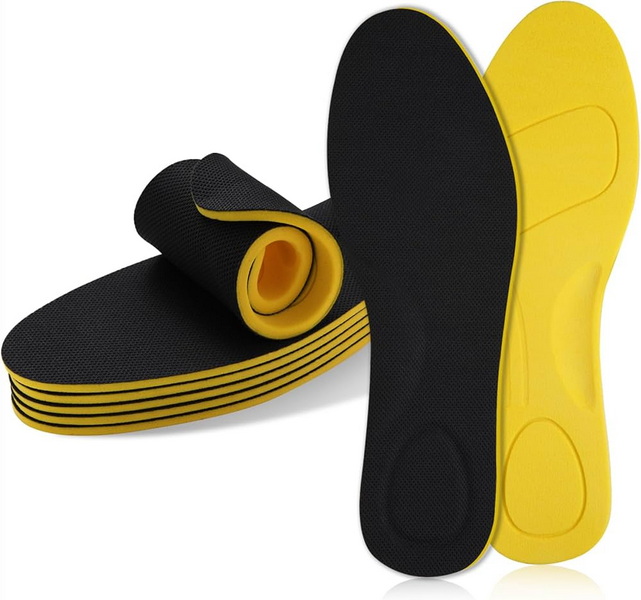
Every industry demands different functions from footwear — and insoles adapt accordingly.
Athletic shoes require high elasticity, ventilated structures, and stability under lateral movement. OEM factories design insoles with air channels and responsive materials that maximize rebound while minimizing fatigue.
Work shoes must combine stability, insulation, and moisture control. Heavy-duty insoles feature high-density PU bases, anti-static layers, and pressure-relief zones suitable for construction, manufacturing, or logistics environments.
Medical-grade insoles are developed through close cooperation between biomechanical engineers and podiatrists. They include arch-corrective inserts, heel cups, and removable layers for adjustable comfort.
Luxury brands demand both functionality and aesthetic appeal. Customized color, branding, and embossing options help develop insoles that reflect brand identity without compromising functionality.
For kids, insoles support early posture development. Lightweight, non-toxic EVA foam with soft arch contouring ensures comfort and correct foot shape growth.
Choosing the correct insole depends on understanding the end user's needs and conditions.
1. Identify Foot Shape and Arch Type. Flat feet and high arches require different structural support levels to maintain balance and reduce stress.
2. Match with Shoe Type. A running shoe benefits from lightweight and ventilated insoles, while a work boot requires dense, anti-fatigue padding.
3. Consider Material Density. Denser foams provide better shock absorption for heavy-duty wear, while softer foams are best for leisure footwear.
4. Verify Fit and Trim Options. Some insoles require trimming to fit precisely. Manufacturers often offer standard sizing to simplify user installation.
5. Check Hygiene and Maintenance Needs. Breathable and antimicrobial materials ensure long-term freshness and extended product life.
6. Work with Reliable OEM Partners. Quality insole production depends heavily on accurate molding, tested materials, and consistent inspection.
For global footwear brands, choosing the right OEM insole supplier is strategic. Insoles not only affect functionality but also brand reputation and profit margins.
Leading Chinese manufacturers combine design engineering, ergonomic research, and scalable production. They provide OEM (Original Equipment Manufacturing) and ODM (Original Design Manufacturing) services to brands worldwide — helping them customize insoles that fit their style, market, and budget.
- Customization: Full control over size, shape, material, and branding.
- Cost Efficiency: Lower production costs with consistent quality output.
- High Volume and Fast Delivery: Automated facilities ensure timely bulk export.
- Sustainability Options: Recyclable foams and eco-friendly adhesives align with green product goals.
- Testing and Certification Support: Compliance with international standards positions products for seamless export approval.
By integrating premium insole systems through OEM production, global brands can attract consumers who prioritize health, comfort, and sustainability — market forces that are shaping the future of footwear design.
A well-designed insole not only benefits the wearer but also preserves the shoe itself. Insoles act as protective layers that reduce abrasion and deformation. They stabilize the footbed, maintain shoe structure, and prevent early deterioration of the outsole and upper materials.
This sustainability aspect appeals to eco-conscious consumers who prefer long-lasting products over fast fashion. For manufacturers and wholesalers, it provides a unique selling proposition — promoting durability as a feature that enhances both value and brand image.
The insole industry continues to evolve with material innovation, digital design, and customization demands. In the coming years, several trends will shape the market:
- Smart Insoles: Integration of sensors that monitor steps, posture, and calories burned.
- Eco Materials: Growth of biodegradable and recycled foams to reduce environmental impact.
- 3D Printed Insoles: Personalized designs produced through digital foot scanning.
- Medical Diagnostics: Insoles capable of tracking pressure distribution to detect early orthopedic issues.
- AI-Driven Design: Data-enhanced CAD systems forecasting comfort levels and fatigue points for optimized performance.
OEM manufacturers investing in R&D and sustainability will have a competitive edge, particularly in serving international sports and medical footwear brands seeking innovation-led suppliers.
So, are shoe insoles worth it? Undeniably, yes. Insoles contribute to health, comfort, and long-term performance for every user — from athletes to factory workers. They prevent fatigue, provide cushioning, and improve body alignment, proving that such a small component can have an enormous impact.
For footwear brands and wholesalers, incorporating advanced insole technology is not just a design choice but a business strategy. High-quality insoles reflect craftsmanship, enhance brand reputation, and foster customer loyalty. Partnering with a trusted OEM insole manufacturer in China offers the perfect combination of comfort innovation, production efficiency, and global market readiness.
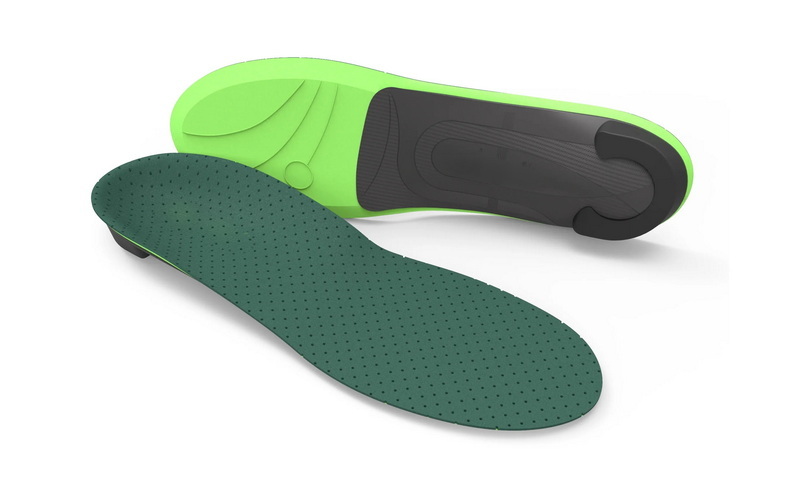
Durability depends on material density, user activity, and exposure to moisture. PU and EVA insoles usually last longer than latex or basic foam types.
Typically, every six to twelve months based on daily usage. Heavy-duty or sports applications may require replacement sooner to maintain performance and hygiene.
Insoles can relieve discomfort and improve walking posture, but they cannot permanently alter bone structure. For chronic pain, consult a podiatrist for custom orthotics.
Most shoes can accommodate removable insoles, but slim or tight-fitting shoes may need thinner designs to avoid overcrowding.
Custom-made insoles allow brands to differentiate through comfort systems, unique designs, and sustainable materials. They add competitive value and enhance user satisfaction in both domestic and international markets.


