
Views: 271 Author: 3BU Technology Publish Time: 2026-07-15 Origin: Site


Content Menu
● When to Replace Insoles – A Practical, Expert Framework
● Key Signs Your Insoles Are "Tired"
>> Visible Wear and Surface Damage
>> Loss of Support and Cushioning Feel
>> Return of Foot, Knee, or Back Pain
>> Odor, Staining, and Hygiene Issues
>> Instability, Imbalance, and Gait Changes
● How Often Should You Replace Insoles?
>> General Consumer Guidelines
>> Material Matters – Foam, Gel, Cork, Leather and Composites
>> Factors That Shorten or Extend Insole Lifespan
● Practical Checklists for Users, Brands, and Retailers
>> Quick Home Checklist – Three Simple Tests
>> Retail and Brand After‑Sales Checklist
● When to Replace Custom and High‑Performance Insoles
>> Custom Orthotics and Medical Inserts
>> Anti‑Fatigue and Industrial Replacement Insoles
● OEM/ODM Insight – Designing Insoles for Real‑World Replacement Cycles
● How to Extend Insole Life Without Compromising Health
● When You Should Not Wait – Red Flags for Immediate Replacement
● Clear Call to Action – Align Comfort, Support, and Product Strategy
● FAQs: When to Replace Insoles
Replacing insoles at the right time is not just about comfort – it's about protecting long‑term foot health, posture, and overall performance. As a leading China‑based insole manufacturer serving global brands and wholesalers, 3BU Technology has seen how timely replacement and quality OEM insoles directly impact customer satisfaction and repeat sales. [insolemaker]
- Clear signs it's time to replace insoles
- How often different users should change insoles
- Material‑based lifespan insights and industry data
- Practical replacement checklists for retailers and end users
- OEM/ODM considerations for footwear and insole buyers
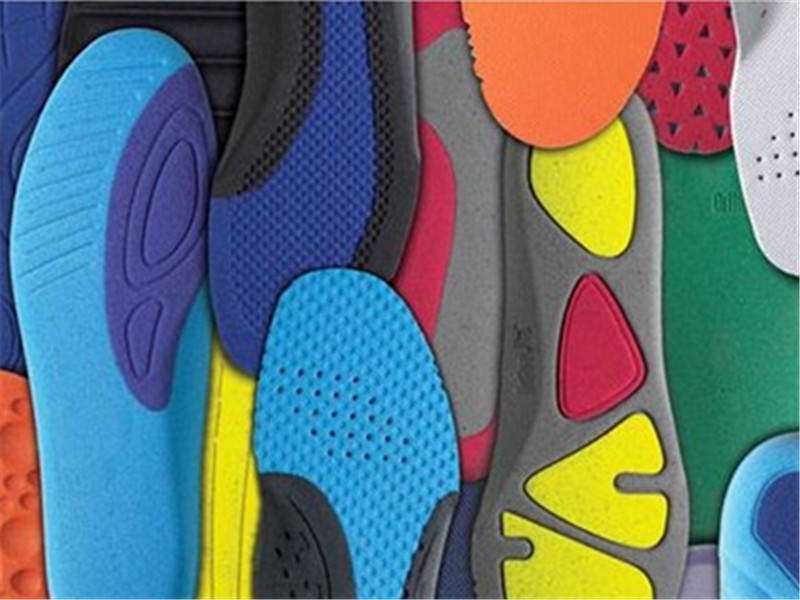
Insoles are the hidden engine of every shoe, quietly managing shock absorption, alignment, and pressure distribution with every step. Over time, foams, gels, and support shells fatigue, which means even premium insoles lose stability and cushioning if they are not replaced on schedule. [ilfootclinic]
From a manufacturing and OEM perspective, insole replacement behavior directly influences product reviews, brand loyalty, and return rates, making this topic strategically important for any footwear or sports brand. [360iresearch]
One of the easiest ways to judge insole health is simply to look at the surface and edges. Worn‑out insoles typically show: [insolemaker]
- Cracks, tears, or holes in the top cloth
- Frayed edges or peeling layers
- Flattened zones where cushioning used to feel thicker
As a rule of thumb, when an insole's top layer no longer looks smooth and resilient, its ability to manage friction and moisture is already compromised. [theinsolestore]
Beyond visible damage, insoles can fail structurally while still looking "okay." Two quick at‑home tests can help users decide: [ilfootclinic]
- Thumb‑press test: Firmly press the heel and forefoot; if the foam does not spring back, cushioning is fatigued. [theinsolestore]
- Twist test: Gently twist the insole from heel to toe; if it bends and twists very easily, the support base may be breaking down. [ilfootclinic]
When support weakens, many users report:
- Less energy return while walking or running
- Faster foot fatigue by midday
- A looser, less stable feeling inside the shoe [footonboot]
A common pattern in user reviews is that pain improves right after switching to new insoles, then slowly returns months later as the insole ages. This is often a sign that it is time to replace insoles, not necessarily the shoe. Typical warning signals include: [footonboot]
- Arch or heel discomfort after normal daily activity
- Increased soreness around knees, hips, or lower back due to misalignment
- Tight calves or ankles after standing or walking for long periods [insolemaker]
For brands and retailers, customer complaints about pain "coming back" around the 3–9 month mark can be an indicator that their audience needs clearer replacement guidance in product pages and after‑sales emails. [rei]
Unpleasant odor is not just a cosmetic problem; it often points to microbial buildup and material breakdown. Common signs include: [theinsolestore]
- Persistent odor that does not fully vanish after cleaning
- Staining or dark patches from sweat absorption
- A damp or sticky feel even in dry conditions
In these cases, replacement is often safer than repeated deep cleaning, especially for insoles used in high‑sweat environments like work boots, running shoes, and safety footwear. [rei]
Many modern insoles, including performance and anti‑fatigue designs, are engineered to guide foot alignment. When their structure fails, users may notice: [rei]
- Extra pronation or supination
- Foot tilting inwards or outwards inside the shoe
- Small changes in stride, such as uneven pressure or wobbling on uneven surfaces [insolemaker]
For brands selling performance and work footwear, these stability issues can quickly turn into safety concerns, especially in industrial or outdoor environments. [360iresearch]
There is no single universal schedule, but industry data and clinic experience provide clear ranges for most users. [ilfootclinic]
Many aftermarket insoles are designed to last around 6 to 12 months with regular daily use. However, lifespan depends heavily on usage intensity: [footonboot]
- Normal daily wear (office, errands, light walking): about 6–9 months for quality insoles
- Heavy daily wear (long shifts on hard floors, delivery, warehouse work): 3–6 months is often realistic
- Occasional or seasonal use (hiking boots, ski boots): can last 12 months or more if cared for properly [theinsolestore]
The table below offers a simple reference that brands can adapt into user manuals and product pages.
Recommended Insole Replacement Timelines
| User type / scenario | Typical replacement window | Notes |
|---|---|---|
| Office & casual user | 6–9 months (theinsolestore) | Moderate mileage, mixed surfaces |
| Retail & hospitality worker | 3–6 months (theinsolestore) | Long hours standing on hard floors |
| Runner / high‑impact sports | 3–6 months (theinsolestore) | High shock, frequent sweat, faster foam fatigue |
| Outdoor / hiking user | 6–12 months (footonboot) | Often seasonal; lifespan depends on terrain |
| Safety / industrial boots | 3–9 months (360iresearch) | Concrete floors and load‑bearing work accelerate wear |
From a manufacturing and OEM perspective, insole material choice defines both performance and expected replacement cycles. Typical patterns include: [footonboot]
- Standard foam or memory foam: comfortable and light but often compresses within 6–9 months of frequent wear. [theinsolestore]
- Gel inserts: excellent shock absorption but can flatten or leak over time, especially under heavy impact. [ilfootclinic]
- PU blends, cork, or composite shells: more resistant to deformation, often lasting 12 months or longer with proper care. [footonboot]
- Leather‑top insoles: durable and breathable, frequently rated for 12–18 months if regularly cleaned and conditioned. [footonboot]
For brands sourcing OEM insoles, partnering with a manufacturer that can match material choice to target usage scenario is critical to minimizing early failure and returns. [insolemaker]
Several variables can significantly stretch or shrink how long an insole stays effective. Key factors include: [insolemaker]
- Body weight and load: Heavier users or those carrying loads place more stress on cushioning and shells.
- Activity level: Running, team sports, and long‑distance walking accelerate material fatigue.
- Environment: Long shifts on concrete, high heat and sweat, and very flexible shoes can all shorten life. [ilfootclinic]
- Care habits: Rotating pairs, air‑drying after workouts, and gentle hand‑washing can add months of usable life. [rei]
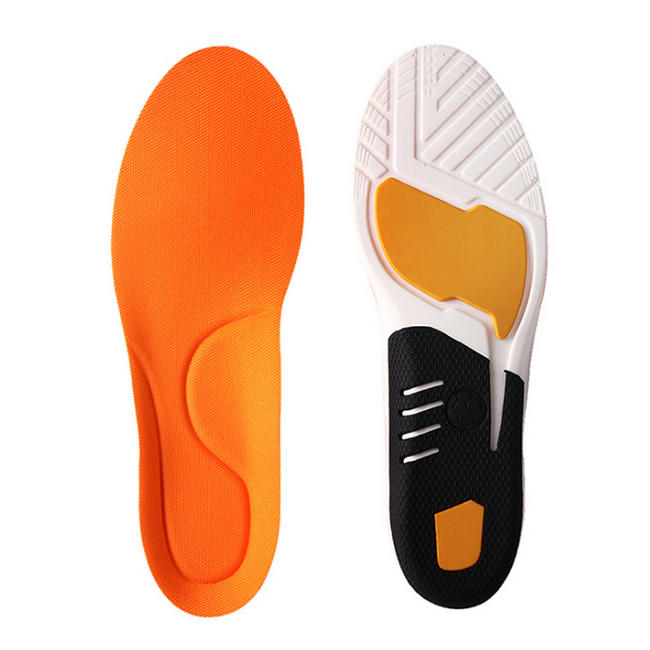
To support end users, brands can communicate a simple three‑step insole health check:
1. Look test – Check for visible cracks, flattened zones, or peeling edges.
2. Feel test – Press the heel and ball; if cushioning feels "dead," support is likely gone. [theinsolestore]
3. Body feedback – If foot or joint pain has quietly returned, it is time to consider replacement. [insolemaker]
Encouraging customers to perform this check every 2–3 months helps align expectations and reduces negative surprise at product performance. [theinsolestore]
For B2B buyers and brand managers, clear replacement messaging can be integrated into packaging, QR‑code manuals, and email sequences. Practical steps include:
- Add a suggested replacement window on packaging tailored to shoe category (casual, work, sports).
- Include simple maintenance tips: remove insoles to dry, hand‑wash with mild detergent, avoid direct heat. [rei]
- Offer bundle or subscription options where users receive replacement insoles every 3–6 months, depending on usage profile. [360iresearch]
These small adjustments often translate into higher satisfaction scores and a smoother repurchase cycle for insole and footwear lines.
Custom orthotics are built to provide structural correction and can outlast basic foam inserts, but they are not permanent. Clinics and specialist retailers typically recommend: [insolemaker]
- Annual check‑ups for custom devices to verify fit and shell integrity
- Periodic replacement of soft top covers when they become compressed or frayed [rei]
If a user notices new or recurring pain while wearing older orthotics, a professional reassessment is strongly advised rather than simply switching shoes. [ilfootclinic]
The global market for anti‑fatigue replacement insoles used in industrial and work footwear is growing steadily, driven by safety and wellness initiatives in factories and logistics environments. These insoles often feature: [360iresearch]
- Denser foam or PU structures to combat compression over long shifts
- Targeted heel and forefoot zones to reduce localized fatigue
- Durable top fabrics designed to handle sweat and abrasion [360iresearch]
For this segment, brands commonly recommend 3–6 month replacement intervals, depending on shift length and surface hardness, to maintain consistent support and safety. [360iresearch]
As a specialized OEM/ODM insole manufacturer, 3BU Technology approaches insole design with both performance and replacement behavior in mind. For footwear brands, several strategic points are crucial: [insolemaker]
- Align materials with target user profile: office, athlete, worker, or outdoor user.
- Define clear performance promises (e.g., cushioning and support up to a certain mileage or months).
- Build in easy replacement systems: removable insoles, size‑consistent inserts, and multi‑pack offerings.
By synchronizing design, materials, and communication, brands can turn insole replacement into a positive touchpoint that reinforces their commitment to comfort and health rather than a source of frustration.
While insoles must eventually be replaced, smart habits can extend their functional life without sacrificing comfort or safety. Recommended practices include: [rei]
- Rotate between at least two pairs of insoles for high‑usage shoes to allow full drying between wears. [ilfootclinic]
- Remove insoles from shoes after intense activity to air‑dry in a cool, ventilated space.
- Hand‑wash with mild detergent when needed, avoiding harsh chemicals and high heat. [rei]
- Store seasonal footwear with insoles flat, dry, and away from direct sunlight to limit material aging. [footonboot]
These simple habits are easy to feature in product inserts, blog content, and social posts, giving users more value from each purchase.
Certain situations call for immediate insole replacement, even if they seem relatively new:
- Sharp, localized pain in the heel or arch that appears only when wearing a specific pair of insoles. [insolemaker]
- Noticeable tilt or wobble when standing, as if the insole has warped or cupped over time. [footonboot]
- Evidence of mold, heavy staining, or persistent odor after cleaning attempts. [theinsolestore]
In these cases, a fresh, properly fitted insole is safer than trying to "push" a failing insert a few more weeks.
For footwear brands, wholesalers, and OEM buyers, insole replacement is both a user‑experience issue and a strategic product planning topic. Partnering with a specialized insole manufacturer like 3BU Technology allows you to: [360iresearch]
- Match insole materials and structures to your market's real usage patterns
- Define transparent replacement guidelines to reduce complaints and returns
- Offer branded replacement programs that keep users comfortable and loyal over the long term
If you are planning a new footwear line or upgrading your current insoles, this is the ideal moment to evaluate your replacement strategy and align it with the expectations of today's comfort‑focused customers.
Q1: How often should the average person replace their shoe insoles?
Most people benefit from replacing quality aftermarket insoles every 6–9 months, depending on how many hours per day they wear them and the surfaces they walk on. [insolemaker]
Q2: Are there quick tests to know if my insoles are worn out?
Yes. Visual inspection, a thumb‑press test for cushioning rebound, and noticing a return of foot or joint pain are reliable indicators that an insole is nearing the end of its useful life. [ilfootclinic]
Q3: Do high‑quality or custom insoles last longer than basic foam inserts?
In general, structured insoles with PU blends, cork, composite shells, or custom orthotic designs maintain support longer than simple foam cushions, though they still need periodic inspection and replacement. [theinsolestore]
Q4: Can I extend insole life through care and rotation?
Yes. Rotating pairs, removing insoles to dry, hand‑washing when needed, and avoiding high heat can add weeks or even months of functional life, especially for athletic and work footwear. [rei]
Q5: Is it better to replace the shoe or the insole first when comfort declines?
If the shoe outsole and upper still look structurally sound, replacing the insole is usually the fastest and most cost‑effective way to restore comfort and support before investing in new footwear. [insolemaker]
1. ALINE Insoles – "Is It Time to Replace Your Insoles?" (original article) – https://alineinsoles.com/blogs/news/when-to-replace-insoles
2. IL Foot Clinic – "Do Insoles Expire? The Real Lifespan of Cushions and Custom Orthotics" – https://ilfootclinic.com/blog/do-insoles-expire-the-real-lifespan-of-cushions-and-custom-orthotics
3. The Insole Store – "How Often Should I Replace My Insoles?" – https://theinsolestore.com/blogs/articles/how-often-should-i-replace-my-insoles-new
4. REI Co‑op Expert Advice – "How to Choose Insoles or Shoe Inserts" – https://www.rei.com/learn/expert-advice/insoles
5. FootOnBoot – "How Long Do Shoe Insoles Last: Maximize Their Lifespan!" – https://footonboot.com/how-long-do-shoe-insoles-last/
6. 3BU Technology – "How Often Should You Replace Shoe Insoles?" – https://www.insolemaker.com/how-often-should-you-replace-shoe-insoles.html
7. 3BU Technology – "About Us – 3BU Eva Insole" – https://www.insolemaker.com/aboutus.html
8. 360iResearch – "Anti‑Fatigue Technology Replacement Insole Market 2026–2032" – https://www.360iresearch.com/library/intelligence/anti-fatigue-technology-replacement-insole


