
Language
Views: 222 Author: Amanda Publish Time: 2025-09-16 Origin: Site


Content Menu
● Why Cleaning Orthotic Insoles Is Important
● Can You Wash Orthotic Insoles?
● How to Wash Orthotic Insoles: Step-by-Step Guide
>> Step 1: Remove Insoles from Shoes
>> Step 2: Brush Off Loose Dirt
>> Step 3: Prepare a Cleaning Solution
>> Step 4: Hand Wash the Insoles
>> Step 5: Rinse With Clean Water
● Tips for Maintaining Orthotic Insoles
● What Not to Do When Cleaning Orthotic Insoles
● Specialized Cleaning for Different Types of Orthotic Insoles
>> Plastic or Rigid Orthotic Insoles
● Signs It's Time to Replace Orthotic Insoles
● Additional Care Advice for Custom Orthotic Insoles
● Orthotic Insoles and Foot Hygiene
● Travel and Orthotic Insoles Maintenance
● How Long Do Orthotic Insoles Last?
>> 1. How often should I wash my orthotic insoles?
>> 2. Can I put my orthotic insoles in the washing machine?
>> 3. What is the best drying method for orthotic insoles?
>> 4. Can cleaning ruin the effectiveness of orthotic insoles?
>> 5. How can I deal with persistent odors in my orthotic insoles?
Orthotic insoles play a crucial role in providing support, comfort, and alignment for people experiencing foot pain or other orthopedic issues. Many users wonder, "Can I wash my orthotic insoles?" Proper maintenance of these insoles ensures their longevity and hygiene, but not all cleaning methods are suitable. This comprehensive guide covers everything you need to know about cleaning orthotic insoles safely and effectively, including step-by-step instructions, tips, and frequently asked questions.
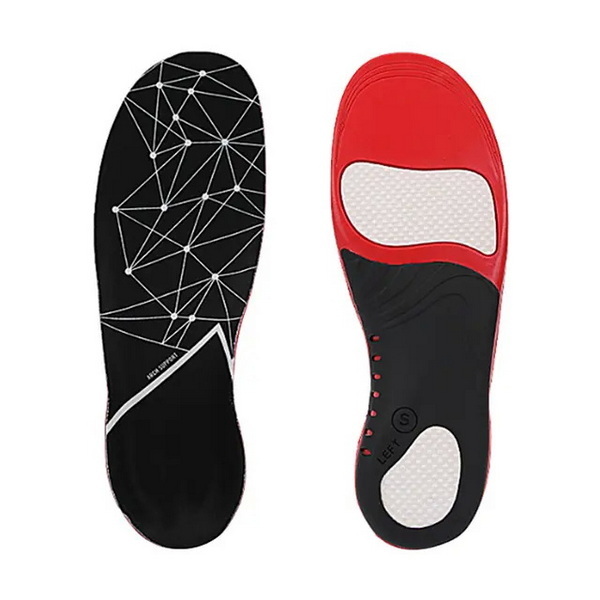
Orthotic insoles, also known as orthotics, are specially designed shoe inserts that correct irregular foot functions, reduce pain, and improve overall posture. They can be custom-made by a podiatrist or bought as over-the-counter products, depending on the level of support needed. Orthotic insoles are made from various materials, such as foam, plastic, carbon fiber, or gel, often combined with fabric layers for comfort.
People use orthotic insoles to manage conditions such as plantar fasciitis, flat feet, heel spurs, arthritis, and other biomechanical foot problems. By redistributing pressure and aligning the foot properly, they contribute to improved gait mechanics and reduce strain on other parts of the body like knees and lower back.
Keeping orthotic insoles clean is essential to prevent bacteria buildup, unpleasant odors, and damage to the insole material. Since these insoles sit directly under your feet, they encounter sweat, dirt, dead skin cells, and moisture daily, which can degrade their performance and hygiene. Proper washing helps maintain their shape, functionality, and lifespan.
Neglecting the cleanliness of orthotic insoles can lead to skin irritation, fungal infections such as athlete's foot, and accelerated material deterioration. Regular cleaning also helps remove odor-causing bacteria, keeping the footwear fresh and inviting for daily use.
Yes, you can wash orthotic insoles, but the method depends on the material and manufacturer guidelines. Most orthotic insoles are not machine washable and require gentle hand cleaning. Harsh cleaning methods, excessive water exposure, or heat can damage the materials or adhesive layers that hold the insoles' structure intact.
Before attempting any cleaning, it is always best to check the product care instructions provided by the manufacturer or consult your podiatrist if you have custom orthotics. Some insoles also have removable covers that can be washed separately to extend the overall life of the orthotic.
Always take the orthotic insoles out before cleaning. Removing them allows access to the shoe interiors, enabling you to clean or air out the shoes themselves, which prevents odor and dirt buildup inside the footwear.
Use a soft brush or cloth to remove dust, dried mud, and dirt lightly adhered to the insole surface. This prevents embedding dirt further during washing.
Mix lukewarm water with a few drops of mild soap or gentle detergent. Avoid bleach, fabric softeners, or harsh chemicals, as these can degrade the insole materials.
Dampen a soft cloth or sponge with soapy water and gently rub the insoles in circular motions. Focus on areas where dirt or odor is concentrated, but avoid soaking the insoles entirely to prevent waterlogging.
For stubborn stains, a soft brush with gentle bristles can be used carefully. Avoid applying excessive force, especially on fabric or foam layers.
Use a clean damp cloth to wipe away the soap residue from the insoles. Do not rinse insoles directly under running tap water, as this can oversaturate foam or glue layers.
Allow the insoles to dry naturally at room temperature. Place them on a dry towel in a well-ventilated area, avoiding direct sunlight, heaters, or tumble dryers since heat can warp or shrink the materials.
Drying completely is vital to prevent mold or bacteria growth inside the insoles. It may take 12-24 hours depending on the material thickness and environmental humidity.
Proper maintenance of orthotic insoles extends their lifespan and keeps your feet healthy.
- Rotate Insoles: Use two or more pairs alternately, which allows each pair to dry and reduces wear.
- Wear Clean Socks: Fresh socks minimize sweat and debris buildup on the insoles.
- Use Deodorizers: Orthotic-safe sprays or powders can neutralize odors without damaging materials.
- Inspect Regularly: Check for signs of wear such as compression, cracks, or material breakdown.
- Avoid Excess Moisture: Remove insoles immediately if shoes get wet and dry thoroughly.
- Replace Timely: Replace orthotic insoles every 12-18 months or when performance declines.
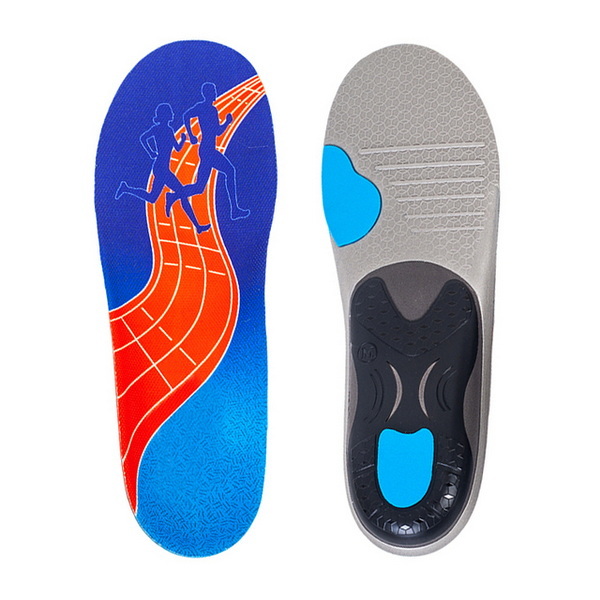
- Do not put your orthotic insoles in a washing machine; the aggressive agitation damages structural components.
- Avoid soaking them in water for prolonged periods to prevent material breakdown.
- Steer clear of hot water or harsh chemicals that weaken the foam or glue.
- Do not place insoles near direct heat sources like radiators or in direct sunlight to avoid warping.
- Never scrub with stiff brushes or abrasive materials, which can tear fabric or remove important top coatings.
Foam insoles provide cushioning and support but can absorb water quickly. Hand wash gently with mild soap and dry thoroughly. Do not submerge in water.
These insoles focus on support and alignment rather than cushioning. Wipe them with a damp cloth and occasional disinfectant wipes. Avoid bending or soaking to maintain their shape.
Gel insoles combine cushioning and shock absorption. Clean with mild soap and a soft brush while taking care not to puncture or deform the gel.
Some orthotic insoles include removable fabric covers or liners. These can usually be machine-washed on a gentle cycle or hand washed separately. Always verify manufacturer instructions first.
Recognizing when to replace orthotic insoles helps you maintain foot health and comfort.
- Excessive flattening or compression of cushioning materials.
- Loss of arch support or noticeable change in shape.
- Persistent foot or leg pain despite wearing insoles.
- Insulator cracks, tears, or broken components.
- Unmanageable odors or stains that don't improve with cleaning.
Replacing insoles timely ensures continued effectiveness in addressing your foot conditions.
Custom orthotic insoles are designed to your feet's exact specifications. This precision makes proper care especially important:
- Follow specific cleaning recommendations from your podiatrist.
- Avoid home repair attempts if the insole is damaged; consult your healthcare provider.
- Store orthotics in a cool, dry place when not in use.
- Consider using protective sleeves for extra longevity.
- Schedule regular follow-ups to reassess fit and wear.
Good foot hygiene complements orthotic insole care. Washing your feet daily, drying them properly, and inspecting them for irritations or infections help prevent complications. Using breathable shoes and moisture-wicking socks further controls sweating, which benefits both feet and insoles.
When traveling, bring spare pairs to allow rotation. Store insoles in a breathable bag to avoid moisture buildup. Clean insoles carefully on the go using baby wipes or antibacterial wipes if water availability is limited, then perform a detailed wash as soon as possible.
The lifespan of orthotic insoles varies by material, usage, and care routine. Generally, off-the-shelf insoles last around 12 months, while custom orthotics might last 12 to 18 months with proper care. Heavy daily use in high-impact activities can shorten this period.
Monitoring performance and comfort regularly helps determine when replacement is necessary.
Washing orthotic insoles is both possible and necessary to maintain hygiene, comfort, and effectiveness. Proper cleaning methods depend on the materials and type of insole you have, with most requiring gentle hand washing and air drying. Avoid machine washing, soaking, and exposure to heat. Incorporating regular cleaning, rotating different pairs, and inspecting for wear will extend the lifespan of your orthotic insoles. Clean, well-maintained orthotics not only last longer but also ensure your feet stay comfortable, supported, and healthy. Always follow manufacturer instructions and, when in doubt, consult your podiatrist for personalized care advice.
It is advisable to clean your orthotic insoles every two to four weeks, or more frequently if they get sweaty or dirty. Regular cleaning helps prevent bacterial buildup and odors.
No. Orthotic insoles should never be machine washed or dried as this can damage their shape, materials, and adhesive components.
Always air dry your insoles by placing them in a well-ventilated, cool area away from direct sunlight or heat sources to avoid warping or shrinking.
If cleaned properly with mild soap and gentle methods, cleaning will not ruin orthotic insoles. Using harsh chemicals or machine washing can reduce their durability and support.
Regular cleaning combined with specialized deodorizing sprays, powders, or periodic airing out will help manage odors effectively.


