


Content Menu
● Understanding Shoe Insoles and Their Role
● Why You Should Wash Your Insoles Regularly
● Types of Insoles and How to Wash Them
>> Foam Insoles
>> Gel Insoles
>> Orthopedic and Custom Insoles
● How to Wash Insoles Step by Step
● How Often to Clean Your Insoles
● Deep Cleaning for Stubborn Odors
● Common Washing Mistakes to Avoid
● How to Maintain Freshness Between Washes
● Caring for Insoles in Different Weather Conditions
● Professional Insole Cleaning and Replacement Services
● Sustainability and Eco-Friendly Insole Care
● FAQs
>> 1. How can I tell if my insoles are washable?
>> 2. Can I machine wash my insoles?
>> 3. How long should insoles take to dry completely?
>> 4. What should I do if my insoles develop a musty smell?
>> 5. How often should I replace my shoe insoles?
Keeping your shoes clean and comfortable starts with one of the most overlooked parts — the insoles. Whether you're an athlete, a worker on your feet all day, or simply someone who enjoys daily walks, your shoe insoles absorb sweat, dirt, and odor over time. This buildup can make your shoes smell unpleasant and even affect foot health.
So, the question arises: Can I wash my shoe insoles? The short answer is yes, you can. But the right cleaning method depends on the material, frequency of use, and overall shoe condition. To ensure your insoles last long while staying fresh, you need to know the correct cleaning and maintenance techniques. This article will guide you through everything you need to know — from washing methods and deodorizing tips to care routines and replacement advice.
Shoe insoles, or footbeds, play a crucial role in providing comfort, support, and cushioning for every step you take. They also absorb sweat and reduce friction between your foot and the shoe. Over time, this constant exposure to moisture and pressure can make insoles a breeding ground for bacteria and odor.
Insoles come in different materials — foam, gel, leather, cork, and fabric — each serving unique functions. Foam and gel insoles provide shock absorption, while leather insoles are ideal for breathability and durability. Understanding the material composition of your insole helps you determine the ideal cleaning approach.
A clean insole doesn't just improve hygiene. It contributes to better comfort, prevents foot problems such as blisters or fungal infections, and enhances the overall life span of your shoes.
Sweaty feet are inevitable, especially after long hours of walking, running, or working. This moisture collects in your insoles, creating a warm and humid environment perfect for bacterial and fungal growth. If ignored, this can lead to persistent odor, itchy feet, or even infections.
Regular washing removes odor-causing microbes and skin cells, keeping your shoes fresh. Clean insoles also prevent stains and discoloration. Moreover, regularly maintaining them protects the inside of your shoes from absorbing unwanted odors and moisture.
Another benefit is longevity — when dirt and oils accumulate, insoles can lose elasticity or cushioning faster. Washing them properly helps preserve their structure and comfort level over time.
Different materials react differently to water, heat, and cleaning solutions. Here's how to wash each type correctly without damaging their integrity.
Foam insoles, like those made from EVA or memory foam, are lightweight and soft but porous. This means they easily absorb liquid and can lose shape if they get too wet.
- Use mild liquid soap and lukewarm water for cleaning.
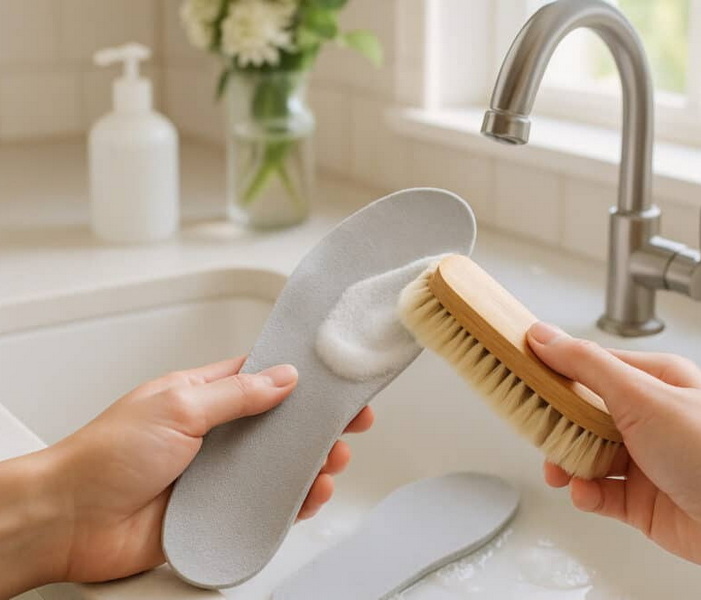
- Scrub gently with a soft brush, focusing on dirty or stained areas.
- Rinse under running water, but avoid soaking them.
- After cleaning, press a towel around them to absorb moisture and leave them in a shaded, ventilated space to dry naturally.
Do not use a dryer or place them near a heater, as excessive heat can cause deformation.
Gel insoles are made with silicone or gel-filled pads designed for shock absorption and pressure relief. Although durable, they require gentle handling.
- Do not immerse gel insoles fully in water.
- Clean the surface using a damp microfiber cloth and mild detergent.
- After wiping, use a clean cloth with plain water to remove leftover soap.
- Let them air dry completely before putting them back in your shoes.
Never puncture the gel layer or use abrasive materials like brushes or scouring pads.
Leather insoles provide luxury and breathability but can easily dry out or stiffen when exposed to water.
- Use a slightly damp cloth with a small amount of leather cleaner.
- Gently clean the surface without soaking it.
- Allow them to air dry naturally, away from sunlight.
- Once dry, use leather conditioner or polish to keep them soft and flexible.
Avoid submerging leather insoles in water or cleaning them with alcohol-based solutions.
Fabric insoles are commonly used in sneakers and lightweight shoes. They can be washed more easily than other types.
- Mix mild detergent with lukewarm water and use a soft brush or sponge.
- Gently scrub until dirt and stains fade.
- You can also place them in a mesh laundry bag and machine-wash them on a delicate cycle.
- Dry them thoroughly before reuse.
These insoles dry faster than foam or gel versions but still require good ventilation and no exposure to direct sunlight.
Custom-made insoles are designed for medical or corrective purposes. Because of their specific structural layers, they need special care.
- Always follow manufacturer cleaning guidelines.
- Use a damp cloth with a gentle soap solution.
- Avoid alcohol, hydrogen peroxide, or bleach.
- Do not machine wash under any circumstance.
If your orthopedic insoles lose shape or firmness, consult your specialist to determine whether they need replacement.
Here's a simple and safe cleaning process suitable for most insole types:
1. Remove the insoles from your shoes completely.
2. Brush off dirt and debris with a dry brush or cloth.
3. Prepare a cleaning mix of mild soap and warm water.
4. Scrub both sides gently with a soft brush to remove stains and odors.
5. Rinse lightly, ensuring no soap residue remains.
6. Pat dry carefully with a towel to absorb moisture.
7. Air dry completely, leaving them out for at least 12–24 hours in a cool place.
Never reinsert insoles while damp. Moisture left inside shoes can cause mildew and odor to return quickly.

The frequency of washing depends on your lifestyle, climate, and activity level. For daily shoe wearers, washing every two to three weeks is sufficient. If you use your shoes for sports, gym workouts, or outdoor work, washing weekly helps maintain hygiene.
Those living in humid areas should also clean more frequently, as moisture accelerates bacterial growth. During rainy seasons, allowing shoes and insoles to dry after each wear is vital.
Sometimes, regular washing isn't enough to eliminate persistent smells. Here are advanced solutions for deeper cleaning and deodorizing:
- Baking soda paste: Mix baking soda with a little water and spread over the insole surface. Leave overnight and brush off the residue in the morning.
- White vinegar solution: Mix equal parts water and vinegar in a spray bottle. Mist lightly and let the insoles air dry. Vinegar naturally neutralizes odor.
- Hydrogen peroxide wash: For extreme cases, dilute a small amount of hydrogen peroxide in water and wipe insoles carefully. This kills bacteria but should only be used occasionally.
- Freezing method: Place insoles inside a sealable plastic bag and leave them in the freezer overnight. The low temperature kills odor-causing bacteria effectively.
Always ensure the insoles are completely dry before using them again.
Many people unintentionally ruin their insoles while trying to clean them quickly. Here are common mistakes you should avoid:
- Machine-washing delicate insoles without protection.
- Using bleach, alcohol, or harsh chemicals that weaken materials.
- Leaving insoles in direct sunlight or using dryers for quick drying.
- Reassembling shoes before insoles are 100% dry.
- Scrubbing too harshly and damaging cushioning layers.
Gentle care always extends insole life and keeps them comfortable.
Even with the best washing routine, insoles eventually wear out and lose effectiveness. Signs you need to replace them include:
- Persistent odor even after cleaning.
- Noticeable thinning, cracking, or peeling.
- Loss of arch support or cushioning.
- Uncomfortable pressure points while walking.
Typically, replace standard insoles every three to six months, depending on wear intensity. Athletes and workers who stand long hours may need new pairs more often.
You don't have to wash insoles constantly to keep them fresh. Here are effective ways to maintain hygiene between washes:
- Sprinkle baking soda in shoes overnight and shake it out before wearing.
- Use shoe deodorizing sprays or powder to control odor.
- Let shoes air out daily by removing insoles after wear.
- Rotate shoes regularly instead of wearing the same pair every day.
- Wear moisture-wicking socks made of cotton or bamboo.
Small routines like these prevent heavy odor buildup and reduce your washing frequency.
Hot and humid weather causes higher sweat levels, making frequent cleaning necessary. Use breathable insoles during summer and avoid leaving shoes in closed spaces.
In colder months, moisture can still accumulate from wet surfaces or snow. Always remove and dry insoles after exposure to water. Consider using antibacterial or quick-drying materials, especially if you live in a wet climate.
Seasonal maintenance helps your insoles last throughout the year while staying comfortable.
If you own high-end or medical-grade insoles, professional cleaning is an excellent option. Many footwear repair shops and sports equipment stores offer safe cleaning using antibacterial solutions and gentle drying systems.
You can also take advantage of professional customization or replacement services, ensuring your insoles always provide proper support and cushioning according to your needs.
As a leading insole manufacturer in China providing OEM and ODM services globally, our company encourages sustainable insole use. Modern eco-friendly insoles made from recycled EVA, natural latex, or biodegradable materials are both washable and durable. Proper cleaning extends their life cycle, reducing replacement frequency and waste.
By choosing washable, long-lasting insoles and following proper care techniques, you not only save money but also contribute to reducing the environmental impact of unnecessary disposal.
Sustainable footwear care aligns with the global movement toward greener manufacturing and consumer responsibility, allowing businesses and individuals to embrace comfort without compromising the planet.
So, can you wash your shoe insoles? Absolutely — and you should. Clean insoles make your footwear more comfortable, extend its lifespan, and keep your feet healthy. The key lies in understanding what material your insoles are made of and cleaning them properly using gentle methods.
Regular washing eliminates odor, bacteria, and sweat buildup, while proper drying prevents mold or shape loss. Avoid harsh chemicals, excessive heat, or soaking delicate insoles. Instead, develop a consistent maintenance routine that includes air drying, light deodorizing, and replacement when necessary.
By caring for your insoles, you protect your shoes, enhance foot comfort, and promote better hygiene. Whether you use foam, gel, leather, or orthopedic insoles, clean maintenance will ensure every step feels fresh and supported — just the way it should.
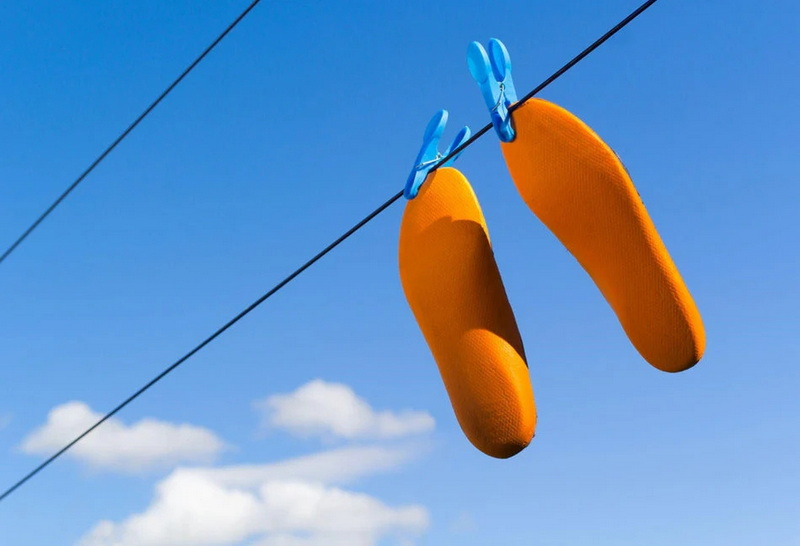
Most removable insoles made of foam, fabric, or cotton are washable. Leather or gel versions require spot cleaning only. Always read manufacturer labels if available.
You can machine wash fabric insoles using cold water and a mesh bag, but foam, gel, or leather ones should be hand-washed to prevent damage.
Insoles typically take 12–24 hours to fully air dry in a well-ventilated space. Avoid direct heat, as it can cause warping or shrinking.
A musty smell often means moisture is trapped. Let them air dry for longer, sprinkle baking soda overnight, or use an antibacterial spray to kill microbes.
Replace insoles every 3–6 months for optimal support. If you notice discomfort or flattening, change them sooner even with proper cleaning.


