
Views: 222 Author: Edvo Publish Time: 2025-12-13 Origin: Site


Content Menu
● Understanding Insoles and Orthotics
● Can You Stack Insoles under Orthotics?
● Situations Where an Extra Insole Might Help
● When You Should Avoid Insoles under Orthotics
● Shoe Fit Principles with Orthotics and Insoles
● Break-in Tips for Orthotics and Added Insoles
● Fine-Tuning Comfort: Forefoot, Midfoot, and Heel
● Common Mistakes When Combining Insoles and Orthotics
● Best Practices for Everyday Users
● Brand and OEM Design Considerations
● How to Decide What to Wear under Your Orthotics
● FAQ
>> 1. Should I remove the original insole before inserting orthotics?
>> 2. Can I use a cushioned insole under my custom orthotic?
>> 3. How do I know if my shoe is too tight with orthotics and an insole?
>> 4. Do I need a larger shoe size for orthotics and insoles?
>> 5. When should I ask a professional about my insole and orthotic setup?
Wearing an extra insole under a custom orthotic is sometimes possible, but it must be done carefully so the shoe does not become too tight or unstable. In most situations, specialists recommend placing orthoticinsoles directly on the shoe's footbed or on a very thin flat liner rather than stacking them on top of thick cushion insoles.
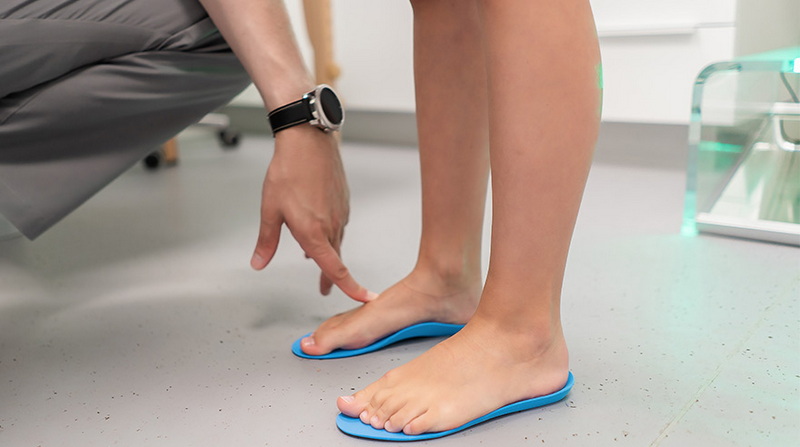
Insoles are removable inserts designed mainly for comfort, basic cushioning, and light arch support in everyday footwear. Orthotics are more structured devices, often custom-made by foot-care professionals, to correct biomechanical issues, support specific conditions, and redistribute pressure more precisely. A simple comfort insole can usually be purchased without a prescription, while custom orthotics require an assessment and are tailored to the shape and function of each foot. For brands and OEM buyers, this means comfort insoles can target broad consumer segments, whereas orthotics-inspired products are best positioned for users with more specific support needs.
In some cases, orthotics and inserts can be worn over a flat shoe liner, as long as the combination does not crowd the inside of the shoe or alter the device's alignment. However, many clinical guides suggest removing the original insole and using the orthotic directly on the shoe base to avoid excess volume and instability. If an additional layer is used under an orthotic, it should be thin, firm, and flat so it does not deform the orthotic shell or make it rock inside the shoe. Shoes must still fit securely at the heel and midfoot with sufficient toe room, otherwise stacking layers can cause discomfort, slipping, or reduced stability.
A thin insole or liner under an orthotic can sometimes help if the shoe is slightly too deep and the foot feels “low” or loose inside the footwear. This extra layer can lift the orthotic a little, improving contact under the arch and creating a more locked-in heel feel. Some users also add a slim forefoot or heel pad under the orthotic to fine-tune pressure distribution, especially when the shoe has a removable, very flat stock liner. For brands, OEM insole design can include modular parts or stackable layers that allow retailers and end users to adjust volume in different shoe models without compromising support.
If the shoe already feels snug with the orthotic alone, adding another insole underneath will usually cause the upper to press on the top of the foot and create friction or blisters. Excess volume can also lift the heel out of the heel counter, leading to slipping, instability, and potential overuse injuries during walking or running. For serious foot conditions such as advanced deformities, high-risk medical status, or severe chronic heel pain, stacking extra layers under a precisely prescribed orthotic can change its function and reduce its corrective effect. In these situations, any adjustment should be discussed with a podiatrist or orthotist instead of improvising extra cushioning.
Shoes used with orthotics should provide enough internal depth and ideally have a removable liner so the device sits flat and stable inside, without bulging the upper. Foot-care professionals often recommend footwear with a roomier toe box and a firm heel counter to control rearfoot movement while allowing natural toe splay. If the combination of shoe, orthotic, and any extra insert feels tight, a deeper or slightly larger shoe may be required rather than forcing multiple layers into a small space. Conversely, if the shoe feels loose even with an orthotic, a slim underlayer or a different shoe last may create a more secure and efficient fit.
Both orthotics and supportive insoles often require a gradual break-in period because they change how forces move through the feet and legs. Many professional guides suggest starting with limited daily wear and slowly increasing usage as the body adapts. If you experiment with a thin insole under your orthotic, it is best to test the new setup for short periods first, paying close attention to any new pain or fatigue in the feet, knees, hips, or back. Persistent discomfort, hot spots, or pressure points are signs that the combination or shoe fit should be reviewed and possibly adjusted by a professional.
Different parts of the foot may react differently to changes in insole and orthotic setup, so it is useful to think in terms of forefoot, midfoot, and heel zones. The forefoot is sensitive to crowding and lack of flexibility, so stacking thick layers under an orthotic can easily increase pressure on toes and the ball of the foot. The midfoot and arch region require stable contact with the orthotic shell; placing a soft, unstable insole under the device can cause collapse or rocking that reduces support. The heel area is where many orthotics focus their control, often using a deep cup or firm posting, and this structure depends on a flat, consistent base surface. When a new underlayer is added here, even a small tilt can change the angle of the heel, affecting alignment up the chain into knees and hips. For everyday users, this means any modifications under the orthotic should remain minimal and predictable; for brands, it underscores the importance of a flat, high-quality orthotic platform inside shoes designed for these devices.

One frequent mistake is assuming that “more cushioning is always better” and stacking soft inserts under a rigid orthotic, which can destabilize the device. Another mistake is ignoring shoe depth; trying to fit a thick orthotic and a full insole into a low-profile casual shoe often leads to discomfort and rapid material wear. Some users also overlook the importance of symmetry, using an extra insole only under one foot beneath an orthotic, which can create unwanted leg-length differences and altered gait. In addition, people sometimes keep worn-out stock liners under orthotics instead of replacing them with a fresh, thin base layer, even though compressed materials no longer provide usable support or alignment.
For daily comfort, most people achieve reliable results by following a simple sequence: first, test the orthotic directly on the shoe base, then only if the fit feels loose consider a thin underlayer. When experimenting, walking on a flat indoor surface for a short period makes it easier to sense instability or unusual pressure. If you switch between different shoes during the week, it is wise to check each pair individually, because depth, last shape, and liner thickness vary between models and brands. Keeping notes about which combinations feel comfortable can help identify patterns, such as preferring slightly deeper trainers for orthotics plus a liner while using slimmer setups in dress shoes.
For brands, wholesalers, and OEM partners, designing shoes and insole systems that are orthotic-friendly is an opportunity to serve a growing segment of health-conscious consumers. This can include deeper internal volumes, straight or semi-straight lasts, and removable base insoles that are easy for users to swap. Clear labeling on packaging and inside the shoe—such as “orthotic compatible” or notes about removable liners—helps retailers explain options to customers more effectively. Manufacturing partners can also develop multi-layer insole platforms where the top comfort layer is easily removed, leaving a flat structural layer under the orthotic. This approach lets users customize feel without compromising stability. For private-label business, offering both a quality comfort insole and guidelines on how to use third-party orthotics strengthens the brand's reputation as a foot-health oriented supplier.
To decide whether to wear an insole under your orthotic, start by checking if the shoe has a removable liner and test the orthotic alone on the bare footbed. If the fit feels secure, stable, and comfortable, and there is no slipping or pinching, there may be no need for an extra layer beneath it. If the shoe feels too roomy and the heel moves even with the orthotic in place, adding a very thin, flat underlayer or choosing a deeper or better-shaped shoe may solve the issue without compromising support. When uncertainty remains, particularly for users with medical conditions or a history of foot pain, consulting a podiatrist is the safest way to confirm whether stacking is appropriate or if adjustments should be made in another way.
Wearing an insole under an orthotic is sometimes acceptable when the extra layer is very thin and the shoe still fits correctly, but many professional guidelines favor placing orthotics directly on the shoe footbed or on a single flat liner. The essential goal is to avoid excessive bulk, maintain heel stability, and preserve the orthotic's corrective shape so that its intended function is not compromised.[For everyday users, the safest approach is to start with the orthotic alone, then experiment cautiously with minimal underlayers while monitoring comfort, alignment, and stability over time. For brands, wholesalers, and OEM partners, designing shoes and insoles that are orthotic-compatible creates added value for consumers who rely on these devices for comfort, performance, and long-term foot health.
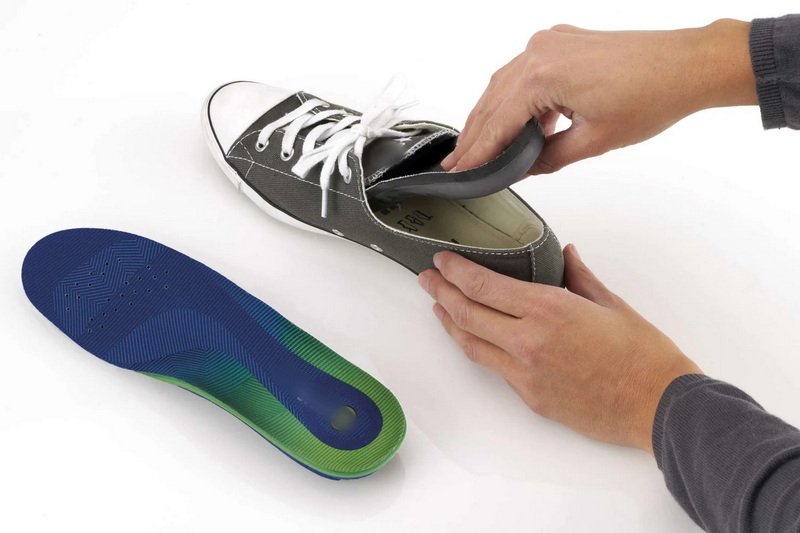
Many podiatry and hospital guides recommend removing the original insole so the orthotic can sit flat and the shoe does not become too tight. This approach preserves depth and reduces the risk of friction, heel slipping, or deformation of the orthotic shell.
A thick cushioned insole under a custom orthotic can change its angle, reduce stability, and crowd the shoe, so it is usually not advised. If extra volume adjustment is needed, professionals typically suggest a thin, flat layer instead of a soft, bulky pad.
Signs of an overly tight setup include pressure on the top of the foot, toe crowding, difficulty lacing, or new hotspots and blisters. If the heel lifts with each step or the orthotic moves, the fit is also not ideal and may require removing layers or choosing a different shoe size or model.
Some users benefit from a slightly larger or deeper shoe when using orthotics, especially if the device is rigid or full-length. Instead of automatically sizing up, it is better to try shoes with removable liners and a generous toe box, then adjust only if the combination still feels cramped.
You should consult a podiatrist or orthotist if you experience persistent pain, pressure points, or balance issues after adding or changing insoles or orthotics. A specialist can check alignment, shoe fit, and stacking choices, then recommend whether to remove, replace, or modify any layers.


