
Views: 222 Author: Amanda Publish Time: 2025-08-31 Origin: Site


Content Menu
● How Can Shoe Insoles Make Shoes Smaller?
>> Insole Material and Its Impact
>> Insole Design and Size Considerations
● Types of Insoles for Making Shoes Fit Better
● Additional Tips to Make Shoes Smaller with Insoles
● How to Choose the Best Shoe Insole to Make Shoes Smaller
>> Step 1: Measure Your Feet Precisely
>> Step 2: Consider Your Shoe Material
>> Step 3: Personal Comfort Preferences
● Foot Health Benefits of Using Insoles
● When Insoles Are Not Enough: Other Solutions to Adjust Shoe Fit
● Shoe Insoles in OEM Manufacturing: Meeting International Brand Needs
● Practical Guide: How to Test Your Insoles for Fit and Comfort
● Frequently Asked Questions (FAQ)
>> 1. How much can a shoe insole reduce shoe size effectively?
>> 2. Can I use any insole to make shoes smaller?
>> 3. Are there risks in using thick insoles to reduce shoe size?
>> 4. How do heel grips complement insoles in fitting larger shoes?
>> 5. Can all types of shoes benefit from insoles to make them smaller?
When shoes feel too large or loose, it can cause discomfort, instability, and even foot pain. Fortunately, shoe insoles offer a practical solution to this problem by making shoes fit better, and in some cases, effectively making them smaller. For manufacturers, brands, and consumers alike, understanding how shoe insoles can help adjust shoe size is essential. This article explores how insoles work to improve shoe fit, different types of insoles, tips on selection, and additional methods to reduce excess shoe space.
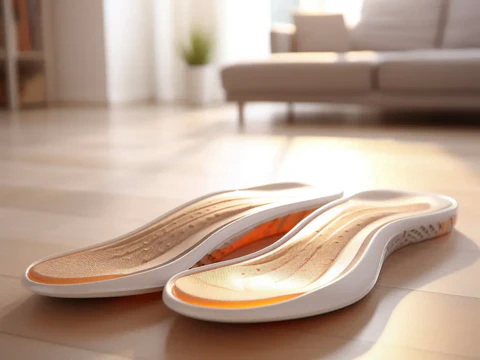
Shoes that are slightly too big can disrupt natural walking patterns, create friction leading to blisters, and reduce overall comfort. Shoe insoles act as inserts that fill the extra room inside the shoe, improving comfort and stability. A well-chosen insole provides support, cushioning, and can reduce the effective internal size of footwear.
Shoe insoles reduce the interior volume of a shoe by occupying space within it. They add thickness and contour to the footbed, making the footwear feel snugger. This effect can approximate reducing shoe size, especially if the shoes are only marginally too large.
Different materials used in shoe insoles influence the amount of space they occupy and the comfort level they provide.
- Foam Insoles: Lightweight and compressible, foam insoles fill space well and offer good cushioning.
- Gel Insoles: Provide enhanced shock absorption and comfort while moderately decreasing shoe space.
- Leather Insoles: Usually provide a firmer padding, commonly found in high-quality shoes.
- Cork Insoles: Mold to the wearer's foot shape over time for personalized comfort and fit.
- Full-length Insoles: Cover the entire footbed, effectively reducing the shoe size more noticeably.
- Three-quarter or Half-length Insoles: Provide partial coverage, ideal for specific fitting issues.
- Heel Inserts and Metatarsal Pads: Target specific areas to reduce slipping or foot movement in oversized shoes.
Selecting the right type of insole depends on the reason for the shoe being too large and the comfort needs of the wearer.
- Cushioning Insoles: These insoles prioritize comfort by adding soft padding to the shoe, thus occupying extra space.
- Supportive Insoles: Designed to improve foot alignment and support, they also help tighten the overall shoe fit.
- Custom Orthotics: Tailored to individual feet, these insoles correct specific foot issues and optimize shoe fit.
- Heel Grips and Tongue Pads: Additional inserts that secure the heel and the instep, helping to reduce excess space in targeted areas.
Besides placing an insole, combining it with other accessories or methods can enhance the effect of making shoes smaller.
- Wearing Thick Socks: Layering thicker socks can fill extra space when combined with an insole.
- Using Tongue Pads: Placed beneath the shoe tongue, these gently push the foot back for snugger fit.
- Adding Shoe Fillers: Bundled cotton or foam fillers can be added at the toe box to prevent foot sliding.
- Tightening Laces or Straps: Properly tightened laces can complement the effect of insoles in smaller shoes.
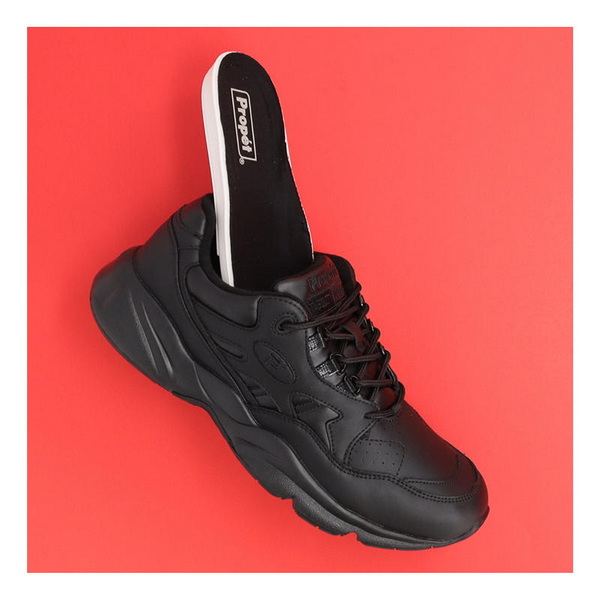
Get a professional measurement to understand the exact dimensions of your feet. Choose insoles that match or slightly modify these dimensions to complement your shoes.
Some shoe materials accommodate insoles better. Leather and canvas shoes pair well with insoles and certain shrinking techniques, while delicate or synthetic shoes might need thinner or custom solutions.
Select insole material and thickness according to the comfort level preferred. For daily wear, softer cushioning might be preferred, while athletic footwear might benefit from more supportive insoles.
Besides making shoes smaller, shoe insoles play a critical role in supporting foot health. They provide:
- Shock Absorption: Reducing impact on joints during walking or running.
- Pressure Distribution: Preventing sores and discomfort caused by uneven pressure points.
- Alignment Support: Helping correct posture and decrease strain on ankles, knees, and hips.
- Fatigue Reduction: Enhancing overall comfort for prolonged standing or walking.
Choosing the right insole with shoe size adjustment aims not only to make shoes fit smaller but also to improve wearer well-being.
Sometimes insoles alone may not be sufficient to solve oversized shoe problems. Consider these supplementary solutions:
- Professional Shoe Stretching or Shrinking: Cobblers can custom alter shoe dimensions more precisely.
- Replacing Insoles with Custom Orthotics: For severe foot or fit issues, custom-made orthotics provide tailored support and size adjustment.
- Shoe Alterations with Padding or Lining: Additional internal padding applied by professionals can help refine the fit.
- Trying Different Shoe Brands or Sizes: Sometimes fit issues result from inconsistent sizing between brands and models; switching shoes may be necessary.
For manufacturers of shoe insoles, especially those providing OEM (Original Equipment Manufacturer) services to international brands, understanding the nuanced needs of fitting adjustment is pivotal. OEM shoe insoles should be designed with:
- Versatile Sizing Options: To accommodate various shoe models and foot shapes.
- Quality Materials: Durable, comfortable materials that maintain shape and function.
- Customization Capabilities: Offering tailored insoles based on brand specifications or client demands.
- Compliance with Global Standards: Meeting safety, sustainability, and ergonomic requirements.
Delivering high-quality shoe insoles that effectively make shoes smaller enhances brand reputation and customer satisfaction worldwide.
1. Place the Insole in the Shoe: Ensure it lies flat without curling edges.
2. Wear the Shoe and Stand: Check for any pressure spots or discomfort.
3. Walk Around: Observe how the shoe feels during movement; tight spots or slippage indicate poor fit.
4. Adjust or Replace: Try different insoles if necessary or add complementary inserts like heel grips.
5. Monitor Over Time: Insoles compress or shift; regular checks maintain optimal fit.
Shoe insoles offer a simple yet effective way to make shoes smaller and improve overall fit. Through their diverse materials, designs, and complementary accessories, insoles can reduce interior shoe space, enhance comfort, and support foot health. For manufacturers providing OEM shoe insole services, delivering tailored, high-quality products that accommodate global brand demands is essential. When combined with proper measuring, shoe material consideration, and additional fitting accessories, shoe insoles become a critical tool in ensuring shoes fit well and feel great.
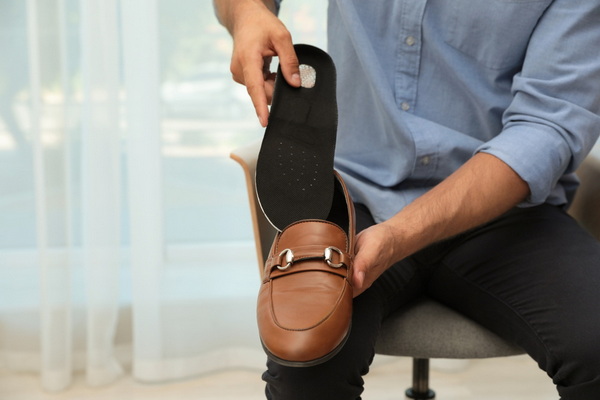
A shoe insole can reduce the effective interior size by about a quarter to half a size, depending on the insole thickness and material.
It is best to choose insoles specifically designed to fill space and match your shoe size for comfort and effectiveness.
Yes, overly thick insoles might cause discomfort or shoe fit issues. It's important to test comfort gradually.
Heel grips prevent heel slippage, ensuring the foot stays in place along with insoles that fill other spaces.
Most shoe types, especially leather and canvas, can benefit, but shoe material and style may influence the best insole choice.
[1](https://www.stridesoles.com/blogs/articles/can-insoles-make-shoes-smaller)
[2](https://www.pavers.co.uk/blogs/how-to-make-your-shoes-smaller)
[3](https://theinsolestore.com/blogs/articles/insoles-make-my-shoes-too-tight-what-can-i-do)
[4](https://www.pavers.co.uk/blogs/how-to-use-insoles-for-oversized-shoes)
[5](https://www.skolyx.com/guides/too-large-shoes-adjust-the-fit-yourself)
[6](https://www.reddit.com/r/ThrowingFits/comments/v9n0zi/insoleshoe_filler_recs_to_make_shoes_1_size_too/)
[7](https://shoezero.com/blogs/news/how-to-make-shoes-smaller-10-helpful-hacks)
[8](https://www.wynsors.com/blog/find-the-perfect-fit-guide/)
[9](https://www.youtube.com/watch?v=gE1RAjOYudQ)


