
Language
Views: 222 Author: Edvo Publish Time: 2026-01-01 Origin: Site


Content Menu
● Understanding the Role of Insoles
● How Insoles Work to Make Shoes Fit Smaller
>> Key areas adjusted by insoles:
● Types of Insoles That Help Make Shoes Smaller
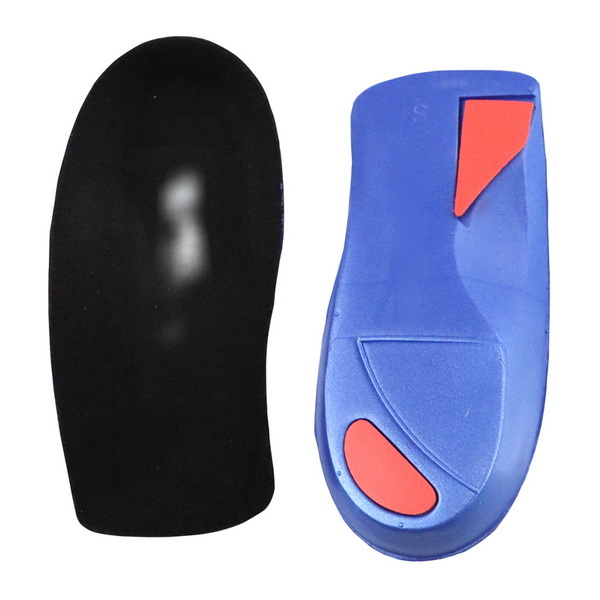
>> 2. Three-Quarter or Half Insoles
>> 4. Toe Inserts or Toe Fillers
● Choosing the Best Insoles for Size Reduction
>> Airflow and Moisture Control
● DIY Tricks To Make Shoes Fit Smaller
● Benefits of Making Shoes Smaller With Insoles
● When Custom Insoles Are Worth It
● Sustainability and Eco-Friendly Insole Manufacturing
● Expert Tips for Selecting OEM Insoles
● FAQ
>> 1. How much smaller can insoles make shoes?
>> 2. Are insoles necessary in all types of footwear?
>> 3. Can insoles fix stretched-out shoes?
>> 4. Do insoles affect foot health?
>> 5. How long do insoles typically last?
Finding the perfect shoe size is an ongoing challenge for many people. Even when you know your official size, different brands, materials, and designs can result in inconsistencies. A pair of shoes might feel perfect in the store but slightly loose after a few wears. Others may stretch with time or differ between your left and right foot. When that happens, one common question arises: Can you get shoe insoles to make shoes smaller?
The simple and practical answer is yes. Insoles are an excellent, affordable, and convenient solution for shoes that are a bit too big. They not only make shoes smaller but also improve the overall comfort, stability, and posture of the wearer. Using the right insole can transform ill-fitting shoes into a perfectly snug pair that supports your every step.
In this article, we'll take a deep look into how insoles can make shoes smaller, the types available, how to choose the best ones, and the benefits they bring — especially for different types of footwear.
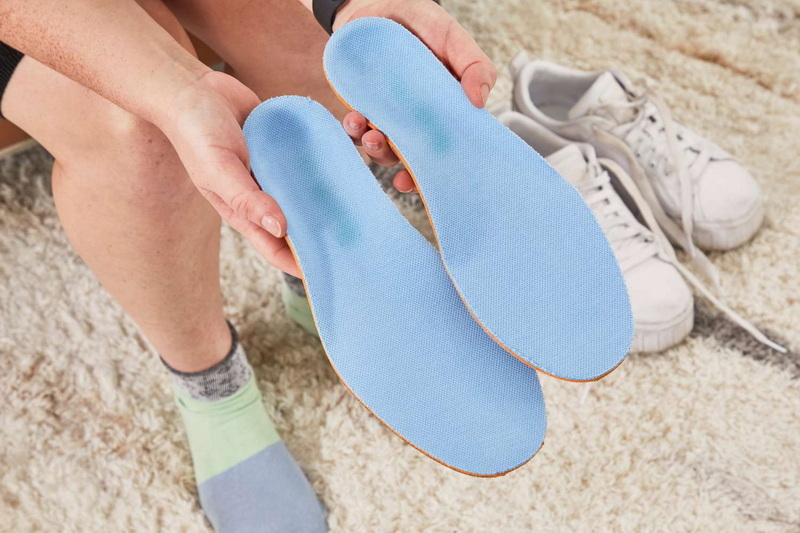
Insoles, often known as inserts or inner soles, are layers placed inside shoes to add cushioning, support, or correction to internal space. They are typically removable, allowing flexibility for cleaning, adjusting, or replacing when worn out.
When your shoes feel too spacious or your heels keep lifting during movement, insoles fill in that extra room and help lock your feet securely inside. This not only enhances comfort but also minimizes rubbing, slipping, and fatigue, preventing common foot problems such as blisters or calluses.
A well-designed insole can make all the difference by:
- Adjusting the shoe's depth and fit.
- Absorbing shock while walking or running.
- Improving balance and alignment.
- Maintaining dryness and odor control.
- Offering orthopedic benefits for people with unique foot structures.
The concept of resizing through insoles is simple — they physically reduce space inside the shoe. When you place an insole under your foot, it slightly elevates your foot position, leaving less vertical and horizontal space inside.
This creates a snugger fit, particularly in the heel and midfoot areas. The denser or thicker the insole, the greater the reduction in space. However, achieving this requires precision. Too much padding can create discomfort, while too little may not fix the looseness.
- Length: Insoles reduce the effective inside length by pushing your feet slightly upward and backward.
- Depth: Added layers reduce how deep the shoe feels, improving stability for narrow feet.
- Heel: Insoles often secure the heel, preventing unwanted lift.
- Width: Some designs provide side padding to narrow the inner width of wider shoes.
The right insole acts as a structural bridge — fine-tuning the contact area between your foot and the shoe for an optimal fit.
Different insole types work for different footwear styles, materials, and intended purposes. Choosing the right one ensures that your shoes feel supportive rather than cramped.
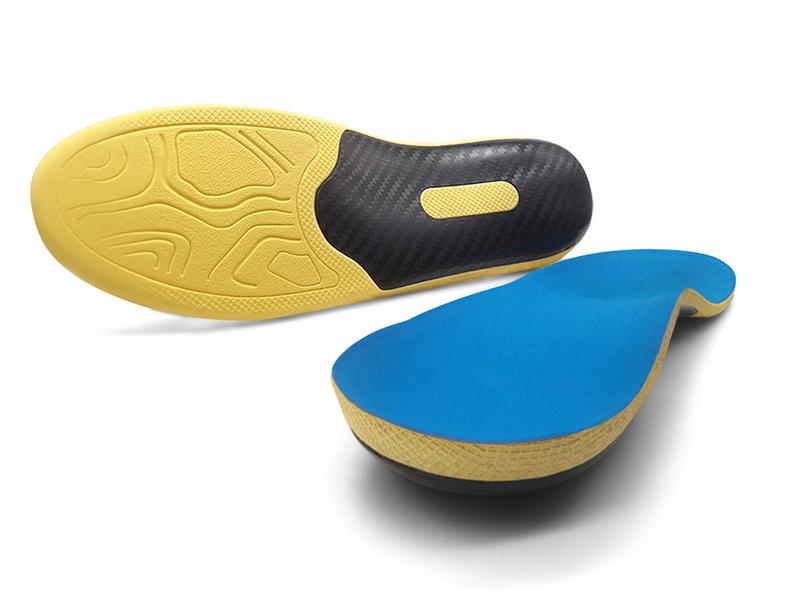
Full-length insoles extend from heel to toe, providing complete coverage inside the shoe. They are the most effective for reducing size throughout the entire shoe interior. These insoles add thickness evenly and enhance both fit and comfort.
Best for: sneakers, hiking boots, work shoes, and trainers.
Material options: EVA foam, latex, silicone gel, or orthotic-grade polyurethane.
Additional benefit: Offers excellent arch support and shock absorption.
¾ insoles focus on supporting the heel, arch, and midfoot, leaving the toe area free. They're ideal for people who only need minimal size reduction without compressing the toe box.
Best for: formal shoes, loafers, or heels.
Advantages: Lightweight, discreet, and easily removable.
Heel grips are small pads that attach inside the back of shoes. They reduce slipping, friction, and the risk of blisters by filling space behind the heel.
Common materials: suede, microfiber, gel, or foam.
Best for: pumps, leather shoes, or any footwear that slips at the heel.
Toe inserts occupy the front part of the shoe, preventing forward sliding and improving fit in the toe box area. They're especially helpful when your shoes fit well elsewhere but leave extra room up front.
Suitable for: ballet flats, loafers, or pointed shoes.
Advantages: Simple, low-cost fix that doesn't interfere with arch shape.
Sometimes, a single insert may not completely fix a loose fit. Layering a thin foam insert under a full-length insole can amplify volume correction while maintaining comfort. However, this should be done carefully to avoid unbalancing the foot.
Finding the appropriate insole depends on multiple factors: shoe type, use environment, and your personal comfort preferences. Here's how to make a smart selection.
Each material performs differently in terms of comfort, durability, and fit adjustment.
- Memory foam molds to your foot shape, offering personalized comfort.
- Gel insoles provide smooth cushioning and excellent shock absorption.
- Cork combines firmness with breathability and gradually shapes to your foot.
- Leather adds elegance with a slim profile — perfect for dress shoes.
- EVA foam is lightweight, flexible, and easy to trim to size.
Generally, the thicker the insole, the more the shoe size will reduce. Start small, and increase thickness if needed. A range of 4 to 6 millimeters often makes a noticeable difference.
Your arch type (flat, neutral, or high) plays a vital role in comfort. Insoles with the wrong arch shape can cause pressure points or pain, even if they do correct the shoe size.
Different footwear requires specific insole forms:
- Athletic shoes: full-length foam or gel insoles.
- Formal shoes: leather or cork ¾ insoles.
- Heels: ball-of-foot cushions and rear heel pads.
- Boots: heavy-duty EVA or orthotic insoles.
Breathable materials like mesh or perforated fabric help manage sweat and keep your feet dry, prolonging both comfort and shoe lifespan.
Simply placing an insole inside a shoe doesn't guarantee the perfect fit. Proper use ensures comfort, stability, and long-term benefits.
1. Remove the shoe's existing insert before adding a new one, unless extra height is required.
2. Trim the insole if necessary — cut slowly along the marked guide to maintain symmetry.
3. Test by walking around indoors. If you feel pressure or misalignment, reposition or replace with thinner padding.
4. Break in gradually. Wear the insoles for short periods at first to allow your feet to adjust.
5. Clean them regularly to prevent odor and bacteria buildup.
Sometimes, fast and simple fixes can help, especially if you don't have fresh insoles yet.
- Wear thicker socks: Great for quick adjustments, especially during cold seasons.
- Insert heel liners: Prevent movement in the heel area.
- Add tissue or cotton balls: Temporary filler for the toe area.
- Use non-slip insoles: Provide friction to stop sliding within shoes.
While these DIY methods offer short-term comfort, professional insoles deliver longer-lasting and healthier support.
Insoles do more than just adjust shoe size — they actively improve foot health and mobility. Benefits include:
- Enhanced comfort: Even pressure distribution prevents soreness.
- Improved fit and stability: No slipping or tilting inside the shoes.
- Extended shoe life: Reduced internal friction means less wear.
- Better foot alignment: Supports natural walking posture.
- Cost savings: You can correct fit without replacing shoes.
For frequent travelers or professionals who spend long hours on their feet, the difference between a loose and a perfect fit can be transformative.
Even though insoles are relatively simple accessories, people often make errors that compromise their performance.
- Installing multiple thick insoles, causing cramped fit.
- Ignoring foot type and arch height.
- Choosing cheap materials that flatten too quickly.
- Cutting insoles without measuring first.
- Neglecting regular replacement — worn-out insoles no longer serve their purpose.
Correct usage prevents discomfort and ensures that your shoes perform exactly as intended.
If your shoes consistently feel off-size despite trying several inserts, or if you have foot conditions like pronation or plantar fasciitis, custom orthotic insoles may be a good investment.
Professionally measured insoles provide personalized support based on your foot's shape, gait, and pressure points. Though more expensive, they often deliver long-lasting results, especially for people with unique biomechanical needs.
However, for most everyday situations — such as slightly oversized sneakers, boots, or casual shoes — OEM and ready-made insoles are sufficient. They're affordable, widely available, and easy to adapt to multiple shoe pairs.
Insoles require basic maintenance to preserve freshness and extend usability.
- Air them out after each use.
- Wash gently with mild soap if necessary, then air dry — never expose to direct heat.
- Store in a cool, dry place to prevent odors.
- Replace every 6–12 months or earlier if they lose shape or cushioning.
For work or sports footwear, rotating between two pairs of insoles helps them stay clean and maintain structure longer.
Modern consumers increasingly care about sustainability, and the footwear industry is evolving accordingly. Many OEM manufacturers now develop eco-conscious insoles made from bio-based foam, recycled EVA, natural cork, or bamboo fabric.
These materials not only perform excellently but also reduce environmental impact. Sustainable insole production aligns with global green manufacturing trends, appealing to health-conscious and eco-aware brands.
As a leading Chinese insole manufacturer, our factory integrates environmentally friendly materials with automated precision molding to ensure durability, comfort, and quality compliance with international standards.
By offering OEM and ODM customization services, we help global footwear brands design insoles that fit both their shoes and their sustainability goals.
If you're a footwear brand, wholesaler, or distributor sourcing bulk insoles, here are some key points to ensure your products stand out:
- Focus on ergonomics: Choose insoles shaped through biomechanical research to ensure optimal comfort across shoe types.
- Diversify materials: Offer consumers both luxury and performance options, like leather vs. memory foam.
- Customization: Provide logo printing, packaging, size variation, and branding flexibility.
- Compliance: Follow global testing standards such as REACH or RoHS for safe materials.
- Scalability: Partner with a manufacturer capable of stable large-scale production and timely delivery.
An OEM insole partner should not only supply products but also help develop technical and functional innovation for your footwear categories.
So, can you get insoles to make shoes smaller? Absolutely. Insoles are one of the simplest yet most effective solutions for improving shoe fit without replacing the footwear itself. By strategically filling extra space, they provide balance, comfort, and stability, transforming oversized shoes into supportive companions for your daily lifestyle.
From full-length insoles to discreet toe pads, there are plenty of options to address different fit issues. Choosing the right type depends on shoe style, activity level, and specific fitting needs. Additionally, maintaining and replacing insoles regularly ensures long-term comfort and hygiene.
For global footwear brands looking to enhance their products, partnering with an experienced OEM insole manufacturer can unlock more opportunities. Combining advanced materials, ergonomic design, and sustainable production, high-quality insoles not only reshape shoes but also shape customer satisfaction.
Perfect fit starts from within — and a well-crafted insole is the foundation of every great step.
Insoles can typically make shoes feel about half a size to a full size smaller, depending on their thickness and material compression.
They're useful for most shoe types — from boots and sneakers to heels and loafers — but each requires a custom insole design for best results.
Yes, insoles can restore the snug feel of stretched shoes by filling extra depth and volume, especially around the heel and arch area.
Proper insoles enhance posture, support alignment, and prevent discomfort from slipping or pressure. Poor-quality or poorly matched insoles, however, can worsen foot strain.
For average wear, insoles last 6–12 months before losing structure. Heavy use, sweat, or poor cleaning may shorten their lifespan.


