
Views: 222 Author: Edvo Publish Time: 2025-12-13 Origin: Site


Content Menu
● What Custom Orthotics and Insoles Actually Do
● Is It Safe to Put a Custom Orthotics on Top of an Insole?
● Key Situations Where Stacking May Be Possible
● Risks of Putting Custom Orthotics on Top of an Insole
● How to Decide Whether to Remove the Insole
● Step‑by‑Step Fitting Guidance
● How Visual Guides Help Customers Understand Stacking
● Shoe Types and How They React to Stacking
● Comfort vs Correction: Finding the Right Balance
● OEM Opportunities for Brands, Wholesalers, and Manufacturers
● Signs That Your Setup Is Wrong and Needs Adjustment
● Best Practices for Long‑Term Use
● FAQ
>> 1. Can a custom orthotics really sit on top of a factory insole?
>> 2. What happens if the shoe feels too tight after stacking layers?
>> 3. Is it better to add a soft insole under my custom orthotics for comfort?
>> 4. Which shoe types are most compatible with custom orthotics and insoles together?
>> 5. How can a brand or wholesaler design products that work better with custom orthotics?
Custom supports and comfort orthotics insoles both change how the foot sits inside footwear, so stacking them carelessly can crowd the shoe, weaken support, and create new discomfort instead of relief. In most everyday situations, specialists recommend letting a custom support sit flat and stable on the shoe base or on a thin liner instead of placing it on a thick cushion layer.

Custom supports are medical‑grade devices shaped to a person’s foot and gait, designed to guide joints into healthier alignment and reduce overloading in key areas. They are prescribed for issues such as excessive rolling in or out of the foot, chronic heel pain, or long‑standing forefoot pressure, and they work by subtly changing how forces travel through the lower limb.Comfort inserts are usually mass‑produced accessories that provide general cushioning or mild arch support but are not tuned to a specific foot or condition. They are often used to refresh old shoes, add some softness under the heel and forefoot, or address light fatigue during daily walking or standing.Because custom supports are corrective and comfort inserts are mainly protective, they influence the foot in different ways. When combined correctly they can feel softer and more pleasant, but when combined poorly they can cancel each other out or make the shoe unstable. This is why the question of placing one on top of the other needs a careful and structured answer rather than a quick yes or no.
The broad rule from foot health professionals is that a custom device should usually replace the original insert rather than sit on top of it, so that it can lie flat, lock into the heel, and work as designed. When the original layer stays under the device, the foot can ride too high, the support can rock or tilt, and key contact zones may no longer sit under the right parts of the foot.However, there are exceptions where a custom support can sit over a thin, flat liner or over a partial forefoot cushion as long as the shoe has enough depth and the foot still fits comfortably and securely. In those cases the liner is more like a smooth interface that protects the shoe base, rather than a thick added layer that changes height and angles. The final decision should ideally be made together with a clinician who understands both the prescription and the footwear being used.
There are certain scenarios where placing a custom support on top of another layer can work well:- A very thin, flat liner that is fixed to the shoe and does not add noticeable bulk, but simply covers stitching or a rough base.- A split arrangement where a partial forefoot cushion stays in place and the custom support covers the rearfoot and midfoot, creating a smooth overlap without extra height under the heel.- A purpose‑built system where the support has been designed specifically to sit over a factory liner in a particular style of footwear.Even in these cases, the foot must still sit low and stable enough inside the shoe so that the heel area can grip and the upper can close without pressure points. If the ankle feels loose, if laces need to be pulled extremely tight, or if the top of the foot is pressed uncomfortably, the shoe is likely too crowded.
Stacking layers without guidance can create several common problems that manufacturers and end users should clearly understand.First, the foot may sit too high inside the shoe. When that happens, heel grip becomes weaker, the ankle can move around, and rubbing against the back of the shoe becomes more likely. Over time this may cause friction, hot spots, and even skin breakdown.Second, the custom support may no longer match the geometry of the foot. Extra foam or gel underneath can change the angle, height, and position of key contact zones, so the arch and heel no longer sit in the precise positions for which the device was designed. That means less effective correction and sometimes even worse alignment than before.Third, added bulk can squeeze the toes and increase pressure on the top of the foot. When the interior space is reduced, the toes may be forced upward or downward, circulation can be affected, and a burning or tingling sensation may appear during walking or standing.In more serious cases, poor stacking can worsen existing issues such as excessive inward or outward rolling of the foot because the corrective device is no longer positioned where the clinician intended. Instead of stabilizing the foot, the device may tilt, causing the ankle to wobble and loading tissues in an uneven way.
A clear decision process helps both users and retailers explain this topic:- When the custom device is full length and fairly structured, the original insert should normally be removed so the device can replace it directly. This keeps the base firm and predictable.- When the custom device is shorter, it may sometimes sit over a trimmed or shortened front part of the original insert if heel height and shoe depth remain acceptable.- When the shoe has a fixed, very thin liner rather than a true removable insert, the custom device may be placed on top as long as overall volume still feels correct and the foot does not ride too high.Whenever fit becomes tight, painful, or unstable after stacking, the safest move is to remove the extra layer and check again. If discomfort continues even with a simpler setup, a new consultation with the prescribing professional is advisable.
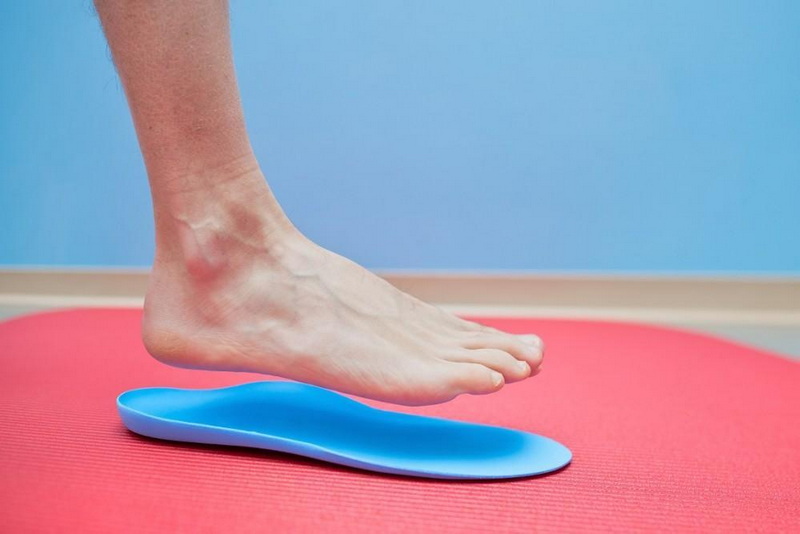
A simple fitting routine can make a big difference in comfort and performance.Start by checking the shoe interior to understand whether the insert can be removed and how deep the space underneath is. Some shoes hide a fairly thick liner that peels up easily, while others have a very thin, glued layer that is not meant to be removed.Next, place the custom support directly inside the shoe and check whether it lies flat from heel to toe without rocking or bunching. Press along the arch and heel area to make sure there are no gaps or soft spots that allow the device to move.Then test the shoe with and without any extra insert or liner. Walk on a firm surface, paying attention to heel grip, toe room, and overall stability during turns and changes of direction. If the stacked setup feels high, wobbly, or cramped, simplify it by removing layers or moving to a deeper shoe.For new users, gradual break‑in time is essential. Wearing the device for short periods each day and slowly increasing duration allows muscles and joints to adapt to the new support pattern without excessive soreness. Sudden, all‑day use in a complex stacked configuration is more likely to cause fatigue or irritation.
While this article cannot display images or video directly, brands and manufacturers can greatly improve user understanding by creating visual instructions.Photo sequences can show the entire process of removing a factory liner from a trainer or casual shoe, placing the custom support on the bare base, and then comparing that setup with a stacked version. Overhead photos can highlight how much space remains for the foot in each case and how toe room changes.Side‑view photos and cut‑away samples can help demonstrate how heel height and arch contact change when an extra layer sits under the device. By marking key anatomical landmarks on a transparent upper or on a demonstration foot, viewers can clearly see how excessive thickness disrupts alignment.Short demonstration clips are particularly powerful for digital marketing and training. A simple walkthrough can show how to check shoe depth, remove liners, test the support with and without an additional layer, and evaluate heel grip and toe room. Another clip can display a comparison of gait on a treadmill with a properly fitted device versus an unstable stacked setup.Educational clips where a clinician explains the design logic behind custom supports, and then demonstrates common fitting mistakes, help build trust. Users learn not only what to do, but why certain stacking choices reduce the effectiveness of their prescription.
Different categories of footwear respond very differently when a corrective device and a comfort insert are combined, which matters for buyers, retailers, and OEM partners.Athletic and walking styles often have removable liners and deeper interiors, making them more forgiving when replacing or carefully layering supports. Many trainers are designed with extra interior volume to accommodate sports inserts, which also makes them good candidates for prescribed devices.Casual and dress styles tend to have less depth, thinner liners, and sometimes fixed interiors. In those shoes, even a single extra layer can make them feel tight and unstable. Users may find that a device that works perfectly in a trainer cannot be stacked at all in a slim formal shoe.Safety boots and heavy work footwear may have thick liners and protective caps. Any extra height under the foot must be checked carefully to avoid rubbing around the ankle collar and reduced stability on uneven surfaces. For workers, poor fit can become a safety issue, not only a comfort question.Children’s footwear deserves special attention. Growing feet are more sensitive to crowding and pressure, and some kids resist wearing corrective devices if shoes feel tight or unstable. Clear instructions for parents on when to remove liners and how to check fit can make cooperation much easier.
Users sometimes ask for extra softness under a custom device, especially when they stand or walk for long periods, or when their previous footwear felt very cushioned. This desire for comfort is understandable, but it must be balanced against the need for a firm, stable base.Extra layers under a corrective device may feel pleasant at first, but they can reduce stability and change how the device controls foot motion. Instead of guiding the foot smoothly, the device may sink into soft material and lose precision.A more effective strategy is to build cushioning into the design of the device itself or to choose footwear with a more forgiving midsole while keeping the base under the support relatively firm. Top covers made from soft, resilient foams, plus carefully placed heel and forefoot pads, can provide a comfortable feel without undermining the corrective aim.For some people, even the best balanced setup will feel unusual for a while. Muscles and joints accustomed to a certain pattern of movement need time to adapt to the new support, so mild temporary soreness is not always a sign that the device is wrong. Gradual adaptation, combined with a sensible stacking strategy, usually delivers the best long‑term result.
For international partners, the question of stacking custom supports and comfort inserts opens up valuable design opportunities. Shoes and inserts can be co‑developed so that the interior geometry, removable liners, and aftermarket supports all work together rather than fighting each other.As a leading insole manufacturer in China, and a supplier to foreign brands, wholesalers, and producers, an OEM factory can offer tailored development programs. By understanding how clinicians prescribe devices and how consumers actually use them, the factory can help partners design:- Replacement liners pre‑shaped to accept common prescription devices, with clear guidelines on whether to remove or keep each layer in different scenarios.- Multi‑layer constructions where the base is firm and supportive enough for clinical devices, while the upper layers provide comfort, moisture control, and odor management during daily wear.- Demonstration kits and educational content that show retailers and clinicians how to fit devices correctly inside partner footwear, reducing returns and increasing user satisfaction.In practice, this might involve sample runs where interior volume, liner thickness, and device compatibility are all tested together. Feedback from foot health professionals and actual end users can then be used to refine patterns, materials, and recommended stacking instructions printed on packaging or hang tags.By combining engineering support, rapid sampling, and private‑label production, OEM suppliers help global partners answer consumer questions about stacking in a simple and visually engaging way. This positions the brand as thoughtful, health‑aware, and technically competent in the eyes of both retailers and final users.
End users should be taught to recognize warning signs that their current combination of custom support and insert is not working correctly.Persistent rubbing at the heel, arch, or ball of the foot, or visible red marks after wearing shoes for a short period, suggests that something is misaligned or that the shoe is too crowded. A feeling that the foot is sliding, rocking, or tilting inside the shoe when walking indicates instability and often points to excessive height or overly soft layers.New or worsening pain in the knees, hips, or lower back after changing the way layers are arranged is another red flag. Corrective devices are intended to reduce such problems, so an increase in symptoms may mean that the device is not positioned as intended.Whenever such signs appear, the user should first simplify the setup by removing extra layers and testing again in a stable shoe. If discomfort continues, a follow‑up consultation with the prescribing clinician can identify whether a new device, a different shoe style, or an alternative stacking strategy is needed.
Over time, both comfort inserts and corrective devices compress and wear. A simple maintenance plan helps users get consistent performance year after year.Regular visual checks for cracks, flattening, or deformation, especially in heel and arch zones, allow users to spot early signs of fatigue. If the device feels less supportive or the insert looks visibly compressed, replacement may be due.Routine cleaning and careful drying, following material‑appropriate instructions, keep the inside of the shoe fresh and hygienic. This is especially important for people who sweat heavily, work in hot environments, or wear closed footwear for most of the day.Scheduled reviews with a clinician after significant changes in body weight, activity level, or symptoms help ensure that the prescription remains appropriate. A setup that once worked perfectly may need adjustment when lifestyle or health status change.For brands and wholesalers, sharing these care tips through packaging, printed inserts, and online guides strengthens trust and reduces confusion about how multiple layers should be used together. When customers understand both how to stack and how to maintain their supports, satisfaction and repeat purchases both increase.
Putting a custom support on top of an insert is sometimes possible, but the safest starting point is to let the corrective device sit directly on the shoe base or on a very thin liner so that it can work as prescribed. Whenever extra layers are added under or around the device, shoe depth, heel grip, toe room, and overall comfort must be checked carefully, and any setup that causes instability or new pain should be reconsidered with professional help.By understanding how corrective devices and comfort inserts each function, and by designing shoes and liners to work harmoniously with them, brands and OEM manufacturers can deliver footwear systems that are both comfortable and clinically effective. End users benefit from clear, visual instructions and from products that anticipate real‑world stacking questions instead of leaving them to guess.
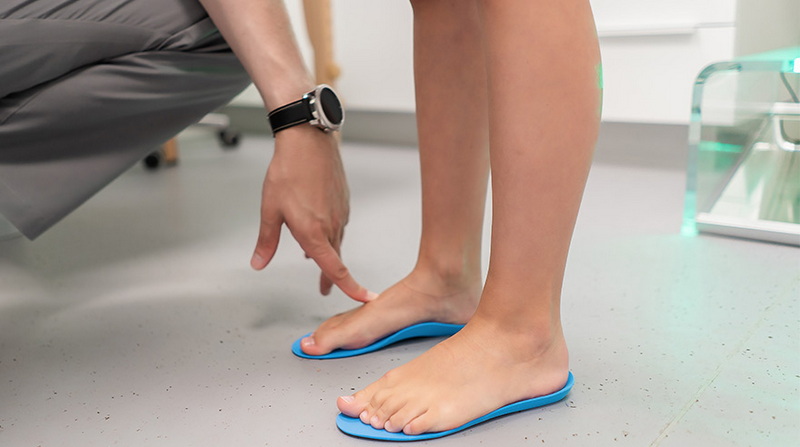
In some models with deep interiors and thin liners, a custom device can sit on top without causing crowding, but many experts still advise removing the original insert so that the support surface stays firm and predictable. The final choice depends on shoe depth, device thickness, and the guidance of the prescribing clinician.
If the shoe feels tight, the toes are pressed against the front, or the upper pushes down on the top of the foot, the combination is likely too bulky and may lead to blisters or numbness. Removing the original insert, switching to a deeper shoe, or redesigning the support system usually solves the problem.
Extra softness under a corrective device may feel pleasant at first but can reduce stability and change how the device controls foot motion. A better solution is to integrate cushioning into the custom design or choose footwear with a more forgiving midsole while keeping the base under the device relatively firm.
Athletic, walking, and many work styles with removable liners and deeper interiors tend to be the easiest to fit with corrective devices and comfort layers. Slim dress styles or shoes with very shallow interiors are more likely to feel crowded if extra layers are stacked, so they often require thinner devices or simpler setups.
Brands can design removable liners with clear thickness targets, provide extra depth in key styles, and create technical liners that are specifically labeled as compatible with prescription devices rather than generic inserts. Working with an experienced OEM insole factory also allows joint testing and visual guides that show end users how to fit devices correctly inside each model.Word count: approximately two thousand three hundred words.


