
Language
Views: 222 Author: Edvo Publish Time: 2025-11-27 Origin: Site


Content Menu
>> Classic Structure and Style
● Can You Put An Orthotic Insert in An Oxford?
>> Short Answer
● Key Oxford Features for Orthotic Inserts
>> 3. Wide or Anatomical Toe Box
>> 4. Firm Heel Counter and Stable Base
● Step‑by‑Step: How to Fit an Orthotic Insert in an Oxford
>> Step 1: Remove the Original Insole
>> Step 3: Insert the Orthotic
>> Step 4: Put the Shoes On and Lace Up
● Full‑Length vs 3/4‑Length Orthotics in Oxfords
● Styling Considerations: Keeping Your Oxford Look
● Comfort Tips for All‑Day Wear
● How OEM Insole Manufacturers Support Oxford Brands
● FAQ
>> 1. Will putting an orthotic insert in an Oxford damage the shoe?
>> 2. What type of orthotic works best in an Oxford?
>> 3. Do I have to buy “orthotic‑friendly” Oxfords, or can I use my existing shoes?
>> 4. Can orthotic inserts make my Oxford shoes more comfortable for standing all day?
>> 5. How can shoe brands and wholesalers add orthotic‑friendly Oxfords to their product line?
Oxford shoes are fully compatible with orthotic inserts as long as you choose the right shoe structure and fit the insole correctly. In fact, with the proper combination of shoe depth, removable footbed, and well-designed orthotic inserts, Oxfords can deliver both professional style and long‑term comfort for everyday wear.
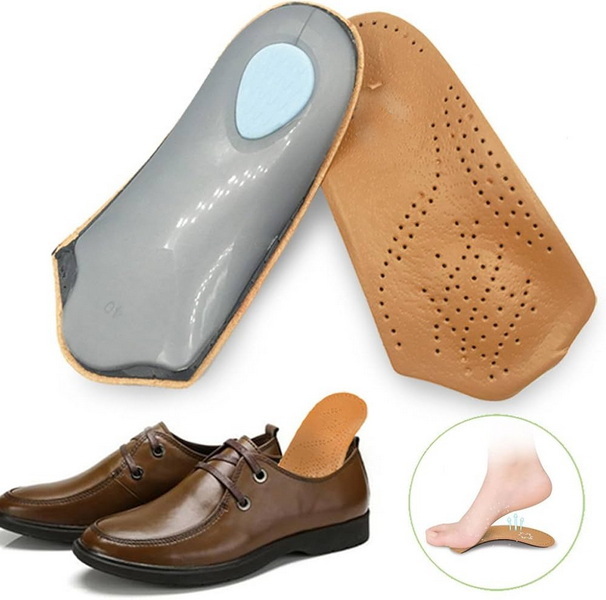
An Oxford is a low‑cut lace‑up dress shoe characterized by a closed lacing system, meaning the eyelet tabs are stitched under the vamp. This creates a clean, sleek silhouette that pairs well with business and formal outfits. Traditionally, Oxfords have a relatively low heel, a firm leather sole, and a streamlined upper that hugs the midfoot.
Because of this clean, low‑volume design, many people assume Oxfords cannot accommodate thicker insoles or medical devices. In reality, modern Oxfords often integrate comfort features such as padded insoles, slightly deeper interiors, and more flexible outsoles. These updates make it entirely feasible to insert orthotic insoles, provided you pay attention to depth, removable insoles, and toe‑box room.
An orthotic insert (orthotic insole) is a shaped device placed inside the shoe to improve alignment, support the arches, distribute pressure, and reduce pain. Orthotics can be:
- Custom‑made according to a podiatrist's prescription
- Semi‑custom devices with adjustable features
- High‑quality off‑the‑shelf insoles designed around common foot shapes
Their main purposes are to control excessive pronation or supination, cushion high‑pressure areas, relieve conditions such as plantar fasciitis and metatarsalgia, and make long periods of standing or walking more comfortable. When combined with a supportive shoe like a well‑built Oxford, they form a complete support system from the ground up.
Yes, you can put an orthotic insert in an Oxford—if the shoe has enough internal volume, a removable insole, and a stable base. Many contemporary dress shoes are marketed as “orthotic‑friendly” and include extra depth and removable footbeds specifically for this purpose.
Orthotics work best when they sit flat and stable inside the shoe, with the heel securely locked and the forefoot able to move naturally. Oxfords, with their lace‑up closure and relatively firm sole, are actually excellent partners for orthotics once you choose the right model. The laces allow you to fine‑tune the fit over the top of the foot, preventing the orthotic from sliding and helping the foot and insole function as one unit.
The most important feature is a removable insole or sock liner. This factory insole takes up volume. By removing it, you create space for the orthotic insert without over‑tightening the shoe. If an Oxford's insole is glued down and can't be removed without damage, it will be difficult to fit a full‑length orthotic without crowding the foot.
Depth refers to the internal height of the shoe from the insole to the top of the upper. Extra‑depth Oxfords are slightly roomier, allowing the orthotic to sit under the foot without pushing the toes against the top of the shoe. Adequate depth prevents rubbing, top‑of‑foot pressure, and cramped toes.
A slightly wider or anatomical toe box ensures your toes can spread naturally even with an orthotic under your foot. If the forefoot is too narrow, both your foot and the insert compete for space, causing bulging at the sides and discomfort during walking. Oxford models with a subtle round toe or “comfort last” are usually better than extremely narrow, pointed shapes.
A firm heel counter (the stiff part around the back of the heel) helps lock the rearfoot onto the orthotic, preventing it from rocking or sliding. A stable sole with a modest heel and a firm midsole supports the orthotic device and keeps your alignment consistent. Extremely soft, collapsing soles can reduce the effectiveness of the insert.
Open the laces fully and gently pull out the factory insole or sock liner. If it is lightly glued, peel it out slowly to avoid tearing. Removing this layer creates the necessary vertical space for the orthotic.
Place the original insole on top of your orthotic insert. If the orthotic is slightly longer or wider, use the old insole as a cutting template. Trace around it with a pen and carefully trim the excess from the toe area using sharp scissors. Take off small amounts at a time to avoid cutting too much.
Slide the trimmed orthotic insert into the Oxford, heel first, ensuring it lies completely flat from heel to toe. Run your fingers inside the shoe to check for ridges, wrinkles, or raised edges. The device should match the shoe's internal outline as closely as possible.
Step into the shoe and gently tap your heel back so it sits fully in the orthotic's heel cup. Lace the Oxfords from bottom to top, snug but not overly tight. Proper lacing locks the heel and midfoot in place, preventing the orthotic from shifting and ensuring the arch area aligns correctly with your foot.
Walk on a hard, flat surface for several minutes. Pay attention to:
- Heel slippage or rubbing
- Tightness or pressure on the top of the foot
- Crowding or tingling in the toes
- Any sharp edges under the arch or forefoot
If you notice problems, you may need additional trimming at the toe, a slightly looser lacing pattern, or a different Oxford size/width.
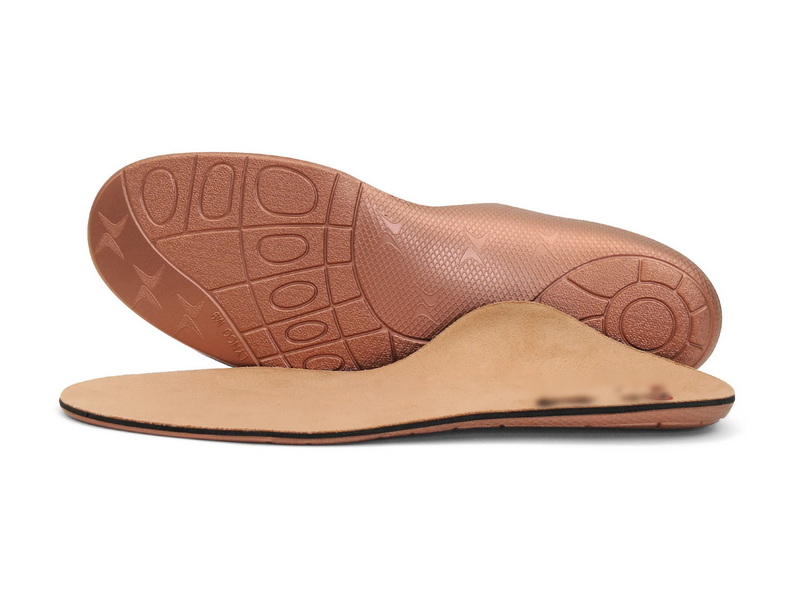
Using a full‑length orthotic can add noticeable thickness under your foot. In some cases, especially with thicker custom devices or wider feet, you may need to:
- Go up half a size in length
- Choose a wider width (e.g., from D to E or EE)
- Select an “extra‑depth” or “comfort” Oxford model
Trying on Oxfords with your orthotics in hand is the most reliable way to judge whether sizing up is necessary. The ideal fit leaves enough room for your toes to move freely, without heel slippage or excessive tightness over the instep.
Full‑length devices run from heel to toe and provide comprehensive cushioning and support. They are ideal when:
- The Oxford has a fully removable insole
- The shoe has enough depth and length
- You want extra forefoot cushioning and pressure relief
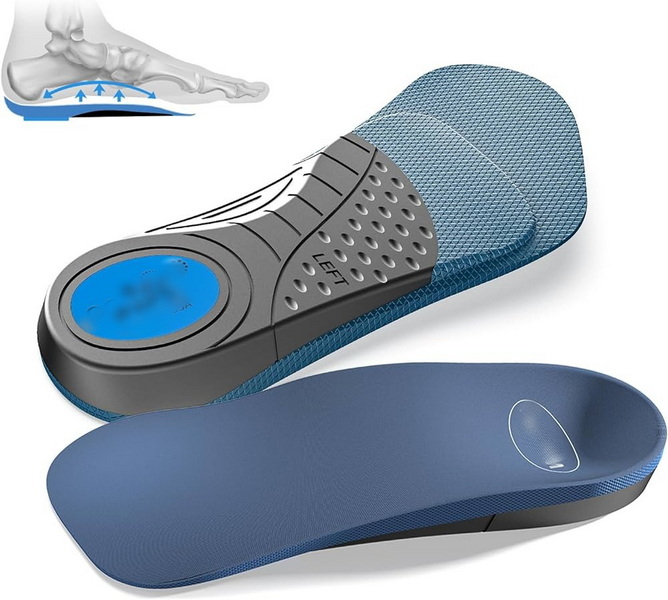
Three‑quarter orthotics stop just behind the ball of the foot. They are thinner in the front and easier to fit into low‑volume dress shoes. They can be useful when:
- The Oxford is slim or low‑profile
- You cannot remove the original forefoot padding
- You mainly need rearfoot and arch control
In very sleek formal Oxfords, a high‑quality 3/4‑length device often strikes the best balance between support and elegance.
Many wearers worry that supportive orthotics will force them into bulky or casual shoes. With careful selection, you can:
- Choose classic leather Oxfords with discreet comfort features (removable insoles, cushioned heel, flexible midsole).
- Opt for darker colors and traditional brogue or cap‑toe patterns that maintain a formal impression.
- Use thin but supportive materials like high‑density EVA or PU foam combined with rigid arch shells to keep volume low inside the shoe.
From the outside, a well‑designed orthotic inside a refined Oxford is virtually invisible, allowing you to keep a sharp professional appearance while still protecting your feet.
- Break in both the Oxfords and the orthotics gradually, starting with a few hours per day.
- Use quality socks with moderate thickness to prevent friction and help manage moisture.
- Rotate between two or more pairs of Oxfords so the leather and insole materials can dry and recover between wears.
- Replace orthotic inserts periodically when cushioning compresses or the top cover shows wear.
As a leading Chinese insole manufacturer providing OEM services for international brands, wholesalers, and shoe producers, there is strong demand for insoles specifically optimized for Oxford and other dress shoes. Typical OEM support includes:
- Custom orthotic‑ready insoles exactly matching the last shapes of a brand's Oxford models
- Thin yet supportive constructions that work in low‑profile dress silhouettes
- Material combinations such as high‑density EVA, PU, latex, gel pads, and fabric top covers that balance support, comfort, and breathability
- Private‑label branding, custom packaging, and full solutions for global distributors
By integrating orthotic‑friendly insole designs into Oxford shoes at the manufacturing stage, brands can market formal footwear that is immediately ready to accept custom or aftermarket orthotic inserts.
- Forcing a thick orthotic into a very shallow Oxford and then over‑tightening the laces
- Leaving the original insole in place and stacking the orthotic on top, creating excessive bulk
- Ignoring toe‑box pressure and hoping it will “stretch out” on its own
- Using extremely soft, collapsing insoles that bend or buckle under the arch instead of providing stable support
Avoiding these mistakes ensures that your orthotics work properly and your Oxfords remain comfortable and elegant.
You absolutely can put an orthotic insert in an Oxford, as long as you focus on compatibility between the device and the shoe. Choose Oxfords with removable insoles, extra depth, a reasonably wide toe box, and a firm heel counter. Fit the orthotic carefully—removing the factory insole, trimming if necessary, and adjusting lacing for a secure hold. With the right combination, Oxfords become stylish, orthotic‑friendly shoes suitable for long workdays, events, and daily walking. For brands and wholesalers, working with an experienced OEM insole manufacturer makes it possible to offer Oxford collections that seamlessly integrate orthopedic support without sacrificing classic dress‑shoe aesthetics.
No, using an appropriately sized orthotic will not damage a well‑made Oxford. As long as you remove the original insole and do not overstretch the upper or seams, the shoe structure remains intact. Many modern Oxfords are specifically built to accept removable insoles and orthotics.
Slim, full‑length orthotics or 3/4‑length devices with a firm arch shell and relatively thin forefoot usually work best. They provide proper support without creating too much bulk inside the shoe. For very sleek dress Oxfords, 3/4‑length models are often the easiest to fit.
If your current Oxfords have removable insoles and enough internal depth, you can often use them successfully with orthotics. However, if the insole is glued in or the shoe feels very tight even without an insert, it is usually better to invest in a new, orthotic‑ready pair.
Yes, one of the main advantages of orthotic inserts is improved weight distribution and reduced stress on the feet, knees, and lower back. When properly fitted inside supportive Oxfords, they can significantly increase all‑day comfort for people who stand or walk for long periods.
Brands and wholesalers can collaborate with professional OEM insole manufacturers to design Oxford lasts, removable insoles, and built‑in footbeds optimized for orthotic compatibility. By coordinating shoe structure and insole design from the start, they can offer ready‑to‑wear Oxfords that accept custom or aftermarket orthotics with minimal adjustment.


