
Views: 222 Author: Edvo Publish Time: 2025-11-06 Origin: Site


Content Menu
● Understanding Foam and Leather Insoles
● The Rationale for Layering Leather over Foam
>> Enhanced Comfort and Personalization
>> Superior Moisture and Odor Management
● How to Layer Leather Insoles over Foam Insoles
>> Step-by-Step Placement Guide
>> Best Practices for OEMs and Brands
● Deep Dive: Comfort, Support, and Health
>> Custom Fit and Pressure Relief
>> Moisture, Breathability, and Hygiene
>> Durability, Sustainability, and Maintenance
● Style, Aesthetics, and Additional Material Comparisons
● Common Use Scenarios for Leather over Foam Insoles
>> Work Safety Boots and Uniform Footwear
>> Orthotic and Special Needs Footwear
● Care, Maintenance, and Replacement Tips
● Advanced Customization and Innovations
● FAQs
>> 1. Does adding a leather insole over foam make shoes feel tighter?
>> 2. How long do leather and foam insoles last?
>> 3. Can all shoe types accept dual-layer insoles?
>> 4. What's the best way to clean dual-layer insoles?
>> 5. Are custom orthotic leather insoles suitable for use with foam bases?
Combining leather insoles with foam insoles is a sophisticated, modern footwear customization method. This practice responds to the growing need for superior comfort, durability, and targeted performance in international footwear markets. For brands, wholesalers, and manufacturers, the layered insole solution enables new product offerings that appeal to both functional and high-end consumer segments. This article presents a detailed, up-to-date guide for implementing leather over foam insoles, including benefits, methods, and specific use-cases.
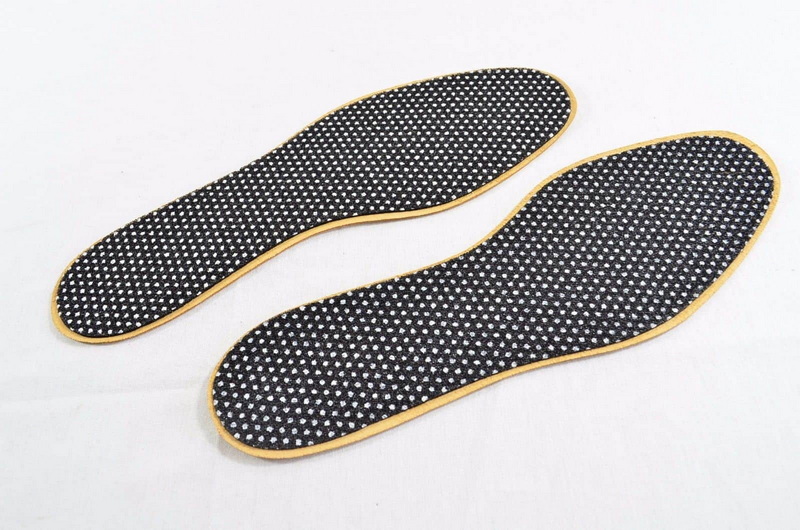
Foam insoles are typically made from materials like polyurethane (PU), EVA, latex, or memory foam. Their primary advantage is superior cushioning and shock absorption, ideal for individuals who spend long hours on their feet or are engaged in high-impact activities. These insoles adapt rapidly to the wearer's foot, providing an instant soft feel and reducing pressure on sensitive areas. Foam excels in lightweight construction, making shoes feel less tiring over the day.
Over time, however, some foam types can lose their shape and springiness with repeated use. Still, new advances in plant-based and sustainable foams are bridging the gap between performance and environmental responsibility, making foam insoles a preferred choice among performance-oriented shoe brands.
Leather insoles leverage genuine or processed leather, known for their unmatched durability, breathability, and ability to mold to the foot. As a natural material, leather absorbs moisture efficiently and allows the skin to breathe, a critical advantage in warm climates or active scenarios. With time, leather insoles develop a custom contour that provides a truly individualized fit.
Leather insoles are the gold standard for traditional dress shoes, boots, and high-end bespoke footwear, imparting an aura of quality and sophistication. They are also found in orthotic designs, where long-lasting support is necessary.
By layering a leather insole over a foam base, both shock absorption and insole longevity are maximized. The foam's springy cushioning absorbs daily impacts, protecting the foot from fatigue, while the leather layer adds firmness, maintains proper foot alignment, and ensures superior moisture management. This combination is excellent for manufacturers aiming to provide a personalized “step-in” comfort experience for end users.
Leather's highly breathable and antimicrobial properties make it the top choice for minimizing foot odor and excess sweat buildup. Especially for individuals prone to perspiration or those using their shoes for long hours, the ability of leather to absorb and slowly release moisture helps keep feet dry and healthy.
When combined with foam, which quickly wicks moisture away from the foot, the result is a dual-layer system capable of maintaining a consistent, fresh foot environment throughout the day.
Leather outlasts most foam materials. By layering leather over foam, the upper surface—the one in contact with the foot—remains robust and less prone to compression or surface cracking. This protects the more easily compressed foam underneath, extending the wearable life of the entire insole structure and reducing replacement cycles for both individual consumers and wholesale buyers.
1. Assess the Shoe's Fit: Ensure the footwear has a removable insole and sufficient depth for two layers. Shoes with deep footbeds or those designed for orthotics work best for dual layering.
2. Remove Existing Insoles: Take out any old or OEM insoles to avoid tightness and to create a fresh, even base.
3. Trim Both Insoles for Size: Use the existing insole as a template to trim new foam and leather layers for a snug, uniform fit inside the shoe.
4. Layer the Materials: Place the foam insole first. Then, set the leather insole directly over the foam insole, ensuring heel and toe alignment for both layers.
5. Test for Comfort and Fit: Walk in the shoes to check for any slippage or discomfort. If the shoe feels too tight, consider thinner foam or leather or choose a shoe half a size larger for future use.
6. Secure if Necessary: For high-movement activities, a small double-sided adhesive or removable glue dot between layers can help prevent shifting.
- Manufacture insoles in matched pairs for multiple shoe sizes, reducing the need for end-user customization.
- Include printed guides or QR code instructional videos in packaging, increasing buyer confidence and reducing customer service inquiries.
- Offer both separate and pre-laminated dual-layer insoles as part of your product range, appealing to direct consumers and B2B buyers alike.

Leather insoles are renowned for molding to the unique contours of the foot over time, providing targeted support at the arch, heel, and metatarsal regions. This molding process not only ensures lasting comfort but also helps in reducing fatigue and preventing common ailments such as plantar fasciitis or metatarsalgia.
Foam underneath continues to cushion each step, absorbing shocks and pressure that would otherwise transfer up the kinetic chain to knees and hips. This dual-action approach helps maintain ergonomic alignment for everyday wearers as well as those engaged in demanding work or sports environments.
Leather's structure consists of a network of natural fibers, making it exceptionally breathable, while foam often features open-cell composition to wick away sweat. The result is a system where moisture is quickly removed from the skin, absorbed, and gradually evaporated. This creates a cooler, drier, and more hygienic shoe interior, crucial for athletes and workers exposed to moisture over long hours.
For brands, this means fewer complaints of odor or skin irritation, translating to stronger reviews and higher buyer satisfaction.
Leather is naturally resistant to abrasion and wear, especially high-quality options like full-grain or vegetable-tanned leather. Unlike foam, which can compress and lose shape, leather maintains its resilience much longer even after daily use. With proper care—periodic air drying and gentle cleaning—a leather insole can last for several years.
Foam technologies have also improved, with many brands now using recycled or plant-based foams for better sustainability. For environmentally conscious brands, combining a sustainably sourced foam base with durable leather creates a compelling, “green” footwear story for global markets.
Leather not only functions as a high-performance insole material but also elevates the visual appeal and tactile sensation of the shoe. This can be a major selling point in high-end or fashion markets. Adding a leather insole can create a luxurious touchpoint that differentiates your footwear line from mass-market alternatives.
Compared to other insole materials, such as gel or fabric:
- Leather delivers the best breathability and most refined appearance.
- Foam provides lightweight, versatile cushioning at lower cost.
- Gel excels in shock absorption but lacks structural support.
- Fabric insoles offer light breathability but fall short in longevity and support.
Combining leather and foam captures the best of both worlds, offering brands a versatile value proposition for varied market demands.
Athletes need responsive underfoot cushioning to protect joints, as well as sweat-wicking and odor management. Leather over foam is ideal for running, tennis, and training shoes where multi-hour comfort matters most.
Workers in construction, manufacturing, and service industries spend all day on their feet. Layered insoles help reduce fatigue and prevent blisters, making them an asset in any work boot or heavy-duty uniform shoe.
For those with medical conditions requiring tailored support, a leather insole adds custom molding and long-term structure, while the foam provides adaptable comfort for sensitive areas. Shoe professionals and podiatrists frequently recommend this setup for patients seeking enhanced support without sacrificing softness.
- Always air out insoles after use, particularly in humid environments, to extend their wearable life.
- Use a soft, damp cloth to clean the leather surface regularly. Avoid harsh chemicals, which can degrade both foam and leather.
- Replace foam insoles every 4–8 months, depending on usage. Leather insoles can last 12–18 months with proper care.
- Rotate between two sets of insoles for shoes worn daily to further extend longevity and freshness.
Modern footwear designers and OEMs are now advancing dual-layer insole designs by experimenting with sustainable leathers, antimicrobial treatments, and hybrid composites. Some shoe manufacturers offer insoles with built-in arch supports, memory foam cores, or recycled leather/fabric blends for specific customer needs.
For OEM buyers, offering bespoke insole construction—such as thickness, density, or finish options—provides differentiation in global markets. Being able to tailor insole features to the preferences of overseas clients (cosmetic, pharmaceutical, sports, etc.) is rapidly becoming a key competitive advantage.
Placing a leather insole over a foam insole is a practical, high-value upgrade that addresses durability, comfort, and hygiene while giving brands the means to deliver premium quality at scale. For global buyers, manufacturers, and product developers, this layered approach translates to versatility, customer satisfaction, and brand value across diverse markets. The dual-layer insole strategy is an investment in both product quality and wearer health—ideal for every segment from athletic, work, to luxury fashion.
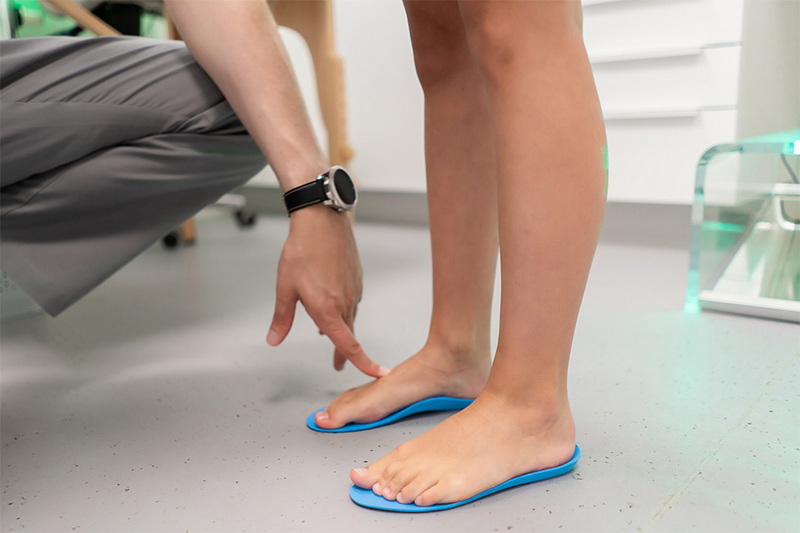
Yes, additional layers will reduce available space. This is best for shoes with removable footbeds or deeper interiors. Manufacturers may recommend sizing adjustments for best fit.
With proper care, leather insoles can last over a year. Foam insoles, depending on intensity and frequency of use, generally require replacement within four to eight months.
Most athletic, work, and casual shoes are suitable. Slim or formal dress shoes may need thinner insole materials or extra sizing consideration.
Remove both layers regularly for airing. Clean leather gently with a damp cloth, dry foam in open air, and never use strong cleaners or heat sources.
Yes, many orthotic solutions use this combination for both medical support and comfort. Always consult a professional for precise foot health needs.


