
Views: 222 Author: Edvo Publish Time: 2025-12-21 Origin: Site


Content Menu
● Understanding Orthotic Insoles
● How Orthotic Insoles Work During Running
● Benefits of Running with Orthotic Insoles
>> Improved Alignment and Stability
>> Greater Efficiency and Performance
>> Comfort for Long-Distance Runs
● Can Everyone Run with Orthotic Insoles?
● Key Considerations When Choosing Orthotic Insoles for Running
>> Arch Design
>> Activity Level and Running Style
● The Role of Orthotics in Biomechanical Correction
● Adapting to Orthotic Insoles for Running
>> Step-by-Step Adaptation Plan
● Common Misconceptions About Running with Orthotic Insoles
>> 1. Orthotics Limit Natural Running
>> 2. Only Injured Runners Need Orthotics
>> 3. All Orthotics Feel Rigid
>> 5. Custom Orthotics Are Always Better
● Performance Enhancement Through Orthotics
● Maintenance and Care of Running Orthotics
● Why Professional Runners Choose Branded OEM Orthotic Solutions
● Future Trends in Running Orthotic Insoles
● FAQ About Running with Orthotic Insoles
>> 1. How long does it take to adjust to orthotic insoles?
>> 2. Should I replace my shoe's original liners?
>> 3. Can I transfer orthotics between shoes?
>> 4. Are custom orthotic insoles worth the cost?
>> 5. How often should I replace running orthotics?
Running is a universal sport — simple, efficient, and freeing. Yet despite its simplicity, running places significant mechanical stress on your body. Each step generates impact forces several times your body weight, traveling up through your feet, knees, and hips. While the body is naturally designed to absorb such impact, repetitive imbalance can cause injuries or chronic pain over time. This is where orthotic insoles become essential.
Runners often ask: Can you run with orthotic insoles? The short answer is yes — not only can you run with them, but when chosen and fitted correctly, orthotics can transform your running experience. They realign your posture, improve comfort, and reduce the risk of injury, helping you enjoy safer and more efficient training sessions.
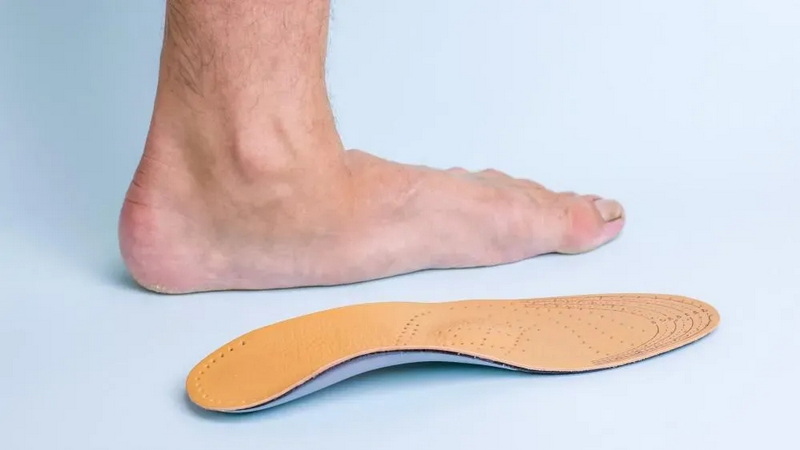
Orthotic insoles are engineered foot supports inserted into shoes to correct biomechanical misalignments. Unlike ordinary shoe inserts, they are designed with medical-grade precision to reshape how your foot interacts with the ground. The result is smoother motion, reduced strain, and more efficient energy transfer during every stride.
Orthotics come in various designs depending on the needs of the user:
- Custom orthotics, which are tailored to individual foot shapes and medical conditions.
- Prefabricated orthotics, which follow general foot categories (low, neutral, or high arches).
- Functional orthotics, made to control motion and improve gait.
- Accommodative orthotics, made for cushioning and pressure relief for sensitive feet.
While originally developed for medical use, such as treating plantar fasciitis or arthritis, many athletes and runners now use orthotics proactively to prevent injuries and enhance performance.
When running, proper foot alignment ensures balanced pressure distribution. Without support, some runners' feet roll inward (overpronation) or outward (supination), leading to uneven stress. Over time, this imbalance may cause knee pain, hip discomfort, or back strain.
Orthotic insoles intervene by guiding the foot back to its neutral position. They support natural pronation — the slight inward roll that absorbs shock — while preventing excessive rotation. Proper biomechanical control improves overall posture and minimizes wasted energy.
In essence, orthotics act as a bridge between your shoe and your body's anatomical alignment. They make every step stable, efficient, and less injury-prone.
Running with well-designed orthotic insoles provides multiple advantages beyond pain relief.
Correct alignment reduces pressure on the inner knees and hips. A runner with overpronation experiences less joint strain when foot positioning is guided correctly. Stability also helps maintain rhythm, particularly on long-distance runs.
Every stride sends an impact wave through the lower body. Orthotic insoles with EVA or PU materials disperse this impact evenly, protecting the plantar fascia, heel, and Achilles tendon. This improves recovery speed after workouts and reduces fatigue.
Common running injuries often stem from repetitive stress or improper mechanics. Orthotics help prevent conditions such as:
- Runner's knee
- Shin splints
- Achilles tendinitis
- Plantar fasciitis
- Iliotibial band syndrome
With consistent use, runners notice reduced soreness and longer training longevity.
By optimizing biomechanics, orthotics reduce unnecessary muscle engagement and improve energy transfer during toe-off. Runners can maintain smoother transitions and consistent cadence with less fatigue.
For marathoners or trail runners, maintaining comfort over extended distances is essential. Orthotics improve blood circulation across the foot by minimizing localized pressure points and friction hotspots.
While highly beneficial, orthotics are not universally necessary. Runners with neutral arches and no existing pain may not require corrective insoles. However, most people have slight biomechanical irregularities, and subtle corrections can yield noticeable improvements in comfort and performance.
Orthotic suitability depends on factors such as:
- Foot type (flat, normal, or high arch).
- Running gait (overpronation or supination).
- Training intensity (casual exercise vs. competitive running).
- Shoe type and cushioning level.
A gait assessment can help determine whether orthotics will improve or hinder performance. When in doubt, start with prefabricated models before investing in custom-made versions.
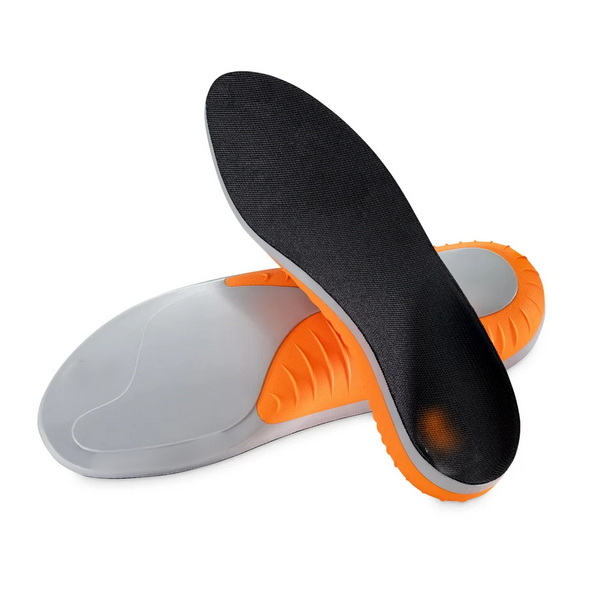
The material determines cushioning, support, and durability. Running insoles typically use:
- EVA foam for lightweight flexibility and cushioning.
- TPU for stable arch reinforcement.
- PU foam for soft, adaptive comfort.
- Carbon fiber for ultra-light rigidity in competitive running.
As an OEM insole manufacturer, we utilize combinations of these materials to achieve balanced performance across different markets — from recreational footwear to professional sports shoes.
Arches provide natural shock absorption. High arches demand flexible cushioning, while flat feet require firmer arch support to prevent overpronation. Knowing your arch type helps select the perfect orthotic design.
Running shoes vary in volume, shape, and midsole height. Orthotics should fit snugly without compressing the toes or lifting the heel excessively. They should complement, not contradict, the shoe's structural design.
Trail running, sprinting, and marathons all place unique demands on the foot. For example, trail shoes benefit from thicker, more shock-absorbent orthotics, while racing flats require thin, lightweight support.
Custom orthotics are made using 3D scanning, digital modeling, and CNC machining. They match the athlete's precise anatomy, ensuring optimal performance. Our factory's advanced production system supports custom molds and branded OEM production with global export standards.
Every human foot has a unique structure with varying angles in the arch and heel. Small differences lead to major changes in running efficiency. Example: if one foot pronates slightly more than the other, the hips rotate unevenly, causing chronic tension in the lower back.
Biomechanical correction through orthotic insoles realigns these imbalances. When the foot is correctly positioned, the kinetic chain — from ankle to hip to shoulder — operates in harmony. This reduces muscular compensation and energy loss, making movements more economical.
In other words, orthotics don't just fix the foot; they optimize the entire body's running mechanics.
Switching to orthotic insoles can feel strange at first. The key is allowing your body time to adapt naturally.
1. Begin gently — wear your orthotics for walking before transitioning to running.
2. Gradual integration — start with 15–20 minute runs for the first few sessions.
3. Monitor feedback — mild soreness is expected; severe discomfort suggests poor fit.
4. Maintain consistency — regular use trains your muscles to align properly.
5. Replace when worn out — most orthotics last 500–800 km before their structure deteriorates.
With steady use, most runners adapt fully within two to four weeks. Once broken in, orthotics feel like an extension of the shoe itself.
Properly designed orthotics guide your natural stride, not restrict it. They fine-tune biomechanics to allow efficient motion rather than alter it unnaturally.
Preventive support is just as valuable as therapeutic use. Many elite runners use orthotics to sustain performance and protect against repetitive strain injuries.
Modern materials and flexible composites ensure a natural feel. OEM manufacturers now produce orthotics that combine firmness and cushioning for a realistic barefoot sensation.
Shoe type matters. Orthotics should match shoe volume and structure for optimal effectiveness. Using the same pair in ultra-light racing flats and heavy trail shoes rarely works well.
Customization helps in special cases, but high-quality prefabricated models meet most athletes' needs. The selection should balance performance goals and cost.
Running efficiency is rooted in how your muscles use energy. Misalignment forces certain muscles to overwork while others underperform. Orthotics balance this load, allowing the body to function more symmetrically.
When biomechanics are aligned:
- Muscular fatigue decreases.
- Posture becomes upright and fluid.
- Breathing efficiency improves thanks to reduced torso rotation.
- Stride length and cadence remain consistent.
Athletes notice improved control over pace and reduced recovery time after intense runs. The psychological benefit of stable footing also boosts confidence, especially during long races or uneven terrain.
Durability depends on both material and care. Here's how to extend their lifespan:
- Air dry after use — avoid direct heat or sunlight, which can deform foam structure.
- Remove after workouts to let moisture escape.
- Clean gently using mild soap and warm water.
- Inspect wear patterns — uneven compression signals that replacement may be needed.
For daily training, rotating between two pairs ensures consistent support while prolonging each pair's service life.
Leading athletes partner with manufacturers who can tailor orthotics to specific competition needs. As a Chinese OEM producer, our factory serves global sports and footwear brands with:
- High-precision molding technology.
- Ergonomic design informed by sports medicine.
- Custom branding and color design for private-label clients.
- Multi-layer material engineering combining TPU, EVA, and breathable mesh.
By sourcing directly from specialized manufacturers, brands and distributors can reduce cost, maintain quality, and expand their product lines with custom running accessories.
The next generation of orthotic insoles integrates smart technology and eco-friendly materials. Future features include:
- Pressure-sensitive sensors for gait analysis.
- Recyclable bio-based EVA materials for sustainability.
- 3D-printed custom insoles based on digital foot scans.
- Temperature-control layers to maintain comfort in all climates.
As global consumers grow more health-aware, demand for advanced footwear inserts continues to expand. This trend offers opportunities for international partners seeking high-performance OEM insole solutions.
Running with orthotic insoles isn't just possible — it's recommended for most runners who want to move efficiently and pain-free. Orthotics support proper alignment, reduce fatigue, and prevent common injuries caused by repetitive impact. The key lies in choosing insoles that match your foot type, running style, and activity level.
Whether you run marathons, train recreationally, or design footwear for professional athletes, orthotic insoles are the foundation for comfort and performance. As a leading Chinese orthotic insole manufacturer, we specialize in OEM and custom production for global brands, delivering high-quality, medically informed solutions that combine durability and precision engineering.
A properly chosen pair of orthotic insoles can make every run smoother, safer, and more rewarding.
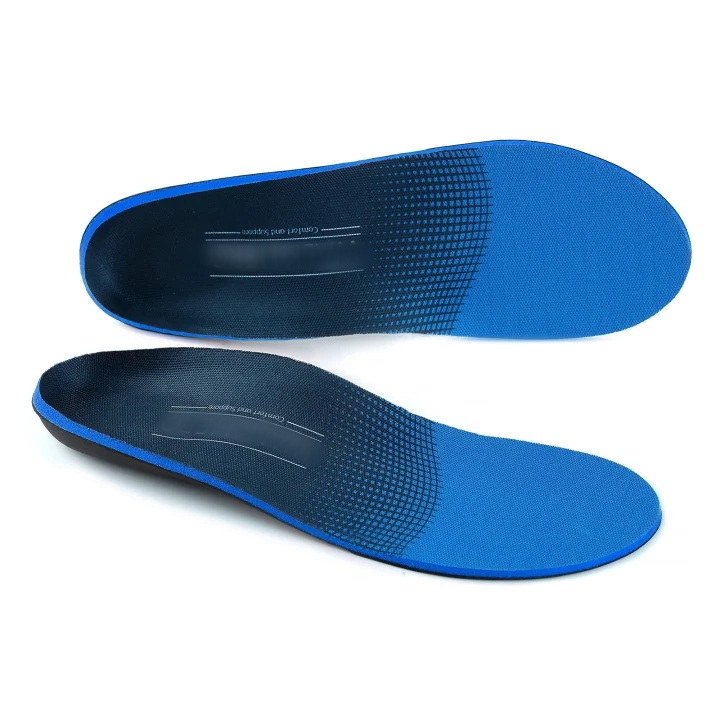
Adaptation takes one to three weeks. Start with short runs and increase distance gradually. The body needs time to build new muscle memory.
In most running shoes, yes. Replacing the factory insoles ensures better placement and prevents unnecessary elevation of the heel or crowding in the forefoot.
Yes, but only between similar styles. Using the same pair in both running and casual shoes may affect fit and comfort because of different shoe volumes.
For runners with chronic pain or foot abnormalities, custom orthotics provide unmatched relief and correction. Others may find high-quality prefabricated options sufficient.
Orthotics should generally be replaced every 800 to 1,000 km, depending on wear pattern, sweat exposure, and material quality.


