
Language
Views: 222 Author: Edvo Publish Time: 2026-01-10 Origin: Site


Content Menu
● Understanding Insoles and Their Purpose
>> The Basic Functions of Insoles:
● Types of Insoles in Footwear
>> 1. Hygiene and Moisture Control
>> 2. Comfort and Cushion Optimization
>> 3. Orthopedic or Medical Adjustments
>> 5. Material Replacement and Upgrades
● How to Safely Remove Insoles from Shoes
● How to Choose the Right Replacement Insole
>> 1. Select the Right Material
● OEM Insole Manufacturing for Shoe Brands
>> Benefits of OEM Partnership:
● Cleaning and Maintenance for Removable Insoles
● Common Mistakes When Removing or Replacing Insoles
● When Should You Replace Insoles?
● Sustainability and the Future of Insoles
● Why Removable Insoles Improve User Experience
● Shoes with Fixed Insoles: What Can You Do?
● Expert Tips for Brands Developing Insole Products
>> 1. Can all shoes have removable insoles?
>> 2. How often should insoles be replaced?
>> 3. Can I reuse old insoles in new shoes?
>> 4. How do I stop insoles from slipping inside shoes?
>> 5. Are OEM insoles customizable for brand design?
Comfort, hygiene, and performance all start from one simple but often overlooked component—the insole. Whether you are a casual walker or a serious runner, the way your feet feel inside your shoes affects your entire body's alignment and endurance. Many people wonder: Can you take insoles out of shoes? The short answer is yes, but with some important considerations. Understanding whether, why, and how to remove or replace shoe insoles can make a world of difference in comfort, health, and footwear longevity.
In this guide, we will explore everything you need to know about taking insoles out of shoes, choosing new ones, avoiding damage, and understanding the benefits from both a user's and manufacturer's standpoint.
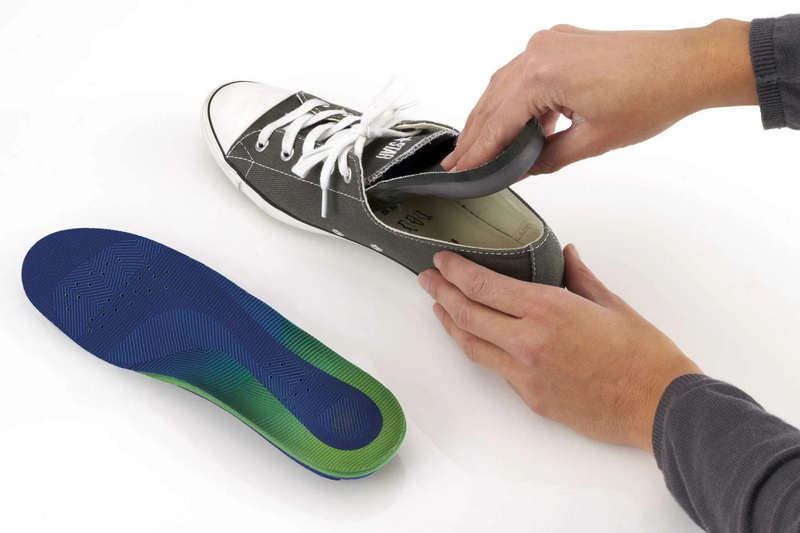
Insoles, or footbeds, are the cushioned layers resting beneath your feet. They help absorb shock, correct posture, prevent foot strain, and improve fit. For warehouses, athletes, and everyday wearers alike, a supportive insole reduces foot pain and fatigue.
- Shock absorption: Reduces the impact when walking or running.
- Support: Improves arch stability and reduces strain.
- Alignment: Corrects foot posture, preventing ankle and knee issues.
- Comfort: Cushions pressure points for long wear.
- Odor control: Some include anti-microbial or breathability features.
Insoles are typically designed from materials like EVA foam, latex, gel, or memory foam, depending on the shoe's purpose. Athletic shoes, for example, often come with thick, removable insoles that help reduce impact. Dress shoes, on the other hand, tend to have thin, fixed insoles meant for style and structure rather than comfort customization.
The removability of insoles depends largely on the shoe's construction. Here are the common categories:
- Removable Insoles: Designed to come out easily for cleaning or replacement. These are common in running shoes, hiking boots, and other performance footwear.
- Fixed Insoles: Glued or stitched directly into the shoe midsole. They're usually found in fashion shoes or formal shoes where a sleek interior is desired.
- Semi-removable Insoles: Attached by light adhesive; they can be taken out with care. Many mass-produced sneakers use this hybrid design to balance stability with flexibility.
- Custom or Orthopedic Insoles: Personalized designs that replace original insoles to address medical issues like flat feet, plantar fasciitis, or overpronation.
Once you identify the type of insole your shoes have, you can decide whether removal or replacement is suitable.
Removing insoles isn't only about comfort—it's also a practical step for hygiene, functionality, and adapting your shoes to new needs.
Insoles absorb sweat, bacteria, and odor over time. By removing them, you allow air circulation, washing, or deodorizing. This prevents odor buildup and extends your shoe's lifespan.
The shape of standard insoles doesn't suit every foot. Replacing them with an insole that matches your arch type—flat, medium, or high—can eliminate hot spots and pain during long hours of walking.
If your podiatrist recommends corrective insoles, you'll typically need to remove the original pair to make space. Customized medical insoles offer tailored support to relieve heel or arch pain.
Insoles can slightly alter internal shoe volume. Thicker ones tighten loose shoes, while thinner ones provide extra space if your shoes feel tight. Adjusting this can help you achieve the perfect fit.
Swapping a worn-out insole for a newer one restores comfort and support. Quality replacements can also improve moisture control and enhance air circulation, giving older shoes a fresh feel.
Athletes and labor-intensive workers benefit from insoles made for impact resistance and energy return. Replacing the standard insole improves performance by providing targeted support where needed most.
Not all insoles are designed for easy removal, so proper care is essential. Here's a simple, safe process to follow:
1. Inspect first: Look around the heel or toe area to find lifting points or adhesive edges.
2. Loosen slowly: Insert your fingers under one side and pull evenly without bending or forcing.
3. Use a flat, smooth tool: If lightly glued, slide a flexible plastic card or spatula under the insole to separate the adhesive.
4. Clean the base: Remove leftover glue and dust with a damp cloth before inserting new insoles.
5. Air out before reuse: Let the shoe dry naturally before replacing or adding insoles.
If the insole feels tightly bonded or stitched around the perimeter, avoid tearing it. Instead, use a top insert layer insole designed to sit on top of the fixed one.
Once the original insole is removed, the next challenge is selecting the right replacement. Comfort depends on both the material and design. The ideal replacement insole should fit snugly without folding or sliding during movement.
Different activities require different materials:
- Memory foam: Soft, molds to foot contours, perfect for daily comfort.
- EVA foam: Lightweight and shock-absorbent, suitable for running.
- Gel: Excellent for cushioning high-impact areas like heels.
- Leather: Maintains breathability and luxury feel for formal footwear.
- Cork or bamboo: Eco-friendly choices with natural resilience and odor control.
Sports, work, hiking, and fashion footwear all have unique support requirements. For example, running shoes need foam with high rebound, while work boots benefit from anti-slip and shock-absorbing materials.
Your foot's arch shape determines how much support you need. Using the wrong arch height can worsen foot pain or posture problems.
Insoles directly affect comfort and performance, so choose quality over cost. A good insole upgrade can turn average shoes into perfectly balanced footwear.
Always match the size precisely. Too large insoles can wrinkle, while too small ones may shift. Trim-to-fit options are ideal for custom fitting.
For footwear companies, collaborating with a professional OEM insole manufacturer offers a major competitive edge. Meticulous design, quality materials, and performance testing ensure consistent comfort for end users.
- Custom engineering: Every brand can define the exact thickness, shape, and elasticity needed for its target market.
- Brand integration: Embossed logos, unique colors, and printed design elements help reinforce identity.
- Material variety: From EVA and gel to PU foam or recycled fibers, options are virtually unlimited.
- Technology support: Pressure-mapping design and ergonomic engineering optimize comfort and function.
- Quality assurance: Testing for anti-slip, anti-bacterial, and compression recovery ensures durability.
Whether the goal is a soft removable insole for sneakers or a slim-fit version for leather shoes, experienced OEM manufacturers supply flexible solutions that match performance with brand personality.
Keeping insoles clean is simple but can drastically improve longevity and freshness.
- Hand wash gently with mild soap and warm water.
- Do not machine wash, tumble dry, or expose to direct heat.
- Air dry completely before reinserting.
- Sprinkle a small amount of baking soda overnight to absorb odor.
- Store unused insoles in a cool, dry space.
For moisture-wicking sports insoles, clean more regularly, especially after sweaty sessions. High humidity is the enemy of insole material integrity.
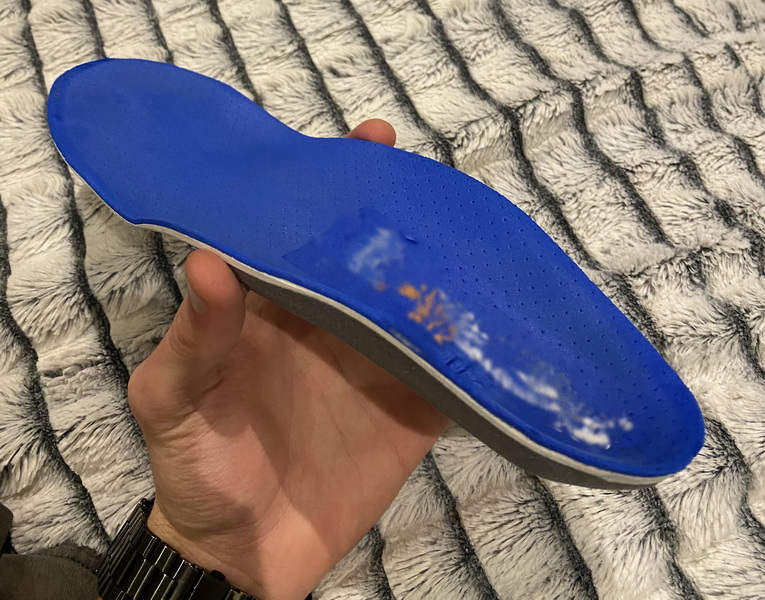
Even professionals make simple mistakes when handling shoe insoles. Avoid the following:
- Pulling too hard and tearing foam layers.
- Forgetting to clean inside surfaces before applying new adhesives.
- Ignoring the arch alignment when replacing.
- Using metal tools that may scratch the shoe lining.
- Skipping the test-fit walk to ensure comfort and stability.
A few minutes of careful preparation saves your shoes from internal damage and ensures maximum comfort from your new insoles.
Even high-quality insoles degrade over time. Sweat, body weight, and daily wear compress the padding and reduce support.
Replace your insoles if you notice:
- Flattened or deformed areas.
- Persistent smell even after cleaning.
- Foot pain or reduced cushioning.
- Cracks, peeling, or rough edges.
Generally, heavy users—like athletes or workers on their feet all day—should replace insoles every 4–6 months, while occasional wearers can do so every 10–12 months.
The modern footwear industry moves toward sustainability. Eco-friendly insoles are now a priority for many brands seeking to align with environmental goals.
Manufacturers are developing insoles made from cork, sugarcane foam, natural rubber, and biodegradable EVA. These materials reduce carbon footprint and meet consumer demand for green alternatives. Additionally, recycled insoles help repurpose waste from production lines, enabling more circular manufacturing.
OEM factories in China are particularly focusing on sustainable design—integrating recyclable packaging, low-energy lamination, and eco-certified materials—allowing global footwear brands to meet green compliance without sacrificing performance or aesthetics.
Removable insoles add flexibility for both users and manufacturers. For consumers, this means easier cleaning, odor management, and the freedom to customize fit. For brands, it means greater consumer satisfaction and reduced returns due to comfort issues.
Customizable footwear is a growing trend: shoes equipped with removable insoles cater to various needs—from medical inserts to modular sports performance upgrades. This adaptability is one of the most cost-effective innovations in modern shoe design.
Not all shoes permit removal. Fashion footwear such as loafers, high heels, or certain boots feature permanently bonded insoles. Instead of removal, there are other ways to enhance comfort:
- Add slim gel inserts on top of existing insoles.
- Use heel cups or toe cushions for localized pressure relief.
- Install a half insole if your shoe lacks internal space.
- Choose breathable socks with extra padding to mimic insole support.
These small adjustments provide comfort improvements without affecting shoe structure.
If you're a footwear brand, consider these professional insights for your insole design and production strategy:
- Prioritize fit testing with real users before mass production.
- Balance density and thickness for maximum cushioning without bulk.
- Incorporate breathable fabrics to manage sweat.
- Pair materials (like EVA + latex) for hybrid comfort systems.
- Test resilience under repeated compression cycles to ensure durability.
- Align design language: color, stitching, and branding should harmonize with shoe aesthetics.
High-end insoles are no longer just comfort accessories—they have become a selling point that differentiates brands in an increasingly competitive footwear market.
So, can you take insoles out of shoes?
Yes—and doing so correctly can make your shoes last longer, feel better, and even improve foot health. However, it's important to understand the type of insole your footwear uses and to remove it carefully to avoid unnecessary damage. Replacements should be chosen based on fit, arch type, material, and wear purpose.
For footwear brands, partnering with an experienced OEM insole manufacturer gives access to advanced material options, ergonomic design systems, and private-label customization that adds value beyond aesthetics. Whether you're a consumer needing better support or a global brand creating your next collection, insoles remain the foundation of all-day comfort and superior performance.
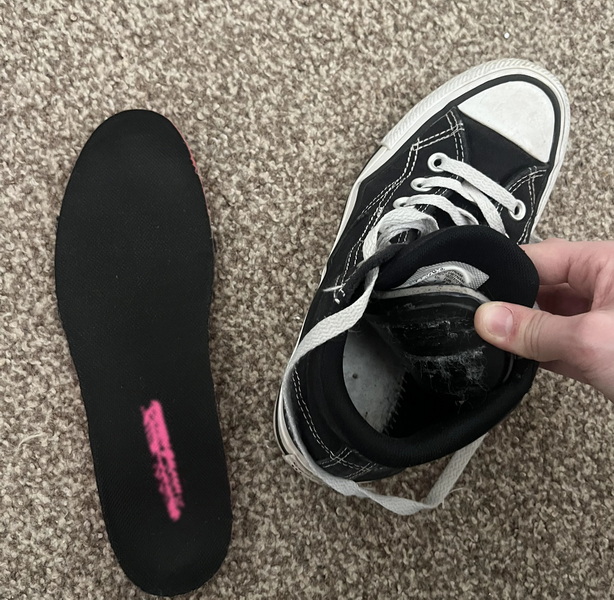
No. Most athletic or orthopedic shoes do, but many fashion or dress shoes have fixed insoles permanently attached to maintain their sleek structure.
Replace your insoles every 6 to 12 months, depending on use and wear signs like flattening, odor, or loss of cushion.
Yes, if the size and shape match closely. However, worn insoles with reduced structure should be replaced to maintain comfort.
Make sure they fit correctly or use double-sided adhesive pads. Non-slip textured undersides also help prevent movement.
Absolutely. OEM manufacturers allow brands to create tailored insoles based on shoe type, target market, and desired material performance—from sports cushioning to eco-friendly cork models.


