
Views: 222 Author: Edvo Publish Time: 2026-01-14 Origin: Site


Content Menu
● Why Cleaning Your Insoles Matters
● Can You Wash Shoe Insoles in the Washer?
● Identifying the Type of Insole
● Step-by-Step: How to Wash Insoles in the Washer
● Why Hot Water or Strong Detergent Is Dangerous
● When to Avoid Washing Insoles in the Washer
● The Right Way to Hand Wash Insoles
● How to Deodorize Insoles Between Washes
● Additional Care Tips for Specialized Insoles
>> Cork Insoles
>> Orthopedic or Custom Insoles
● Signs That It's Time to Replace Your Insoles
● Choosing Washable Insoles for Everyday Use
● How Proper Cleaning Extends Product Life
● Our Expertise as a Professional Insole Manufacturer
● Environmental Aspect of Washing Insoles
● Can You Put Insoles in the Dryer?
● Maintaining a Hygiene Routine
● FAQs
>> 1. Can I put memory foam insoles in the washer?
>> 2. How often should I wash my shoe insoles?
>> 3. Can I dry insoles using a clothes dryer?
>> 4. What should I do if my insoles smell bad even after washing?
>> 5. Are all insoles machine washable?
Keeping your shoes clean is essential, but few people pay enough attention to their insoles. These removable pads are the part of your footwear that directly contacts your feet, absorbing sweat, moisture, and pressure. Over time, they collect dirt, bacteria, and odor—making regular cleaning a must.
One question often asked by consumers is: Can you wash shoe insoles in the washer? It may sound like a simple yes-or-no question, but the answer depends on the material, construction, and manufacturer's recommendations. Some insoles are designed to survive gentle machine washing, while others require careful hand cleaning to maintain their structure and performance.
In this detailed guide, we will explore everything you need to know about washing, drying, and maintaining your shoe insoles—plus expert care tips from professional insole manufacturers.
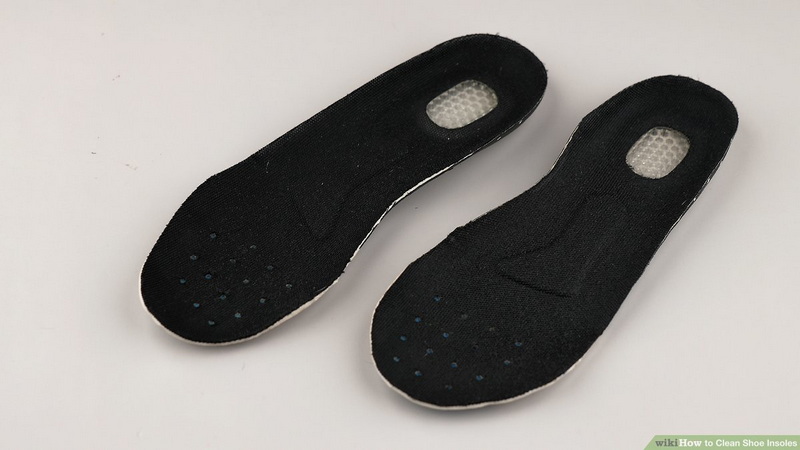
Your insoles are constantly exposed to sweat and friction, which creates a perfect environment for bacteria and fungi to flourish. Dirty insoles can cause bad odor, athlete's foot, and even skin irritation. Beyond hygiene, cleaning your insoles also helps:
- Extend their lifespan. Clean insoles maintain their cushioning and shape better.
- Enhance shoe comfort. Removing dirt improves airflow and support.
- Reduce odor and moisture. Regular cleaning eliminates the root of unpleasant smells.
- Preserve shoe interior. Washing prevents dirt from transferring to the shoe lining.
For anyone who wears shoes daily—athletes, workers, or casual users—clean insoles make a big difference in comfort and hygiene.
The quick answer is: sometimes, yes—but with great care.
Machine washing is convenient and effective for certain synthetic and foam insoles made for durability and moisture resistance. However, washing delicate or natural materials like leather, cork, or memory foam in the washer can lead to deformation, shrinkage, or separation of layers.
So before you toss your insoles into the washing machine, you should inspect their material type, manufacturing quality, and design structure to decide whether they're machine-washable.
Understanding your insole's material composition is the first step toward proper cleaning. Here are common types and how to treat them:
| Insole Material | Washer Safe | Cleaning Method |
|---|---|---|
| EVA Foam / Gel | Yes, gentle cycle | Wash with mild detergent and cold water |
| Memory Foam | No | Clean gently by hand |
| Leather | No | Use a damp cloth or leather cleaner |
| Cork | No | Wipe with damp cloth and dry naturally |
| Synthetic Fabric | Often yes | Use delicate wash setting and mild soap |
| Orthopedic / Custom Insoles | No | Wipe with damp cloth and soap; air dry |
Many insoles, especially custom orthopedic or performance ones, include multiple layers—foam, gel inserts, adhesives, and textile covers. These layered structures are prone to delamination during machine agitation, so hand cleaning is recommended for them.
If you've confirmed your insoles are washing-machine safe, follow these steps to clean them properly:
1. Remove them from the shoes. Never wash them while still inside, as that prevents even cleaning and may damage your shoes.
2. Pre-clean the surface. Brush off visible dirt or dust using a soft brush or an old toothbrush.
3. Protect with a laundry bag. Place the insoles inside a mesh laundry bag or pillowcase to minimize mechanical abrasion.
4. Use a gentle or delicate cycle. Always select cold or lukewarm water. Hot water may warp foam or weaken glue.
5. Add mild detergent. Avoid bleach or strong cleaning chemicals; they damage both materials and adhesives.
6. Skip the spin cycle. Excessive spinning can bend or fold flexible insoles.
7. Air dry completely. Remove from the washer and let them dry in a ventilated, shaded place—never use a dryer.
By following these steps, you can safely freshen up many modern athletic or synthetic insoles without reducing their durability or comfort.
Heat may feel helpful for deep cleaning, but it can actually ruin your insoles. Materials like EVA and memory foam soften or lose shape when exposed to high temperatures. Similarly, strong detergents break down glue, discolor fabrics, and destroy delicate surface coatings.
A mild cleaning solution and gentle cycle are all that's needed to remove sweat, bacteria, and odor from washable insoles. Always think of your insoles like soft fabric accessories—not rigid footwear parts.
While some insoles can handle a machine cycle, others absolutely should not. Avoid machine washing if:
- The insoles include glued gel pads or layered cushioning that may peel apart.
- They are made of memory foam, which loses shape when agitated in water.
- They use leather or cork, as those absorb moisture and may crack afterward.
- They contain orthopedic or electronic components like heating or vibration elements.
- They are custom-made by podiatrists, since improper cleaning may void warranties or affect functionality.
In these cases, a hand-cleaning or surface-wiping method ensures long-lasting performance.
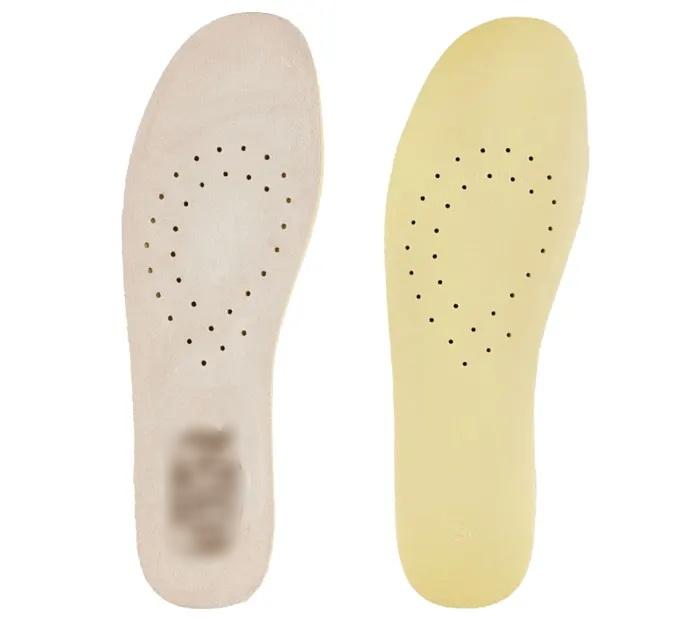
For insoles made of sensitive materials, hand washing remains the safest option. Follow this simple method:
1. Fill a basin with lukewarm water and a few drops of mild detergent.
2. Dip a soft cloth or brush in the mixture.
3. Scrub all surfaces gently, especially the heel and toe zones where sweat accumulates.
4. Rinse with plain water to remove soap.
5. Use a towel to blot excess moisture without twisting or wringing.
6. Air dry completely before reinserting them into your shoes.
This approach eliminates bacteria and odor while keeping the material's structure intact. Hand washing also allows you to control how much moisture enters the product.
Drying may seem simple, but it's another stage where many people accidentally ruin their insoles. Never use dryers, microwaves, or hot radiators—they cause deformation and detachment of adhesive layers. Instead:
- Dry naturally at room temperature.
- Keep away from direct sunlight. UV rays crack and fade the surface.
- Increase airflow using a fan for faster drying.
- Place paper towels beneath to absorb internal moisture.
- Ensure full dryness before reuse to prevent bacterial regrowth or odor.
Patience during drying plays a major role in preserving the comfort and fit of your insoles.
Frequent washing wears down materials. To keep your insoles fresh longer between washes, try these quick care tips:
- Sprinkle baking soda inside your shoes overnight to absorb odor and moisture.
- Use foot powders containing antibacterial agents.
- Apply fabric-safe deodorizing sprays regularly after long wear days.
- Let shoes air out after each use—never store them while damp.
- Change socks daily, especially when exercising or working outdoors.
These easy habits prevent odors and extend intervals between deep cleanings.
Clean with a soft damp cloth and a small amount of leather cleaner. Condition occasionally to prevent dryness and cracking. Never submerge or soak in water.
Use a barely-damp sponge to wipe dirt, then leave to air dry. Excessive water can cause cork to crumble or lose integrity.
Avoid all forms of full submersion. Instead, wipe gently with a disinfectant cloth or antibacterial spray, then allow to air dry.
These can often handle mild warm water cleaning. However, ensure they dry completely before reuse to prevent slipperiness.
By attending to the unique characteristics of each material, you can preserve comfort and hygiene across every style of insole.
Even with regular care, all insoles eventually wear out. Common signs they need to be replaced include:
- Persistent odor that lingers after cleaning.
- Flattened cushioning or loss of support.
- Torn fabric or exposed foam.
- Hard spots or uneven surfaces causing discomfort.
- Worn printing or branding—an indicator of prolonged use.
Most insoles last between six and twelve months, depending on daily activity levels. For heavy use, replacing them every few months maintains foot health and shoe comfort.
If you prefer convenience, consider purchasing machine-washable insoles designed for frequent cleaning. Look for models labeled as:
- Made from EVA, PU foam, or durable synthetic textile.
- Fully washable and odor-resistant.
- Lined with anti-bacterial fabrics that withstand repeated cleaning.
Some advanced sports insoles even include antimicrobial coatings and moisture-control layers, ensuring a fresh feeling throughout the day.
Regular insole maintenance helps prevent microbial buildup and material degradation. Just like washing clothes extends their usability, keeping insoles clean reduces odor and keeps them flexible. Well-maintained insoles support better posture, reduce fatigue, and prevent the development of blisters or infections.
From a manufacturer's perspective, customer satisfaction and product lifespan directly reflect how users maintain their insoles—making proper care a key message in after-sales communication.
As a leading Chinese shoe insole manufacturer, we specialize in developing and producing a wide range of OEM and ODM insoles for global brands and wholesalers. Over the years, our factory has invested heavily in EVA foam molding, gel injection, memory foam shaping, and multi-layer lamination technologies.
We understand that comfort, performance, and durability start with material science. That's why we use high-quality raw materials and strictly controlled production processes to ensure each insole delivers the right balance of shock absorption, breathability, and long-term hygiene.
Whether you are an international footwear brand, wholesaler, or private-label retailer, we provide custom solutions tailored to your market. Our engineering team also advises on material combinations to make products both user-friendly and easy to clean—perfect for today's hygiene-conscious consumers.
Sustainable care extends beyond product maintenance—cleaning methods affect the environment as well. When you wash insoles, use cold water cycles and eco-friendly detergents. This reduces energy consumption and prevents harmful chemicals from entering waste systems.
By maintaining insoles properly, you also decrease waste by avoiding premature disposal. Each replacement you postpone through correct care contributes to environmental responsibility in footwear consumption.
Some people try to speed up drying by using a clothes dryer. This is not recommended. Even a low-heat drying setting can cause severe deformation in foam, gel, or adhesive-based insoles. Instead, if quick drying is necessary, use a circulating fan, or place insoles near (not on) a heater at safe distance.
For athletic professionals who need dry insoles daily, it's best to own multiple pairs and rotate them to allow for full drying time between uses.
Developing a consistent routine will keep your footwear feeling fresh year-round. Follow this weekly maintenance pattern:
- Once a week, remove insoles and let them air for at least several hours.
- Every two weeks, hand wash or machine wash if appropriate.
- Use odor control powder or spray after each cleaning session.
- Replace insoles at least twice per year for best comfort and hygiene.
Small habits accumulate big results. Not only do they protect the condition of your insoles, but they also create a cleaner, healthier environment for your feet.
So, can you wash shoe insoles in the washer? Yes, but only if the material allows it. Synthetic and EVA insoles usually handle gentle machine cycles well, while premium materials like leather, cork, and memory foam need hand washing.
Understanding your insole's structure and maintaining it properly ensures long-lasting freshness, better comfort, and extended shoe life. Whether you clean them by hand or machine, consistent care is the key to foot hygiene.
At our manufacturing facility, we believe that durable, easy-to-clean insoles represent the future of footwear comfort. We encourage all users—brands and customers alike—to value maintenance as highly as design and performance.
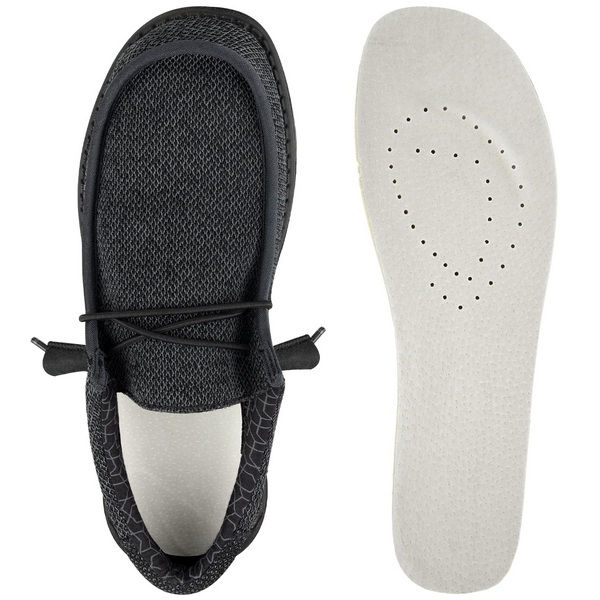
No. Machine washing will damage memory foam's structure. Always hand wash using mild soap and lukewarm water.
For active wearers, wash insoles every two to three weeks. Occasional users can clean them once a month or as needed.
Avoid it. High heat can warp foam or separate layers. Always air dry naturally in a ventilated spot.
Persistent odor means bacteria may still be present or the material has aged. Try vinegar mist or baking soda overnight; replace if smell lingers.
No. Only some synthetic or EVA-based insoles are washer-friendly. Check care tags or manufacturer recommendations before washing.


