
Language
Views: 222 Author: Edvo Publish Time: 2026-01-14 Origin: Site


Content Menu
● Understanding the Function and Logic Behind Insoles
● Situations Where Wearing One Insole Makes Sense
>> Leg Length Discrepancy (LLD)
>> Functional vs. Structural Differences
>> Injury Recovery and Orthopedic Rehabilitation
>> Asymmetric Arches or Foot Mechanics
● Potential Risks of Incorrect Single-Insole Use
● Choosing the Right Insole for One-Shoe Use
>> Material Types and Their Characteristics
● How to Fit and Test a Single Insole Properly
>> Step 2: Select Appropriate Material and Shape
>> Step 5: Progressive Adaptation
● The Science of Balance and Body Mechanics
● OEM Insight: Manufacturing Quality and Precision
>> What Sets Professional OEM Insole Production Apart
● Maintenance and Replacement Guidelines
● Common Mistakes to Avoid When Wearing One Insole
● Benefits of Choosing Custom or OEM Insoles
>> Key Benefits
● FAQs
>> 1. Can wearing an insole in just one shoe cause joint pain?
>> 2. Should I wear my single insole every day?
>> 3. Can I use one sports insole for competitive training?
>> 4. How can I tell whether I need one insole or two?
>> 5. How often should I replace my one-shoe insole?
It's not unusual for people to experience uneven pressure or discomfort in one foot while walking, running, or standing for long hours. Foot asymmetry, minor leg discrepancies, or even certain sports habits can make one shoe feel different from the other. These situations raise a common question: Can you wear an insole in one shoe only?
The short answer is yes, you can. Many podiatrists and footwear experts confirm that wearing a single shoe insole is sometimes the best solution for restoring comfort, balance, or posture. However, it's essential to understand why you're doing it, which type of insole to use, and how to avoid mechanical imbalance or injury.
This comprehensive guide explores everything you need to know about wearing an insole in one shoe—from biomechanical reasons and health benefits to professional advice, product types, and maintenance tips. Whether you're an individual seeking comfort or a brand sourcing OEM insoles, this article provides practical and technical insights grounded in real-world experience.
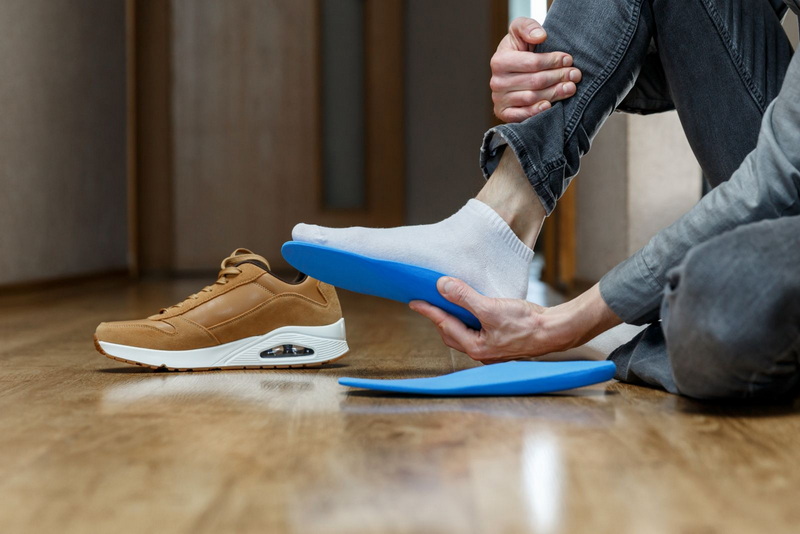
Insoles act as the interface between the foot and the shoe's sole. They modify how pressure is distributed and how your body interacts with the ground during motion. Essentially, an insole redesigns your footprint.
- Shock absorption: Reduce impact and protect joints from repetitive stress.
- Arch and heel support: Maintain structural balance and prevent overpronation.
- Alignment correction: Aid in adjusting body posture from foot up to spine.
- Cushioning comfort: Enhance step softness and reduce fatigue during prolonged use.
- Fit adjustment: Compensate for loose or oversized shoes to achieve a snug fit.
When used in one shoe, an insole can serve a corrective purpose for specific asymmetries between the feet or legs. Unlike comfort-focused double insoles, single insole use often targets a functional imbalance rather than simple comfort.
One of the most frequent reasons people wear an insole in one shoe is to correct leg length discrepancy. A small difference—sometimes just a few millimeters—can lead to uneven gait, pelvic tilt, and chronic spine discomfort. The body compensates for this difference subconsciously, but over time, it can cause pain in the back, knees, or hips.
Adding a heel lift or custom insole to the shorter leg's shoe can correct this difference effectively. This adjustment redistributes body weight, reduces strain, and restores symmetry in movement.
Structural LLD refers to physical differences in bone length, while functional LLD originates from muscular imbalances, poor posture, or injuries. In both scenarios, a single-shoe insole may restore equilibrium, though the type and thickness of correction differ. Structural corrections often require more rigid and permanent orthoses, while functional ones may use softer or adjustable insoles.
During recovery from fractures, tendon injuries, or post-surgical conditions, doctors sometimes recommend insulating one foot from excessive impact. In this scenario, using one supportive insole can help stabilize or protect the recovering limb while allowing the other foot to move naturally.
For example, after Achilles tendon repair, a patient may need an elevated heel on one side to limit strain. Similarly, athletes recovering from knee or ankle injuries often use asymmetric insoles during transitional rehabilitation phases.
Every human body is slightly asymmetrical. One foot may have a flatter arch or a higher instep, affecting overall gait and stability. Custom or differential insoles can target such differences, correcting pressure distribution and maintaining dynamic balance.
In industrial or athletic contexts, these corrections are common. Workers who spend long hours standing may need supportive cushioning for one foot, while runners may require targeted impact zones for the dominant foot that endures more load during propulsion.
Although beneficial in many cases, using one insole incorrectly can cause new problems. Overcompensation or poor fitting can distort your gait and trigger discomfort elsewhere in the body.
- Gait imbalance: Unequal elevation or poor alignment may alter walking posture.
- Joint stress: Knees, hips, or lower back may suffer due to improper adjustment.
- Muscle compensation: One side may tighten or stretch abnormally.
- Footwear distortion: A thick or uneven insert can warp the shoe's structure.
- Fatigue buildup: Muscles continually working to maintain stability can tire faster.
The takeaway: balance matters. Wearing one insole is a precise adjustment, not a casual experiment. A professional foot assessment can determine the correct height and support needed.
Not all insoles are equal. When selecting one for only one shoe, you must consider not just comfort but biomechanical logic, durability, and compatibility with footwear.
- EVA Foam: Lightweight, flexible, and affordable. Suitable for mild support or gradual correction.
- Gel Inserts: Superior shock absorption for impact protection, ideal for recovery or high-impact sports.
- Cork or Leather Insoles: Offer firmness, stability, and long-lasting arch structure for formal wear or orthopedic use.
- Silicone Elevation Pads: Commonly used for heel lifts or minor leg length corrections due to consistent density.
- Carbon or Composite Orthotics: Used in advanced medical applications for precise correction and rigidity.
1. Full-Length Insoles: Support the entire foot, evenly distributing weight and comfort.
2. Three-Quarter Insoles: Focus on midfoot and heel areas to manage arch support.
3. Heel Lifts and Cups: Elevate the heel only, used primarily for height adjustments or tendon relief.
4. Metatarsal Pads: Relieve forefoot pressure for those with localized pain or nerve compression.
The correct structure depends on your purpose—correction, cushioning, elevation, or protection.
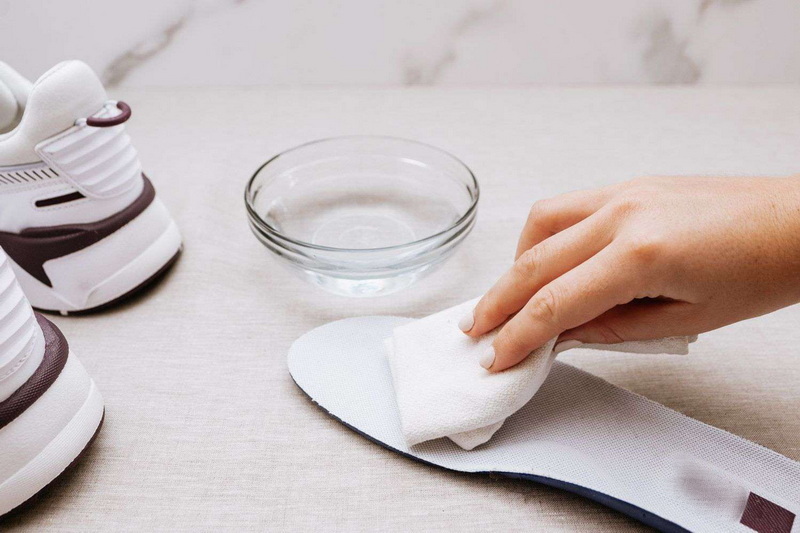
Begin with a clear diagnosis. Identify whether discomfort originates from leg length difference, pressure imbalance, or postural misalignment. Professional foot scanners or simple flat-foot tests can provide baseline data.
Match your body's condition with the right insole. For example, if your shorter leg needs 5 mm extra height, choose a firm heel lift rather than soft foam to maintain accurate measurement under load.
Insert the insole into one shoe, ensuring it sits flat and does not distort the shoe walls. For tight shoes, consider removing the original liner first before adding the corrective insert.
Walk naturally on various surfaces—hard floor, carpet, asphalt—and note how your body responds. Pay attention to sensations in your hips, knees, or back. The goal is symmetry without perceived tilt or strain.
Your body may require several days to adjust. Gradual adaptation helps muscles accommodate new balance conditions. Avoid drastic thickness differences from the start.
Human gait is a complex motion involving more than 200 bones, 30 joints, and dozens of muscles. Even a slight change in heel height or arch pressure alters the chain reaction through your entire posture.
When an insole lifts one side, your pelvis shifts to maintain equilibrium. If this correction aligns well, your body feels more stable and relaxed. If not, compensations occur—hips tilt, knees rotate, or the spine curves slightly, which may cause fatigue or soreness.
Hence, insoles should integrate correction without distortion. That's why manufacturers and podiatrists often recommend testing multiple thickness levels before finalizing the correct height.
For global footwear brands and OEM buyers, understanding this balance science helps in developing product lines that merge comfort technology with orthopedic precision.
As one of China's leading insole manufacturers, our focus lies in producing customized OEM insoles tailored for brands, wholesalers, and private label clients worldwide. Manufacturing high-performance insoles for single- or dual-shoe applications requires strict material consistency, precise molding, and accurate height calibration.
- Consistency: Every insole pair maintains identical density and resilience, minimizing imbalance.
- Customization: Brand partners can specify hardness, contour, or multi-layer structures for targeted markets.
- Medical Integration: Collaboration with orthopedic specialists ensures medically safe geometry and ergonomic shaping.
- Material Innovation: Latest foams and elastomers guarantee lightweight yet durable construction.
- Eco-Friendly Processing: Use of recyclable EVA and biodegradable packaging aligns with global sustainability goals.
For international brands seeking reliability and innovation, working with an established OEM partner in China can significantly expand product versatility while maintaining quality assurance at scale.
To keep your insole effective, proper care and timely replacement are important—especially if you wear one insole in just one shoe.
- Keep them dry: Remove and air out insoles after each use to prevent moisture accumulation.
- Clean regularly: Hand wash using mild soap and air-dry thoroughly. Avoid heat drying.
- Inspect wear pattern: Replace when flattened, compressed, or unevenly worn.
- Track duration: Replace foam or gel insoles every 6 to 12 months depending on usage intensity.
- Store properly: Keep in a cool, ventilated environment to prevent material hardening or cracking.
Regular maintenance ensures uniform foot support and prevents side dominance or imbalance from recurring.
Even with the right product, certain missteps can compromise comfort and function. Avoid these typical errors:
- Ignoring professional advice: Always measure discrepancies instead of guessing the height.
- Using too thick a correction: Over-lifting one side can distort gait instead of fixing it.
- Mixing rigid and soft insoles: Different compression rates can confuse your balance center.
- Replacing only one shoe's sole regularly: mismatched wear can develop unnoticed imbalance.
- Neglecting shoe compatibility: Not every shoe type supports aftermarket insoles equally well.
Small adjustments matter. Focus on long-term comfort rather than immediate results.
For footwear brands, distributors, and rehabilitation centers, investing in custom-made or OEM insoles ensures long-term user satisfaction. Personalized footbeds are no longer luxury accessories; they are vital components of athletic, comfort, and orthopedic footwear.
- Higher accuracy: Perfectly matches target elevation or support zones.
- Brand differentiation: Enables new product lines with tailored function.
- Material versatility: Combine multiple layers for stability, moisture control, and comfort.
- Sustainability: Many Chinese OEM factories now use eco-friendly foams to meet global market standards.
- Consumer loyalty: Comfort consistency encourages repeat sales and brand trust.
By integrating scientifically designed insoles into product offerings, footwear exporters can serve both consumer comfort and professional healthcare markets simultaneously.
So, can you wear an insole in one shoe?
Yes — and when chosen and fitted correctly, it can be highly beneficial.
Wearing an insole in one shoe helps correct leg length discrepancies, relieve pressure asymmetry, support injury recovery, and stabilize body mechanics. However, the adjustment should always be precise and guided by professional evaluation. Using poor-quality insoles or guessing the height difference can cause pain or long-term imbalance.
Ultimately, proper customization, testing, and maintenance are the keys to success. Insoles are not just shoe accessories—they're structural tools for improving comfort, posture, and performance. For footwear brands or wholesalers, collaborating with a reputable insole OEM manufacturer ensures superior quality, ergonomic precision, and consistent results for customers worldwide.
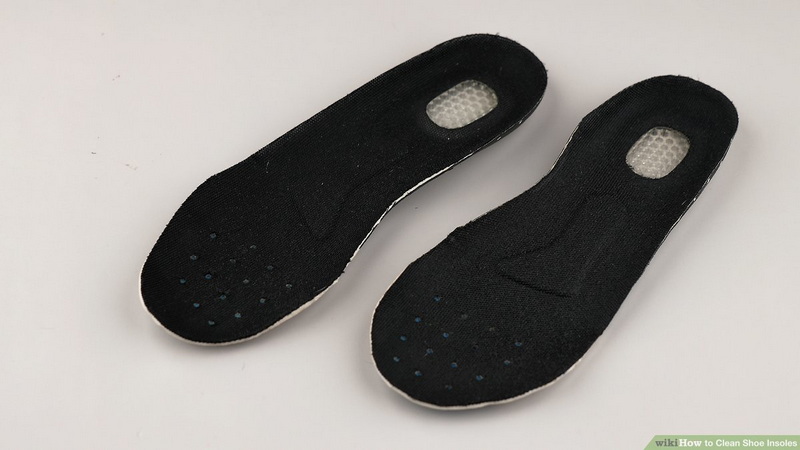
If the insole is incorrectly sized or the height difference is exaggerated, it may affect hip or spine alignment. To prevent joint pain, always use professionally measured insoles.
Yes, if it's prescribed for leg length correction or support, consistency is important for stability. However, take short breaks during adjustment periods to allow your body to adapt.
Absolutely. Many athletes use asymmetrical cushioning to relieve dominant foot strain or enhance performance. Just ensure both shoes maintain overall balance.
Check for uneven shoe wear, discomfort on one side, or repeated pain patterns. A gait analysis or consultation with an orthopedic specialist can clarify which solution suits you best.
Typically every 6 to 12 months, depending on material quality and frequency of use. High-impact athletes or industrial workers may need replacements sooner.


