
Views: 222 Author: Edvo Publish Time: 2026-01-18 Origin: Site


Content Menu
● What Are Insoles and Why Do They Matter?
● Do All Shoes Have Removable Insoles?
● Types of Shoes With Removable Insoles
>> Hiking and Outdoor Footwear
>> Medical and Orthopedic Shoes
● Why Shoe Manufacturers Use Non-Removable Insoles
● Benefits of Removable Insoles
● How to Identify If Your Shoe Has Removable Insoles
● Common Insole Materials and Their Properties
>> EVA Foam
>> Memory Foam
>> Gel Insoles
>> Cork
>> Leather
● Implications for OEM Shoe Manufacturers
● How to Choose the Right Insole Replacement
● The Future of Removable Insoles in Footwear
● FAQ
>> 1. Why do some shoes have removable insoles?
>> 2. Are removable insoles better than fixed ones?
>> 3. Can I wash removable insoles?
>> 4. How often should insoles be replaced?
>> 5. Do all running shoes have removable insoles?
When shopping for new shoes, comfort is always a top priority. One feature that significantly affects comfort and fit is the insole, sometimes called the footbed. However, not all shoes come with removable insoles, and understanding which types do, why they matter, and how they influence foot health can help both consumers and brands make better decisions.
This detailed article explores the function of shoe insoles, their various types, and how removable insoles benefit users — especially in OEM and custom shoe production.
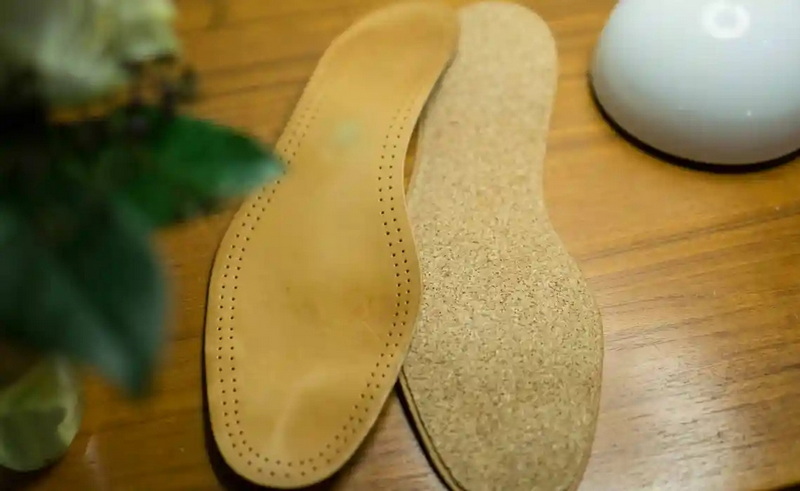
Insoles are the inner part of the shoe that comes into direct contact with the bottom of the foot. They provide cushioning, shock absorption, and support, and play a crucial role in overall comfort during walking, running, or standing for long hours.
The importance of insoles extends beyond basic comfort. They help distribute body weight evenly across the foot, reducing pressure points that can lead to pain or injury. Quality insoles also contribute to proper posture and spinal alignment by ensuring the feet maintain their natural position during movement.
Shoes generally use one of two insole designs:
- Fixed insoles, which are permanently attached to the shoe's interior and cannot be removed.
- Removable insoles, which can be taken out for cleaning, replacement, or customization.
The choice between these two depends on a brand's purpose, target audience, and product type. Understanding these differences helps consumers select footwear that meets their specific needs while allowing manufacturers to target appropriate market segments effectively.
The short answer is no — not all shoes come with removable insoles. Many casual or fashion-oriented shoes have fixed insoles because they are simpler and cheaper to manufacture. In contrast, athletic footwear, work boots, orthopedic shoes, and hiking shoes commonly include removable insoles to enhance customization and foot health.
Removable insoles make sense in designs where support and adjustment are important. For example, runners often replace the original factory insoles with custom orthotic inserts tailored to their foot shape, improving alignment and reducing pain. For these users, non-removable insoles can limit comfort and adaptability.
The decision to include removable insoles also depends on the shoe's intended use and price point. Budget-friendly shoes typically feature glued-in insoles to keep manufacturing costs low, while premium footwear often includes removable options as a selling point for quality-conscious consumers.
Not every shoe is designed the same way. Below are categories of shoes that commonly feature removable insoles:
Sports brands recognize that athletes have diverse foot shapes and needs. Removable insoles let athletes replace the factory insole with orthotic options for arch support, moisture control, or impact absorption. Professional runners and casual joggers alike benefit from this flexibility, as they can customize their footwear to match training intensity and personal preferences.
Outdoor enthusiasts often require insoles that dry quickly or handle rough terrain. Removable options allow for cleaning and moisture management after long trips. Hikers can also swap insoles based on terrain difficulty, using softer cushioning for long-distance trails and firmer support for technical climbs.
Workers spend hours on their feet. These shoes often include removable insoles, allowing users to insert anti-fatigue or orthopedic footbeds for extra shock resistance and posture correction. Industries such as construction, warehousing, and healthcare particularly benefit from this feature, as employees can customize their footwear to reduce fatigue and prevent long-term foot problems.
Medical footwear is specifically designed for individuals with foot conditions like plantar fasciitis, diabetes, or flat feet. Removable insoles ensure enough space for custom orthotics prescribed by healthcare professionals. These shoes often feature extra depth to accommodate thicker therapeutic inserts without compromising fit or comfort.
Premium brands often offer removable insoles because customers value adjustability and hygiene. The removable design also indicates higher product quality and thoughtful engineering. Luxury shoe buyers expect this feature as standard, viewing it as a mark of craftsmanship and attention to detail.
While removable insoles offer flexibility, not all manufacturers choose them. There are practical and commercial reasons behind this design decision:
- Cost efficiency: Fixed insoles reduce production costs, making shoes more affordable for price-sensitive markets.
- Slim profiles: Non-removable insoles often make lightweight or low-profile shoes look sleeker and more fashionable.
- Design simplicity: In fashion footwear or dress shoes, removable parts can interfere with intended design aesthetics.
- Durability: Fixed insoles are stitched or glued securely, reducing movement inside the shoe that might cause wear over time.
- Structural integrity: Some shoe designs rely on the insole as part of the overall construction, making removal impractical.
For many consumers, these trade-offs are acceptable, especially when style matters more than replaceability. Fast fashion brands and seasonal footwear collections often prioritize appearance over long-term functionality.
For both brands and customers, the inclusion of removable insoles adds tangible value:
- Custom comfort: Users can replace standard insoles with options that match their arch type or medical needs.
- Hygiene maintenance: Removable insoles are easy to wash or air out, preventing odor buildup and bacterial growth.
- Extending shoe lifespan: Replacing worn-out insoles allows users to keep shoes longer without sacrificing comfort.
- Product versatility: OEM manufacturers can target multiple market segments by designing interchangeable insole systems.
- Aftermarket opportunities: Shoemakers and retailers can sell replacement insoles as additional products, creating new revenue streams.
- Accommodation for orthotics: People with foot conditions can use prescribed inserts without purchasing specialized shoes.
These points make removable insoles not only functional but also economically advantageous for both end users and suppliers. The growing awareness of foot health among consumers continues to drive demand for this feature across all footwear categories.
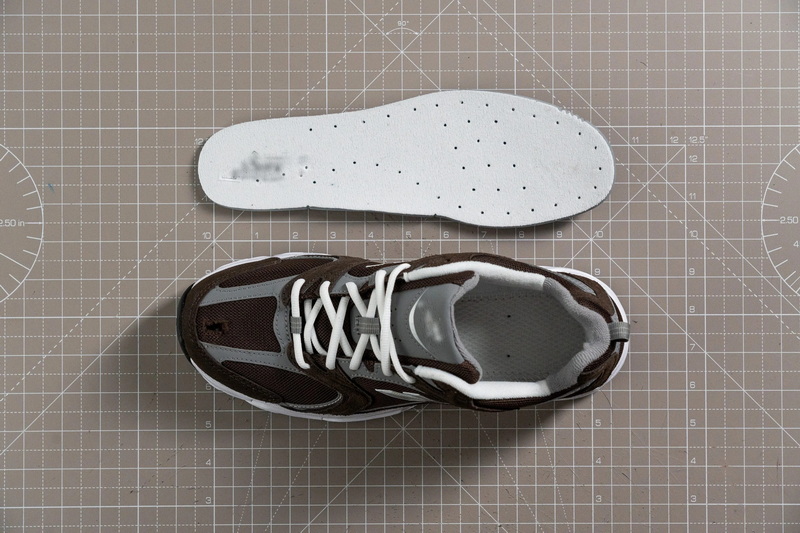
Checking if a shoe has removable insoles is simple. Gently grab the edge of the inner sole near the heel and lift it. If the insole moves or can be pulled out cleanly, it's removable.
If it feels completely glued or stitched, it's fixed. However, avoid forcing it out, as doing so might damage the shoe or affect its shape. Some insoles may be lightly tacked in place but still designed for removal — these typically come out with gentle pressure.
When buying online, look for product descriptions containing terms like removable footbed, orthotic friendly, or extra depth, indicating the insole can be replaced. Customer reviews often mention insole removability as well, providing real-world feedback on this feature.
Understanding insole materials helps consumers and manufacturers make informed decisions:
Ethylene-vinyl acetate is lightweight, flexible, and provides excellent cushioning. It is commonly used in athletic shoes and everyday footwear due to its affordability and shock-absorbing properties. EVA insoles are ideal for general use but may compress over time with heavy wear.
Memory foam molds to the foot's shape, offering personalized comfort and pressure relief. It is popular in casual and comfort-focused footwear. However, memory foam retains heat and may not be suitable for high-intensity activities or hot climates.
PU foam is denser and more durable than EVA, making it suitable for work boots and shoes requiring long-term support. It provides firm cushioning and maintains its shape better over extended use, though it tends to be heavier.
Gel materials offer superior shock absorption and are often used in areas of high impact, such as the heel. They are popular among people who stand for long periods or engage in high-impact sports. Gel insoles can be heavier than foam alternatives but provide excellent energy return.
Natural cork insoles are breathable, moisture-wicking, and mold to the foot over time. They are common in sandals and orthopedic footwear. Cork provides firm support and is environmentally friendly, appealing to eco-conscious consumers.
Leather insoles offer a premium feel, natural breathability, and durability. They are typically found in dress shoes and high-end footwear. While leather does not provide as much cushioning as foam materials, it excels in moisture management and longevity.
As a leading insole and footwear manufacturer in China, we recognize how vital removable insoles are for international OEM clients. Buyers from the U.S., Europe, and Australia increasingly demand shoes compatible with custom inserts.
To meet diverse global standards, professional manufacturers can:
- Offer modular insole designs suitable for various footwear categories.
- Use breathable, antibacterial materials like EVA, PU foam, or memory foam for comfort.
- Add anti-slip textures and reinforced edges to prevent movement inside the shoe.
- Provide custom thickness options for orthotic use.
- Implement quality testing protocols to ensure consistency across large production runs.
- Develop sustainable material options to meet growing environmental demands.
Collaborating with an OEM supplier who understands both structural engineering and market expectations ensures a balance between comfort, style, and production cost. Experienced manufacturers can also provide valuable insights into regional preferences and regulatory requirements.
When replacing a removable insole, consumers should consider the following factors:
1. Purpose: Choose insoles designed for your activity — running, work, hiking, or daily wear.
2. Arch support level: Match the insole to your foot arch (low, medium, or high).
3. Material: EVA foam, memory foam, and gel provide different levels of cushioning and breathability.
4. Fit and size: The insole should fit perfectly inside the shoe without curling or sliding.
5. Medical conditions: People with specific issues such as flat feet or pronation should consult podiatrists for orthotic recommendations.
6. Thickness: Ensure the replacement insole does not make the shoe too tight or alter the fit significantly.
7. Durability: Consider how frequently the shoes will be worn and select materials that withstand your usage patterns.
A proper replacement can dramatically improve comfort and performance while extending the overall lifespan of your footwear investment.
Trends in footwear manufacturing show a growing demand for personalized comfort. With the rise of 3D scanning and biomechanical testing, brands are exploring insoles that adapt to each user's foot profile. Custom-molded insoles created through digital foot mapping are becoming more accessible to everyday consumers.
Smart insoles with embedded sensors may also become standard features, recording gait data and step count. These technologies appeal to fitness enthusiasts and healthcare providers who monitor patient mobility. In this evolving market, removable insoles give brands room for innovation and future integration without redesigning the entire shoe.
Sustainability is another driving force in insole development. Manufacturers are exploring biodegradable materials, recycled foams, and plant-based alternatives to traditional petroleum-derived products. Consumers increasingly favor brands that demonstrate environmental responsibility, making eco-friendly insoles a competitive advantage.
Not all shoes have removable insoles — but those that do often promise improved comfort, hygiene, and customization. While some shoe styles rely on fixed insoles for cost or aesthetic reasons, removable versions dominate in athletic, medical, and high-quality products.
For manufacturers and consumers alike, understanding the difference helps ensure better product selection and satisfaction. The choice of insole material, design, and removability significantly impacts the overall user experience and product value.
As footwear technology progresses, expect removable insoles to become an essential feature in the global shoe market, balancing practicality with personalized comfort. Brands that embrace this trend and offer flexible, high-quality insole options will gain a competitive edge in an increasingly health-conscious marketplace.
Contact us to get more information!
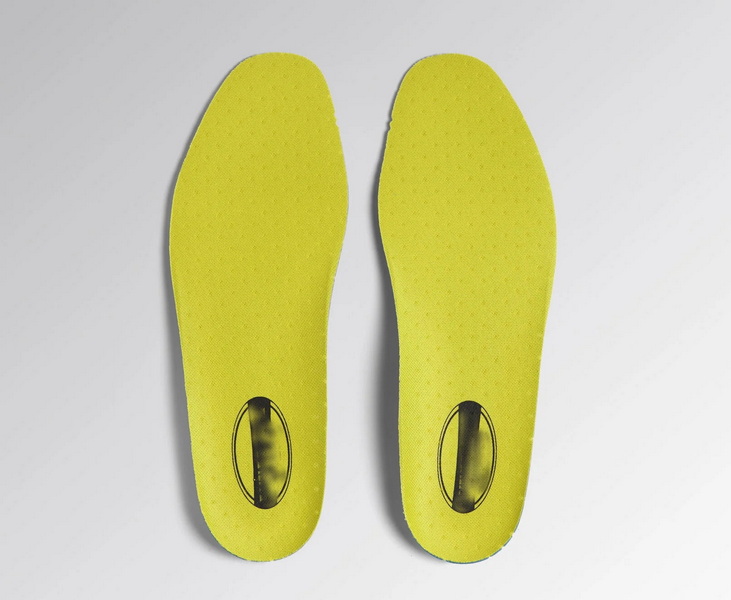
They allow users to replace them with orthopedic or more comfortable inserts, improving support and hygiene. Removable insoles also make it easier to clean the shoe interior and accommodate custom orthotics prescribed by medical professionals.
Not necessarily — removable insoles offer flexibility and customization, but fixed ones can provide a more streamlined, durable fit for certain designs. The best choice depends on intended use and personal preferences.
Yes. Most removable insoles can be hand-washed with mild detergent and air-dried to prevent odor and bacteria. Avoid using hot water or machine drying, as heat can damage foam materials and cause warping.
For regularly used shoes, replace insoles every 6–12 months or when cushioning visibly flattens. Athletes and people who walk extensively may need more frequent replacements to maintain proper support.
Most running and athletic shoes feature removable insoles, but some lightweight or minimalist models might have fixed ones to reduce weight. Always check product specifications before purchasing if insole removability is important to you.


