
Language
Views: 222 Author: Edvo Publish Time: 2025-11-27 Origin: Site


Content Menu
● What Are Dr Scholls Custom Fit Orthotic Inserts?
● How Do Dr Scholls Custom Fit Orthotic Inserts Work?
● Benefits of Dr Scholls Custom Fit Orthotic Inserts
>> Support for a Range of Needs
● Who Will Benefit Most From Dr Scholls Custom Fit Orthotic Inserts?
● When Not to Use: Cautions and Considerations
● Comparison: Dr Scholls Custom Fit vs. Other Options
● Tips for Maximizing Benefits
● Special Considerations for Workplace and Sports
● Expanding Your Options with Special Features
● Frequently Asked Questions (FAQs)
>> 1. How long do Dr Scholls Custom Fit Orthotic Inserts last?
>> 2. Can you move Dr Scholls Custom Fit Orthotic Inserts between different pairs of shoes?
>> 3. Is there a break-in period for Dr Scholls Custom Fit Orthotic Inserts?
>> 5. What action should I take if discomfort persists or worsens after using these inserts?
Orthotic inserts are a widely used intervention for discomfort in the feet, legs, and lower back. Among the most visible offerings are Dr. Scholls Custom Fit Orthotic Inserts, promising fast, accessible relief through personalized fit and modern technology. But do these highly marketed products truly work? This article will explore in-depth: their functional principles, user and expert feedback, what to expect during use, advantages and limitations, comparisons to alternative options, practical tips, and advice for specific needs.
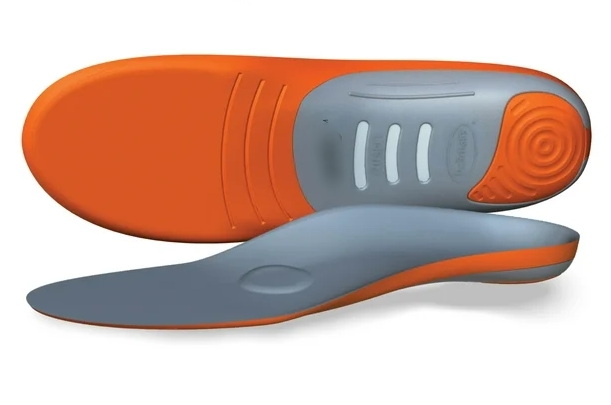
Dr. Scholl's Custom Fit Orthotic Inserts represent a class of semi-customized, over-the-counter foot support products designed to alleviate pain, enhance comfort, and encourage better foot health for those on their feet for extended periods. Unlike fully customized orthotics that require a doctor's prescription and a specialized fitting process, these inserts are available directly to consumers using automated kiosks in pharmacies and retail locations. At the heart of their appeal is convenience—an individual can complete the assessment and walk out with a recommended product in minutes.
The customization process begins with a foot mapping machine, which uses thousands of sensors to assess foot pressure, arch type, foot length, and weight distribution. Each foot is briefly measured as the user stands and shifts positions. The system then recommends one of a range of numbered insert models, each supposedly optimized for a specific foot profile. Rather than being truly unique to each user, the process matches them to a close fit within several pre-made configurations.
Dr. Scholls Custom Fit Orthotic Inserts are layered for both cushioning and structural support. The construction typically consists of:
- A soft, breathable cloth top cover for comfort and moisture-wicking.
- Thick, shock-absorbing foam intended to disperse pressure and lessen the impact from walking or standing.
- A contoured plastic or polymer arch to encourage healthy alignment and stability in the arch area.
- Gel pads or targeted pressure zones in specific regions, such as the heel or ball of the foot, to provide extra comfort at high-impact points.
The combined effect of these features is to complement the natural shape of the user's foot, offer enhanced support during movement, and reduce pressure on problem areas associated with pain or fatigue.
Once selected, the recommended inserts are placed directly into the user's existing footwear. No trimming, adhesives, or special modifications are usually necessary for most standard shoes. Upon walking, the device's arch support gently lifts the midfoot area, while the foam and gel redistribute pressure and provide a degree of shock absorption. By shifting the balance of pressure, the insert aims to keep the wearer's foot in a more neutral position, theoretically improving posture, balance, and comfort for walking, running, or standing.
The underlying theory is that properly supported feet find relief from common issues such as plantar fasciitis, heel pain, arch aches, knee discomfort, and lower back soreness. The enhanced alignment can also help reduce the risk of developing high-stress injuries over time.
Most users can start wearing the inserts immediately after purchase, though a short adjustment period is common. Some initial tightness or an unusual sensation under the arch or forefoot may be experienced as the body adapts to the new support profile. Typically, within a week or two of consistent use for daily activities, any discomfort fades, and the inserts feel like a natural part of the shoe's interior.
Dr. Scholls advises users to replace their inserts every six to twelve months, depending on frequency of use and personal wear-and-tear. For those engaging in heavy-duty work or high-mileage activities, earlier replacement may be necessary as the cushioning compresses and the structure of the insert degrades.
One of the main draws for these products is accessibility—they can be purchased without a doctor's visit and are available at major retailers, pharmacies, and supermarkets. Users can complete the process independently, quickly, and in a familiar environment. The price point, while higher than generic insoles, is far lower than fully custom orthotics.
These inserts are designed to support the natural arch shape of the foot, minimize pain or fatigue from standing or walking, and provide moderate relief from common complaints like mild plantar fasciitis, overpronation, plantar pain, or even knee and lower back discomfort due to poor alignment. Unlike rigid medical-grade orthotics, these offer a gentler, more forgiving fit that suits a wide array of foot types and footwear.
Dr Scholls Custom Fit Orthotic Inserts are easily transferred from one pair of shoes to another and require no special skills for installation or maintenance. Many users appreciate the 90-day risk-free satisfaction guarantee, making them a relatively low-risk choice for first-time buyers or those reluctant to commit to expensive custom options.
While praised for comfort and ease of use, these orthotics have several well-documented limitations:
- The inserts are relatively soft and can flatten out under moderate to heavy body weight, reducing the effectiveness of arch support over time.
- The degree of customization is limited; users are matched to one of a small set of generic profiles rather than receiving a uniquely tailored solution.
- They offer only moderate corrective force and may be inadequate for those with severe biomechanical foot deformities, high arches, collapsed arches, or complicated gait issues.
- Over time, foam and cushioning may wear out, especially for those who are active, heavy, or use the insoles constantly throughout the day.
Some critical reviews have questioned whether the “custom fit” description is misleading since the technology merely assigns a standard insert based on sensor readings without genuinely tailoring an insole to the fine details of each user's foot anatomy.
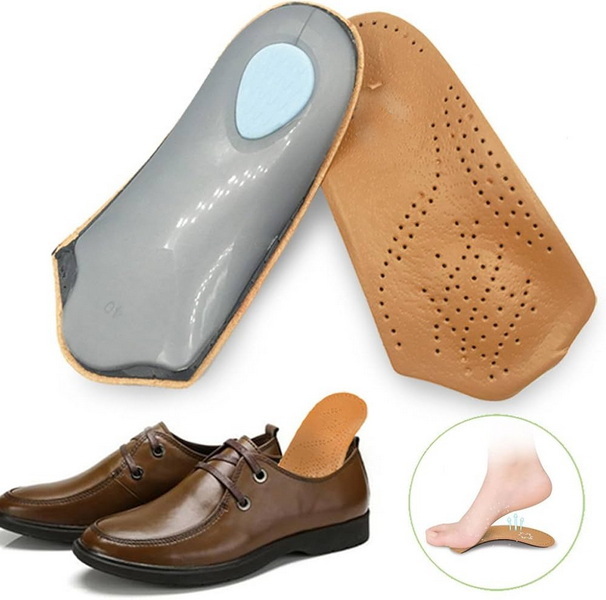
Most podiatrists agree that while OTC orthotics like Dr. Scholls provide a step above regular shoe insoles, they lack the rigidity and true custom design needed to address more complex musculoskeletal problems. For people with ongoing foot pain, tendonitis, poorly controlled plantar fasciitis, or post-surgical needs, prescription orthotics—produced individually to exact foot casts—remain the standard of care.
Feedback from everyday users is highly varied. Some report immediate and ongoing comfort for standing jobs, running, or walking long distances. These users value the improvement over no support at all, ease of swapping the inserts between shoes, and relief from mild aches or fatigue. Others, particularly those with more severe foot shape deviations or higher activity levels, note the rapid breakdown of cushioning, lack of structure for heavier support needs, and occasional discomfort at the edges or across the forefoot. Most agree that while the product delivers relief for mild to moderate issues, it is no substitute for medical-grade devices in complex cases.
- Individuals with mild to moderate foot, leg, or lower back discomfort whose pain correlates with long periods of standing or walking
- Those seeking comfort, moderate support, and minor alignment correction at a lower price point than prescription solutions
- People without complex or chronic foot conditions who want a convenient, self-directed upgrade to their usual insoles
- Shoppers who desire an immediate solution with a simple fitting process instead of time-consuming appointments
- Individuals with serious foot deformities, ongoing chronic pain that does not improve, history of diabetic foot disease, severe plantar fasciitis, or significant arch collapse should consult a podiatrist before relying solely on over-the-counter orthotics.
- Athletes or highly active individuals putting repetitive stress on their feet may require a more robust and specifically engineered solution for long-term joint and tendon health.
- If discomfort increases, pain persists for more than two weeks after starting use, or new symptoms develop, medical consultation is recommended.
| Characteristic | Dr Scholls Custom Fit | Basic Generic Insole | Prescription Custom Orthotic |
|---|---|---|---|
| Price | Moderate | Low | High |
| Method | Foot pressure mapping | Pre-made, no fitting | Casted, custom manufactured |
| Customization Level | Limited (14 pre-set types) | None | Fully tailored |
| Support Type | Soft to moderate | Minimal | Rigid, corrective |
| Best For | Mild pain, fatigue | Basic comfort | Chronic, complex disorders |
| Replacement Cycle | 6–12 months | 3–8 months | 2–3 years |
| Where to Buy | Retail, kiosk | Most stores | Medical provider |
1. Use the provided kiosk as directed, standing and following instructions carefully to yield the best possible match.
2. If possible, wear the shoes you intend to use the inserts with during the mapping process for an accurate result.
3. Allow for a week or two of adaptation, gradually increasing wear time each day if discomfort arises.
4. Inspect the inserts regularly for flattening, cracking, or compression — replace once cushioning is lost or support feels diminished.
5. Clean the insoles as advised (usually with a damp cloth) to prevent odor and extend longevity.
For workers who spend many hours on their feet—such as nurses, warehouse staff, teachers, and retail employees—or for those doing light athletic activities, Dr. Scholls Custom Fit Orthotic Inserts can make a significant difference in daily comfort and endurance. Runners, hikers, and athletes engaging in repetitive high-impact activity should consider rotation between two pairs to allow materials to decompress between uses or look for a firmer, more supportive insole specifically designed for athletic wear.
Proper cleaning and maintenance help increase the lifespan of your investment. Regularly removing the inserts to air out the footwear and cleaning surface debris prevents odor buildup and reduces material degradation. Most Dr Scholls Custom Fit models are designed for 3/4 length placement; always ensure a snug fit to prevent bunching, wrinkling, or movement inside the shoe.
Some models offer enhancements like antimicrobial treatments, extra cushion at pressure points, or 3/4 versus full-length profiles for different footwear types. Understanding your lifestyle needs—whether city walking, standing jobs, or office activities—will guide selection for an optimum match.
Dr Scholls Custom Fit Orthotic Inserts represent an accessible, practical option for everyday foot comfort, providing light-moderate support for users experiencing general foot fatigue or minor pain. They excel in convenience, require little commitment, and suit non-complex needs for those on their feet. While they are not a substitute for individually prescribed orthotics in cases of severe pain or structural abnormality, their accessibility and moderate effectiveness make them a worthwhile consideration for millions. Always match the solution to your personal needs and consult an expert for persistent problems.
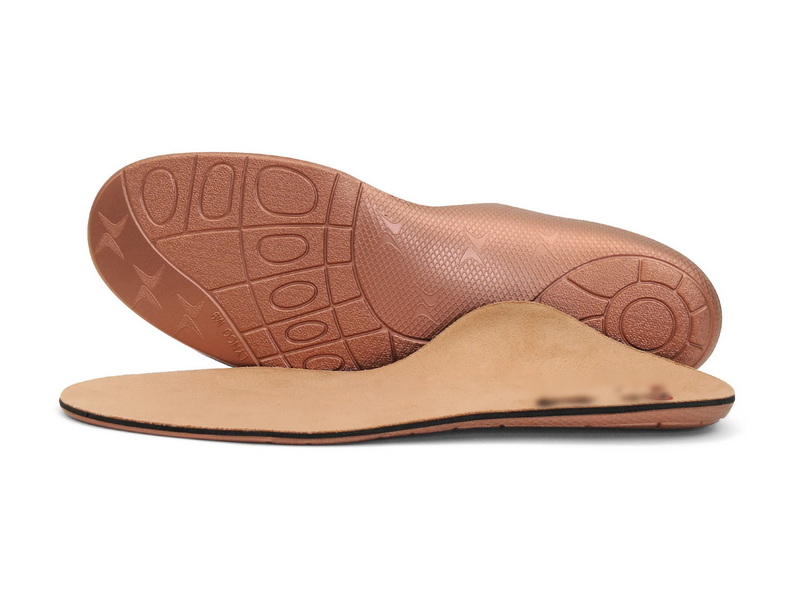
The typical lifespan is six to twelve months with daily use, depending on your weight, activity level, and walking habits. Users should replace the inserts when they notice a reduction in comfort or visible structural wear.
Yes, these inserts are not permanently affixed and can be transferred between most closed footwear styles. Ensure each shoe provides enough space to accommodate the insole comfortably.
Most users adapt within one to two weeks. Some experience initial tightness or minor irritation but find that these effects subside with regular wear.
They may offer temporary relief for mild cases, but persistent or severe plantar fasciitis is better managed with prescription orthotics and medical supervision.
If pain is ongoing or severe, stop use and seek advice from a podiatrist. Custom orthotics or medical intervention may be required to fully resolve the issue.


