
Views: 222 Author: Edvo Publish Time: 2026-01-18 Origin: Site


Content Menu
● How Gel Insoles Work Inside Shoes
● Do Gel Insoles Actually Make Shoes Smaller?
● Key Factors That Influence Fit After Adding Gel Insoles
>> Insole Thickness and Volume
>> Shoe Type and Original Internal Space
>> Foot Shape, Arch Height, and Sock Thickness
>> Material Density and Compression Characteristics
● How to Use Gel Insoles Without Making Shoes Feel Too Tight
>> Choose the Right Insole Volume
>> Consider Partial-Length or Targeted Gel Pads
● Additional Benefits of Gel Insoles Beyond Fit
>> Shock Absorption and Joint Protection
>> Enhanced Comfort for Long Wear
>> Support for Different User Groups
● OEM and Private Label Opportunities for Gel Insoles
>> Customizable Design Parameters
>> Application to Different Footwear Categories
● How to Test Whether Gel Insoles Are Suitable for Your Shoes
>> Fit Guidelines for Brands and Retailers
● Importance of Proper Fit for Foot Health
● Practical Recommendations for End Users
● FAQ
>> 1. Do gel insoles shrink in size over time?
>> 2. Can I trim gel insoles to fit better?
>> 3. Are gel insoles suitable for running shoes?
>> 4. How often should I replace gel insoles?
>> 5. Will gel insoles fix shoes that are too big or too small?
Gel insoles are widely used to improve comfort, absorb shock, and relieve pressure during walking, running, or standing for long hours. Many users, however, worry that adding shoe insoles will make their shoes feel tighter or smaller.
For brands, wholesalers, and manufacturers, understanding how gel insoles affect internal shoe volume is essential for product design, OEM customization, and customer satisfaction.
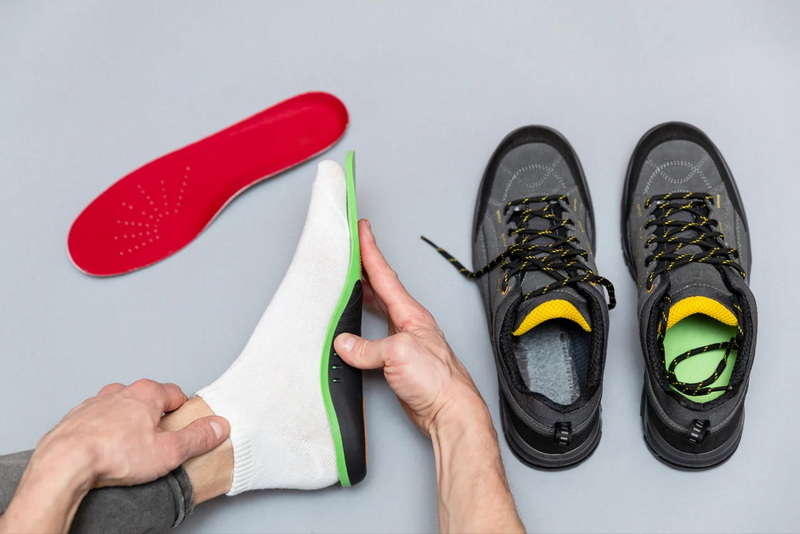
Gel insoles are typically made from flexible, shock-absorbing gel materials such as silicone or thermoplastic elastomers. They are engineered to compress under load and then rebound, distributing impact forces more evenly across the foot.
When placed inside footwear, the gel layer adds material between the foot and the shoe midsole. This added layer partly compresses under body weight, but it still occupies a measurable amount of space inside the shoe.
Key functional benefits include:
- Cushioning and shock absorption that reduce impact on heels, knees, and joints
- Pressure redistribution to protect sensitive areas and the forefoot
- Improved comfort during prolonged standing or walking
These benefits are the reason gel insoles are frequently recommended for work boots, running shoes, and daily casual footwear.
Technically, gel insoles do not change the physical size of the shoe. The outsole, midsole, and upper dimensions remain exactly the same. What changes is the internal volume of the shoe.
By inserting a gel insole, part of the inner space once occupied by air is now filled with material. Even though gel compresses under load, it still reduces the free space available to your foot. This reduction in usable space is what makes shoes feel tighter or smaller.
Typical effects on fit include:
- The foot sits higher inside the shoe, closer to the upper
- The toes may push more toward the front of the shoe
- The instep or top of the foot may feel pressure from the upper
- Overall, the fit may shift from relaxed to snug or tight
In many cases, this change in fit feels similar to wearing a shoe that is roughly half a size smaller, depending on the thickness of the insole and original shoe volume.
The most important factor is thickness. Thicker gel layers provide more cushioning but take up more internal volume. Thin insoles (around 2–3 mm in crucial zones) minimally affect fit, while thick insoles (up to 10 mm in some models) can significantly tighten the shoe.
Because there is no strict industry standard for insole thickness, manufacturers and brands usually categorize insoles by volume:
- High-volume insoles for roomy shoes like hiking boots or running shoes
- Medium-volume insoles for casual shoes and standard athletic footwear
- Low-volume insoles for tight or low-profile shoes such as cycling shoes or dress shoes
Choosing the wrong thickness can result in cramped toes and pressure on the top of the foot.
Different shoe categories provide different internal volumes:
- Running and training shoes: Often allow more space and accept medium or high-volume gel insoles
- Work boots and outdoor boots: Usually deep and supportive, suitable for thick cushioning
- Dress shoes and formal leather shoes: Slim, low-volume construction, easily crowded by extra insole thickness
- Minimalist or barefoot-style shoes: Designed with very little extra room, often incompatible with thick gel inserts
If a shoe already fits snugly with its stock insole, adding a thick gel insole without removing the original insert can quickly make the shoe feel uncomfortably tight.
User-specific factors also influence how “small” shoes feel after adding gel insoles:
- Wide forefeet or high insteps require more internal volume and feel tight sooner
- High arches may need more structured support, which can increase thickness in the midfoot
- Thick socks (e.g., hiking or work socks) combined with gel insoles magnify volume usage
For some users, switching to thinner socks or selecting a low-volume gel insole can prevent the shoe from feeling too tight.
Not all gels compress in the same way. Softer gels compress more under load and can feel thinner in use, while firmer gels maintain more of their original thickness. Properly engineered gel blends should strike a balance between:
- Soft compression for comfort
- Structural integrity so the insole does not bottom out
- Long-term resilience over many hours of use
For OEM projects, tailoring material hardness (for example, selecting different Shore A levels) is a crucial way to control both comfort and volume usage.
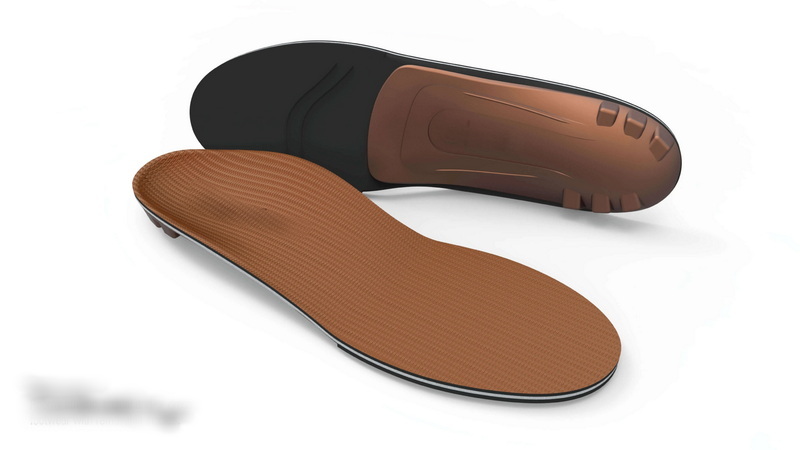
Most modern shoes come with a removable factory insole. Taking it out before inserting your gel insole is the best way to manage internal volume.
By replacing rather than stacking insoles, you allow the gel insert to occupy roughly the same space as the original insole, minimizing the change in fit.
Select insole thickness and volume according to shoe category and fit:
- For low-volume or tight shoes: Choose thin or low-volume gel insoles
- For standard sneakers and trainers: Medium-volume gel insoles are usually ideal
- For roomy boots: High-volume gel insoles fill extra space and enhance support
For brands and distributors, offering multiple thickness options under one product line gives end users flexibility to match their footwear.
Instead of full-length insoles, many users benefit from:
- 3/4-length gel insoles that stop before the toes and avoid crowding the toe box
- Heel cups and heel pads for localized cushioning without changing forefoot space
- Forefoot pads to relieve ball-of-foot pain in high heels while leaving midfoot unchanged
These designs focus comfort where it is needed most while minimizing overall volume changes.
Most consumer gel insoles are designed to be trimmed to match shoe shape. Trimming the toe area:
- Prevents curling or bunching inside the shoe
- Reduces extra length that can push toes forward
- Helps the insole sit flat, improving comfort and stability
For private label or OEM projects, manufacturers can pre-cut insoles to size ranges or create precise shape molds for better fit in specific shoe lasts.
While the main concern here is whether gel insoles make shoes feel smaller, their additional functional advantages are also important for marketing and product positioning.
Gel insoles act like built-in shock absorbers. Each step generates impact that moves up through the foot to the ankles, knees, and hips. Gel cushioning reduces peak impact forces, helping to:
- Decrease joint stress and discomfort
- Reduce fatigue in the feet and lower legs
- Support users who stand or walk for long periods at work
This makes gel insoles particularly attractive in safety footwear, industrial work boots, and active sports shoes.
By spreading pressure more evenly across the foot, gel insoles can:
- Reduce hotspots under the heel and ball of the foot
- Help relieve discomfort from hard floors and rigid midsoles
- Improve the overall wearing experience, especially for long shifts
For brands, offering high-quality gel insoles is a strong selling point when targeting workers, healthcare staff, retail employees, and hospitality industries.
Gel insoles are beneficial for a wide range of users:
- Athletes and runners needing extra cushioning during training
- Office workers and retail staff on their feet all day
- Older consumers seeking gentler impact on joints
- People with mild foot discomfort who want more comfort without fully custom orthotics
Positioning gel insoles correctly for these groups can create strong differentiation in the market.
For foreign brands, wholesalers, or footwear manufacturers, working with an experienced OEM in China offers significant advantages when designing gel insole product lines.
OEM factories can tailor gel insoles to brand specifications, including:
- Thickness at heel, arch, and forefoot
- Combining gel with PU foam or EVA for better weight-to-cushion ratio
- Specific hardness levels to balance softness and support
- Perforations and ventilation channels for breathability
- Different profiles: high-volume, medium-volume, and low-volume variants
These factors allow brands to control how much space the insole occupies and how it affects shoe fit.
Private label services can include:
- Custom logos on the insole surface
- Printed size markings and trimming guides
- Tailored packaging for retail shelves or e-commerce shipments
- Marketing claims aligned with target markets (work, running, fashion, medical, etc.)
Well-presented gel insole lines help brands add value and differentiation without developing their own factories.
OEM gel insoles can be developed for:
- Sports shoes: running, training, walking, basketball
- Safety and industrial footwear: steel-toe boots, anti-slip shoes
- Casual and fashion footwear: sneakers, lifestyle shoes
- Women's high heels and flats: slim-profile, 3/4-length designs
Each category requires a different approach to thickness, profile, and volume management to avoid making shoes feel too small while delivering comfort.
A practical testing protocol helps ensure that gel insoles provide comfort without overly reducing space.
1. Insert the gel insoles into your shoes in place of the original insoles.
2. Wear the shoes indoors for 10–15 minutes, walking on a hard surface.
3. Check for any pressure at the toes, instep, and heel.
4. Try bending and flexing your feet; ensure there is no painful pressure point.
If the shoes feel significantly tighter or your toes hit the front, the insole may be too thick for that specific shoe model.
When offering gel insoles to customers, it is helpful to provide clear guidance:
- Recommend low-volume insoles for formal shoes and tight-fitting designs.
- Suggest users remove stock insoles before inserting new ones.
- Indicate ideal shoe categories on packaging (e.g., “best for running shoes and work boots”).
Clear positioning reduces returns and increases customer satisfaction.
Even the best gel insoles can cause discomfort if they make shoes too tight. Poor fit over time may lead to:
- Blisters and friction burns
- Nail problems due to constant toe pressure
- Reduced blood circulation in the forefoot
- Changes in walking gait, potentially affecting knees or hips
Therefore, comfort evaluation must include both cushioning performance and the effect of the insole on overall shoe volume. A well-designed gel insole should improve comfort and support without creating harmful tightness.
To enjoy the benefits of gel insoles without making shoes feel smaller, users should:
- Choose the correct size range and trim carefully if needed
- Match insole volume to shoe category (low, medium, or high volume)
- Remove the original insole whenever possible before inserting gel insoles
- Avoid stacking multiple insoles unless the shoe is originally too large
- Test indoors for several minutes before committing to all-day wear
For consumers buying online, product pages should clearly show thickness information, recommended shoe types, and whether the insole is suitable as a replacement or an addition to the original insole.
Gel insoles do not physically shrink shoes, but they do reduce internal space, which can make shoes feel smaller or tighter if thickness and shoe type are not matched properly. By understanding insole volume, shoe design, and individual foot characteristics, users can select gel insoles that enhance comfort without causing crowding.
For brands, wholesalers, and footwear manufacturers, partnering with a professional OEM insole factory makes it possible to design gel insoles with optimized thickness, material density, and shape. This ensures that footwear products deliver long-lasting cushioning and support, while maintaining a comfortable, true-to-size fit for end users.
Contact us to get more information!
No. Gel insoles generally maintain their length and width during normal use. They may compress slightly under pressure, but they are designed to return close to their original thickness after resting.
Yes. Most full-length gel insoles are designed with trimming lines at the front. You can cut along these guides to match your shoe shape, always trimming in small steps to avoid cutting too much.
Yes. Gel insoles can be an excellent choice for running shoes, because they add shock absorption and help reduce joint stress. It is important to choose a model with appropriate thickness so the shoe does not become overly tight.
Replacement time depends on usage and body weight, but many users replace gel insoles every 6–12 months. When cushioning feels weaker, the surface becomes worn, or the insole no longer rebounds well, it is time to change to a new pair.
Gel insoles can slightly tighten shoes that are a bit loose, especially when using thicker or high-volume models. However, they cannot correct shoes that are much too large or too small. In such cases, choosing the correct shoe size is still the best solution.
1. https://www.rei.com/learn/expert-advice/insoles.html
2. https://runrepeat.com/guides/best-insoles-for-running-and-walking
3. https://theinsolestore.com/pages/insole-guide
4. https://fpinsoles.eu/gel-insoles/
5. https://betterhood.in/learn/gel-insoles-relieve-pressure-on-feet-and-joints/
6. https://goiheart.com/blogs/iheart-resources/benefits-of-gel-insoles
7. https://cluffy.com/why-everyday-gel-insoles-are-a-must-have-for-daily-comfort/


