
Language
Views: 222 Author: Edvo Publish Time: 2026-01-18 Origin: Site


Content Menu
● What Insoles Actually Do Inside a Shoe
● How Insoles Affect Shoe Fit and Volume
● Do You Usually Need Bigger Shoes for Insoles?
● When You Might Need Bigger Shoes for Insoles
>> Thick Orthotic or Medical-Grade Insoles
>> Low-Volume or Fashion Shoes
>> Layering Insoles or Using Additional Pads
● How to Check If Your Current Shoes Are Big Enough
● Choosing the Right Insoles Without Changing Shoe Size
>> Insole Length: Full-Length vs 3/4 Length
>> Insole Volume: High, Medium, and Low
● Common Mistakes When Using Insoles With Shoes
● Benefits of Properly Fitted Insoles and Shoes
● Practical Tips for Brands, Wholesalers, and OEM Buyers
● Long-Term Use and Maintenance of Insoles
● FAQ
>> 1. Do insoles make shoes feel smaller?
>> 2. Should I buy shoes a size bigger for custom orthotics?
>> 3. Can insoles help if my shoes are slightly too big?
>> 4. Is it better to use full-length or 3/4-length insoles?
>> 5. How do I know if my shoes are too tight with insoles?
Insoles are one of the simplest ways to upgrade comfort, support, and performance in almost any type of footwear. Many people, however, feel confused about sizing and often ask the same question: Do I need bigger shoes for insoles?
In most everyday situations, you do not have to buy larger shoes just because you plan to wear shoe insoles. The right insole, correctly matched to your shoe size and shoe volume, will usually fit nside your existing footwear once the original footbed is removed. Only in certain cases—such as very thick custom orthotics or very slim, low-volume shoes—does upsizing become necessary.
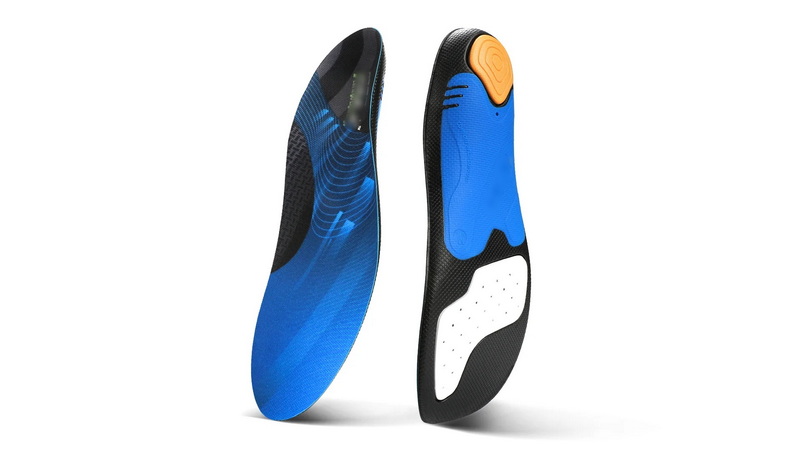
Insoles, also called footbeds or inserts, sit directly under the foot and work by modifying how your body weight is distributed across the sole. They can add cushioning, improve arch support, stabilize the heel, and help guide foot motion. For some users, this mainly means better comfort; for others, it can mean less pain, more stability, or protection during high-impact sports.
When an insole is placed inside a shoe, it slightly changes the internal geometry of the footwear. It can:
- Add thickness under the foot, raising it higher in the shoe
- Change how the arch contacts the midsole
- Alter heel position and overall alignment
Because of these changes, the internal volume of the shoe becomes a key factor in deciding whether a larger size is needed or not.
The relationship between insoles and shoe fit largely comes down to volume—how much space is available inside the shoe for both your foot and the insert. The thicker or more structured the insole, the more space it occupies.
Several factors influence how noticeable this is:
- Insole thickness: Thin comfort insoles usually have minimal impact on fit, while thick cushioning or rigid orthotic insoles occupy more space.
- Insole length and coverage: Full-length insoles change the feel from heel to toe, whereas 3/4-length models affect mainly the heel and arch zone.
- Shoe depth and shape: Deep, high-volume shoes like many running shoes and hiking boots can accept insoles more easily than slim dress shoes or narrow sneakers.
- Foot shape: Wide feet, high insteps, and bulky forefoot joints are more sensitive to volume reduction inside a shoe.
If the shoe already fits snugly before adding an insole, any extra thickness may make it feel tight, especially across the midfoot and toes. If there was extra room to begin with, an insole can actually make the shoe fit better without changing size at all.
In everyday practice, most people do not need to buy bigger shoes for standard insoles. Many brands design their insoles to match common shoe sizes, and they are intended to be used in the same size range as your regular footwear once the original liner is removed.
That said, there are a few scenarios where going up by half a size, or choosing a slightly roomier model, may be appropriate:
- The shoe has a very low or narrow toe box.
- The shoe is already tight with the original insole.
- The new insole is a thick, rigid orthotic with strong arch support.
- You are layering insoles or using extra heel lifts.
- You experience toe pressure or numbness after inserting the insole.
The key point is that shoe size is only one part of the equation. Shoe volume and design matter just as much.
Custom orthotics or medical-grade insoles are often thicker and more structured than simple comfort inserts. They might have a high arch profile, robust heel cup, and firm midfoot support. While these features provide excellent control and relief for certain conditions, they also take up more room inside the shoe.
If you are prescribed such orthotics, it is often recommended to wear them in footwear with:
- A removable factory insole
- Extra depth or a roomy toe box
- Possibly a half size larger than your normal everyday shoes if you feel tightness
Certain footwear categories leave very little spare room inside:
- Formal dress shoes
- Slim fashion sneakers
- Some women's pumps, flats, and boots
These shoes are often designed closely around the foot for style rather than for volume. When a thicker insole is placed inside, the top of the shoe may press on the top of the foot, or the toes may feel cramped. In these cases, sizing up or choosing a model designed with a deeper interior can make a big difference.
Some users try to fix loose shoes by adding multiple layers—such as a full-length insole plus heel pads, tongue pads, or forefoot cushions. While this can help tighten up very loose footwear, it also increases the risk of over-filling the shoe and causing discomfort in other areas.
If you often use multiple pads or thick socks along with insoles, you may benefit from:
- Slightly larger shoes
- Shoes designed for extra volume (e.g., wide fit or deep toe box)
- Thinner, more targeted inserts rather than multiple layers
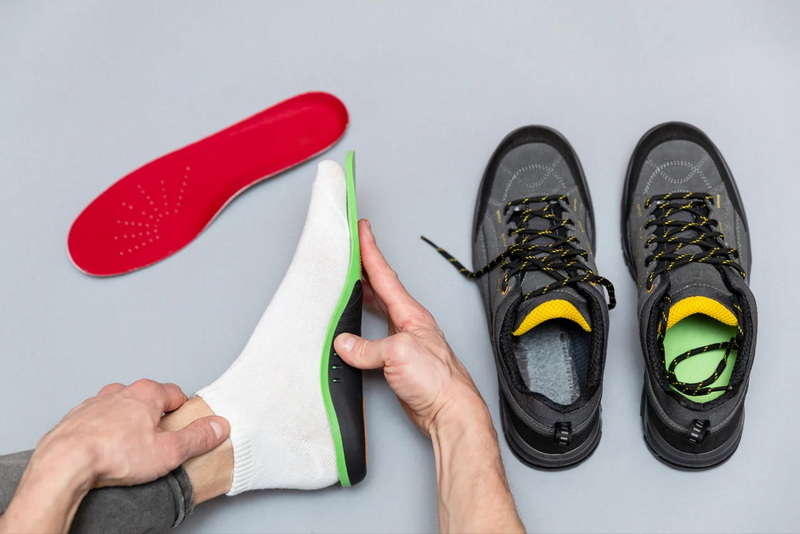
Before purchasing new shoes, it is wise to test your insoles carefully in your existing footwear. A simple fit-check routine can quickly show whether your current size works or if a bigger pair is needed.
1. Remove the original insole
Take out the factory footbed so the new insole does not stack on top of it unless the product instructions say otherwise.
2. Insert the new insole
Place the replacement insole flat inside the shoe, making sure the heel sits fully in the back and the edges do not buckle.
3. Wear your usual socks
Use the same thickness you normally wear with that shoe type, as thick socks can also affect volume.
4. Stand and walk normally
Walk on a hard floor, go up and down stairs, and stand for a couple of minutes to feel any pressure points.
5. Check toe space and width
You should still have about a thumb's width between your longest toe and the front of the shoe, and you should not feel the upper pressing uncomfortably on the top or sides of your foot.
6. Assess heel hold and stability
Your heel should feel supported and relatively locked in place, not sliding up and down excessively.
If the shoes pass this check with no pinching, rubbing, or numbness, there is usually no need to size up. If you feel pressure in the toes or forefoot, or if the shoe becomes difficult to lace comfortably, a larger or roomier shoe may be necessary.
Selecting a suitable insole can often solve comfort problems without forcing a change in shoe size. When matching insoles to shoes, consider the following aspects.
- Full-length insoles replace the original footbed and provide consistent support from heel to toe. They work best in shoes with removable liners and reasonable interior depth.
- 3/4-length insoles cover the heel and arch but stop before the toes. They are helpful in shoes where there is not enough space at the front or where the existing toe area feels fine.
Using a 3/4 insole can reduce the impact on toe space and may allow you to keep your usual shoe size even in slimmer footwear.
Many insole ranges are effectively divided by volume:
- High-volume insoles: Thicker, more cushioned or strongly contoured, suited for high-volume shoes such as hiking boots and running shoes.
- Medium-volume insoles: Designed for standard casual shoes and many everyday sneakers.
- Low-volume insoles: Thinner designs made for low-volume footwear, cycling shoes, ski boots, or slim dress styles.
Choosing a low-volume insole for a low-volume shoe helps avoid the need for a bigger size, while high-volume insoles pair better with deep, roomy footwear.
Your foot structure also matters:
- Flat feet: Often need stronger arch support and stable heel cups, which can be slightly bulkier.
- Neutral arches: Usually do well with moderate support and cushioning.
- High arches: Often require extra cushioning throughout the arch and forefoot area.
The stronger and more pronounced the support, the more room it can require. When possible, combine supportive design with appropriate shoe depth rather than simply lengthening the shoe.
Even high-quality insoles can feel uncomfortable if used incorrectly. Avoid these frequent errors when deciding whether you need bigger shoes.
- Stacking insoles unnecessarily
Leaving the old insole in place and putting a new one on top almost always makes the shoe too tight, especially across the instep.
- Ignoring shoe type
Trying to put a thick running insole into a slim dress shoe is likely to cause pressure and crowding.
- Focusing only on length, not depth
Buying a longer shoe does not always solve problems if the shoe is still shallow over the toes or instep.
- Not allowing an adaptation period
Supportive insoles can feel unusual at first. Mild pressure from improved arch support is different from true tightness and often improves after a few days of use.
When insoles and shoes are well matched, there is no need to choose between comfort and correct size. The right combination provides multiple benefits, including:
- Better overall comfort during walking, standing, or running
- Improved foot alignment and more efficient gait
- Reduced stress on knees, hips, and lower back
- Relief from common conditions like plantar fasciitis or heel pain
- More stable footing and lower risk of blisters or friction-related injuries
For footwear brands, wholesalers, and OEM partners, understanding this balance also helps in designing shoe-insole systems that work together from the start, reducing returns and improving customer satisfaction.
As a leading Chinese insole manufacturer serving international brands and distributors, you may be educating end users through your content while also specifying technical requirements for your own product lines. When integrating insoles into footwear collections or offering aftermarket insoles, consider:
- Providing clear size mapping: Match insole sizes directly to standard shoe sizes and indicate when trimming is required.
- Marking recommended shoe types: For each insole series, indicate whether it is best for running shoes, safety boots, casual sneakers, or dress footwear.
- Noting volume and thickness: Give approximate thickness and volume category so buyers understand when a larger shoe might be needed.
- Designing for removable liners: Encourage footwear designs with removable factory insoles to accommodate premium inserts or custom orthotics.
- Offering low-volume options: Develop thinner versions for fashion shoes and low-volume models to reduce the need for upsizing.
This approach helps consumers answer the “Do I need bigger shoes?” question more easily and positions your products as practical, user-friendly solutions.
Proper maintenance can extend the working life of insoles and keep the shoe fit more consistent over time:
- Regular inspection: Check for compression marks, cracks, or loss of rebound, all of which indicate that the insole is wearing out and may no longer support the foot correctly.
- Hygiene care: Allow insoles to air dry after heavy use, and clean them periodically following manufacturer guidelines to reduce odor and bacterial growth.
- Replacement schedule: Many everyday insoles last several months under regular use, while heavy athletic or work use may require more frequent replacement.
- Rotation of footwear: Using multiple pairs of shoes and insoles helps each pair recover between wears and maintains comfort and shape.
By replacing insoles before they are fully worn out, users keep the fit and feel of their shoes consistent without constantly changing sizes.
So, do you need bigger shoes for insoles? For most people using standard comfort insoles or moderate-support inserts, the answer is no, as long as the original footbed is removed and the shoe has reasonable internal volume. Your usual shoe size will often work well with the right insole design and thickness.
However, situations involving thick custom orthotics, very slim or low-volume shoes, or multiple layers of inserts may require a half size increase or a different shoe model with more depth and a roomier toe box. Instead of thinking only about length, it is better to focus on overall volume, arch support, and how your foot actually feels inside the shoe.
The best approach is always to test insoles in your current shoes first, check toe space, width comfort, and heel stability, and then decide whether upsizing is truly necessary. With the correct pairing of shoe and insole, users can enjoy better comfort, support, and long-term foot health—without sacrificing style or performance.
Contact us to get more information!
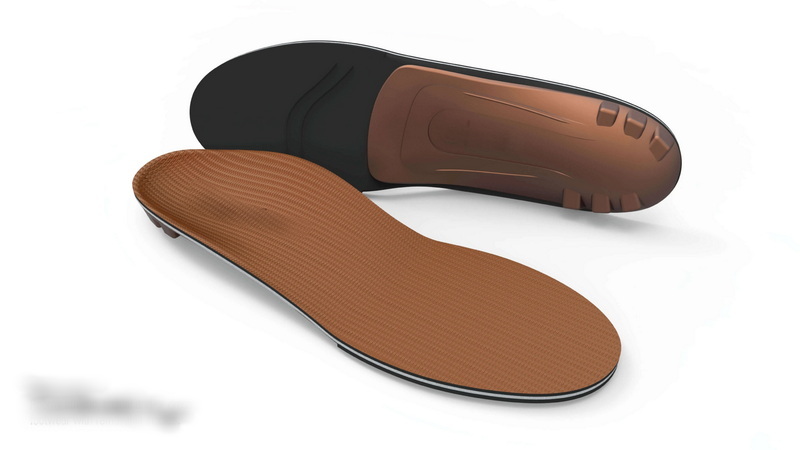
Insoles can make shoes feel slightly smaller because they reduce the internal space, especially if they are thick or heavily cushioned. If the shoe was already tight, you may notice more pressure on the top or sides of your foot after inserting the insole. Removing the original footbed and choosing a suitable volume insole usually prevents this problem.
Not always, but sometimes. Many custom orthotics are designed to fit your normal shoe size when used in footwear with removable insoles and adequate depth. If your shoes are very slim or you feel pinching and toe crowding after inserting the orthotic, then trying a half size larger or a deeper shoe model can improve comfort.
Yes. Insoles are often used to fill a bit of extra space in shoes that are slightly too long or too loose. A thicker full-length insole, heel cup, or forefoot pad can improve the fit by reducing internal volume, stabilizing the heel, and preventing the foot from sliding forward.
It depends on your shoe type and fit. Full-length insoles are ideal when you remove the original liner and want complete support from heel to toe. 3/4-length insoles are better when you need more arch or heel support but have limited toe space, such as in dress shoes or fashion sneakers.
Your shoes are likely too tight if you experience toe crowding, tingling, or numbness, or if you cannot lace the shoes comfortably without pressure across the top of the foot. Red marks on the skin, rubbing, or hot spots after short walks are also warning signs. In these cases, consider thinner insoles, different shoe models, or a slightly larger size.
1. https://www.upstep.com/a/answers/orthotics/do-you-need-bigger-shoes-to-wear-insoles
2. https://theinsolestore.com/pages/insole-guide
3. https://ergonx.com/blogs/blog/a-guide-to-matching-orthotic-insoles-to-your-shoes
4. https://ardurshoes.com/blogs/fashion-tips/what-insoles-do-i-need
5. https://www.rei.com/learn/expert-advice/insoles.html
6. https://alineinsoles.com/blogs/news/choosing-insoles-to-make-your-loose-shoes-tighter
7. https://insoles.com/pages/insole-size-guide


