
Views: 222 Author: Edvo Publish Time: 2025-12-27 Origin: Site


Content Menu
● Understanding the Purpose of Insoles
● Should You Remove the Original Insoles?
● When Can You Keep the Old Insoles?
● The Relationship Between Insoles, Orthotics, and Foot Health
● How to Fit Orthotics in Shoes Properly
● Choosing the Right Shoes for Orthotics
● Common Mistakes When Using Orthotics
● How to Care for Your Orthotics
● The Role of Shoe Manufacturers and OEM Providers
● Adjusting to Orthotics: What to Expect
● How to Know If Orthotics Are Working
● FAQ
>> 1. Do I always need to remove my shoe's insoles for orthotics?
>> 2. What should I do if my insole cannot be removed?
>> 3. Can I switch one pair of orthotics between several shoes?
>> 4. How long do orthotics usually last?
>> 5. What's the difference between insoles and orthotics?
When it comes to achieving optimal foot comfort and alignment, orthotics are an essential tool. These specialized inserts are designed to correct various foot issues, relieve pain, and promote better posture. But one question frequently arises among users: Do I remove old orthotic insoles when using orthotics?
The simple answer is that, in most cases, yes, you should remove the existing insoles before placing new orthotics. However, the answer can vary depending on the type of footwear, orthotic design, and intended function. This article will guide you through everything you need to know — from understanding the purpose of insoles to fitting orthotics correctly and caring for them for long-lasting performance.
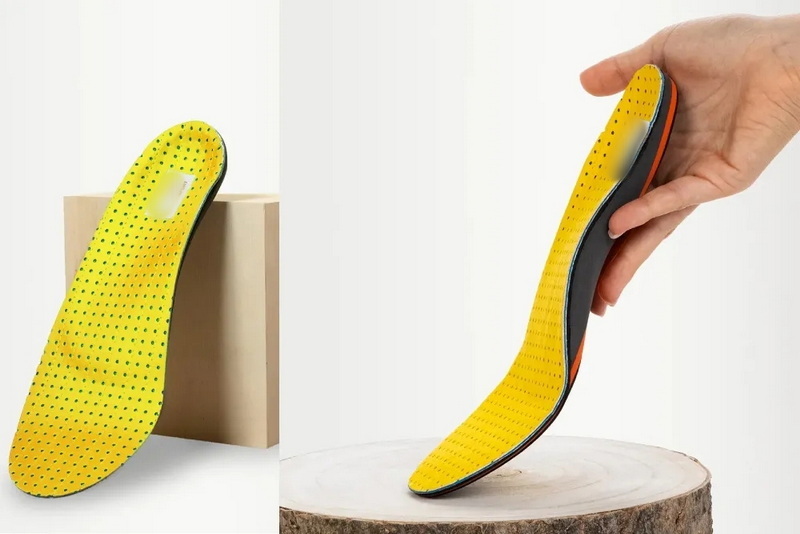
Insoles, also known as footbeds, are removable layers inside shoes designed to provide basic comfort and support. They play several roles in shoe functionality:
- Shock absorption: Cushioning the impact during walking, running, or standing for long periods.
- Support for arches: Helping distribute pressure evenly across the foot to prevent strain.
- Moisture control: Some insoles wick away sweat, keeping your feet dry and reducing odor.
- Improving fit: Filling up extra space in shoes for a more customized fit.
However, most insoles that come with shoes are not designed for medical-grade support. They tend to be made from soft foam or fabric and lose structure over time. People who require posture correction, pain relief, or specific arch support often need orthotics instead.
Orthotics are corrective inserts built to align your feet properly and improve walking biomechanics. Their main purpose goes beyond comfort — they correct structural or functional abnormalities in the foot and lower body. Orthotics come in two major categories:
Custom orthotics are professionally made after a podiatrist assesses your foot shape, gait, and conditions like overpronation, plantar fasciitis, or bunions.
They are built using molds or 3D scans, ensuring exact fit and maximum correction. These are typically rigid or semi-rigid and designed for long-term use.
Prefabricated, or over-the-counter orthotics, are mass-produced but come in various shapes, arch heights, and materials. While they may not provide the same precision as custom ones, they still deliver effective support for mild foot discomfort and alignment needs.
Both types aim to redistribute pressure, improve balance, and prevent future injuries. But for them to work properly, they need to fit correctly inside your shoes, which leads us to the key question of whether to remove the original insoles.
In most cases, removing the old insoles is strongly recommended. Orthotics are engineered to sit directly against the shoe's midsole, providing the intended level of support and positioning. If the existing insole remains inside, it can interfere with the orthotic's function.
Here are the main reasons why removing old insoles is beneficial:
- Better Fit: Shoes have limited internal space. Adding both the original insole and orthotic may make them too tight, causing foot compression and toe crowding.
- Improved Stability: Orthotics must sit flat inside the shoe to work properly. A soft or uneven surface from the insole can cause instability or shifts during movement.
- Correct Alignment: The purpose of orthotics is precision. Overlapping layers can throw off their angle, reducing corrective performance.
- Enhanced Comfort: Removing the factory insole allows your orthotic to rest naturally and eliminates unnecessary height or bulk inside the shoe.
However, there are certain circumstances when you might not need to remove the original insole.
In some footwear setups, keeping the old insole in place can be acceptable or even advantageous. You might consider retaining them if the following applies:
- Your orthotics are thin or partial: Some lightweight or slim-volume orthotics are made to go on top of existing insoles for extra comfort.
- Shoes have non-removable insoles: Certain athletic shoes or dress shoes have glued footbeds that cannot be detached. In this case, it's perfectly fine to put orthotics on top.
- Partial orthotic use: If you use half-length orthotics, arch supports, or heel cups, layering over the insole helps fill the unused portions of the shoe.
- Comfort testing: Beginners experimenting with orthotics sometimes test both options — with and without the old insole — to find what feels more natural.
The best guidance is to prioritize comfort and proper fit while ensuring your orthotics remain stable during walking or running.
It's important to understand how insoles and orthotics influence biomechanics — the way your body moves and bears weight. Proper footwear support doesn't just affect your feet; it impacts your knees, hips, and even your spine. Wearing orthotics incorrectly can lead to discomfort or secondary strain.
Removing your old insoles allows your orthotics to:
- Enhance the natural alignment of your foot and ankle.
- Correct overpronation or supination.
- Improve pressure distribution across the plantar surface.
- Prevent calluses, arch pain, and heel inflammation.
- Support your posture throughout the day.
Simply put, orthotics should become an integrated part of your footwear system, not an additional layer.
Getting the best results from orthotics requires proper installation and adjustment. Here's a step-by-step approach to help you fit them correctly:
1. Remove the original insoles. If they're removable, take them out completely. This gives your orthotic a stable surface.
2. Check the size and shape. Trim the orthotics only if the manufacturer recommends it, following your shoe's insole as a cutting guide.
3. Insert the orthotics. Ensure they lie flat inside and that the heel seats snugly in the back.
4. Test the fit. Try the shoes on and walk around indoors. Pay attention to tightness, heel lift, or pinching.
5. Adjust gradually. Wear your orthotics for short periods during the first few days, then increase usage as your feet adapt.
Proper fitting ensures long-term comfort and maximum corrective effect.
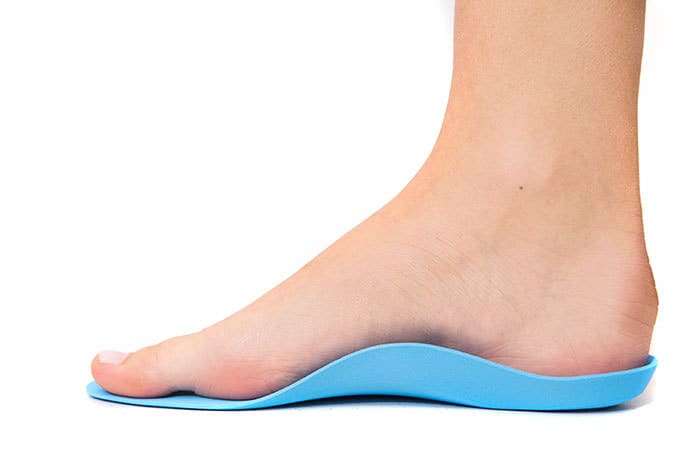
Not every pair of shoes is suitable for orthotics. If you consistently use orthotics, picking the right footwear will greatly improve your experience. Look for these characteristics:
- Deep interior and firm heel counter to hold orthotics without creating pressure points.
- Removable insoles to make room for the orthotic device.
- Wider toe box to accommodate natural toe spread and orthotic thickness.
- Quality outsoles that provide good traction and balance support.
- Adjustable laces or straps to secure your foot comfortably after inserting orthotics.
Athletic, walking, hiking, or orthopedic shoes are typically the most accommodating. Avoid overly tight or flat shoes, high heels, or rigid fashion footwear.
Orthotics are highly effective, but only if used correctly. People often make these mistakes, which can compromise performance or even cause discomfort:
- Leaving old insoles inside: This leads to improper fit and reduces orthotic stability.
- Switching shoes without checking compatibility: Each pair must have enough room and proper structure for orthotics.
- Wearing them for too long immediately: Your feet need time to adjust to the new alignment.
- Ignoring ongoing pain: Persistent discomfort indicates improper fitting or shoe mismatch.
- Not maintaining them: Dirty or worn orthotics can lose shape and cause imbalances.
Taking a few minutes to set up your orthotics properly can prevent these issues entirely.
Like any functional equipment, orthotics last longer with proper care. Consistent maintenance also helps retain their comfort and hygienic condition. Here's how to care for them effectively:
- Clean regularly: Wipe with a soft damp cloth and mild soap; avoid full submersion.
- Do not expose to heat: Excessive temperatures can deform the material. Air drying only.
- Inspect frequently: Check for cracks, compression spots, or odor buildup every few months.
- Rotate usage: If you own multiple pairs of shoes, switch orthotics between them periodically.
- Replace when necessary: Most high-quality orthotics last one to two years, depending on wear frequency and material quality.
Consistent care ensures your orthotics continue to support optimal foot health and daily comfort.
For businesses that produce or source footwear components, understanding orthotic and insole compatibility is an important design factor. High-quality OEM insole and orthotic production allows brands to customize thickness, materials, and foot shapes.
Manufacturers often offer options such as:
- Memory foam and EVA insoles for general comfort.
- PU gel or silicone fillings for shock absorption.
- Rigid plastic or carbon core orthotics for medical-grade stability.
- Breathable top fabrics that prevent moisture buildup.
Partnering with experienced insole manufacturers helps foreign brands and wholesalers create shoes that work seamlessly with modern orthotic systems. This collaboration leads to better comfort, higher product value, and stronger customer satisfaction.
If you're new to orthotics, your body may need time to adapt. It is common to feel slight pressure in the arches or heels during the initial days. Here's what you can expect during the adjustment process:
- Day 1–3: Mild discomfort or tightness, especially in the arch area.
- Day 4–7: Muscles begin adapting; walking feels more natural.
- Week 2 onward: Orthotics start feeling like part of your shoe.
- Month 1: Most users experience noticeable posture improvement and reduced fatigue.
If the discomfort persists or worsens, consult a professional to adjust your orthotic design or shoe pairing.
Properly functioning orthotics should make walking and standing easier, not harder. Here are positive signs your orthotics are working well:
- You experience less heel or arch pain throughout the day.
- Your shoes feel more balanced and stable.
- Knee, hip, or back discomfort gradually improves.
- Foot posture looks more neutral when standing barefoot.
- You can wear them for a full day without discomfort.
Regular use of correctly fitted orthotics can significantly improve mobility and prevent recurring issues caused by poor alignment.
So, do you remove old insoles when using orthotics?
In most cases, yes, you should remove them to allow your orthotics to perform as intended. Removing the original insoles ensures proper fit, stability, and alignment — all crucial for effective foot correction. Only in specific conditions, such as thin orthotics or non-removable shoe insoles, is layering acceptable.
Remember, orthotics aren't just about comfort; they directly impact posture, gait, and long-term health. To fully benefit from them, pair your orthotics with supportive shoes, introduce them gradually, and maintain them properly. Whether for medical correction or daily comfort, understanding the right way to use orthotics will keep you moving confidently and comfortably.

In most cases, yes. Removing insoles gives orthotics the space and stability they need. Only keep the insole if your orthotic is designed for layering.
If the insole is glued or fixed, simply place your orthotic on top. Ensure it lies flat and doesn't cause tightness or lifting at the heel.
Yes, as long as the shoes have sufficient space and similar shape. However, frequent switching may shorten the orthotic's lifespan.
High-quality orthotics can last one to two years with proper care. Over time, the materials compress and lose optimal support.
Insoles provide cushioning and comfort, while orthotics are corrective devices that realign your feet and improve overall body mechanics.


