
Views: 222 Author: Amanda Publish Time: 2025-09-16 Origin: Site


Content Menu
● Why Are Orthotic Insoles Important?
● Do I Need to Take Out My Existing Insoles for Orthotics?
● When Should You Keep the Original Insoles?
● How to Properly Install Orthotic Insoles?
● How to Maintain Orthotic Insoles?
● Signs You Should Replace Orthotic Insoles
● How Orthotic Insoles Can Impact Overall Health
● Choosing the Right Orthotic Insoles for You
● When Not to Use Orthotic Insoles
● Tips for New Orthotic Insole Users
>> 1. Should I remove the original insoles before inserting orthotic insoles?
>> 2. How do I know if my orthotic insoles fit well in my shoes?
>> 3. Can I wear orthotic insoles in all types of shoes?
>> 4. How often should I replace orthotic insoles?
>> 5. Can orthotic insoles help with foot pain and posture?
Orthotic insoles play a crucial role in supporting foot health, improving comfort, and alleviating pain caused by various foot conditions. For people who use orthotic insoles, a common question arises: Do I take out insoles for orthotics? This comprehensive article will explore when and why you might need to remove or replace your existing insoles with orthotic insoles, how to properly use them, and answer important FAQs related to orthotic insoles.
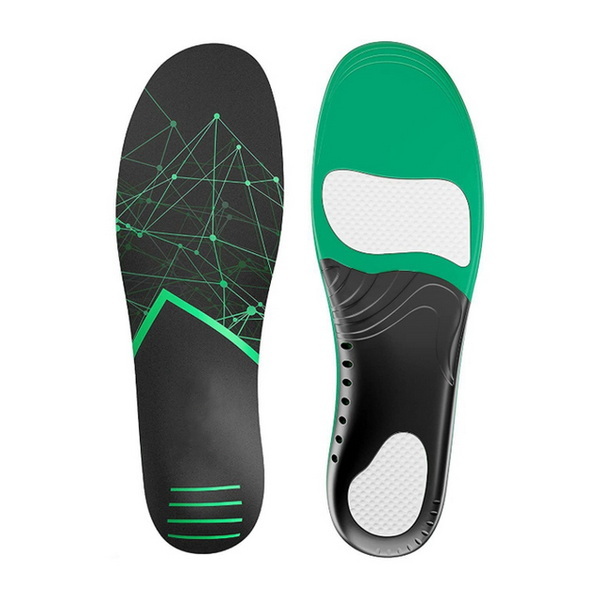
An Orthotic Insole is a specially designed insert that supports and aligns the foot inside a shoe. Unlike standard insoles that primarily offer cushioning, orthotic insoles provide corrective support to improve foot biomechanics. They are often prescribed by podiatrists or can be custom-made or pre-fabricated to target specific foot issues such as flat feet, plantar fasciitis, arthritis, overpronation, and supination.
Orthotic insoles work by redistributing pressure across the foot, stabilizing joints, and enhancing the natural movement of the foot. This can significantly reduce discomfort and long-term joint damage, making them essential for many people dealing with chronic foot pain or biomechanical abnormalities.
The use of orthotic insoles extends beyond simple comfort. They play a vital role in managing foot mechanics and overall mobility:
- Reduce foot pain and fatigue: By redistributing body weight and alleviating pressure on sensitive areas, orthotic insoles can ease pain from conditions like plantar fasciitis and metatarsalgia.
- Correct foot alignment: Orthotic insoles help correct foot and ankle imbalances that can lead to improper gait or posture issues.
- Improve balance and stability: They provide enhanced support especially in people with flat feet or high arches, reducing the risk of falls or injuries.
- Enhance posture: Proper foot alignment influences the knees, hips, and lower back, contributing to better overall body posture.
- Support active lifestyles: Whether walking, running, or standing for long periods, orthotic insoles improve endurance and reduce stress on feet and legs.
A common question among orthotic users is whether you should remove the pre-installed insoles from your shoes to fit orthotic insoles. Here are the main considerations:
- Space availability inside the shoes: Orthotic insoles are usually thicker and shaped differently than standard insoles. Removing the factory insoles creates the necessary space to accommodate an orthotic insole comfortably. Without removal, shoes might feel tight or cramped.
- Proper fit and comfort: Keeping the original insoles along with orthotics may cause shoes to fit poorly, leading to discomfort, blisters, or pressure points. Removing the stock insole usually enhances comfort.
- Optimal functionality: For orthotic insoles to provide correct support and alignment, they must sit flush inside the shoe. Retaining the factory insoles can reduce their corrective effectiveness.
In most cases, removing the existing insoles before inserting orthotic insoles is the best practice.
Although removal is the norm, there are some situations where keeping the original insole may be beneficial:
- Shoe fit and volume: If a shoe is loose or has enough room, you might wear both the orthotic and factory insoles without discomfort.
- Additional cushioning: Some original insoles offer plush cushioning that orthotics may not provide. In such cases, a thin orthotic insole can be layered with the existing cushioning for comfort.
- Minimal orthotic thickness: If the orthotic insole is very thin or designed to fit over other insoles, they can coexist without issue.
Even in these cases, test the shoe fit carefully and monitor for any discomfort or tightness. Overcrowding the shoe can cause foot problems due to improper support.
Proper installation ensures you receive the full benefits of orthotic insoles and avoid discomfort:
1. Remove factory insoles: Gently take out the original insoles from your shoes. This clears space and ensures a better fit for orthotics.
2. Clean the shoe interior: Remove any dirt or debris so the orthotic can lie flat.
3. Fit the orthotic insole: Place the orthotic insole carefully inside the shoe. It should fit snugly without bending or folding.
4. Trim if needed: Some orthotic insoles can be trimmed to fit perfectly—use the original insole as a guide.
5. Wear and walk: Test the shoes indoors first, walking for 10-15 minutes to ensure comfort and fit.
6. Adjust if necessary: If discomfort occurs, consult a foot care professional for adjustments or alternative orthotic options.

Orthotic insoles are investments in foot health, so maintaining them properly prolongs their effectiveness:
- Regular cleaning: Wipe with a damp cloth and mild soap. Avoid harsh chemicals as they can degrade materials.
- Air dry: Never expose orthotics to direct heat sources or sunlight. Let them dry naturally to prevent warping.
- Avoid excessive moisture: Moisture can break down foam or gel components, so avoid wearing orthotics in wet conditions if possible.
- Inspect regularly: Look for signs of wear such as cracks, thinning, or loss of support.
- Store properly: When not in use, keep orthotics in a cool, dry place to maintain shape.
Orthotic insoles do not last forever. Signs you need a new pair include:
- Loss of supportive structure or cushioning, leading to increased foot pain.
- Visible cracks, crumbling edges, or deformities.
- Noticeable changes in walk or posture due to degradation.
- Orthotics feel compressed or flattened and no longer provide the required corrective positioning.
- Your healthcare provider recommends replacement after reevaluation.
Typically, orthotics last between 1 to 2 years depending on use and materials.
Foot health is often overlooked when considering pain in knees, hips, or back. However, improper foot mechanics can cause a chain reaction affecting the entire musculoskeletal system:
- Knee pain reduction: Proper foot alignment helps absorb shock and reduce strain on knee joints.
- Hip stability: By improving foot balance, orthotic insoles assist in aligning hips correctly during movement.
- Lower back support: Realigning the feet can relieve undue stress on the spine, helping reduce lower back pain.
- Improved athletic performance: Athletes benefit from increased stability and corrected form thanks to orthotic insoles.
Therefore, the role of an Orthotic Insole often extends far beyond just foot comfort.
Selecting appropriate orthotic insoles requires understanding your foot type, condition, and lifestyle needs. Consider the following:
- Custom vs. off-the-shelf: Custom orthotics, molded to your feet, offer the best support for complex conditions, whereas off-the-shelf versions can accommodate minor corrections.
- Foot conditions: Some orthotic insoles are designed to address specific issues like pronation, supination, plantar fasciitis, or diabetic foot ulcer prevention.
- Material preferences: Orthotics come in foam, gel, cork, or plastic bases—each offering different cushioning and rigidity.
- Professional assessment: A podiatrist can evaluate gait and foot structure to recommend the best orthotic design.
While orthotic insoles benefit many, they aren't suitable in all situations:
- Active infections or wounds: If you have foot ulcers, infections, or open sores, you should not use orthotics until healed.
- Post-surgery phases: Immediately after foot or leg surgery, orthotics can interfere with healing.
- Improper shoe fit: If your shoes cannot accommodate orthotic insoles without causing tightness, it is better to select footwear designed for orthotics.
Always seek medical advice before starting orthotic use if you have complex foot or health conditions.
Adapting to orthotic insoles can require time and care:
- Start slowly: Wear orthotics for a few hours a day initially, gradually increasing wear time as your feet adjust.
- Expect mild discomfort at first: Some pressure points may feel sore during the adjustment period.
- Listen to your body: If pain worsens or persists beyond 2 weeks, consult your podiatrist.
- Regular checks: Periodic professional evaluations help track foot health and orthotic effectiveness.
- Combine with proper footwear: Orthotic insoles work best in supportive shoes made to accommodate inserts.
In summary, whether to take out insoles for orthotics depends largely on fit and comfort, but most users benefit significantly from removing factory insoles to fully harness the advantages of Orthotic Insoles. Orthotic insoles are essential tools for addressing foot biomechanics, reducing pain, and enhancing overall body alignment and mobility. Proper installation, maintenance, and timely replacement help ensure you gain the maximum support from your orthotics. When combined with the right footwear and professional advice, orthotic insoles can significantly improve foot health and quality of life.
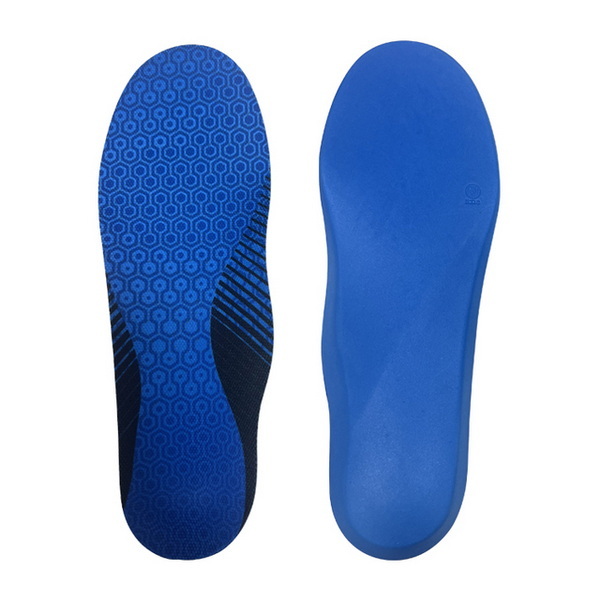
Yes, it is generally recommended to remove the factory insoles to provide enough room and ensure the orthotic insoles fit properly.
The orthotic insole should lie flat without lifting or folding inside the shoe, and the shoe should feel comfortable without tightness.
Orthotic insoles work best in shoes with removable insoles and enough interior space; they may not fit well in tight or dress shoes.
Generally, orthotic insoles should be replaced every 1 to 2 years or sooner if signs of wear or discomfort appear.
Yes, orthotic insoles provide support that can reduce foot pain and improve posture by correcting foot mechanics.


