


Content Menu
● The Purpose and Function of Shoes Insoles
>> Main Types of Shoes Insoles
● Factors That Determine Insole Compatibility
>> Shoe Size and Internal Volume
>> Insole Material and Thickness
● Common Problems When Replacing or Adding Insoles
>> Movement and Stability Problems
● How to Make Insoles Fit Properly
>> Test Fit While Wearing Socks
● The Role of Materials in Comfort and Fit
● The Role of OEM Manufacturers
● Can One Pair of Insoles Fit All Shoes?
● Advanced Developments in Shoe Insole Design
>> Antibacterial and Breathable Layers
● How to Choose the Right Insole for Your Shoes
● Benefits of Properly Fitted Shoes Insoles
● FAQ
>> 1. Can Shoes Insoles be used across multiple shoes?
>> 2. Do Shoes Insoles affect shoe size?
>> 3. How long do quality Shoes Insoles last?
>> 4. Are custom-made Shoes Insoles worth it?
>> 5. What's the best way to maintain Shoes Insoles?
In the footwear industry, Shoes Insoles have become one of the most essential components for enhancing comfort, balance, and foot health. Consumers today pay far more attention to comfort and posture support than ever before, which makes high-quality insoles an important selling point for shoe brands and OEM manufacturers alike. However, one question continues to be asked repeatedly by customers, distributors, and designers: Do insoles fit in all shoes?
This article dives deep into the relationship between insoles and different shoe types, uncovering how sizing, materials, and design influence the final fit. Whether you are an international footwear brand, a retailer, or a private label operator seeking OEM production in China, understanding insole compatibility can help you offer optimized comfort solutions to your clients and end-users.
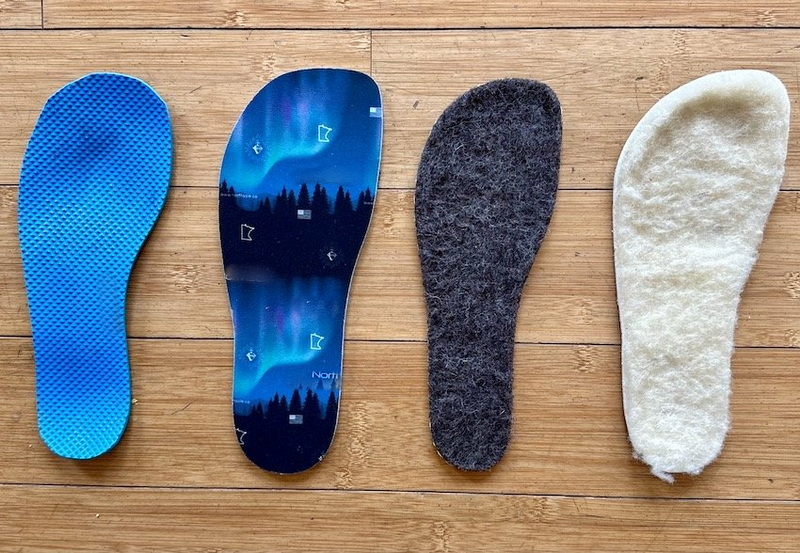
Every pair of Shoes Insoles serves a clear purpose: to improve comfort and protect the foot. They work as a barrier between the foot and the shoe sole, absorbing impact during walking or running, and redistributing weight evenly across the foot surface. Over time, this reduces strain on the ankles, knees, and lower back.
- Comfort Insoles: Designed mainly for cushioning and shock absorption, ideal for daily wearers or workers who stand for long hours.
- Support Insoles: Offer structural reinforcement to improve posture and stability, often featuring firmer materials such as EVA or PU foam.
- Orthotic Insoles: Created to support medical or anatomical needs, such as correcting flat feet, overpronation, or plantar fasciitis.
When chosen correctly, insoles not only make footwear more comfortable but also improve foot alignment, blood circulation, and athletic performance.
The compatibility of Shoes Insoles with various shoes depends on several factors relating to shoe design, material, and intended purpose. Understanding these elements helps both buyers and manufacturers identify which insole configurations are suitable for certain product lines.
Footwear varies widely in internal structure. Tight-fitting models like formal leather shoes, ballet flats, or heels typically leave little room inside. Adding thick insoles could cause discomfort or make the shoe feel too tight. On the other hand, athletic shoes, work boots, and hiking shoes offer more space and are designed to accommodate removable insoles, making replacement or customization much easier.
The materials used in Shoes Insoles—such as foam, gel, cork, or PU—greatly influence fitting. Thicker memory foam types offer luxurious softness but may take up more space. Lightweight EVA or latex foam insoles are thinner, making them better for tightfitting shoe models.
Manufacturers should also remember that climate affects user choice. Breathable PU or perforated latex is ideal for humid conditions, while wool or cork insoles provide insulating comfort for colder climates.
Different shoe categories require tailored insole solutions:
- Running and Sports Shoes: Usually compatible with shock-absorbing insoles made of EVA or PU. They need arch stability and moisture-wicking fabric coverings.
- Dress Shoes: Prefer slim and low-profile designs for visual elegance and proper toe fit.
- Work Boots: Often benefit from full-length insoles with enhanced cushioning and arch structure to prevent fatigue.
- Casual Sneakers: Can handle a wider range of insole shapes, including orthotic and comfort models.
Designers must always balance space, structure, and breathability during OEM customization.
Adding a new insole into an existing shoe can sometimes make it feel too tight or uneven. If an insole is oversized, trimming may be necessary. Conversely, if it's too small, it may slide forward or fold during use.
Foot arch height varies widely among users. A high-arch insole in a low-arch shoe may cause pressure or discomfort. OEM manufacturers often solve this by designing different arch molds matching foot types.
If the insole doesn't align with the shoe's heel cup or toe shape, it can move around. Proper heel grips, adhesive backing, or textured surfaces can reduce this problem.
To ensure new Shoes Insoles fit comfortably and function effectively, follow practical guidelines during both retail and production stages.
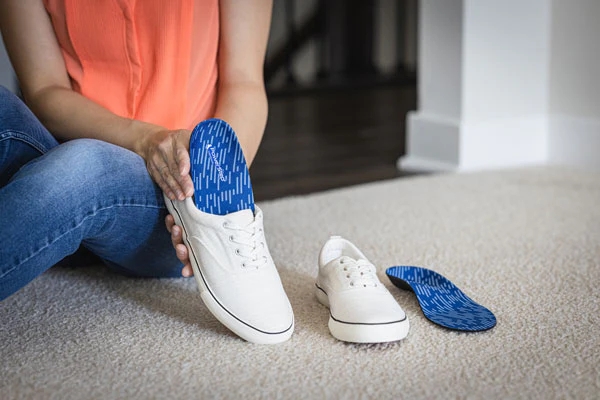
Always compare the insole's dimensions with the inner sole of the shoe. In OEM production, digital 3D scans of shoe interiors allow for precise insole shaping and trimming options, ensuring better compatibility and reduced adjustment needs later.
The type of socks used can influence fitting comfort. Thicker socks require more space, while thin dress socks are easier on narrow-fit shoes. Testing insoles under real wear conditions is critical for accurate sizing.
Once inserted, walk around briefly. Check if the heel stays in place and if your toes spread naturally. If any slippage occurs, consider trimming or using heel liners for extra stability.
Different applications need different features:
- For daily workwear: Choose PU or gel for anti-fatigue performance.
- For sports: Select dynamic cushioning with breathable mesh tops.
- For fashion shoes: Go for slim, odor-preventive insoles with moisture absorption.
Each insole category has distinct advantages depending on how and where it's used.
Selecting the proper materials ensures not only comfort but also durability and brand quality.
- EVA (Ethylene Vinyl Acetate): Lightweight, economical, great for flexible designs.
- PU (Polyurethane): Superior elasticity and long-lasting cushioning, suitable for heavy-duty wear.
- Gel: Adds targeted comfort for heel and forefoot pressure zones.
- Memory Foam: Contours to the foot quickly, perfect for leisure or comfort-driven shoes.
- Cork: Provides eco-friendly firmness with breathable structure ideal for summer footwear.
- Latex Foam: Soft, resilient, and antimicrobial, commonly used in dress or fashion shoes.
High-end manufacturers often combine layers — for instance, EVA mid-foam with a memory foam top — to optimize comfort without increasing bulk.
OEM factories in China and other industrial centers have developed extensive capabilities in Shoes Insoles production. They offer custom design solutions that help foreign brands achieve brand differentiation, cost control, and quality consistency.
When cooperating with OEM suppliers, you should evaluate:
1. Design and R&D Support: Whether the factory can adjust molds and densities according to your footwear model.
2. Material Range: Availability of foam, gel, cork, PU, and mixed composite formulations.
3. Customization Options: Branding, printing, perforation, and antimicrobial or eco-friendly treatments.
4. Production Reliability: Certification, automated equipment, and quality tracking systems.
These elements ensure that your insoles not only fit but also meet target-market comfort standards and design preferences.
Technically, no — one insole cannot perfectly fit every shoe type due to variations in shoe depth, curve, and internal profile. However, *universal* or *trim-to-fit* Shoes Insoles have become a popular compromise. These can be cut along predefined lines to match different shoe sizes.
Still, for high-performance footwear or branded designs, bespoke insole development remains the best approach. Custom-tailored insoles guarantee precise fitting, proper arch matching, and long-term comfort that matches the brand's quality promise.
The insole manufacturing industry has seen rapid innovation, incorporating materials science, biomechanical research, and consumer ergonomics. New technologies are making Shoes Insoles smarter, lighter, and more adaptive.
3D printing allows precise shaping of arch and heel structures using digital molds. It helps create lightweight products with personalized comfort parameters, minimizing waste during production.
Many modern insoles now include antimicrobial coatings and airflow tunnels to prevent odor and moisture accumulation. These are essential particularly for sports and work footwear used for long hours.
Sustainability trends encourage the use of recycled foam, cork, and organic fabrics. Eco-friendly Shoes Insoles not only appeal to green-conscious consumers but also align with environmental compliance standards in global markets.
High-end sports footwear brands now integrate sensors that track step pressure, gait balance, and calorie burn. This combination of comfort and technology is shaping the next generation of insole design.
Selecting the right type of Shoes Insoles is vital for end-user satisfaction and repeat purchase likelihood. Here's a step-by-step guide for decision-making:
1. Identify the purpose: Comfort, support, or medical correction?
2. Measure your shoe interior: Knowing heel depth and forefoot width prevents poor fitting.
3. Check materials: Breathable PU gel for athletics, slim EVA for fashion, cork for eco-conscious buyers.
4. Consult size charts: Always verify regional differences (US/EU/UK system conversions).
5. Try before final use: Walk, bend, and flex your feet to ensure comfort under real conditions.
Good fitting goes beyond length; it involves balance, arch support, and thermal control.
A properly fitted insole can redefine how a pair of shoes feels and performs. Its advantages include:
- Injury Prevention: Reduces stress on heels, arches, and knees during intensity exercise or long-standing work.
- Enhanced Comfort: Evenly distributes pressure, minimizing fatigue after hours of movement.
- Improved Posture: Aligns ankles and hips naturally, supporting the spine in a healthy posture.
- Odor and Sweat Control: Moisture-wicking fabrics maintain hygiene and extend footwear lifespan.
- Customization Flexibility: OEM production enables brand differentiation through logo placement, color, and material combinations.
These reasons explain why insoles are not just inserts but key contributors to shoe performance and user satisfaction.
So, do insoles fit in all shoes? The answer lies in understanding shoe construction, size, and purpose. Although not every insole fits every shoe perfectly, modern innovations and customizable designs have made compatibility far easier. Choosing well-designed, material-appropriate, and properly sized Shoes Insoles ensures better comfort, posture, and long-lasting satisfaction for consumers.
For shoes manufacturers and importers, partnering with an experienced OEM supplier guarantees precision-fit results tailored to your product line, market, and target demographics. When engineered smartly, insoles transform ordinary footwear into a benchmark of health, comfort, and quality.
Contact us to get more information!
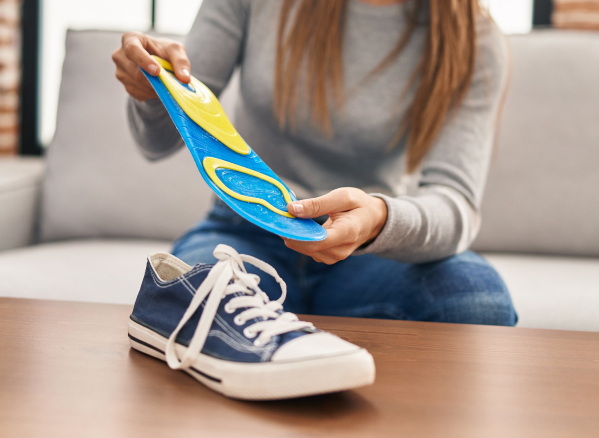
Yes, if the shoes have similar internal structures. Trim-to-fit insoles allow flexible adaptation, but always test comfort and stability before long-term use.
Slightly. Thick insoles may reduce available space and make shoes feel tighter. Select thinner models if your footwear already fits snugly.
Depending on activity and material, most last 6 to 12 months. PU and gel types generally last longer than soft foam designs.
Yes. Custom designs optimize pressure distribution and postural correction, ideal for athletes and individuals with foot concerns.
Hand wash with mild detergent, let them air-dry, and avoid direct sunlight or heat. Clean weekly to extend lifespan and freshness.
1. American Podiatric Medical Association – Foot Health and Orthotics Guidelines
2. Footwear Science Journal – “Biomechanics of Insole Design” (2024 Edition)
3. Material Science Review – “Polyurethane and EVA in Footwear Technology”
4. Global OEM Footwear Market Report – China Manufacturing Trends (2025)
5. Sports Medicine Research Center – “Effect of Insoles on Human Gait and Comfort”


