
Language
Views: 222 Author: Edvo Publish Time: 2026-01-24 Origin: Site


Content Menu
● Understanding the Problem: When Shoes Are Too Big
● How a Shoe Insole Solves Oversized Shoe Problems
● Different Types of Shoe Insoles to Consider
>> 5. Full-Length and Half-Length Insoles
>> 6. Heel Grips and Toe Inserts
● Choosing the Right Insole Thickness
● How to Install and Adjust an Insole for Oversized Shoes
● The Role of Insole Materials in Fit and Comfort
● Benefits of Using Shoe Insoles in Large Shoes
● Limitations: When Insoles May Not Help
● Additional Fit Adjustment Tips
● Innovation in Modern Shoe Insole Design
● The OEM Advantage in Shoe Insole Manufacturing
● FAQ
>> 1. How much size difference can a Shoe Insole fix?
>> 2. Should I remove the old insole before inserting a new one?
>> 3. How often should I replace my Shoe Insoles?
>> 4. Are Shoe Insoles effective for high heels or dress shoes?
>> 5. Can Shoe Insoles fix shoes that are too small?
Finding the perfect shoe size can be surprisingly difficult. Even small variations between brands can leave you with shoes that feel loose or unstable. Oversized shoes not only look awkward but can also cause long-term foot strain and discomfort. Fortunately, a simple Shoe Insole can often solve this issue, offering both comfort and support.
This guide explains how Shoe Insoles help correct loose footwear, what types exist, how to fit hem properly, and when they may not be suitable. Whether you're a runner, office worker, or fashion-conscious buyer, understanding how insoles work can save both your feet and your wallet.
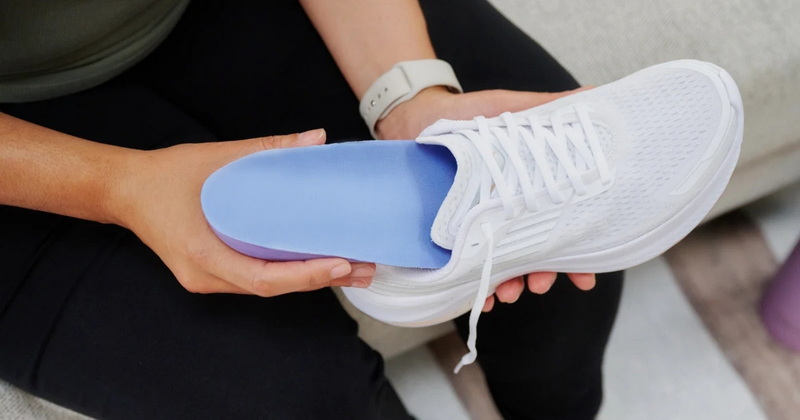
Shoes that are even half a size too large can create multiple short- and long-term issues. Your foot slides forward with every step, your heels lift out of the back, and pressure points develop in unexpected places. This constant movement also breaks down the shoe's internal structure faster, wearing them out prematurely.
An oversized shoe can cause the following problems:
- Friction and blisters: Your foot rubs against the shoe interior, creating painful hotspots.
- Poor stability: A loose fit compromises balance and support while walking or running.
- Altered gait: You unconsciously adjust your stride to compensate, which may strain knees or hips.
- Reduced energy efficiency: Wobbling inside your shoe wastes movement and increases fatigue.
A Shoe Insole serves as an internal adjustment layer that fills this extra space, enhances fit, and improves comfort, all without damaging the original shoe.
A Shoe Insole modifies the internal volume of a shoe and enhances its ergonomics. It's a low-cost, removable component that can make a noticeable difference in fit and stability.
Here's how an insole helps when your shoes are too roomy:
- Space adjustment: It fills the gap under your foot to minimize movement.
- Heel lift: Thicker heel sections prevent slipping at the back.
- Impact protection: Cushioning absorbs shock, enhancing comfort while walking.
- Stability boost: Structured insoles reinforce balance for long days on your feet.
- Customization: Trimmable shapes let you fine-tune fit and pressure zones.
By targeting these performance areas, an insole converts a slightly loose shoe into a secure, supportive one that still feels natural to wear.
Not all insoles are equally effective when dealing with oversized footwear. The ideal Shoe Insole depends on material composition, purpose, and shoe type.
These soft, lightweight inserts provide moderate cushioning and take up minor extra space. Ideal for sneakers or casual shoes that are only slightly big.
Gel insoles use silicone-like material for excellent shock absorption. They prevent sliding within the shoe and help stabilize active movement, especially in sports footwear.
Orthotic or arch-support insoles focus on posture correction. While designed to relieve foot pain, they also fill space and keep your feet positioned properly inside loose shoes.
These conform to the unique shape of your feet, offering a personalized fit. A memory foam Shoe Insole is particularly effective for half-size adjustments and comfort upgrades.
A full-length Shoe Insole adjusts both front and rear fit simultaneously.
A half-length insole targets one section—either beneath the heel or the arch—for tailored support without squeezing the toe box.
When shoes only feel slightly oversized, heel grips or toe inserts provide specific spot corrections. They are subtle, affordable, and ideal for dress shoes or high heels.
Selecting the proper insole thickness determines how well your oversized shoes will fit after adjustment:
- Thin insoles (2–3mm): Suitable for minor fit corrections or tight-fitting shoes.
- Medium insoles (4–6mm): Balance of comfort and space absorption for moderate looseness.
- Thick insoles (7mm+): Best for very roomy shoes like boots or sports sneakers.
Start with a medium-thickness Shoe Insole and adjust upward if your shoes remain too loose after testing.
Fitting a Shoe Insole correctly ensures maximum effectiveness. Follow these steps for a comfortable, secure fit:
1. Remove the old liner. Take out any factory insole inside the shoe to free up space.
2. Position and trim. Place the new insole inside the shoe, mark alignment points, and trim along guidelines to fit snugly.
3. Secure placement. Make sure the insole lies flat without bunching or curling at the edges.
4. Walk test. Walk for a few minutes to confirm heel stability and toe placement.
5. Pair with accessories if needed. Add heel cups or toe fillers for precise adjustments.
With the right fit, a Shoe Insole can effectively transform oversized shoes into comfortable, wearable pairs.
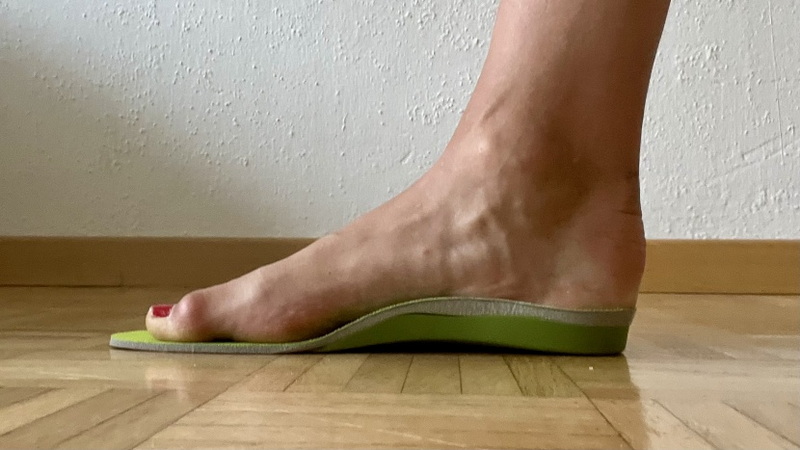
Even a high-quality insole won't work if positioned or chosen incorrectly. Avoid these errors:
- Layering multiple insoles inside one shoe.
- Choosing arch shapes that don't match your foot type.
- Using ultra-thick insoles that make the shoe too tight.
- Leaving the factory liner underneath the new insert.
- Neglecting to replace worn-out insoles periodically.
Avoiding these mistakes ensures your Shoe Insole performs as intended—improving your shoe's comfort without compromising structure.
The material composition directly impacts both space correction and foot comfort. Here's what each option offers:
- EVA foam: Lightweight, resilient, and ideal for sports or work shoes.
- Memory foam: Adapts precisely to your foot's contour for tailored comfort.
- Latex foam: Soft with a springy feel, perfect for daily casual use.
- Leather: Durable, thin, and elegant for dress or business shoes.
- Gel polymer: High shock absorption for active wearers.
Each type gives your Shoe Insole a unique performance personality, so switch materials depending on your shoes or activities.
A Shoe Insole not only rescues loose shoes but also offers broader benefits:
- Improved posture due to proper foot support.
- Enhanced energy efficiency by minimizing slippage and wasted effort.
- Blister prevention through reduced movement within the shoe.
- Increased footwear lifespan thanks to balanced weight distribution.
- Custom comfort without needing special manufacturing.
Insoles essentially personalize your footwear—turning oversized, mass-produced shoes into supportive custom fits.
There are cases where even the best Shoe Insole can't fully correct the problem. For example:
- Shoes that are more than one full size larger.
- Structural shoes like high heels, where insole depth changes balance.
- Footwear with fixed liners that can't be removed.
- Styles where fit depends on tight ankle wrapping, such as boots or skates.
When your shoes are far too large, replacing or resizing is the only long-term solution.
Complement your Shoe Insole with these fit adjustment strategies for optimal results:
- Thicker socks: Ideal for cold-weather shoes or boots to fill mild extra space.
- Tongue pads: Effective in sneakers or loafers to prevent forward sliding.
- Heel grips: Keep heels secure and eliminate gaps.
- Alternate lacing methods: Adjusting tension around the midfoot can lock the heel properly.
- Strategic combinations: Pair full insoles with targeted accessories for precision fitting.
These finer points may seem small individually, but collectively they turn loose-fitting footwear into a secure, comfortable experience.
Thanks to technological developments, today's Shoe Insoles are more advanced than ever. Many insoles are designed with 3D contour mapping and multi-zone support systems. These modern products distribute pressure evenly, regulate temperature, and even incorporate antimicrobial layers to reduce odor.
Manufacturers now use digital molds to match the human arch shape precisely. Some also experiment with carbon fiber reinforcement for durability without bulk. Others blend recycled foam materials to create eco-friendly insoles offering the same comfort performance as traditional ones.
As sustainability becomes more important, demand for long-lasting, recyclable Shoe Insoles continues to rise—particularly in global OEM markets that need consistent quality standards.
As one of China's leading Shoe Insole manufacturers, we specialize in OEM services for international brands, wholesale distributors, and footwear producers. Our factories use precision injection processes, recycling systems, and multi-density foam molding to deliver professional-grade comfort inserts.
Global clients partner with us to:
- Customize design, thickness, and logo printing.
- Match insole specifications with shoe architecture for seamless compatibility.
- Produce eco-conscious insoles that meet European and American market certifications.
- Enhance customer satisfaction with comfortable, supportive footwear solutions.
By collaborating with our OEM team, brands ensure every Shoe Insole pairs functionality with sustainability—meeting the rising global demand for performance and responsibility.
So, do insoles help with shoes that are too big? Yes—they absolutely do. When selected thoughtfully, Shoe Insoles adjust interior space, stabilize your feet, and provide comfort throughout the day. The right insole transforms oversized footwear from a frustration into a functional, supportive part of your wardrobe.
While not a cure-all for every size mismatch, insoles remain one of the most effective, low-cost solutions available. From durable orthotic inserts to plush foam options, there's a Shoe Insole for every shoe type and wearer. Choose carefully, test thoroughly, and enjoy shoes that fit like they were made just for you.
Contact us to get more information!
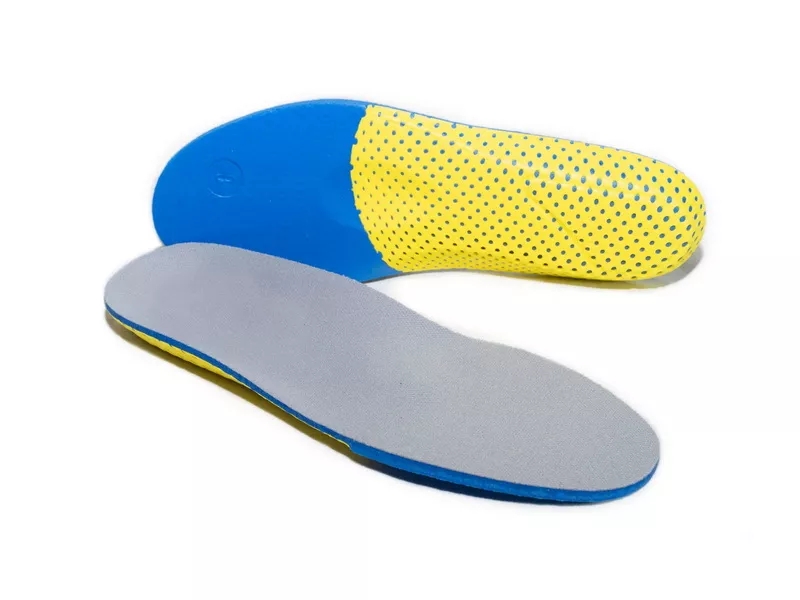
A quality Shoe Insole can generally fix up to half or one full size of looseness, depending on its thickness and material.
Yes. Removing the factory liner allows the new Shoe Insole to sit flat, improving comfort and reducing excessive tightness.
Typically every 6–12 months, or sooner if cushioning wears down or odor develops. Regular replacement keeps your shoes supportive and fresh.
They can help with minor looseness, but thickness must be minimal to avoid altering shoe balance. Leather or slim gel insoles work best.
No. Insoles are designed to fill extra space, not stretch tight shoes. To fix small shoes, use shoe stretchers or visit a cobbler for adjustments.
1. American Podiatric Medical Association – Insole Fit Recommendations.
2. Footwear Science Journal – Comfort and Pressure Distribution Studies.
3. Sustainable Footwear Manufacturing Reports – 2025 Market Trends.
4. National Foot Health Assessment Survey – Footwear Sizing Data.
5. Global OEM Manufacturing Standards for Insoles – ISO Quality Guidelines.


