
Views: 222 Author: Edvo Publish Time: 2026-01-27 Origin: Site


Content Menu
● Understanding the Role of Shoe Insoles
● Do Insoles Make Your Shoes Tighter?
● Types of Insoles and Their Effects on Fit
>> Gel Insoles
>> Arch Support and Heel Lift Insoles
● Recognizing When Your Insoles Are Too Tight
● How to Prevent Shoes from Feeling Too Tight
>> 1. Choose the Correct Thickness
>> 2. Remove the Original Insoles
>> 3. Buy Slightly Larger Shoes
● How Shoe Material and Design Influence Fit
● Importance of OEM Manufacturing in Fit Optimization
● Benefits of Using the Right Insoles
● How to Choose the Right Insole for Your Shoes
>> Step 1: Identify Your Foot Type
>> Step 2: Define Your Shoe Purpose
>> Step 4: Test Before Extended Use
>> Step 5: Maintain and Replace Regularly
● Common Mistakes When Using Insoles
● Can Insoles Make Old Shoes Feel New Again?
● FAQ
>> 1. Do all insoles make shoes tighter?
>> 2. Can I remove my shoe's built-in insole to make space?
>> 3. What should I do if my insoles feel too tight?
>> 4. How often should I replace my insoles?
>> 5. What are OEM insoles, and how do they differ?
When you place a new pair of shoe insoles inside your footwear, you may immediately notice a difference in how your shoes fit. Some feel snugger and more supportive, while others feel restrictive or tight. Understanding how and why this happens is essential for achieving long-lasting comfort and performance.
As a leading OEM insole manufacturer based in China, supplying global footwear brands, wholesalers, and producers, we have extensive experience studying how Shoe Insoles influence shoe fit, comfort, and function. This guide will help you understand the relationship between insole design and shoe tightness, offering practical advice for choosing the right insole for your needs.
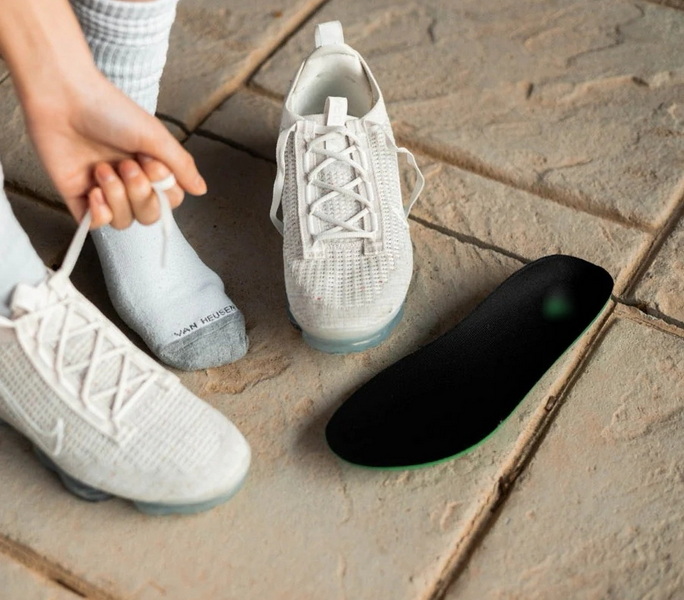
Shoe insoles—also known as footbeds or inserts—are the removable layers placed inside shoes to provide cushioning, stability, and support. While most shoes come with a basic insole, these stock versions often lack targeted features such as arch support or shock absorption. Replacing or upgrading them can transform how your footwear feels.
Insoles serve several important purposes:
- Cushioning: Reduces impact from walking, running, or standing on hard surfaces.
- Support: Helps align the arch, heel, and forefoot to reduce strain.
- Balance and stability: Enhances walking posture and prevents slippage.
- Odor and moisture control: Materials like EVA or PU foam can reduce sweat buildup and improve hygiene.
Whether designed for sports, work, or medical support, a properly chosen Shoe Insole enhances comfort and performance — but it may also subtly change the interior dimensions of your shoes.
Generally speaking, yes, adding an insole can make your shoes tighter. However, the level of tightness varies significantly depending on the shoe's internal volume, the insole's thickness, and material properties.
If your shoes are already a perfect fit, even a thin insole may make them feel more snug. Conversely, if your shoes are slightly large or loose, inserting an insole can actually improve fit and prevent slipping.
Several factors influence the degree of tightness:
1. Insole thickness: Thicker foam or gel inserts take up more space and raise the foot higher within the shoe.
2. Material density: Stiffer materials such as cork or orthopedic plastic reduce flexibility and increase tension.
3. Foot shape and size: High arches or wide feet are more sensitive to volume reductions.
4. Original shoe fit: If your shoe already hugs your feet closely, even a small addition makes a noticeable difference.
The key to avoiding discomfort lies in selecting Shoe Insoles that match your foot anatomy and shoe design harmoniously.
Not all insoles are the same. Each type provides distinct benefits and impacts the feel of your shoes differently.
Made primarily from EVA or PU foam, cushion insoles are thin, flexible, and designed for comfort rather than correction. They compress easily under weight, minimally affecting shoe space while offering superior shock absorption.
These are thicker and more structured to correct biomechanical imbalances such as overpronation or flat feet. Because they include raised arches and heel cups, orthopedic insoles often make shoes tighter unless you compensate with slightly larger footwear.
Gel-infused insoles mold gently to the contours of your feet and deliver soft, flexible cushioning. While comfortable, their base layer still adds noticeable volume, particularly in tight-fitting athletic shoes.
Preferred in formal footwear for their durability and moisture absorption, these insoles are firm and breathable but typically reduce internal room. Over time, however, natural materials like leather stretch and adapt to your foot's shape.
As the name suggests, these specialized Shoe Insoles elevate specific areas like the heel or arch. Because of their height or structured pads, they change fit significantly and can create tight spots unless used in roomier shoes.
Each material and design alters not only comfort but the perceived tightness of your shoes. Choosing correctly ensures support without restriction.
You can usually tell immediately if your new Shoe Insole makes your shoes too tight. Nonetheless, some symptoms take time to notice after extended wear:
- Toes feel cramped or bend unnaturally when walking.
- You experience pressure on your instep or arch.
- Heel movement becomes restricted, causing friction or blisters.
- Shoelaces must be loosened significantly to achieve comfort.
- Numbness or tingling develops after longer use.
When these signs appear, it's best to revisit your insole choice. Sometimes all you need is trimming along the edges or removing the original insole to restore balance.
If your insoles make your shoes uncomfortable, you can adjust them without sacrificing support. Here are effective ways to maintain comfort:
Before purchasing, determine whether your shoes have space for thicker insoles. For snug designs, use low-profile or half-length insoles that add cushioning without crowding your toes.
Most shoes come with removable footbeds. By taking them out, you create extra internal room for your replacement Shoe Insole and prevent unnecessary tightness.
If you often wear orthopedic or full-cushion insoles, consider buying a half-size larger shoe to balance out the additional height and padding.
Heat-moldable or memory foam insoles adapt precisely to your foot's contours, optimizing comfort and space management simultaneously.
Designs with trim lines let you cut around the toe perimeter for a perfect fit. This minimizes bunching or pressure around the front of your shoe.
Small adjustments like these ensure your shoes remain supportive and breathable, even with added insoles.
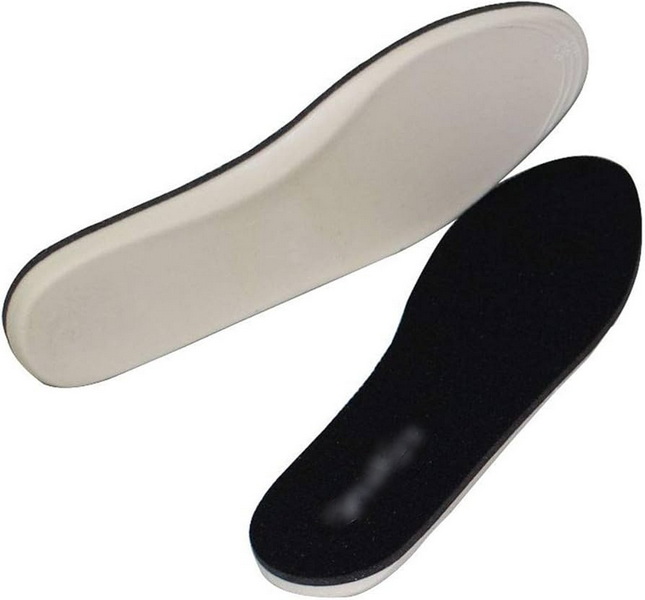
The way insoles interact with your shoes also depends on what your shoes are made of:
- Leather shoes: These tend to stretch over time, allowing insoles to fit better after several wears.
- Mesh or knit shoes: The flexible upper material adapts easily to a new Shoe Insole, minimizing tightness.
- Synthetic or molded designs: Athletic shoes with rigid structures may magnify the effect of thicker insoles.
- Work boots: Deeper interiors and removable liners usually accommodate bulkier insoles easily.
Understanding these differences helps you make better footwear and insole combinations for comfort and durability.
At the OEM production level, every Shoe Insole is engineered with precise control over material composition, hardness, and shape. As a professional Chinese manufacturer collaborating with international brands, our mission is to ensure components improve comfort without altering the shoe's intended fit.
Key design and production considerations include:
- Material balance: EVA and latex foams create softness, while TPU and gel layers increase resilience.
- Thickness calibration: Each style is measured in millimeters to guarantee optimal balance between support and space.
- Foot shape compatibility: Custom tooling molds ensure accurate toe and heel alignment across global size standards.
- Ventilation and odor control: We embed antibacterial fabrics or perforation channels to maintain air circulation.
Our OEM partners can customize density, compression recovery, and even arch contour to meet various market requirements while ensuring consistent comfort and fit.
The right Shoe Insole provides measurable benefits for both comfort and performance:
- Posture improvement: Better foot alignment reduces knee and lower back strain.
- Shock absorption: Minimizes stress on ankles and heel during long periods of standing or walking.
- Enhanced shoe support: Prevents deformation and extends shoe lifespan.
- Odor and sweat prevention: Many materials wick away moisture for a fresher feel.
- Injury prevention: Reduces blisters, plantar fasciitis, and ligament fatigue risks.
These advantages highlight why strategic use of insoles should be part of every footwear design or purchase decision.
Here's a step-by-step process to help you select the most suitable Shoe Insoles:
Determine if you have flat feet, high arches, or neutral arches. Flat feet require structured arch support; high-arched feet need more cushioning.
Work boots and safety shoes need durable, anti-fatigue insoles. Running shoes should focus on after-impact cushioning, flexibility, and lightweight performance.
If your shoes offer limited depth, go for low-volume inserts. For roomy or wider shoes, medium or full-volume insoles can optimize contact and stability.
Always test insoles indoors for one or two hours. This trial helps detect pressure points or tight spots early.
Even high-quality insoles compress over time. Replace them every 6–12 months for consistent support and fit.
By choosing carefully, you'll enjoy superior comfort without making your shoes uncomfortably tight.
Many people unknowingly misuse their Shoe Insoles, which leads to discomfort and poor shoe fit. Avoid these frequent errors:
- Using double insoles to add more comfort or height — this usually causes tightness and reduces foot stability.
- Ignoring size labels — mismatched insoles and shoe sizes can distort the interior shape.
- Skipping trimming — untrimmed insoles can fold or press against the toe box.
- Prolonged use of worn-out insoles — old insoles lose cushioning and no longer fit as expected.
- Overlooking material differences — soft foam and firm cork provide different support types and space requirements.
When used properly, insoles protect your feet without causing tightness or pain.
Absolutely. A high-quality Shoe Insole can rejuvenate an older pair of shoes by restoring support, cushioning, and balance. Over time, the midsole and insole of shoes compress, losing their original shape. Replacing them with new insoles can:
- Reduce internal gaps caused by material compression.
- Restore comfort and shock absorption.
- Enhance grip and reduce slipping.
- Prolong shoe life by distributing pressure more evenly.
For brands and users alike, this means greater sustainability and reduced waste — all through a simple insole upgrade.
So, do insoles make your shoes tighter? The answer depends on how they interact with your shoes' design, materials, and your individual foot shape. While thicker or rigid insoles can reduce internal space, the right model improves comfort, enhances support, and often corrects fit problems in loose shoes.
A well-designed Shoe Insole should harmonize with your footwear, aligning the foot naturally while maintaining comfort. Whether you are a consumer seeking better performance or a brand sourcing OEM insole solutions, understanding these nuances ensures shoes that feel supportive, balanced, and perfectly fitted.
Contact us to get more information!
No. Thin or low-profile Shoe Insoles generally maintain the same fit, while thicker orthopedic types may slightly reduce room.
Yes. Removing the existing insole helps accommodate a new insert without making your shoe too tight.
Try trimming them slightly, loosening your laces, or choosing thinner versions designed for low-volume shoes.
For daily use, replace your Shoe Insoles every 6–12 months or once you notice reduced cushioning and odor buildup.
OEM Shoe Insoles are factory-designed inserts customized for specific shoe models or brands, ensuring precise fit, shape, and function that retail after-market insoles may lack.
1. American Podiatric Medical Association (APMA) – *Benefits of Proper Foot Support*
[https://www.apma.org](https://www.apma.org)
2. Footwear Insight Journal – *Insole Design and Shoe Fit Studies*
[https://footwearinsight.com](https://footwearinsight.com)
3. The Shoe Industry Manufacturer's Guide – *OEM Insole Production Standards*
[https://shoemanufacturingguide.com](https://shoemanufacturingguide.com)


