


Content Menu
● Benefits of Orthotic Inserts
● Orthotic Inserts vs. Regular Shoe Insoles
● Scientific Evidence on Orthotic Effectiveness
● Who Should Use Orthotic Inserts?
● How to Choose and Use Orthotic Inserts
● Incorporating Orthotic Inserts in Daily Life
● Potential Limitations and Considerations
● Frequently Asked Questions (FAQs)
>> 1. What is the difference between orthotic inserts and regular insoles?
>> 2. How long do orthotic inserts last?
>> 3. Can orthotic inserts help with knee or back pain?
>> 4. Are over-the-counter orthotic inserts effective?
>> 5. How should I break in new orthotic inserts?
Orthotic inserts have gained significant popularity as a solution to various foot problems, offering support and comfort to millions worldwide. But the question remains: Do orthotic inserts really work? In this article, we dive deep into the world of orthotic inserts to uncover their effectiveness, types, benefits, and the science behind them. Whether you are a brand, wholesaler, or manufacturer looking to understand the value of orthotic inserts, this comprehensive guide will provide valuable insights.
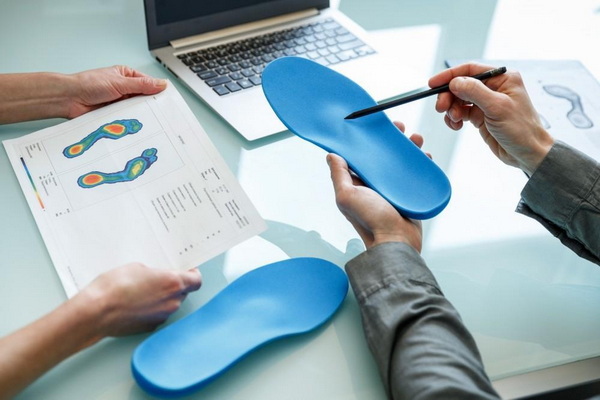
Orthotic inserts are specialized devices worn inside footwear designed to support, align, or improve the function of the foot. Unlike ordinary shoe inserts available over the counter, orthotic inserts are often custom-made based on a person's unique foot structure and biomechanics, addressing issues beyond mere comfort.
Orthotic inserts generally fall into two broad categories:
- Rigid or Functional Orthotics: Made from materials like plastic or carbon fiber, these inserts control foot motion and help align the foot correctly. They are ideal for correcting biomechanical problems affecting walking or running gait.
- Soft or Accommodative Orthotics: Made from softer materials, these provide cushioning and comfort, often used to relieve pressure on painful areas due to conditions such as plantar fasciitis or diabetic foot ulcers.
The primary function of orthotic inserts is to correct abnormal foot mechanics by redistributing pressure across the foot and improving alignment. Many foot and lower limb problems arise from misaligned feet, which can lead to pain in not only the foot but also the knees, hips, and lower back. By providing proper support, orthotic inserts ease muscle strain, reduce inflammation, and help prevent excessive wear.
Foot specialists, like podiatrists, often conduct thorough assessments including 3D scanning and gait analysis to design orthotic inserts tailored to individual needs. This personalized approach makes orthotic inserts far more effective than generic shoe inserts.
Orthotic inserts offer a wide range of benefits supported by clinical studies and expert opinions:
- Pain Relief: Orthotic inserts can alleviate common foot problems such as plantar fasciitis, heel spurs, bunions, flat feet, and Achilles tendinitis by providing arch support and cushioning.
- Improved Posture and Alignment: By correcting foot position, orthotic inserts promote better posture and reduce strain on joints, helping diminish pain in knees, hips, and back.
- Enhanced Comfort and Reduced Fatigue: Long hours of standing or walking can cause foot fatigue. Orthotics reduce this fatigue by adding cushioning and supporting the foot's natural structure.
- Injury Prevention: Custom orthotics can prevent overuse injuries like shin splints and stress fractures by stabilizing the foot during movement.
- Management of Chronic Conditions: Orthotic inserts assist in managing diabetes-related foot complications and arthritis by distributing pressure more evenly and minimizing tissue damage.
- Enhanced Athletic Performance: By supporting proper foot mechanics, orthotic inserts can improve balance and stability, allowing athletes to perform better and reduce injury risks.
- Long-Term Joint Health: Proper foot alignment helps protect joints from abnormal wear, potentially reducing the risk of osteoarthritis in weight-bearing joints like knees and hips.
It is critical to understand how orthotic inserts differ from regular shoe insoles, as many people confuse the two. Orthotic inserts are scientifically designed to address underlying foot function and structure, while regular insoles serve primarily as cushioning for comfort.
Regular shoe insoles are readily available and usually made from foam or gel, providing a soft layer inside the shoe to improve comfort but without correcting foot mechanics. Orthotic inserts, however, are made from specialized medical-grade materials, designed to control motion and redistribute pressure in specific areas of the foot.
Custom orthotics require professional foot assessment, involving measurements and gait analysis, enabling a precise fit tailored to the individual's needs. This ensures targeted support, reducing foot and lower limb pain and improving biomechanics, which off-the-shelf insoles cannot achieve.
Numerous studies validate the effectiveness of orthotic inserts for various conditions:
- Research on long-distance runners revealed that about 75.5% of participants experienced substantial symptom relief or complete recovery through orthotic use. Particularly, orthotics corrected excessive pronation and other biomechanical issues, highlighting their practical benefits for athletes.[1]
- Orthotic inserts have also been shown to decrease the incidence of injuries by providing better foot stabilization and distributing mechanical forces more evenly during walking or running.[2][3]
- Clinical trials suggest that orthotics can reduce plantar pressure, a critical factor in preventing diabetic foot ulcers and aiding ulcer healing.[4]
- Biomechanical studies observe improvements in gait and posture, which in turn can lead to decreased knee and lower back pain when orthotic inserts are consistently used.[5][6]
- While some debate exists about the ability of orthotics to permanently realign skeletal structures, their short-term and medium-term benefits in managing pain and improving function are well documented.[7][8]
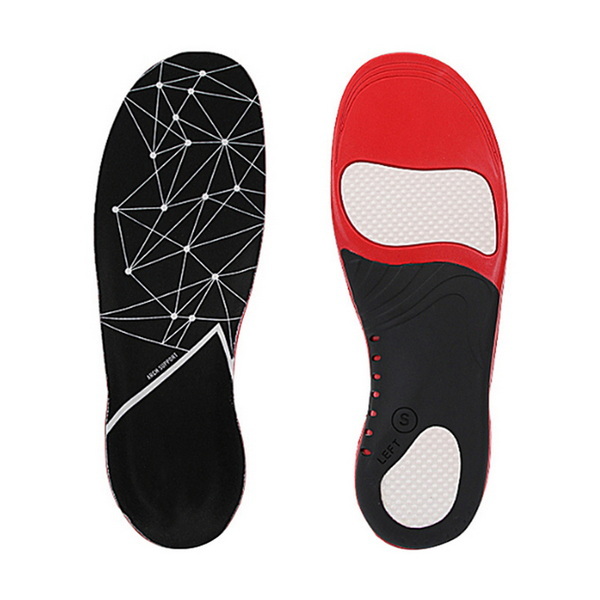
Orthotic inserts are recommended for anyone experiencing persistent foot discomfort or those diagnosed with certain foot and lower limb conditions. Specific groups benefitting most include:
- Individuals with plantar fasciitis, heel spurs, or chronic arch pain
- People with flat feet, high arches, or other foot deformities affecting gait
- Those suffering from knee, hip, or lower back pain tied to foot mechanics
- Diabetic patients at risk of foot ulcers needing pressure redistribution
- Athletes aiming to enhance performance while reducing injury risks
- Elderly individuals needing extra support to maintain balance and mobility
Over-the-counter inserts may temporarily address minor discomfort, but persistent or complex biomechanical issues require professional evaluation for fitting custom orthotic inserts for optimal effectiveness.[9]
Selecting the right orthotic inserts involves several important steps:
- Consult a Specialist: Visiting a podiatrist or certified orthotist ensures a comprehensive foot exam including scans and gait assessments to design inserts that correct specific issues.
- Determine Purpose: Orthotic inserts vary by use—daily wear orthotics differ from those made for sports or occupational requirements, so matching the insert to the activity is vital.
- Gradual Break-In: Feet need time to adjust to new support. It's advisable to wear orthotics a few hours daily initially, gradually increasing usage.
- Maintenance and Follow-Up: Periodic reassessment can adjust the fit or accommodate changes in activity level or foot condition, ensuring sustained benefits.
- Quality Materials: Durable medical-grade materials such as thermoplastics or carbon fiber enhance longevity and performance of orthotics.
- Proper Footwear Compatibility: Orthotics are most effective when used with shoes that have removable insoles and enough space to accommodate them without discomfort.
Orthotic inserts can seamlessly blend into everyday footwear, from casual shoes to work boots and athletic sneakers. Comfort combined with clinical benefits makes their adoption easier, especially when one experiences noticeable relief from pain or discomfort.
For athletes, orthotics support optimal foot alignment to enhance balance, empower explosive movements, and reduce injury risk. Many runners find orthotic inserts indispensable for maintaining foot health through intense training.
Workers standing for extended periods or those in physically demanding roles gain reduced fatigue and pain with proper support, improving productivity and quality of life.
While orthotic inserts work well for many users, they are not a universal cure-all. Some important considerations include:
- Adjustment Period: Some users might initially experience discomfort until feet adapt.
- Not a Substitute for Proper Footwear: Orthotics complement but do not replace the need for appropriate shoes.
- Cost and Accessibility: Custom orthotics can be more expensive than generic insoles.
- Conditions Requiring Additional Treatment: Severe deformities or chronic conditions may need combined therapy with physical rehabilitation or surgery.
Orthotic inserts offer a scientifically backed, effective approach to addressing a wide range of foot and lower limb problems. They improve foot biomechanics, alleviate pain, reduce fatigue, and prevent injuries, ultimately enhancing overall mobility and quality of life. While over-the-counter insoles might help in mild cases, investing in high-quality, custom orthotic inserts provides targeted support based on individual needs and medical evaluation, ensuring more reliable and lasting benefits. For manufacturers and providers, understanding the extensive advantages of orthotic inserts helps in delivering products that truly make a difference in customers' health and comfort.
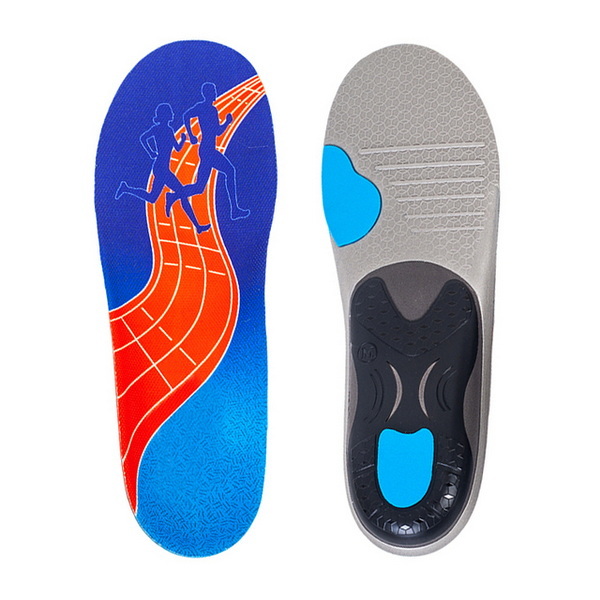
Orthotic inserts are custom-designed to correct foot biomechanics and improve alignment, whereas regular insoles mainly provide cushioning and comfort without addressing structural or functional issues.[10][5]
Custom orthotic inserts typically last between 3 to 5 years depending on materials and usage, while generic insoles generally have a shorter lifespan.[4][9]
Yes. By improving foot alignment and reducing abnormal stress on joints, orthotic inserts can alleviate pain in the knees, hips, and lower back.[6][5]
They can relieve mild discomfort or foot fatigue but may not correct more complex biomechanical problems that require professionally made orthotics.[8][9]
Begin wearing them for a few hours each day and gradually increase the duration to allow your feet to adjust comfortably without irritation.[5]
[1](https://pubmed.ncbi.nlm.nih.gov/1897659/)
[2](https://hmccentre.com/benefits-of-custom-orthotics-you-should-know-about/)
[3](https://www.frontiersin.org/journals/bioengineering-and-biotechnology/articles/10.3389/fbioe.2024.1435554/full)
[4](https://www.footcarescotland.co.uk/do-orthotics-work/)
[5](https://www.algeos.com/company-news/post/algeos-product-guides/orthotic-insoles-examined)
[6](https://treadlabs.com/blogs/insoles-reach-your-stride/the-cost-of-custom-orthotics)
[7](https://www.bannerhealth.com/healthcareblog/better-me/are-over-the-counter-insoles-a-waste-or-worth-it)
[8](https://www.webmd.com/pain-management/what-are-shoe-orthotics)
[9](https://www.drscholls.com/blogs/expert-advice/the-difference-between-orthotics-insoles-and-shoe-inserts)
[10](https://my.clevelandclinic.org/health/treatments/orthotics)
[11](https://boynerclinic.com/how-orthotic-insoles-can-transform-your-foot-health/)
[12](https://klmlabstore.com/blogs/blog/4-long-term-benefits-of-using-custom-orthotic-inserts)
[13](https://www.woodlandssportsmedicine.com/blog/5-benefits-of-custom-orthotics)
[14](https://www.neufoot.com/blog/what-are-orthotics-and-why-should-you-use-them)
[15](https://www.flawlessfeet.net/blog/7-key-benefits-of-using-prescription-orthotics)
[16](https://pubmed.ncbi.nlm.nih.gov/10416543/)
[17](https://www.footandankleofthecarolinas.com/step-into-comfort-the-benefits-of-custom-orthotics)
[18](https://thefootpractice.com/orthotic-insoles/)
[19](https://www.eriepodiatrists.com/blogs/item/53-the-benefits-of-wearing-orthotics-while-running)
[20](https://www.reddit.com/r/RunningShoeGeeks/comments/tydbu3/opinions_on_insoles_and_orthotics/)


