
Language
Views: 222 Author: 3BU Technology Publish Time: 2026-06-15 Origin: Site


Content Menu
● How Do Copper Insoles Work? (What We Know and Don't Know)
>> 1. Local Copper Exposure and Absorption
>> 2. Anti‑Inflammatory Properties of Copper
>> 3. Comfort, Support and Placebo Effects
● Do Copper Insoles Really Work? A Balanced Look at Evidence
>> Clinical and Observational Evidence
● Are There Any Risks in Using Copper Insoles?
● Copper Insoles and Rheumatoid Arthritis: What Customers Expect
● Key Design Features of High‑Quality Copper Insoles
>> Comfort and UX Considerations
● Practical Tips: How End Users Should Use Copper Insoles
● OEM & Private Label Opportunities with Copper Insoles
>> Why Copper Insoles Are Attractive for B2B Buyers
>> How 3BU Technology Supports Copper Insole OEM Projects
● Content and Branding Tips for Copper Insole Sellers (E‑E‑A‑T Friendly)
>> Ways to Demonstrate Experience and Expertise
>> Building Authoritativeness and Trust
● When Should Users Consider Copper Insoles?
● Call to Action: Partner with 3BU Technology for Copper Insole OEM Solutions
Copper insoles have evolved from a traditional arthritis remedy into a modern comfort and wellness product used by everyday consumers and specialty footwear brands worldwide. As a footwear UX advisor, I see copper insoles playing an important role in product differentiation, especially for brands targeting comfort, wellness and senior audiences. [blog.saleslayer]
In this guide, we will explain how copper insoles work, what current evidence and user feedback really say, and how brands, wholesalers and manufacturers can leverage copper insole OEM solutions from suppliers like 3BU Technology to build better products.
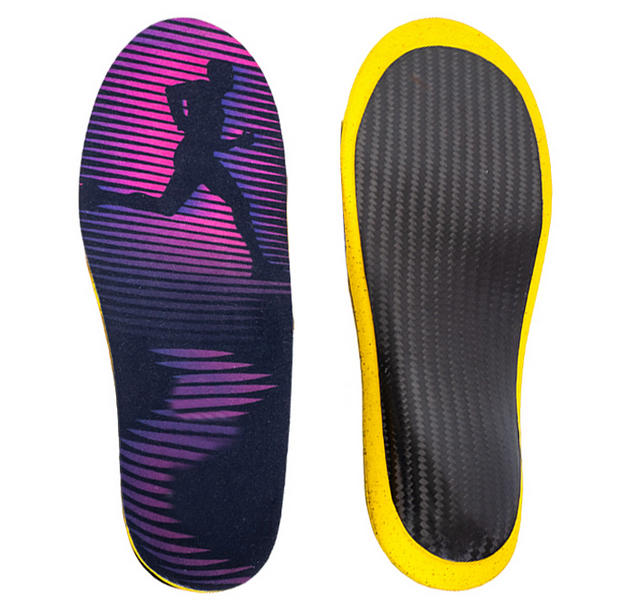
Copper insoles are shoe inserts that incorporate copper – usually in the form of copper fibers, copper threads, copper-coated elements or copper-infused foams – into the insole structure. They are primarily marketed to people with joint pain, rheumatoid arthritis (RA), general foot fatigue and odour concerns. [blog.saleslayer]
From a product design perspective, copper insoles typically combine:
- A supportive base layer (EVA, PU, latex or hybrid foams).
- Copper-containing components closer to the skin (top cover fabrics, mesh, yarns, films or plating).
- Optional arch support, heel cups or metatarsal pads for enhanced comfort. [gushwork]
The original article correctly notes that there is no single clear scientific explanation for why copper insoles may relieve joint pain, and that still holds true today. However, there are several widely discussed mechanisms and user-reported effects.
A leading hypothesis is that small amounts of copper may be absorbed through the skin of the feet, contributing to the body's copper levels. Copper is involved in:
- Formation of red blood cells.
- Supporting healthy blood vessels and bone structure.
- Acting as a co-factor in enzymes related to inflammation.
As people age, the body's ability to absorb minerals may decline, and some older adults are believed to have lower copper levels. Copper insoles are marketed as a way to gently rebalance copper exposure through daily wear. Scientific evidence for the degree of absorption via feet, however, remains limited.
There is mounting evidence that copper can exert anti‑inflammatory effects in certain contexts, which aligns with long-standing traditional use for joint pain and arthritis. For RA sufferers, any reduction in inflammation can translate into:
- Less joint stiffness in feet and ankles.
- Reduced pain during walking or standing.
- Improved ability to perform daily activities.
Still, most data around copper and inflammation come from laboratory and non-insole contexts, so current claims about copper insoles themselves should be presented as promising but not definitive. [stellarcontent]
From a user experience perspective, a well-designed copper insole also delivers classic insole benefits: cushioning, shock absorption, arch support and better in-shoe fit. [altitudemarketing]
Even without strong causal data on copper, users may feel better because:
- They are using new, cushioned insoles instead of worn-out footwear liners.
- They believe in the benefits of copper, which can amplify perceived improvement.
- The insole design itself improves weight distribution and reduces pressure points. [pdmautomotive]
The earlier article cited a small study by Professor Albert Singer at London's Whittington Hospital, where 96% of 230 arthritis sufferers reported an improvement in symptoms after using copper insoles. This is a striking figure, but there are important nuances.
- The Professor Singer study indicates a high level of user-reported improvement, but detailed methodology (control group, blinding, exact design) is not widely available in peer-reviewed form.
- Media coverage has highlighted cases such as a UK mother of three who trained for a half marathon after using copper insoles, and actress Kathleen Turner reporting pain relief. These stories are powerful but anecdotal.
- Organizations such as Arthritis Research UK have historically noted that scientific evidence for copper treatments is limited, while acknowledging that they are unlikely to cause harm and many sufferers report subjective benefit.
Aggregating typical user feedback across copper insole and copper heel products, users often report:
- Reduced morning stiffness in feet and ankles.
- Feeling able to walk longer distances or stand for longer periods.
- A sense of warmth and comfort around the joints.
- In some cases, no noticeable change, particularly when underlying arthritis is severe. [blog.saleslayer]
For footwear and insole brands, the message is clear: copper insoles can be marketed as a supportive, comfort-enhancing accessory with potential benefits for certain users, not as a guaranteed medical solution.
One key advantage of copper insoles, as the original content correctly highlighted, is that they are drug‑free. This makes them attractive to customers looking to avoid medication side effects or additional pills.
However, risk communication should also be clear and modern.
- Copper insoles are generally regarded as low-risk for most users.
- Even experts like Professor Alan Silman (former medical director at Arthritis Research UK) have historically suggested that while evidence is limited, copper treatments do not tend to cause harm, and some sufferers do report benefits.
- People with known copper allergies or metal contact dermatitis should avoid direct skin contact with copper-containing materials.
- Those with Wilson's disease or other rare disorders affecting copper metabolism should seek medical advice before prolonged exposure.
- Users with open sores or skin damage on the feet should consult a clinician before using any new insole, copper or otherwise. [stellarcontent]
For OEM brands and retailers, it is wise UX and legal practice to include clear disclaimers and encourage users to stop use if irritation occurs.
Worldwide, rheumatoid arthritis affects millions of people and is a chronic, inflammatory autoimmune condition that often attacks the joints of the feet. In markets like the UK, estimates have placed RA sufferers in the hundreds of thousands, and ageing populations mean demand for supportive comfort products is only increasing. [pdf.dfcfw]
From user interviews and reviews, RA and chronic joint pain customers typically look for:
- Everyday relief, not a cure – something they can comfortably wear all day.
- Easy integration into existing footwear (no need to buy new shoes immediately).
- Drug‑free, non‑invasive options they can try alongside physician-prescribed treatments.
- Products that feel reassuringly well-made and backed by an expert, transparent brand voice. [gushwork]
From an OEM manufacturing perspective, not all copper insoles are created equal. Brands that want to stand out should pay attention to design, materials and comfort engineering.
High-performing copper insoles usually include:
- Ergonomic contouring: Defined arch support, deep heel cup and appropriate forefoot flexibility.
- Multi-layer construction: Shock‑absorbing base, stabilizing midlayer and breathable top cover.
- Copper integration strategy: Copper-infused yarns in the top fabric, copper mesh layers or copper dots strategically placed under key pressure zones. [altitudemarketing]
- Moisture and odour control: Breathable fabrics and, in some cases, antimicrobial treatments to keep feet fresher.
To minimize returns and maximize long-term usage:
- Ensure smooth edge finishing to avoid rubbing and blisters.
- Offer multiple thickness options (e.g., slim fit for formal shoes, cushioned for sneakers).
- Provide clear size charts, trimming guidelines and break‑in instructions.
- Test the insole in real-world use cases (standing occupations, commuting, walking, light sports) and integrate user feedback into the next iteration. [altitudemarketing]
Manufacturers like 3BU Technology can help brands fine-tune these variables to match specific target markets, from senior wellness to work footwear.
Brands and OEM partners can significantly improve user satisfaction by providing simple, clear instructions. Here is a suggested set of best-practice steps for consumers.
1. Choose the right size
Select the insole size closest to your shoe size; if in doubt, choose slightly larger and trim. [altitudemarketing]
2. Trim for a precise fit
Use the original shoe insole as a template and trim from the toe area only, keeping the heel shape intact.
3. Introduce them gradually
Wear the copper insoles for 1–2 hours on the first day, then slowly increase to full-day use over a week.
4. Monitor comfort and skin reaction
If you notice redness, itching or discomfort, remove the insoles and consult a professional if symptoms persist. [stellarcontent]
5. Rotate and air-dry
Let insoles air-dry overnight outside the shoe; avoid direct high heat that can damage foams or adhesive.
6. Replace when worn
Most insoles should be replaced every 6–12 months depending on usage intensity and visible wear. [pdmautomotive]
Providing this kind of practical, step-by-step guidance in product packaging, websites and instruction leaflets builds trust and directly improves UX.
For overseas brands, wholesalers and footwear manufacturers, copper insoles are more than a wellness trend: they are a strategic product line that can support differentiation in saturated footwear markets. [hector-lopez]
- Growing wellness and active ageing markets create a receptive audience for gentle, comfort‑oriented solutions.
- Copper insoles offer a clear marketing story around joint comfort, daily support and traditional use.
- They can be integrated as value-added accessories with footwear or sold as standalone products through retail and e‑commerce channels. [gushwork]
As a leading Chinese insole manufacturer, 3BU Technology works with foreign brands, wholesalers and footwear producers to design and mass‑produce customized copper insole solutions. While each project is unique, typical OEM support includes:
- Material and structure consulting: Selecting appropriate foams, fabrics and copper integration methods for your target market.
- Branding and private label: Custom top covers, logos, packaging and inserts aligned with your brand story.
- Performance and quality testing: Consistent thickness, hardness, rebound and durability across batches.
- Scalable production: From pilot runs to large-scale orders for multi-channel distribution. [blog.saleslayer]
By combining manufacturing expertise with a user-centered design approach, OEM partners can launch copper insole lines that feel credible, premium and genuinely helpful to customers.
If you are a footwear or wellness brand planning to sell copper insoles, how you communicate is as important as the product itself. Modern buyers – and Google's algorithms – look for signals of experience, expertise, authoritativeness and trustworthiness (E‑E‑A‑T). [foodbloggerpro]
- Publish author profiles that highlight your podiatrists, physiotherapists, product engineers or long-time footwear specialists. [stellarcontent]
- Share personal testing stories – for example, a team member with knee or foot pain documenting how they used the insoles over several weeks.
- Offer clear, honest explanations of where evidence is strong and where it is still emerging, instead of making absolute claims. [youtube]
- Link out to credible medical and arthritis organizations when mentioning RA statistics or medical concepts.
- Use high-quality original photography or diagrams to show product construction and real-world use.
- Provide transparent sizing guides, return policies and contact details, so buyers feel supported before and after purchase. [youtube]
This combination of professional tone, transparent evidence and human experience will help your copper insole content rank better and convert more effectively.
Copper insoles may be worth trying if a user:
- Experiences mild to moderate foot or joint discomfort, especially with prolonged standing or walking.
- Wants a non-drug option to complement a doctor's treatment plan.
- Prefers removable, easy-to-try solutions rather than changing all their footwear at once.
Copper insoles are not a substitute for medical care, especially in cases of severe RA, diabetic foot issues, sudden swelling, or intense pain. In these situations, professional assessment should always come first. [stellarcontent]
If you are a shoe brand, wholesaler or footwear manufacturer exploring copper insoles as a new product line, now is a strong time to act. Global interest in comfort, joint support and active ageing continues to rise, and well-designed insoles are an accessible entry point. [gushwork]
3BU Technology can support you with:
- Custom copper insole designs for different footwear categories and demographics.
- Flexible OEM/ODM services, from co-development to full private-label production.
- Stable quality and scalable capacity, suitable for both boutique brands and large-volume distributors.
To discuss specifications, samples or joint development, reach out to the 3BU Technology team and start shaping a copper insole line tailored to your market.
1. Are copper insoles scientifically proven to cure arthritis?
No. Current evidence does not show that copper insoles cure rheumatoid arthritis or other joint diseases. They may, however, help some users feel more comfortable and reduce perceived stiffness as part of an overall management plan. [stellarcontent]
2. How long does it take to feel any benefit from copper insoles?
Some users report feeling more comfort within a few days, while others may need several weeks of consistent use. Because responses are individual, it is sensible to evaluate comfort and mobility over at least 2–4 weeks.
3. Can copper insoles be used in all types of shoes?
Most copper insoles can fit into a range of footwear, including casual shoes, work boots and sports shoes. Slimmer designs are better for tight-fitting dress shoes, while thicker, cushioned versions suit sneakers and walking shoes. [pdmautomotive]
4. Are copper insoles safe for people with sensitive skin?
They are generally safe, but people with known metal allergies or very sensitive skin should be cautious. It is advisable to start with short wear times and stop use if irritation or redness appears. [stellarcontent]
5. How can brands differentiate their copper insoles in a competitive market?
Brands can stand out by focusing on ergonomic design, high-quality materials, clear communication about benefits and limitations, and credible expert input. Partnering with an experienced OEM like 3BU Technology also helps ensure consistent quality and customization. [hector-lopez]
1. ShoeInsoles.co.uk – “Introduction to Copper Insoles” (original article content and examples of user-reported benefits). https://www.shoeinsoles.co.uk/blog/introduction-to-copper-insoles.html
2. NHS and arthritis-related organizations – General background on rheumatoid arthritis prevalence and management (consulted via secondary summaries and industry content).
3. SalesLayer – “SEO for Manufacturing Companies: The 2026 Strategy Guide” – guidance on technical FAQ use and industrial content depth. https://blog.saleslayer.com/seo-for-manufacturing-companies
4. Gushwork – “SEO for Manufacturers: A Comprehensive Guide” – best practices for manufacturing SEO and content positioning for B2B audiences. https://www.gushwork.ai/blog/boost-strategy-seo-manufacturers
5. Lopez Marketing – “SEO for Manufacturers: Growth with Strategy” – insights on planning long‑term industrial SEO strategy, content and KPIs. https://www.hector-lopez.com/en/seo-manufacturers/
6. Stellar Content – “The Complete Guide to Google E‑E‑A‑T: How to Improve SEO” – framework for experience, expertise, authoritativeness and trust. https://www.stellarcontent.com/blog/seo/the-complete-guide-to-google-e-a-t-what-is-it-why-is-it-and-how-do-you-create-it/
7. Altitude Marketing – “Website Optimization Tips for B2B Manufacturers” – UX and content structure principles relevant to insole product pages. https://altitudemarketing.com/blog/manufacturer-website-optimization/
8. PDMAutomotive – “7 Essential SEO Best Practices for Product Listing Optimization” – guidance on detailed, benefit-focused product descriptions. https://pdmautomotive.com/7-essential-seo-best-practices-for-optimizing-your-automotive-product-listings/
9. Food Blogger Pro – “E‑E‑A‑T for Food Blog SEO” – transferable recommendations for building trust and authority through content. https://www.foodbloggerpro.com/blog/e-e-a-t-for-food-blog-seo/
10. YouTube – “EEAT Made Simple: Fast, Easy Steps to Improve Your SEO” – practical tips on adding personal experience and social proof to content. https://www.youtube.com/watch?v=tStBDdQ8Yhw


