
Language
Views: 222 Author: Amanda Publish Time: 2025-09-16 Origin: Site


Content Menu
● Why Do Orthotic Insoles Sometimes Hurt at First?
● How Long Does Initial Discomfort Last?
● Signs Orthotic Insoles Are Working
● Types of Orthotic Insoles and Their Comfort Levels
>> Semi-Rigid Orthotic Insoles
● Why OEM Orthotic Insole Manufacturers Should Prioritize Comfort and Fit
● Adapting Orthotic Insoles for Different Activities and Conditions
● Additional Tips to Reduce Initial Orthotic Discomfort
● Common Misconceptions About Orthotic Insoles
● FAQ
>> 1. How long does it take to get used to orthotic insoles?
>> 2. Can orthotic insoles cause blisters or foot pain?
>> 3. Should orthotic insoles be worn in all shoes?
>> 4. Can I modify orthotic insoles myself?
>> 5. How often should I replace orthotic insoles?
Orthotic insoles are designed to support your feet, correct abnormal walking patterns, and alleviate pain caused by various foot conditions. However, many people wonder, do orthotic insoles hurt at first? This article will explore why some users may experience discomfort initially, how to adapt to orthotic insoles, and tips to ensure a smooth transition. For manufacturers, wholesalers, and OEM partners, understanding these points is crucial for educating customers and providing superior products.

Orthotic insoles, often simply called orthotics, are specially designed shoe inserts that provide support, redistributing pressure across the foot. They can help treat foot conditions such as plantar fasciitis, flat feet, overpronation, and arch pain. Orthotic insoles come in various materials, from foam and gel to rigid plastic and carbon fiber, tailored for different levels of support and comfort.
Orthotic insoles vary widely in design based on intended use; some are designed specifically for sports activities to absorb shock and enhance performance, while others focus on everyday comfort or rehabilitation after injury. Custom orthotics, often prescribed by healthcare professionals, account for an individual's specific foot geometry, gait, and medical conditions.
It is common for users to experience some degree of discomfort or mild pain when they first start wearing orthotic insoles. This discomfort arises for several reasons:
- Muscle and ligament adjustment: The foot muscles and ligaments need time to adapt to the new alignment and support provided by the orthotic insoles. Since many people have worn unsupportive shoes for years, abrupt changes can feel unnatural initially.
- Pressure redistribution: Areas of the foot that were not previously bearing much pressure now may feel more pressure due to corrected posture or gait. This can cause soreness, especially in the arch or heel.
- Incorrect fitting: If the orthotic insoles are not properly fitted to the user's foot shape or condition, improper pressure and discomfort can result. Customization or professional fitting helps reduce this problem.
- Worn-out or unsuitable shoes: Wearing orthotics in shoes that do not support them well, such as very tight or flimsy shoes, can cause pain. Shoes with a narrow toe box or minimal cushioning might exacerbate discomfort.
- Overuse: Starting out wearing orthotics too long without break-in periods can strain foot muscles and lead to fatigue and pain.
The body needs time to get used to the corrected biomechanics the insoles provide, which is why the initial discomfort is often temporary.
For most users, any initial soreness or mild pain should diminish within a few days to a couple of weeks. The key is gradual adaptation and proper use. If the insoles are biomechanically sound and well-fitted, muscles will strengthen and ligaments will relax into new positions, reducing discomfort naturally.
Persistent or sharp pain is an indicator to consult a podiatrist or footwear specialist. Ignoring chronic pain could lead to further biomechanical problems or injury.
Starting slow is essential when introducing orthotic insoles into your daily footwear. Follow these guidelines for a smooth break-in process:
- Wear orthotic insoles for 1-2 hours on the first day.
- Increase wear time by 1-2 hours each day as your feet adjust.
- Avoid long periods of standing or walking initially.
- Perform foot and calf stretches regularly to keep muscles flexible.
- Evaluate pain levels—mild discomfort is fine, but sharp pain should prompt a break or consultation.
This incremental approach reduces the shock to your feet and improves adaptation success rates.
Orthotic insoles work best in shoes designed to accommodate them. Consider:
- Shoes with removable insoles, allowing space for orthotics.
- A wider toe box to prevent crowding.
- Moderate heel height to balance pressure.
- Shoes with moderate cushioning to complement the insoles' support.
Avoid worn-out shoes or those that are excessively stiff or tight, as these can irritate the foot when combined with orthotics.
- Reduced foot, ankle, knee, or lower back pain over time.
- Improved posture and balance while standing or walking.
- Increased comfort during daily activities and exercise.
- Less foot fatigue and enhanced shock absorption.
- Visible improvements in gait, possibly noted by specialists.
If these signs do not appear after several weeks, consider reassessment of the orthotic design or footwear compatibility.
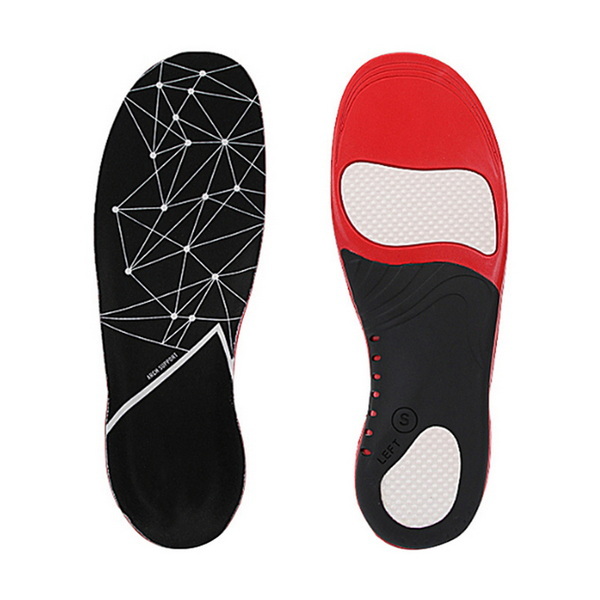
Soft orthotics are manufactured with cushioned materials such as foam or gel, designed to absorb shock and provide mild support.
- Ideal for users needing gentle arch support.
- Easier initial adjustment period.
- Preferred for people with sensitive feet or arthritis.
These combine cushioning with firmer support components to stabilize the foot while maintaining some flexibility.
- Targeted for individuals with moderate foot deformities.
- Suitable for athletic use and everyday wear.
- Requires a moderate break-in period.
Constructed from hard plastics or carbon fiber, rigid orthotics offer maximum correction and support.
- Often prescribed for severe biomechanical issues.
- Provide stability for conditions such as tendon dysfunction or severe flat feet.
- Longer and sometimes more intense adaptation period.
Understanding the material and design choice helps users set realistic expectations about comfort and pain during initial use.
As a leading Chinese OEM manufacturing partner providing orthotic insoles to overseas brand owners, wholesalers, and producers, your role is critical in the end-user experience. High manufacturing standards, precise customization capabilities, and usage of premium materials ensure that orthotic insoles reduce initial discomfort and maximize efficacy.
- Use anatomical molds and scanning technology for custom-fit production.
- Offer multiple material options to address various comfort needs.
- Incorporate advanced cushioning layers without sacrificing structural support.
- Provide clear and comprehensive usage guidelines to clients for end-user education.
By focusing on comfort without compromising corrective function, manufacturers can significantly reduce return rates and enhance customer loyalty.
Orthotic insoles are not one-size-fits-all solutions. Some users require different designs depending on activity:
- Sports orthotics: Enhanced shock absorption for running, hiking, or cycling.
- Work orthotics: Durable materials and extra support for prolonged standing.
- Casual insoles: Focus on comfort and mild correction for everyday use.
- Medical orthotics: Customized to alleviate severe conditions like diabetic foot ulcers or nerve pain.
Manufacturers that provide specialized lines or customizable modular features will better serve diverse market needs.
- Rotate between old insoles and orthotics in new shoes during break-in.
- Use antifungal sprays and powders to prevent moisture-related skin irritation.
- Cushion the edges of insoles if they cause rubbing.
- Consider using socks with padding or moisture-wicking technology.
- Encourage customers to have regular professional check-ups.
- Orthotics cause permanent discomfort: Most users adapt quickly, and discomfort is temporary.
- Orthotics instantly cure all foot problems: Orthotics support treatment but require time and sometimes additional therapies.
- Universal orthotics fit all feet: Customization or proper fitting is necessary for meaningful relief.
- Orthotics can replace shoes: They work only as an insert and require the right shoes for full benefit.
Clearing these misunderstandings helps users maintain realistic expectations and improves satisfaction.
- Clean orthotics routinely with mild soap and air-dry.
- Avoid exposing insoles to excessive heat or moisture.
- Replace orthotic insoles every 12 to 24 months depending on wear.
- Inspect regularly for cracks, deformities, or material breakdown.
- Store insoles in a cool, dry environment when not in use.
Proper maintenance preserves the life and performance of orthotic insoles.
Orthotic insoles may cause slight discomfort or soreness at first due to foot muscles and ligaments adapting to new positioning and pressure patterns. This initial adjustment phase usually lasts from a few days to a few weeks. Proper fitting, selecting appropriate footwear, and gradual break-in reduce pain and help users benefit from pain relief, enhanced support, and improved posture. For manufacturers and OEM partners, providing quality, comfortable orthotic insoles with clear user guidance is key to customer satisfaction and long-term success.

Most people adjust within one to two weeks. Start wearing orthotics for a few hours daily and gradually increase the time.
Yes, if poorly fitted or used in inappropriate shoes. Proper sizing and gradual adaptation minimize risks.
Orthotics work best in supportive, properly fitting shoes. Avoid very tight or worn-out footwear.
Some semi-custom orthotics allow minor adjustments, but significant modifications should be done by professionals.
Typically every 1-2 years, depending on wear and material breakdown. Signs include loss of support or visible damage.


