
Views: 222 Author: Edvo Publish Time: 2025-12-06 Origin: Site


Content Menu
● How Orthotic Inserts Work Biomechanically
● Evidence That Orthotics Work
● Conditions Orthotic Inserts Can Help
● Custom vs Prefabricated Inserts
● When Orthotics May Not Work Well
● How to Choose the Right Insert
● Tips for Using Orthotic Inserts Effectively
● Why Orthotic Inserts Matter for OEM Brands
● FAQ
>> 1. Do orthotic inserts really help with plantar fasciitis?
>> 2. Are custom orthotics better than store-bought inserts?
>> 3. How long does it take to feel a difference?
>> 4. Can orthotic inserts prevent injuries?
>> 5. How do I know if I need orthotic inserts?
Orthotic inserts are designed to support the feet, improve alignment, and relieve pain during walking, standing, and sports. When chosen correctly and used consistently, they can make a clear difference for people with plantar fasciitis, flat feet, heel pain, or general foot fatigue. As a leading insole manufacturer in China offering OEM service to overseas brands, wholesalers, and manufacturers, we see every day how the right insert can transform overall comfort for end users.
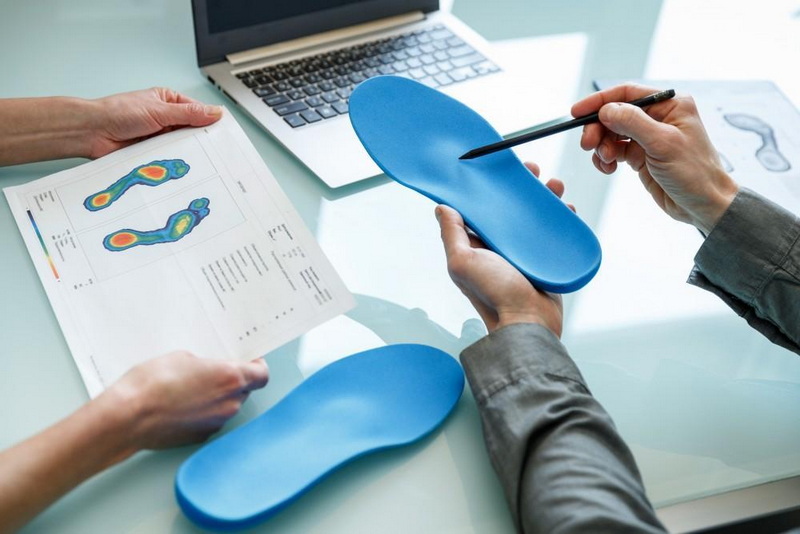
Orthotic shoe inserts are removable support devices placed inside footwear to improve the way the feet function. They help guide the foot into a more natural position, reduce excess strain on tissues, and make shoes feel more stable and comfortable. Some products focus mainly on cushioning, while others provide structured support for the arch, heel, and forefoot.
Typically, orthotic inserts include a shaped arch area, a deep or cupped heel zone, and sometimes a pad under the front of the foot. These contours work together to hold the foot in a healthier position and reduce unwanted rolling inward or outward. By filling the empty space between the sole of the foot and the shoe, they encourage more even weight distribution and smoother movement.
From a biomechanical point of view, orthotic inserts are all about improving alignment. When the arches collapse or the heel tilts too far, the ankle, knees, hips, and even the lower back can be pushed out of their natural positions. A properly designed insert gently guides the foot back toward neutral, so each step places less stress on joints and soft tissues.
As the heel strikes the ground, a good insole helps absorb impact and keep the rearfoot stable. During midstance, arch support limits excessive flattening, reducing strain on the plantar fascia and other ligaments. As the body moves forward and pushes off through the toes, the insert can help maintain a more efficient, powerful motion. Over time, this more efficient pattern often translates into less pain, less fatigue, and better endurance.
Although results vary from person to person, a large number of users and clinicians report meaningful pain relief from orthotic inserts, especially for heel and arch problems. People with plantar fasciitis, for example, often describe a reduction in stabbing morning pain after integrating supportive insoles into their daily footwear.
In many cases, inserts are part of a broader plan that can include stretching, strengthening, weight management, and footwear changes. When combined with these other measures, orthotic devices frequently help people return to walking, work, and sport with less discomfort. The real-world experience of podiatrists, physiotherapists, and orthopedic specialists strongly supports their use in many common conditions.
Orthotic shoe inserts can help address a wide range of foot and lower-limb issues:
- Plantar fasciitis and heel pain
- Flat feet and fallen arches
- High-arched feet with poor shock absorption
- Metatarsalgia and forefoot overload
- Bunions, hammertoes, and other mild deformities
- General foot fatigue from long hours of standing
For plantar fasciitis, supporting the arch and cushioning the heel reduces tension on the plantar fascia, which can calm irritation. In flat feet, inserts lift and support the arch, reducing inward rolling and distributing pressure more evenly. For high arches, extra cushioning under the heel and forefoot is often more important than aggressive structural control.
People who spend most of the day on hard floors, such as in factories, warehouses, hospitals, and retail stores, often appreciate the way a good insert softens impact and relieves end-of-day soreness. Active individuals benefit from extra stability and shock absorption during running, jumping, and rapid direction changes.
Different types of orthotic inserts exist to match different feet, conditions, and activities. The main categories are:
- Soft inserts focused on cushioning
- Semi-rigid inserts providing a mix of cushioning and support
- Rigid inserts designed mainly for control and alignment
Soft inserts usually use foam or gel materials that absorb shock and feel comfortable immediately. They are often used for general comfort, mild pain, or for people with very sensitive feet. Semi-rigid designs combine cushioning layers with firmer support elements in the arch and heel, which works well for many everyday and athletic situations.
Rigid orthotics rely on materials such as stiff plastics or composite shells. They are used mainly for more serious alignment issues or complex structural problems. In addition, there are full-length inserts that replace the entire factory insole, and partial-length versions that sit only under the heel and arch to save space in narrower footwear.
All orthotic inserts belong to one of two broad groups: custom-made or prefabricated.
Custom devices are made from a detailed assessment of an individual's feet, including measurements, scans, or molds. A healthcare professional designs them to match specific structural features, movement patterns, and medical conditions. This approach can be ideal for very irregular feet, long-standing problems, or users who have not responded to simpler solutions.
Prefabricated inserts come in standard sizes and designs and are ready to use immediately. Modern prefabricated orthotics are available in multiple arch heights, densities, and profiles, and good-quality models can deliver impressive results for many users. They offer an attractive balance of performance, price, and convenience, which is why they are so popular in both retail and professional channels.
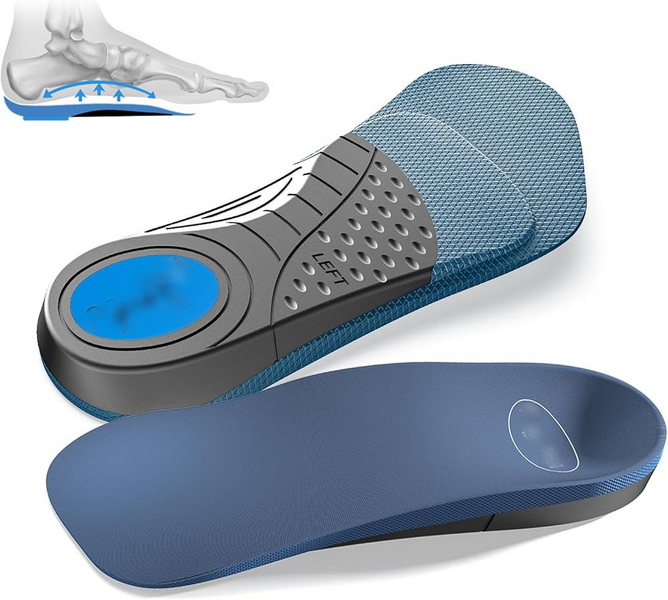
Although almost anyone can enjoy more comfort from a well-designed insole, certain groups tend to benefit the most:
- People with plantar fasciitis or chronic heel pain
- Workers who stand or walk for long periods
- Individuals with flat feet or very high arches
- Runners and sports enthusiasts
- Older adults with thinning fat pads on the soles
Workers often notice less burning or throbbing in their feet at the end of a shift. People with structural issues often discover that correcting their foot position reduces stress on their knees, hips, and lower back. Athletes appreciate the mix of cushioning and control that reduces the risk of overuse injuries and improves consistency.
Orthotic shoe inserts are not a cure-all, and there are situations where they may not deliver dramatic results. If the main cause of pain is unrelated to foot mechanics, such as certain nerve or circulation problems, mechanical support alone may not help much. Very severe deformities or advanced arthritis sometimes require braces, surgery, or other medical interventions.
Even when orthotics are appropriate, they may be less effective if they are the wrong type, too soft or too rigid for the user, or worn in shoes with poor structure. Lack of gradual break-in time can also cause temporary discomfort. For best results, inserts should be part of a complete strategy that includes stretching, strengthening, weight management, and professional guidance where needed.
Choosing the right orthotic insert starts with understanding the shape and needs of the feet:
- Identify whether the arches are low, neutral, or high
- Locate the main pain areas: heel, arch, forefoot, or general fatigue
- Consider typical activities: casual walking, work, sports, or mixed use
For mild discomfort and general support, good-quality prefabricated inserts that match the arch type and shoe style are often a smart first step. People with more serious or long-standing issues should consider a professional evaluation by a podiatrist or orthopedic specialist, who can recommend whether custom-made devices are necessary.
It is important to select inserts that work well with the existing shoe range. Footwear with removable factory insoles, enough internal depth, and a firm heel counter tends to pair best with orthotic products.
To get the most out of orthotic shoe inserts, users can follow a few practical tips:
- Break them in gradually, starting with short wear periods and increasing over several days
- Use them in supportive shoes that fit well and are not overly worn out
- Replace them when the cushioning or structure clearly breaks down
- Combine them with daily stretching and strengthening exercises for the feet and calves
A short adaptation phase is normal, especially for more structured devices. During this period, muscles and joints learn to move in a new, more efficient pattern. If pain increases sharply or shifts to new areas and does not settle within a reasonable period, a professional should reassess fit and design.
For overseas brands, wholesalers, and manufacturers, orthotic inserts are a strategic category that combines health benefits with strong consumer demand. End users are increasingly aware that supportive footwear can protect their joints, reduce fatigue, and keep them active longer. Offering well-designed insoles under a private label helps retailers and brands stand out in competitive markets.
As a professional Chinese orthotic insole manufacturer, we support OEM partners by developing collections tailored to specific channels and price levels. Product lines can include comfort inserts for casual shoes, performance models for sports and outdoor footwear, medical-style orthotics for specialist shops, and slim designs for dress shoes. By controlling materials, geometry, and quality standards, we help our clients deliver consistent value to their customers.
Orthotic shoe inserts do work for many people by improving foot alignment, redistributing pressure, and reducing pain related to plantar fasciitis, flat feet, heel stress, and general fatigue. They are most effective when carefully matched to the user's foot type, activity level, and footwear, and when introduced gradually alongside healthy movement habits.
Both custom and prefabricated options have important roles, from solving complex biomechanical issues to providing accessible comfort for everyday users. For international brands and wholesalers, partnering with an experienced Chinese OEM insole manufacturer makes it possible to offer a complete range of orthotic solutions that genuinely improve customer comfort, performance, and long-term loyalty.
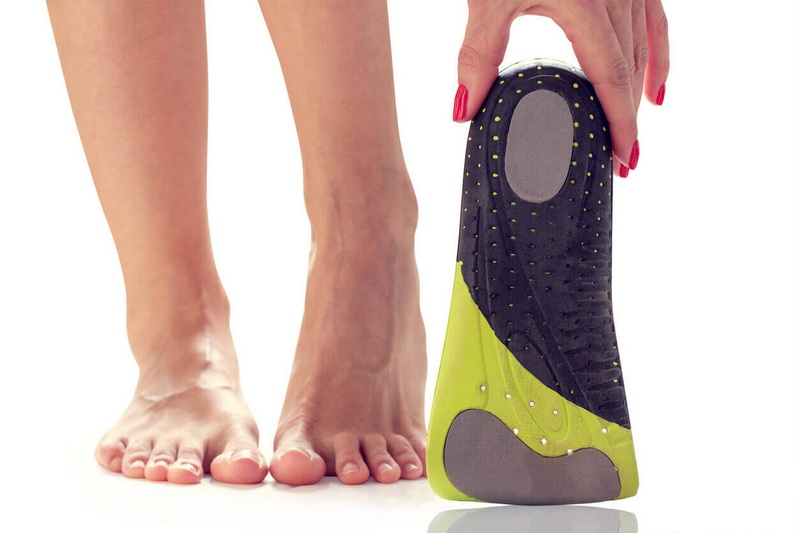
Orthotic inserts can be very helpful for plantar fasciitis because they support the arch and cushion the heel, reducing the strain on the plantar fascia. Many users notice that morning pain and soreness after standing decrease once they start wearing supportive insoles regularly.
Custom orthotics are often better for complex foot shapes, long-lasting pain, or special medical conditions because they are made to match a specific pair of feet. Store-bought inserts, however, can still provide excellent relief for many people when they are of good quality and correctly matched to arch type and shoe style.
Some people feel more comfort and stability within the first few days of wearing orthotic inserts. For long-term conditions, it can take several weeks of regular use before full benefits are clear, as tissues adapt and movement patterns gradually improve.
Orthotic inserts can help reduce the risk of certain overuse injuries by improving alignment, absorbing shock, and supporting weak or unstable areas. They are especially helpful for people who run, jump, or work on hard surfaces, though they cannot guarantee complete injury prevention.
Common signs include recurring heel or arch pain, tired or burning feet at the end of the day, and uneven wear on shoe soles. If these problems persist, a professional foot assessment can confirm whether orthotic inserts are suitable and which type would work best.


