


Content Menu
>> Primary Functions of a Shoe Insole
>> 1. Correcting Poor Shoe Design
>> 3. Boosting Athletic and Work Performance
>> 4. Protecting Long-Term Foot Health
● Common Types of Shoe Insoles
>> Temperature-Control Insoles
● Materials Commonly Used in Shoe Insoles
● How to Choose the Right Shoe Insole
● The OEM Advantage in Shoe Insole Manufacturing
>> Why Choose an OEM Shoe Insole Partner?
● The Role of Shoe Insoles in Sustainability
● Maintenance Tips for Shoe Insoles
● The Future of Shoe Insole Design
>> 1. What is the benefit of using a shoe insole?
>> 2. How often should I change my shoe insoles?
>> 3. Are all insoles made of the same materials?
>> 4. Can I use OEM or customized insoles in branded shoes?
>> 5. How can I keep my insoles fresh and odor-free?
In the world of footwear comfort and performance, shoe insoles often play an underrated yet critical role. Many people view insoles as an optional accessory, something to add only when experiencing discomfort. However, shoe insoles are far more essential than most realize — they not only protect your feet but also enhance shoe durability and improve posture, performance, and hygiene.
For manufacturers and shoe brands, high-quality insoles have become indispensable design elements that elevate the product's overall value. Whether for casual wear, athletic use, or specialized footwear, understanding the importance of shoe insoles can transform how you approach both shoe design and daily footwear comfort.
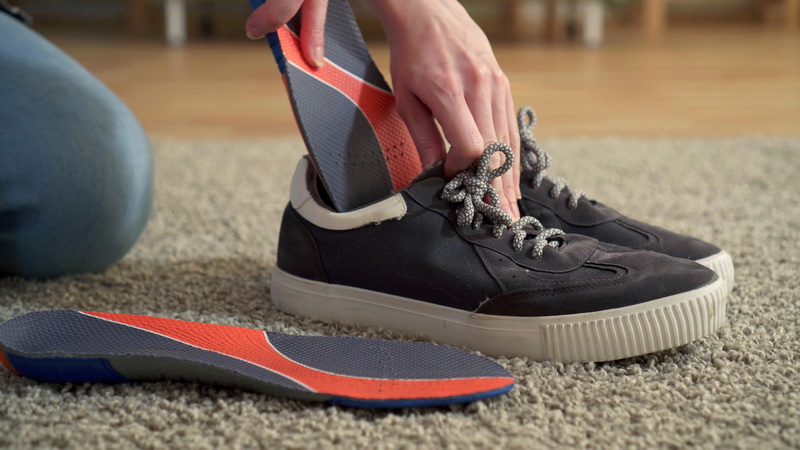
A shoe insole, also called a footbed or inner sole, is the cushioned layer placed inside a shoe to provide additional comfort, support, and protection. Most shoes come with a built-in insole, but these are often generic and lack tailored features for individual foot types or activities.
Replacing or upgrading your shoe insole can dramatically improve comfort and extend the life of your footwear, particularly for those who spend long hours standing or engage in high-impact activities such as running or hiking.
- Cushioning and comfort: Absorbs impact and offers softness to reduce fatigue during movement.
- Support and stability: Aligns your feet properly, preventing overpronation and maintaining posture.
- Pressure distribution: Minimizes stress on specific points like the heel and forefoot.
- Moisture and odor control: Helps manage sweat and reduces bacterial buildup.
- Customization: Allows consumers and manufacturers to modify shoe fit and performance for various applications.
In essence, a shoe insole bridges the gap between comfort and functionality, providing both immediate relief and long-term health benefits.
The simple answer is yes, shoes do need insoles — not only for comfort but for the overall health of your feet and the longevity of your footwear. However, the reasons vary depending on user needs, footwear type, and activities.
Most off-the-shelf shoes prioritize style over ergonomics. As a result, users experience discomfort or imbalance after prolonged use. Adding a well-designed shoe insole helps compensate for gaps in design, improving comfort and performance without needing to replace the entire shoe.
Not everyone's feet are the same. Some have flat feet, others high arches — both conditions can cause uneven weight distribution. Insoles specifically crafted with proper arch support can relieve strain on ligaments and joints, improving natural walking mechanics.
Athletes, military personnel, and factory workers rely on robust insoles to handle demanding conditions. Sports insoles improve energy return, while work boot insoles provide additional protection and shock absorption for industrial settings.
Continuous pressure on the feet can lead to issues like plantar fasciitis, tendonitis, or chronic arch pain. Regularly using supportive shoe insoles can help prevent or ease these conditions by maintaining correct foot alignment and cushioning sensitive areas.
Replacing worn-out insoles instead of the entire pair of shoes is not only cost-effective but also eco-friendly. Well-maintained insoles protect the shoe's midsole and upper structure from early deterioration, extending their usability significantly.
Shoe insoles are categorized according to function, material, and design. Understanding these differences helps consumers and brands alike select the most suitable option.
These are designed for comfort. Made from soft foams or gels, they absorb shock and reduce fatigue during long walking or standing hours.
Used for corrective or medical purposes, orthotic insoles help relieve conditions like flat feet, heel pain, or pronation issues. They are often prescribed by podiatrists or designed through custom OEM manufacturing.
Performance-focused insoles enhance stability, energy return, and movement control. They feature advanced materials such as carbon fiber inserts or gel-cushion zones tailored for athletes.
Industrial footwear demands durability and resistance to wear, chemicals, and heavy loads. These insoles are often reinforced and made with anti-slip or puncture-resistant layers.
Specialized heated or cooling insoles regulate foot temperature, ideal for extreme climates or long outdoor activities.
These insoles mold to the user's foot shape, providing a custom fit that improves overall balance and relief for sensitive areas.
Each type serves a distinct purpose, allowing consumers to tailor their footwear experience to specific needs and lifestyles.
Material selection directly impacts performance, lifespan, and comfort. Modern shoe insole manufacturing integrates a variety of advanced compounds to meet different purposes:
- EVA Foam: Lightweight with excellent shock absorption, perfect for casual shoes and sportswear.
- PU Foam: More durable and supportive, ideal for heavy-duty or industrial applications.
- Gel: Offers superior cushioning for high-impact activities like running or jumping.
- Memory Foam: Provides customized comfort that conforms to the user's foot shape.
- Natural Cork: Eco-friendly, breathable, and often used in orthopedic footwear.
- Leather: Classic, moisture-absorbing, and elegant; common in premium shoe designs.
The chosen material determines not only the product's comfort level but also its capacity to manage moisture, odor, and wear resistance.
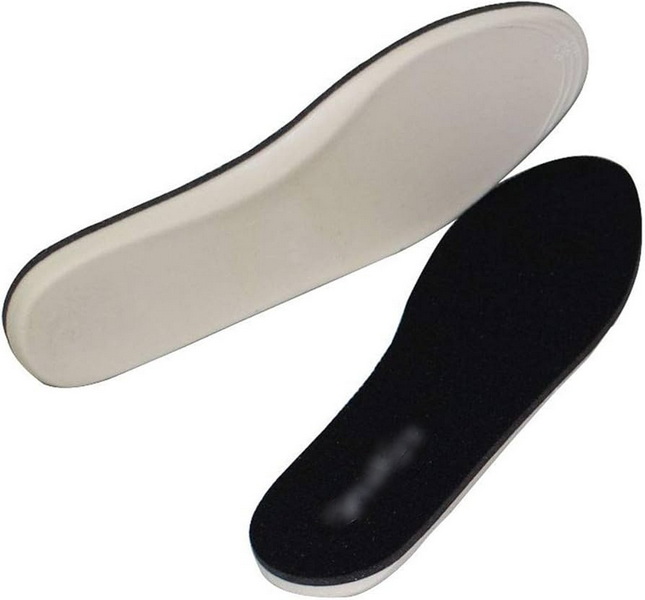
Selecting the proper insole begins with understanding the specific function it needs to fulfill. Here are key factors to consider:
1. Foot Type and Arch Shape – Flat, neutral, or high-arched feet each require different levels of support.
2. Activity Level – Choose sports insoles for running or hiking, and work-grade insoles for industrial footwear.
3. Material and Comfort – Memory foam for softness, PU for durability, or gel for impact absorption.
4. Fit and Thickness – Ensure they fit snugly without compressing the shoe's interior.
5. Health Conditions – For chronic pain or deformities, seek medical-grade orthotic insoles.
For businesses and brand owners, working with an experienced shoe insole manufacturer that provides OEM services allows customization aligned with market demand, enhancing both brand identity and product performance.
As one of China's leading shoe insole OEM providers, we understand how critical precision, quality, and design flexibility are for brand partners worldwide. Whether for sports brands, orthopedic shoe producers, or wholesale suppliers, OEM manufacturing delivers significant benefits.
- Tailored Designs: Achieve unique branding through personalized logos, packaging, and molding options.
- Material Customization: Select from EVA, PU, recycled rubber, or combination builds to suit your product line.
- Consistency and Scalability: Maintain uniform quality across large production volumes.
- Cost Efficiency: Competitive pricing without compromising on innovation.
- Regulatory Compliance: Access REACH, CE, and ISO certifications for global market acceptance.
Collaborating with a skilled Chinese OEM manufacturer helps overseas clients gain a competitive edge by offering footwear that stands out in both comfort and reliability.
Modern consumers expect not only comfort but also responsibility. Sustainable shoe insole production aligns with eco-conscious behavior by minimizing material waste and promoting recyclability.
Manufacturers increasingly adopt biodegradable alternatives, water-based adhesives, and renewable materials such as cork and bamboo fibers. Additionally, replacing insoles rather than entire shoes reduces overall consumption, extending footwear life cycles and decreasing landfill waste.
By partnering with environmentally responsible OEM producers, brands can align themselves with global sustainability goals while meeting customer expectations for green manufacturing.
Proper care keeps your insoles effective for longer. Follow these simple but important steps:
- Remove and Dry: Air your insoles after each use to prevent moisture buildup.
- Clean Regularly: Wash gently with mild soap and water, avoiding harsh detergents.
- Avoid Heat Sources: Let them air dry naturally; heat can damage foam and adhesives.
- Replace Periodically: Change your insoles every 3–6 months or once signs of wear appear.
Taking these small steps ensures long-term comfort, hygiene, and durability.
Emerging innovations are transforming how insoles are conceived and produced. Technologies such as 3D printing, smart foam materials, and pressure-mapping sensors enable customization that adapts to individual gait patterns in real time.
Smart insoles now collect biometric data to improve athletic performance or monitor health conditions like diabetes and posture alignment. With continued development, the humble insole will evolve from a comfort accessory into an intelligent, interactive part of footwear design.
For manufacturers, adopting these technologies early can position their products at the forefront of the global footwear market.
So, do shoes need insoles? The answer is a resounding yes. A quality shoe insole isn't just an optional accessory; it's an essential part of footwear health and performance. From improving comfort and alignment to extending shoe life and preventing pain, a properly designed insole transforms the user's experience.
For brands, investing in OEM shoe insole production enables greater differentiation, heightened customer satisfaction, and alignment with sustainability trends shaping the modern footwear industry. Whether for everyday use or specialized applications, shoe insoles remain the hidden foundation of comfort, health, and innovation.
Contact us to get more information!
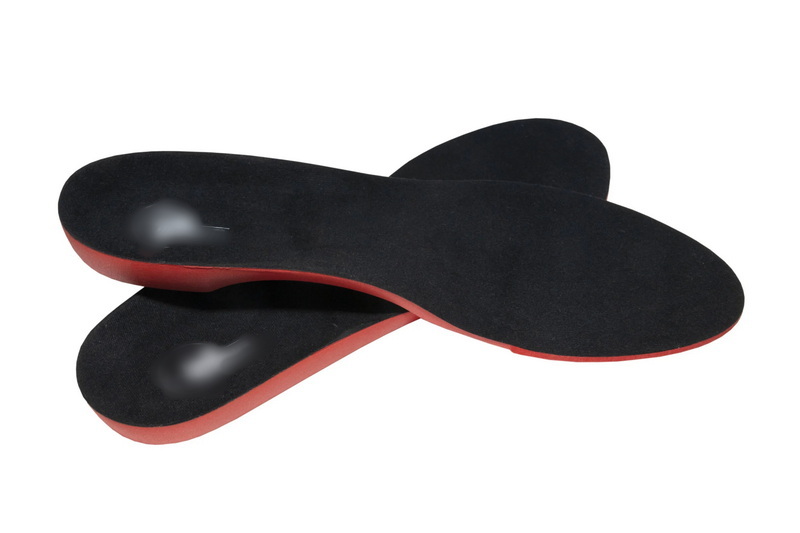
A shoe insole enhances comfort, absorbs impact, supports arches, and improves posture while preventing foot fatigue during long periods of standing or walking.
Most insoles last between 3–6 months of regular use. Signs like flattening, odor, or reduced cushioning indicate it's time for a replacement.
No. Materials range from EVA foam and gel to leather, cork, or memory foam. The right choice depends on your activity, shoe type, and personal comfort needs.
Yes. OEM shoe insoles are designed to match different shoe models and can be customized for branding, material choice, and functionality.
Allow them to air out daily, wash occasionally with mild soap, and replace them periodically to maintain freshness and support.
1. [https://www.verywellfit.com/importance-of-shoe-insoles-5184569](https://www.verywellfit.com/importance-of-shoe-insoles-5184569)
2. [https://www.healthline.com/health/insoles-benefits](https://www.healthline.com/health/insoles-benefits)
3. [https://www.runnersworld.com/gear/a20853414/running-shoe-insoles-guide/](https://www.runnersworld.com/gear/a20853414/running-shoe-insoles-guide/)
4. [https://www.podiatrytoday.com/blog/why-custom-insoles-matter](https://www.podiatrytoday.com/blog/why-custom-insoles-matter)
5. [https://www.footscientific.com/blogs/orthotics-guide/](https://www.footscientific.com/blogs/orthotics-guide/)


