
Views: 222 Author: Edvo Publish Time: 2025-10-14 Origin: Site


Content Menu
● What Is Insertional Achilles Tendonitis?
● The Anatomy of Foot Arches and Achilles Tendon Strain
>> Foot Arch Types and Their Impact
>> The Influence of Biomechanics
● The Role of Arch Support In Achilles Tendonitis Management
>> Support for Different Foot Types
>> Selection of Proper Arch Support
● Identifying The Right Arch Support: A Practical Guide
>> Arch Height & Individual Biomechanics
>> Durability & Material Performance
● Integrating Arch Support Into Your Recovery And Prevention Plan
● When Arch Support Alone May Not Be Enough
● OEM and B2B Solutions: Partnering For Success
● User Tips: Maximizing Relief and Comfort
● FAQs
>> 1. What Is The Difference Between Arch Support and Heel Support?
>> 2. Can Arch Support Cure Insertional Achilles Tendonitis?
>> 3. Who Should Use Custom Orthotic Arch Supports?
>> 4. Will Arch Support Make My Shoes Uncomfortable?
>> 5. How Long Does It Take To Feel Pain Relief With Arch Support?
Insertional Achilles tendonitis is characterized by inflammation, degeneration, or microscopic tearing of the Achilles tendon at its insertion onto the calcaneus (heel bone). Unlike midportion Achilles tendonitis, which occurs higher up along the tendon, insertional pain is typically located right at the back of the heel. This localized injury can complicate daily movement, lead to swelling or redness, and, if untreated, may prompt bony growths or chronic discomfort.
- Noticeable pain at the heel's posterior aspect, especially while walking uphill or climbing stairs
- Swelling, redness, or warmth near the tendon's insertion
- Morning stiffness or discomfort after periods of inactivity
- Limping, or difficulty when raising the heel off the ground
This condition typically results from a combination of mechanical overload and poor biomechanics. Risk factors include:
- Sudden spikes in physical activity level
- Poorly cushioned or unsupportive footwear
- Genetic foot arch abnormalities
- Tight calf muscles, restricted ankle mobility
- Obesity or excessive body weight
- Repetitive high-impact sports (e.g., running, soccer)
The foot is a complex structure featuring three primary arches—the medial, lateral, and transverse arches. The medial arch insert (the one most people refer to as “the arch of the foot”) plays a pivotal role in absorbing shock and distributing force during movement. When the arch collapses (overpronation), the ankle and heel shift inward, increasing strain on the Achilles tendon at its insertion.
- Low arches (flat feet): Contribute to excessive inward rolling of the foot, making the Achilles tendon pull abnormally on its insertion, which can worsen microtrauma.
- Normal arches: Generally maintain ideal shock absorption and even weight distribution, resulting in less stress on the tendon.
- High arches: Fail to absorb enough shock, transmitting greater forces directly to soft tissues including the Achilles tendon.
Body weight, gait pattern, and individual muscle tightness all combine to influence whether a person develops insertional Achilles tendonitis. The Achilles tendon serves as the bridge between the calf muscles and the heel, and must absorb substantial force during push-off with each step. Improper arch support can magnify these forces, accelerating wear at the insertion point and promoting chronic injury.
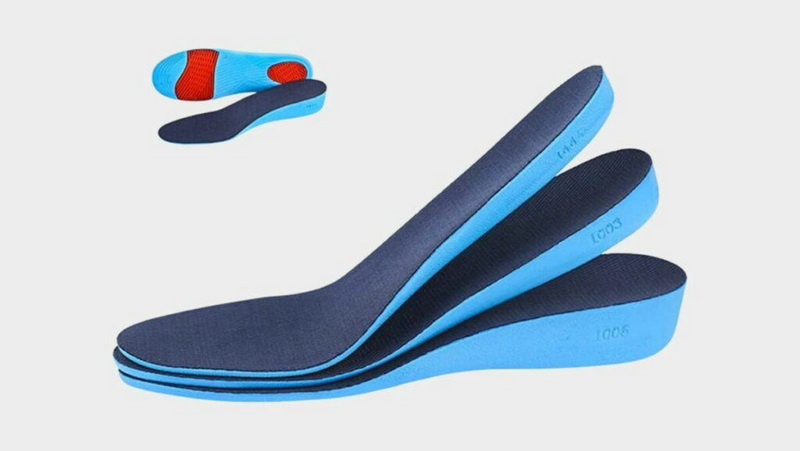
Arch support describes extra structural reinforcement for the arch of the foot, commonly provided by insoles made from materials such as EVA foam, polyurethane, or specialty gel compounds. These supports may be prefabricated or fully custom. During both movement and prolonged standing, arch supports help maintain foot alignment, reduce pronation, and dissipate shock.
- Promote more even distribution of body weight across the foot
- Limit abnormal pronation or supination, protecting the Achilles insertion
- Cushion the heel and alleviate pressure on bone-tendon junctions
- Encourage healthier walking and running mechanics over time
- Potentially reduce the recurrence of tendon injuries in the long term
Those with flat feet are most prone to exacerbated tendon strain and get the greatest relief from firm, contoured arch supports. For high arched individuals, supplemental cushioning can help reduce rigid impact shock, protecting soft tissue structures.
The following insole materials and designs are commonly used:
- EVA Foam: Firm yet flexible, offering moderate arch elevation and impact absorption
- Gel: Excellent for cushioning, best for sensitive or bony feet
- Polyurethane: Durable, providing sustained support for heavier weight applications
- Cork blends: Naturally conform to arch shape and offer mild support
- Memory foam: Adapts to exact foot contours for a precise, comfortable fit
Some advanced insoles employ dual-density zones for both arch elevation and steer the foot into proper alignment, an approach ideal for both end users and OEM insole developers seeking to cater to global markets.
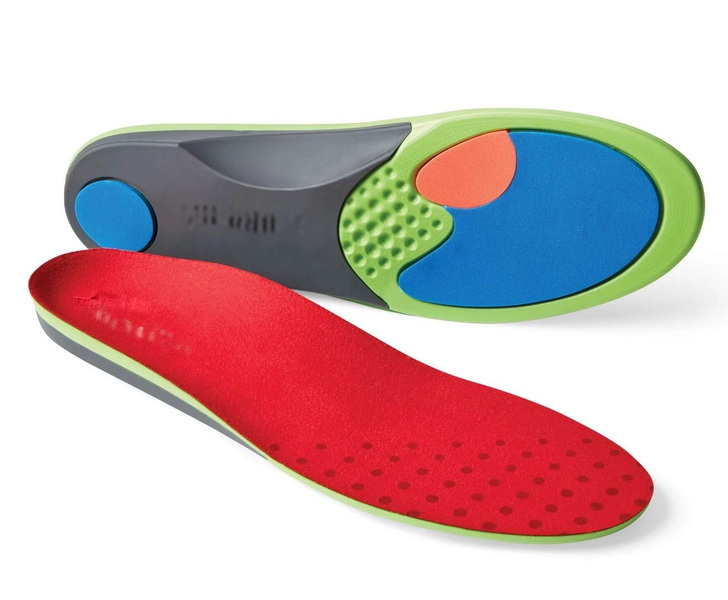
When choosing or manufacturing arch supports for insertional Achilles pain, several key variables are essential.
Measure or assess arch height using a simple visual check, wet test, or through professional imaging. Supports should match the user's natural contour for optimum function. Flat feet require more rigid support, whereas neutral or high arches may benefit from focused cushioning.
Insoles should fit comfortably within the shoe, not crowd the toe box or cause heel lift. Consider the end use—athletic shoes, work boots, or casual footwear often need unique insole profiles. Brands should offer precise sizing and thickness options for wholesale buyers and retailers.
For high-impact or all-day use scenarios, premium materials like high-resilience polyurethane or multilayered foam deliver long-lasting comfort and performance. Wicking linings for moisture control are important for athletic and outdoor applications.
International brands and manufacturers sourcing arch supports should prioritize partners with advanced design tools (e.g., 3D scanning, CAD engineering), stringent quality controls, and proven experience in overseas OEM projects. Private labeling and bespoke insole shaping can give your product a market edge.
Beyond mechanical correction, combining arch support with other targeted interventions can accelerate healing and guard against relapse.
Daily calf stretches and eccentric loading exercises help lengthen muscle-tendon units, reducing persistent tension and improving ankle mobility. Simple standing and seated calf stretches, as well as resistance band routines, are recommended.
Supportive shoes with deep heel cups, rigid counter construction, and shock-absorbing midsoles amplify the effect of arch support, ensuring the foot and tendon move in optimized alignment. Avoid barefoot walking on hard surfaces, especially during the acute phase of healing.
Maintain a healthy weight, limit abrupt increases in activity intensity, and schedule regular rest periods during sports or work. If you are a brand targeting athletic buyers, highlighting these holistic approaches enhances the perceived value and effectiveness of your product.
Though essential, arch support cannot address all cases of insertional Achilles tendonitis in isolation.
- Persistent or severe cases may require medical interventions such as heel wedges, lifts, or custom-molded orthotics.
- Physical therapy can teach advanced mobility, balance, and strengthening drills targeting both feet and lower legs.
- For chronic, non-healing cases, medical imaging and potentially surgical options may be discussed with a healthcare professional.
We excel as a leading Chinese insole manufacturer, specializing in OEM and private-label insoles engineered for both preventative and rehabilitative Achilles support. Our production offers multiple configurations:
- Ergonomically designed insoles for flat, normal, and high arches
- Multi-density arch and heel zones tailored for insertional pain
- Scalable, automated mass production for consistent quality
- Fast, efficient international shipping and customs compliance for global distributors
For B2B partners—brands, wholesalers, and retailers—this ensures timely delivery, broad product selection, and compliance with international quality benchmarks. Whether you need bulk foam insoles, branded inserts, or bespoke arch supports tailored to specific populations, our team has robust supply chain and R&D support at every step.
- Gradually increase wear time of new insoles to allow feet to adapt.
- Replace insoles regularly to maintain resilience and hygiene.
- Monitor progress and adjust insole selection if symptoms persist.
- Seek advice from podiatrists for complex or multi-factorial foot issues.
Arch support is a cornerstone therapy for individuals struggling with insertional Achilles tendonitis—offering not just symptom relief but also the biomechanical foundation needed for long-term recovery. Properly chosen insoles reduce harmful stresses at the tendon's attachment, align the foot, and empower both users and brands to address one of the most common sources of heel pain. By integrating the right arch support, using evidence-based stretching and lifestyle habits, and sourcing from experienced OEM partners, individuals and enterprises can effectively turn the tide against this persistent foot injury.
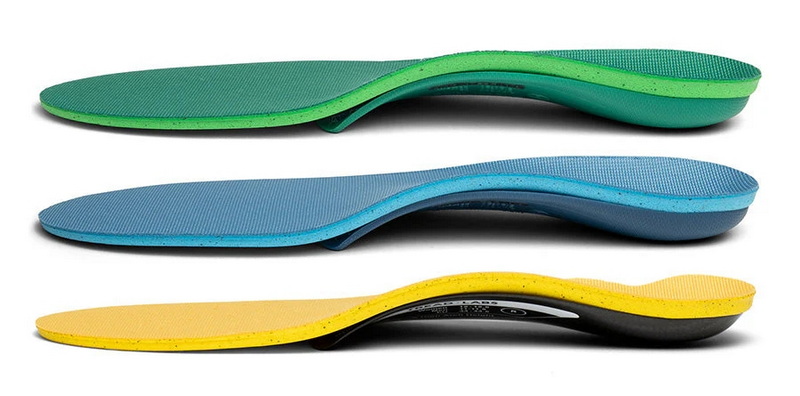
Arch support maintains the arch's natural curve and steadies the midfoot, while heel support specifically cushions the rear of the foot. Used together, they provide comprehensive protection against strain and pressure at the Achilles insertion.
Arch support is not a cure in itself but is a key part of an overall management plan. It relieves stress, improves biomechanics, and accelerates healing when combined with medical and physical therapy interventions.
Custom orthotic supports are suitable for individuals with unusual foot structures, recurrent injuries, or anyone unable to find relief from mass-market insoles. OEM and brand partners can differentiate their offerings with custom solutions.
Properly fitted arch supports should feel stable and supportive without discomfort. If discomfort arises, adjust sizing or try a softer material until the right balance is achieved.
Relief is often felt within two to six weeks, but response times vary based on severity, consistency of insole use, and adherence to additional therapies such as stretching and rest.


