
Views: 222 Author: Edvo Publish Time: 2026-01-29 Origin: Site


Content Menu
● Why Running Shoes Alone Are Not Enough
● Benefits of Using Shoe Insoles for Running
>> 1. Enhanced Comfort and Shock Absorption
>> 2. Corrected Foot Alignment
>> 4. Increased Longevity of Running Shoes
>> 5. Improved Running Efficiency
● The Science Behind Shoe Insoles
>> Understanding Biomechanics in Running
● Types of Shoe Insoles for Running Shoes
>> Orthopedic or Custom Insoles
● When Should You Consider Using Insoles?
● How to Choose the Right Insoles
● When to Replace Your Running Insoles
● How to Care for Shoe Insoles
>> Only injured runners need insoles.
>> Insoles are expensive and unnecessary.
>> Factory insoles are good enough.
● The Long-Term Benefits of Quality Insoles
● How Shoe Insoles Affect Running Style
● Shoe Insoles and Sustainability
>> 1. How do I know if I need insoles for my running shoes?
>> 2. Can insoles improve overall running performance?
>> 3. Are custom-made insoles better than off-the-shelf ones?
>> 4. How can I clean my Shoe Insoles effectively?
>> 5. Can I use the same insoles in both regular shoes and running shoes?
Running is one of the most accessible exercises in the world. All you need is a pair of shoes and a place to move. Yet, even simplicity demands some precision, and one of the most overlooked elements of running footwear is the Shoe Insole. Many runners focus on brand names, sole technology, or cushioning systems, but neglect the inner structure that truly supports the foot. The question arises: Do you really need insoles for running shoes? The answer depends on how seriously you take your comfort, health, and performance.
This article dives deep into the science and benefits of Shoe Insoles, exploring why they matter, who needs them, and how to choose the right pair for your running goals.
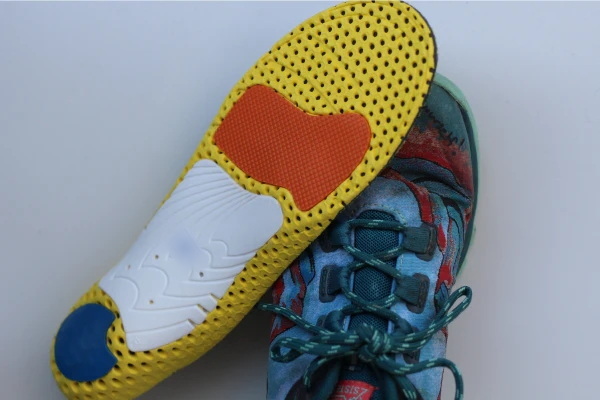
A Shoe Insole is a removable interior layer placed under the foot inside the shoe. Its primary functions are to cushion impact, enhance comfort, and align the foot properly. While they may look simple, insoles represent a blend of material science, biomechanics, and ergonomic design. For runners, Shoe Insoles can mean the difference between a pleasant stride and painful fatigue.
Most running shoes come with standard insoles that provide basic comfort and padding. However, these factory inserts are not designed for long-term or high-impact use. Over time, they flatten and lose their supportive properties, leaving your feet exposed to stress during runs. That's where specialized insoles step in — to offer additional cushioning, support, and long-lasting comfort.
Even though running shoes are designed for performance, they often cater to the “average foot.” But when it comes to biomechanics, there's no such thing as average. Your foot shape, gait pattern, and arch type differ from everyone else's. Generic insoles cannot account for that diversity.
Runners often experience conditions such as:
- Overpronation (foot rolling inward)
- Supination (foot rolling outward)
- Flat or low arches
- High arches that lack sufficient cushioning
- Heel pain, plantar fasciitis, or Achilles tension
These issues often arise not because of poor shoes but because of inadequate internal support. Shoe Insoles help bridge the gap, offering tailored support that fits the unique shape and motion of your feet.
Each time your foot strikes the ground, it absorbs up to three times your body weight. Without proper cushioning, that shock travels up through your joints and spine. Shoe Insoles made of foam, gel, or EVA materials absorb that energy, making running smoother and reducing fatigue during long sessions.
When your feet are properly aligned, your knees and hips follow suit. Misalignment is one of the main causes of running-related injuries. By adding stabilizing features such as contouring or arch lift, Shoe Insoles guide your feet into a biomechanically efficient position.
From shin splints to plantar fasciitis, many common runner injuries stem from overuse and improper mechanics. Shoe Insoles distribute pressure evenly, protecting sensitive areas and supporting the ligaments that maintain foot strength.
High-quality insoles absorb repetitive impact, which in turn protects the shoe's internal structure. With Shoe Insoles, your shoes retain their form and performance longer, reducing replacement costs.
Proper energy transfer during toe-off can make a huge difference in endurance. Insoles designed for running offer rebound properties — returning part of the energy generated from impact, helping you move faster with less effort.
Your feet act as the foundation of every movement. During running, each foot passes through three key phases: heel strike, mid-stance, and toe-off. Without proper support, misalignment in any of these phases leads to uneven impact distribution and eventual pain.
Shoe Insoles help control the movement of the foot during these stages. They stabilize the heel, maintain the natural arch structure, and balance the load across the forefoot. This allows all joints above — ankles, knees, hips — to remain aligned, preventing repetitive strain.
Cushioning focuses on absorbing shock; support focuses on maintaining structural integrity. The best Shoe Insoles combine both. While cushioned insoles comfort short runs or recovery days, supportive insoles are essential for runners logging high mileage or training on uneven terrain.
There's no single best insole for everyone. The right type depends on your foot anatomy, stride style, training volume, and surface preference. Here are the main categories:
Best for those who want extra softness and impact absorption, these use foam, gel, or air pockets. They work perfectly for runners who value comfort or suffer from sore feet after long workouts.
These focus on structural support rather than softness. Designed with firmer materials, they are essential for runners prone to overpronation or arch collapse. They promote stability and reduce pain caused by flat feet or plantar inflammation.
Performance-oriented Shoe Insoles are lightweight and responsive. They enhance energy return and provide subtle corrections to foot posture, suitable for competitive runners aiming for peak efficiency.
Created after a 3D scan or a podiatric assessment, custom insoles are designed to match your exact foot shape. They are the best option for chronic foot pain or severe biomechanical issues.
Not every runner needs insoles immediately, but there are clear signs to watch for:
- Persistent soreness in feet, knees, or hips after running.
- Uneven wearing of shoe soles.
- Frequent blisters or pressure spots.
- Lack of comfort even with premium shoes.
- Noticeable foot roll during stride.
If you relate to any of these symptoms, trying Shoe Insoles could dramatically enhance your comfort and running consistency.
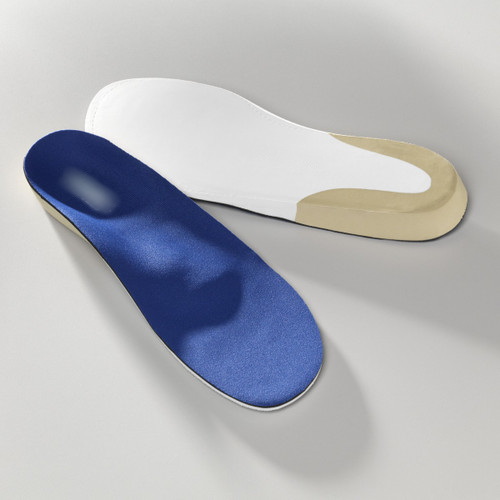
Identify whether you have flat, neutral, or high arches. You can do a simple “wet footprint test” at home or visit a sports store with gait analysis service.
Different running shoes — minimalist, stability, or trail versions — require specific insole thickness and design. Ensure the insole complements the shoe's structure.
Look for insoles made of moisture-wicking, breathable materials that prevent overheating and odor. EVA foam, polyurethane, and gel are common options.
The insole should fit snugly without causing crowding in the toe box. Try running or walking briefly before purchase to test comfort.
High-quality Shoe Insoles can last several hundred miles. Avoid overly soft models that flatten quickly — they might feel good initially but lose function fast.
Most runners replace their shoes every 400–600 miles, and insoles should follow a similar timeline. Here are a few indicators that it's time for a new pair:
- The foam feels compressed or uneven.
- You experience a sudden return of previous discomfort.
- The top surface starts peeling or cracking.
- The insole has developed a persistent odor.
Refreshing your Shoe Insoles regularly ensures optimal performance and prevents injuries caused by inadequate support.
Proper maintenance not only extends their life but also keeps your shoes hygienic.
1. Remove after use. Air them out after every run.
2. Clean regularly. Hand wash using mild soap; never use a washing machine.
3. Air dry only. Avoid heat sources that could deform materials.
4. Alternate pairs. Using two sets of insoles and rotating them increases longevity.
5. Inspect for compression. Check every few weeks for signs of wear.
A well-cared-for pair of Shoe Insoles can maintain comfort and stability much longer than neglected ones.
Insoles aren't just for people in pain. Many elite runners use them proactively to optimize biomechanics and delay fatigue.
While high-end or custom models can be costly, even affordable Shoe Insoles can greatly improve running comfort and reduce medical costs in the long run.
Original shoe inserts are meant for mass production and average usage. They rarely provide personalized support — upgrading can transform your running experience.
Using good Shoe Insoles isn't about luxury; it's about sustainability. They mitigate force impact, reduce stress on ligaments, and can even improve posture in daily life. For runners with persistent joint discomfort or after recovery from an injury, the right insoles can accelerate rehabilitation and prevent recurrence.
In the long term, these small inserts can translate to better joint health, fewer training interruptions, and more consistent performance on the track or trail.
If your heel hits first, shock absorption is critical. Thick heel-cushioned insoles soften pressure and reduce risk to the Achilles tendon.
You'll need balanced insoles offering both forefoot and rearfoot cushioning. Neutral-support designs work best to maintain natural stride.
Look for responsive and thin Shoe Insoles that help push-off efficiently while preventing metatarsal stress.
Understanding your stride helps match the right insole style, leading to smoother and safer running sessions.
Modern Shoe Insoles are evolving toward eco-friendlier production. Brands now experiment with recycled EVA, plant-based foams, and biodegradable textiles. These sustainable insoles not only benefit the environment but also provide high durability and comfort. Choosing eco-conscious materials reflects responsible consumer behavior — helping both your health and the planet.
So, do you really need insoles for running shoes?
Yes — for most runners, Shoe Insoles can make a significant difference. They enhance comfort, promote proper alignment, prevent common injuries, and extend the lifespan of your shoes. Whether you run occasionally or train daily, insoles can support your performance in subtle but powerful ways.
The perfect running experience comes from harmony between your body, your gear, and the ground beneath your feet. Choosing the right Shoe Insoles is one step — perhaps the most crucial — toward that harmony.
Contact us to get more information!
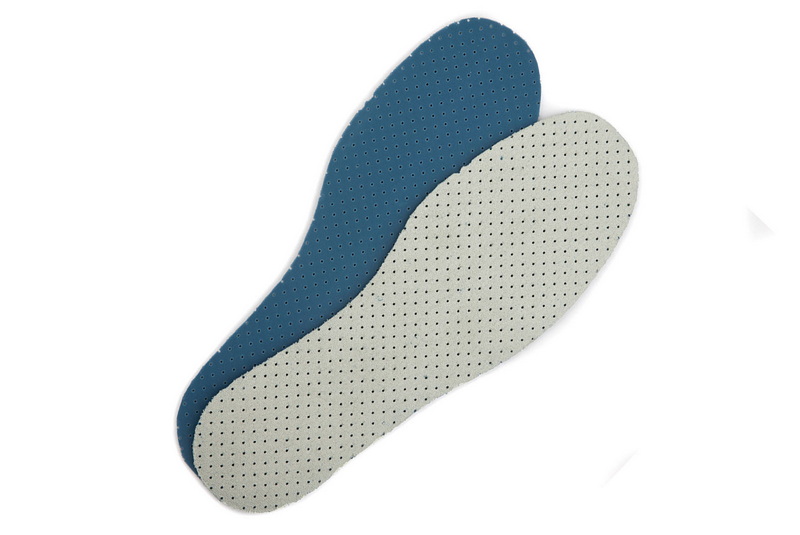
If you often experience pain in your feet, knees, or hips, or your shoes wear unevenly, it's a sign that your gait may need correction with supportive Shoe Insoles.
Yes. Proper arch support and pressure balance reduce fatigue, helping you maintain energy and improving stride efficiency during long runs.
Custom insoles are recommended for individuals with unique foot conditions or chronic pain. For most runners, quality off-the-shelf insoles are highly effective and affordable.
Hand wash with mild detergent, rinse gently, and air dry at room temperature. Avoid soaking or exposing them to direct sunlight or a dryer.
It's best to use separate pairs. Regular walking or dress shoes require different support and alignment than running footwear.
1. American Podiatric Medical Association – Foot Health for Runners (https://www.apma.org)
2. Runner's World – Guide to Running Insoles (https://www.runnersworld.com)
3. Sports Medicine Review – The Biomechanics of Running and Foot Support (https://www.sportsmedres.org)
4. Healthline – Foot Arch Types and Orthotic Support (https://www.healthline.com)
5. Verywell Fit – How to Choose Running Insoles (https://www.verywellfit.com)


