
Language
Views: 222 Author: Edvo Publish Time: 2026-01-29 Origin: Site


Content Menu
● Understanding Shoe Insoles and Their Importance
● The Role of Original Shoe Insoles
● Can You Put Shoe Insoles on Top of Insoles?
● When Layering Insoles Makes Sense
>> 3. For Warmth and Seasonal Use
>> 4. For Temporary Correction
● When to Replace Insoles Instead of Layering
>> 1. Using Orthotic or Custom-Made Insoles
>> 2. Athletic or Performance Footwear
>> 3. Tight-Fitting or Fashion Shoes
● How to Layer or Replace Shoe Insoles Properly
● Types of Shoe Insoles and Their Uses
>> 4. Sports and Performance Insoles
>> 5. Thermal and Work Insoles
● Benefits of Using Quality Shoe Insoles
● Common Mistakes When Using Shoe Insoles
● Maintenance Tips for Long-Lasting Insoles
● Signs It's Time to Replace Your Insoles
● How to Choose the Right Shoe Insoles for You
>> 1. Can you double up shoe insoles for more comfort?
>> 2. How often should shoe insoles be replaced?
>> 3. Are orthotic insoles meant to replace existing ones?
>> 4. Can insoles make shoes smaller?
>> 5. Can you switch insoles between different shoes?
In the world of footwear comfort and performance, Shoe Insoles play a crucial role in ensuring proper cushioning, support, and foot alignment. Many people use them to alleviate pain, enhance posture, or improve shoe fit. Yet, a frequent question among consumers remains: Do you put shoe insoles on top of insoles?
This is not a one-size-fits-all answer. Whether you should place new Shoe Insoles on top of existing ones depends on several factors, such as purpose, shoe structure, and the type of insole you are using. In this guide, we'll discuss every aspect of insole layering, replacement, and selection so you can make the best decision for comfort and long-term foot health.
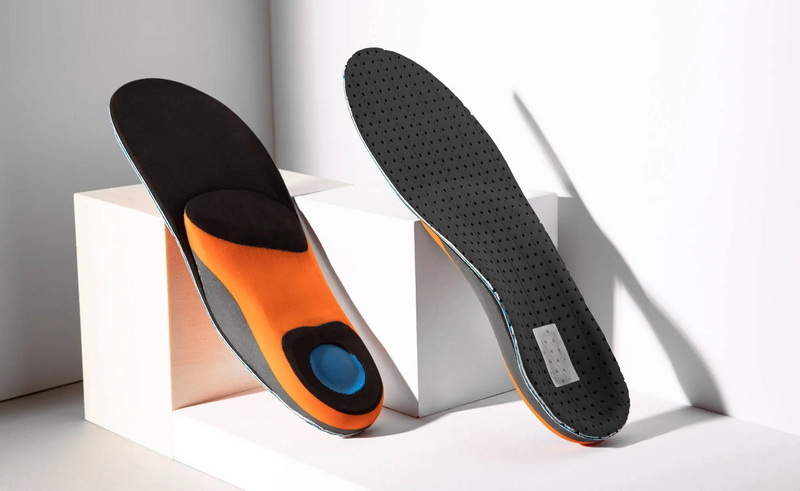
Shoe Insoles—also known as footbeds or inserts—are removable cushioning layers that rest inside shoes. They provide shock absorption, improve weight distribution, and help with alignment. Modern insoles come in a variety of materials, including foam, gel, silicone, carbon fiber, and leather. Each serves a different purpose depending on the user's lifestyle or activity level.
The feet bear the entire body's weight and endure significant impact during walking, running, or standing. Without adequate support, chronic conditions like plantar fasciitis, joint pain, and fatigue can develop. Shoe Insoles help prevent these issues by reducing pressure on key areas and improving overall comfort.
For active individuals, athletes, and standing workers, insoles can mean the difference between healthy feet and daily discomfort. They can also enhance shoe longevity by reducing wear on interior padding.
Most factory-made shoes come with built-in insoles meant to provide basic comfort. These stock insoles are usually made from lightweight foam or textile material. While they function well initially, they often lose shape and cushioning over time.
The problem is that these standard insoles rarely provide sufficient arch support or shock resistance for prolonged wear. As a result, people upgrade or change to higher-quality Shoe Insoles for improved comfort or orthopedic support.
However, before deciding whether to place new insoles over the old ones, it's essential to consider the shoe's internal volume and intended use.
Yes, technically you can place Shoe Insoles on top of existing ones. But whether you should depends on how much space your shoe has and what problem you hope to solve.
Stacking insoles can increase overall thickness, which might tighten your shoes and create pressure on the top of your feet or restrict blood flow. Still, there are specific cases where layering is not just acceptable—it's effective.
Layering Shoe Insoles works best in certain situations, including:
If your shoes feel hard underfoot or you spend long hours on concrete, adding a thin gel or foam insole on top of the existing insole can enhance softness and shock absorption. This is common among nurses, warehouse workers, and delivery professionals who stand or walk for extended periods.
Sometimes, shoes end up slightly too loose, especially after breaking in or stretching over time. Adding a lightweight foam or fabric insole over the original one can improve shoe fit by reducing extra space and enhancing heel security.
During cold months, additional Shoe Insoles made of wool or felt can help insulate your feet. These thermal insoles can comfortably sit on top of the existing ones without affecting support.
People transitioning to orthotic support may prefer layering for a while. For example, a flat shoe can get a thin corrective insole layered before moving to a full orthotic insert. This helps feet adjust gradually.
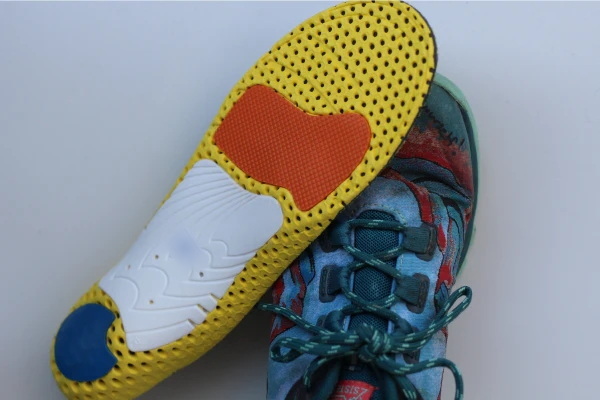
While layering can work in certain cases, it's usually better to replace the old insole entirely rather than stacking new ones on top. Here's when that's the smarter move:
Medical-grade orthotics are designed to correct posture, distribute weight evenly, and align the body. To work properly, they must sit directly on the shoe's base, not on top of another insole. Stacking will compromise their positioning and effectiveness.
Runners, cyclists, and athletes require precise foot mechanics for balance and energy return. Thick, layered insoles can alter shoe geometry, creating instability. Replacing the old insole ensures that specialized *Shoe Insoles* perform correctly.
Slim sneakers, dress shoes, or formal heels usually don't have much internal depth. Doubling insoles can make them overly tight, resulting in discomfort, pinching, or restricted movement.
If you decide to layer or replace Shoe Insoles, proper application ensures comfort and durability.
1. Remove existing insoles (if necessary). Gently lift the old insoles and inspect them for wear. If they are flat, torn, or crumbling, replacement is the best choice.
2. Assess shoe space. Try inserting the new Shoe Insoles while wearing the socks you normally use. Notice how your toes and arch feel—tightness indicates layering isn't ideal.
3. Trim to fit. Many generic insoles come oversized with cutting guides. Use the old insole as a pattern for trimming the new one to exact length and width.
4. Secure and align. Fit the insole firmly in place so it doesn't slide during movement. Some insoles have adhesive to help them stay put.
5. Test for comfort. Walk around indoors to ensure balanced pressure distribution. Adjust or re-trim if needed.
This method helps achieve the best performance whether you are replacing or layering Shoe Insoles.
Choosing the right insole type is essential for achieving the desired comfort, performance, or medical benefit. Below are the main categories of Shoe Insoles and their advantages.
Soft and flexible, these are made from materials like foam, EVA, and gel. They provide shock absorption and comfort for general use or standing jobs. Cushioning Shoe Insoles are ideal for light athletic activity or daily wear.
Designed to maintain proper arch structure, these insoles prevent foot strain and help those with flat feet or high arches. They distribute pressure across the entire foot, improving alignment and reducing pain in the knees or back.
Orthotic Shoe Insoles are specialized medical devices custom-fitted to a person's foot structure. They address problems such as overpronation, plantar fasciitis, and chronic pain caused by misalignment. Always replace, not stack, when using these.
These insoles are made with advanced materials offering high energy return, grip, and impact resistance. They're recommended for running shoes, sports cleats, and hiking boots. Many models have stabilizing heel cups and reinforced arches.
Thermal Shoe Insoles are used in heavy boots for warmth, while work insoles focus on durability and anti-fatigue support. Workers in construction, factories, or logistics often prefer these for long hours of standing.
The right pair of Shoe Insoles provides measurable improvements not only in comfort but also in long-term health. Among their many benefits:
- Pain relief: Reduces stress on heels, arches, and joints.
- Improved body alignment: Supports posture, helping to balance overall weight distribution.
- Extended shoe life: Prevents inner lining wear and tear.
- Enhanced performance: Improves shock absorption, energy return, and stability.
- Better hygiene: Many Shoe Insoles use antimicrobial materials that control odor and moisture.
With consistent use and proper maintenance, the advantages of insoles extend far beyond immediate comfort.
Although Shoe Insoles are easy to install, there are common mistakes that people make:
- Double stacking thick insoles in tight shoes, reducing comfort.
- Ignoring replacement intervals, keeping old insoles too long.
- Using the wrong type for your foot shape or activity.
- Trimming inaccurately, causing uneven pressure or curling.
- Neglecting cleanliness, which leads to odor and bacteria buildup.
Avoiding these mistakes ensures better comfort, safety, and performance throughout the life of your footwear.
To extend the lifespan of your Shoe Insoles and maintain hygiene, consider the following care steps:
1. Remove insoles daily after use to allow air circulation.
2. Clean by hand using mild detergent and water; avoid soaking.
3. Dry naturally in a well-ventilated space—never use direct heat.
4. Inspect monthly for signs of compression or cracking.
5. Replace every 6–12 months or sooner for high-use footwear.
These practices keep your insoles fresh, effective, and comfortable for longer periods.
Whether you've layered or replaced Shoe Insoles, watch out for the following signs of wear:
- Visible flaking, cracking, or flattening.
- Increased odor despite cleaning.
- Pain or discomfort that was previously relieved.
- Slippage inside the shoe or uneven fit.
Once these signs appear, it's time to replace the insole to maintain proper support and hygiene.
Selecting Shoe Insoles tailored to your individual needs begins with assessing your foot type and lifestyle.
- For flat feet, choose supportive arch insoles that prevent overpronation.
- For high arches, opt for cushioned insoles that absorb shock in the heel and forefoot.
- For running or sports, look for lightweight, high-energy return models.
- For work boots, use durable and anti-fatigue types.
- For daily comfort, memory foam or gel-based versions work best.
If you have chronic pain or require medical-grade support, consult a podiatrist for custom orthotic recommendations.
So, do you put shoe insoles on top of insoles? The answer is: sometimes. You can layer insoles when you want more cushioning, warmth, or a tighter shoe fit—as long as your shoes provide enough space. However, for orthotic, athletic, or medical purposes, replacing the original insole is the correct approach.
Properly fitted Shoe Insoles can transform comfort, posture, and health. Whether you walk, run, or stand all day, giving your feet the right foundation is one of the best investments you can make for long-term well-being.
Contact us to get more information!
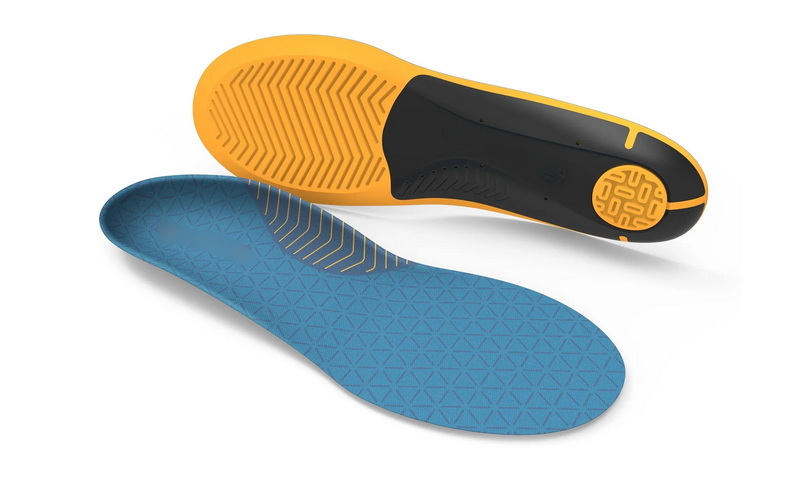
Yes, but only if your shoes have enough internal space. Layering insoles can improve cushioning, yet it might make shoes too tight if overdone.
Shoe Insoles generally last six months to one year. Replace them sooner if you notice odor, flattening, or discomfort.
Yes. Orthotic Shoe Insoles are designed to rest directly on the shoe base, providing full corrective support. They should always replace the original insoles.
Yes. Adding extra Shoe Insoles can slightly reduce shoe volume, making loose shoes fit better. But in tight shoes, this could cause pinching or pressure.
Yes, most Shoe Insoles are transferable as long as they match the size and purpose of the footwear. Ensure they lie flat without bunching or gaps.
1. American Podiatric Medical Association – Foot Health Information: [https://www.apma.org](https://www.apma.org)
2. National Health Service (NHS) – Orthotic Insoles Guidance: [https://www.nhs.uk](https://www.nhs.uk)
3. Running Warehouse Blog – Insole Replacement Tips: [https://www.runningwarehouse.com](https://www.runningwarehouse.com)
4. Mayo Clinic – Foot Pain and Shoe Support: [https://www.mayoclinic.org](https://www.mayoclinic.org)


