
Language
Views: 222 Author: 3BU Technology Publish Time: 2026-06-13 Origin: Site


Content Menu
● Why Insoles Matter for Morton's Neuroma
● Core Features to Look For in Morton's Neuroma Insoles
● Expert Review: Best Insole Types for Morton's Neuroma
>> Overall Everyday Orthotic Insoles
>> High-Heel and Fashion Shoe Insoles
>> Metatarsal Pads and Forefoot Supports
>> Comparison of Key Insole Types
● Real-World Insights From Users
● Practical Step‑By‑Step Guide: Choosing Your Morton's Neuroma Insole
● OEM and Brand Perspective: How 3BU Technology Supports Morton's Neuroma Markets
● Call to Action: Turn Insight Into Action
● FAQs About Morton's Neuroma Insoles
Morton's neuroma can turn every step into a sharp, burning reminder that something is wrong in the ball of your foot, but the right insole design can dramatically reduce pain and help you stay active. As a specialist OEM insole manufacturer working with global brands, we've seen first-hand how targeted cushioning, metatarsal support, and shoe fit together determine whether an insole really works for Morton's neuroma relief. [aetrex]
Morton's neuroma is a painful thickening of a nerve between the metatarsal bones, most commonly between the third and fourth toes, often triggered by repetitive pressure and tight footwear. People usually describe it as a burning pain, tingling, or the sensation of "standing on a pebble" in the ball of the foot, which worsens when walking or wearing narrow shoes. [footactive.co]
From a biomechanical perspective, excessive forefoot loading, dropped metatarsal heads, and unstable arch support all increase nerve compression, which is why a properly engineered insole is often part of first-line conservative treatment. Clinical guidance frequently recommends orthotic insoles, shoe modification, and activity changes before invasive options such as injections or surgery are considered. [protalus]
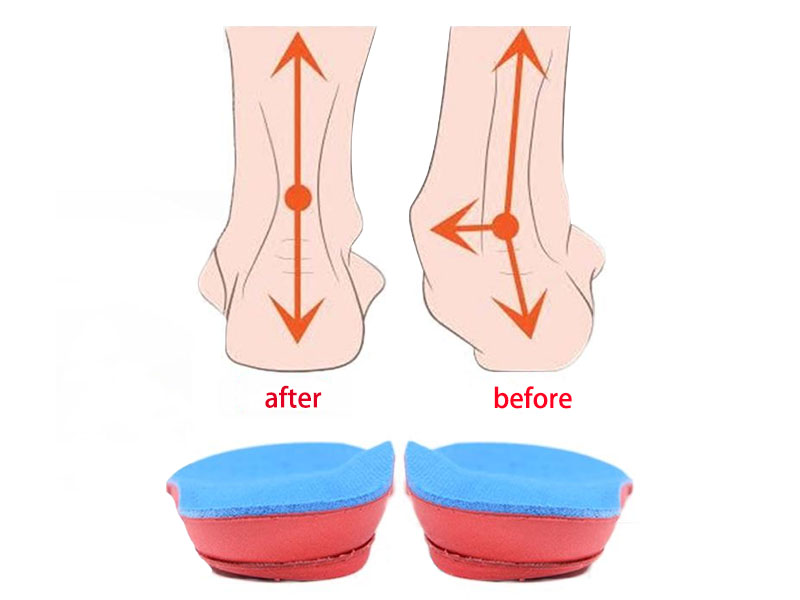
Well-designed insoles for Morton's neuroma work by redistributing pressure away from the irritated nerve and stabilizing the entire foot, not just "adding softness." Key features include a raised metatarsal pad to lift and separate the metatarsal bones, arch support to correct over‑pronation, and forefoot cushioning to absorb impact under the ball of the foot. [theinsolestore]
Evidence and expert consensus show that when patients use insoles with these features, many experience meaningful pain reduction and can delay or avoid invasive treatments. From our OEM experience, the best-performing products combine these biomechanical elements with durable EVA or PU foams and gel units that maintain their shape after months of daily use. [insolemaker]
When you evaluate insoles—whether retail or custom-branded OEM—focus less on marketing claims and more on the following engineering details: [aetrex]
- Metatarsal pad (metatarsal raise)
A gentle dome placed just behind the ball of the foot to spread the metatarsal heads and decompress the nerve.
- Structured arch support
Semi‑rigid or firm arch support helps reduce excessive pronation and prevents the forefoot from collapsing, which otherwise overloads the neuroma. [footactive.co]
- Targeted forefoot cushioning
Gel or high‑rebound foam under the ball of the foot absorbs impact without making the insole unstable or too bulky. [aetrex]
- Heel stabilization
A deep heel cup and firmer heel zone help align the foot and reduce shear and torsion that can aggravate nerve irritation. [protalus]
- Appropriate thickness and shoe fit
An insole that is too thick can overcrowd the toe box and worsen symptoms; slim profiles are crucial for fashion shoes and high heels. [footactive.co]
The original article highlights several strong choices, and from an engineering perspective they each serve slightly different use cases. Below is a more structured, expert-level overview of those categories, plus how we would think about them when designing OEM lines.
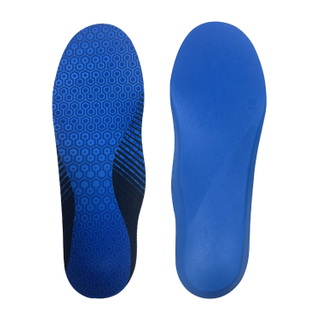
Products like Powerstep Original Full Length Orthotic Insoles are designed as general-purpose medical‑grade orthotics with firm arch support and full‑length EVA cushioning. They are ideal for people whose neuroma is linked to gait issues such as over‑pronation or uneven loading, because they control foot motion and reduce stress on the metatarsal area during daily walking. [footactive.co]
From a manufacturing standpoint, these insoles typically use a semi‑rigid TPU or polypropylene shell combined with compression‑molded EVA, giving a balance of control and comfort that works in most casual and work shoes. If you are sourcing OEM, this category should be your "core" product for Morton's neuroma because it fits the widest user group and shoe types. [insiteinsoles]
The original article recommends Pro11 High Heel Gel Comfort Insoles for women's fashion shoes and high heels. These slim, transparent gel inserts add localized cushioning under the ball of the foot and reduce friction without changing the look or fit of open‑toe or tight shoes.
In our experience, the challenge here is working within very limited space: high‑heel insoles must be ultra‑thin, self‑adhesive, and often use clear TPE or PU gel to remain discreet. They are best suited for users whose neuroma flares mainly in dress shoes and who already have acceptable arch support from the shoe or use separate arch inserts. [insiteinsoles]
Sof Sole Airr Insoles focus on cushioning and fatigue reduction, combining gel and air capsules to create a "walking on air" feel. These insoles are particularly useful for people who stand or walk on hard floors all day, where repetitive impact is the main trigger for neuroma pain. [aetrex]
As manufacturers, we typically build this category around higher-volume PU foam, encapsulated gel pods, and moisture‑management top fabrics like COOLMAX, which the original article mentions for freshness and odor control. They are not a full solution for stability problems, but they pair well with supportive footwear in occupational settings such as retail, warehouses, and hospitality. [aetrex]
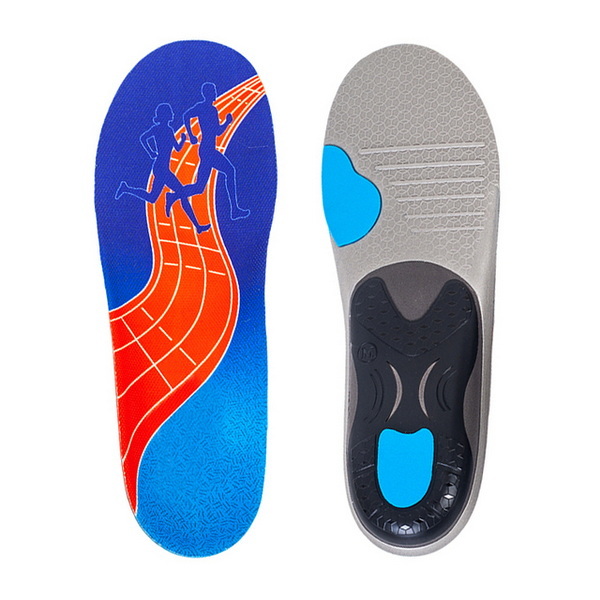
For athletes, the article highlights Pedag Viva Sport Insoles, which combine robust arch support with targeted ball‑of‑foot cushioning and micro‑air chambers to absorb high‑impact forces. These insoles are designed for dynamic loading—sprints, cuts, jumps—where forefoot impact spikes are much higher than in walking. [aetrex]
From a design perspective, sports neuroma insoles should use shock‑absorbing EVA or PU foams, additional impact cells under the forefoot, and moisture‑wicking top covers to manage sweat. If you are specifying OEM products for this segment, consider sport‑specific profiles (running, court, field) and ensure the forefoot cushioning zone aligns precisely with the metatarsal heads in typical athletic footwear last shapes. [protalus]
The article also recommends Pedag T Form Metatarsal Supports, which are standalone pads that sit under the metatarsal area rather than a full-length insole. These are effective when the user already has adequate arch support but needs extra decompression right where the neuroma hurts most. [theinsolestore]
Technically, these pads require precise shape and placement: too far forward or back and they can create new pressure points. OEM buyers often request self‑adhesive leather or foam pads that can be used inside slim shoes, making them a versatile add‑on product or "trial solution" before moving users to full orthotics. [theinsolestore]
Below is a concise comparison of the main categories referenced above, based on both the original article and broader industry practice. [theinsolestore]
| Insole Type | Primary Use Case (Morton's Neuroma) | Key Technical Features (Typical) | Best For Users Who… |
|---|---|---|---|
| Everyday orthotic insoles | Daily walking, work shoes, general neuroma linked to poor gait | Semi‑rigid arch shell, EVA base, mild met pad, deep heel cup | Need motion control plus comfort in most casual/work footwear |
| High‑heel / fashion insoles | Dress shoes, high heels, narrow or open‑toe footwear | Slim clear gel, forefoot-only design, self‑adhesive | Experience pain mainly in fashion shoes and need discreet support |
| Maximum cushioning insoles | Long standing/walking on hard floors, impact‑driven neuroma pain | Thick PU/EVA foam, gel or air units in heel and forefoot, moisture‑wicking top cover | Want "soft" shock absorption without major gait control |
| Sports and running insoles | Running, court sports, high‑impact activities | Sport‑grade EVA/PU, targeted forefoot pads, arch support, micro‑air or impact chambers | Are active and need both impact protection and stability |
| Metatarsal pads/forefoot supports | Localized neuroma pain where existing arch support is already acceptable | Dome‑shaped pad, leather or foam, self‑adhesive, precise metatarsal placement | Need minimal bulk and want to customize forefoot pressure inside tight shoes |
Across neuroma‑specific insole reviews, several consistent patterns appear in user feedback. [footactive.co]
- Users who switched from generic "soft" inserts to insoles with metatarsal support plus arch control often report more sustained pain relief, especially during long days on their feet. [theinsolestore]
- Many reviews highlight that shoe fit is as important as the insole: when the toe box is too tight, even the best insert cannot fully relieve nerve compression. [protalus]
- Some people notice immediate improvement, while others experience gradual relief over several weeks as tissues adapt to the new support and pressure distribution. [protalus]
In OEM projects, we routinely see that brand partners who educate their customers on break‑in periods, shoe compatibility, and proper insole positioning receive fewer returns and higher satisfaction scores. Including clear in‑box instructions and diagrams is a simple but powerful UX upgrade for insole products aimed at medical conditions. [foam-well]
To make this article genuinely actionable, here is a concise, user‑friendly process you can apply or adapt as brand content for your own customers. [footactive.co]
1. Identify when and where the pain is worst
- Only in heels or fashion shoes
- During long work shifts
- Mainly while running or doing sports
2. Check your current footwear
- Look for a wide toe box and enough depth for an insole.
- Avoid very high heels and narrow, pointed shoes whenever possible. [protalus]
3. Match insole type to your lifestyle
- Daily work and walking → everyday orthotic insoles with arch support.
- Occasional dress use → high‑heel/fashion insoles or metatarsal pads.
- Sports and running → sports insoles with strong forefoot impact protection.
4. Prioritize key design features
- Metatarsal pad/raise for nerve decompression.
- Structured arch to prevent forefoot collapse.
- Forefoot cushioning that fits comfortably in your shoes. [theinsolestore]
5. Adjust gradually
- Start with 1–2 hours of wear per day and increase as tolerated.
- If pain worsens or spreads, stop and consult a medical professional. [footactive.co]
As a Chinese OEM insole manufacturer, 3BU Technology works behind the scenes for international brands, wholesalers, and footwear producers who want technically credible Morton's neuroma solutions under their own labels. Our production focuses on EVA and PU insoles, gel forefoot cushions, and orthopedic‑style designs that incorporate the same principles discussed in clinical and retail sources. [insolemaker]
For brand partners, we typically recommend building a small but strategically differentiated neuroma line-up: one everyday orthotic, one sport model, and one slim fashion insole or metatarsal pad. This keeps inventory manageable while allowing your content and marketing teams to position each product clearly by use case and symptom pattern, improving conversion and customer satisfaction. [foam-well]
Although insoles play a central role in conservative care, there are limits. If your pain continues to worsen despite proper footwear, activity modification, and high‑quality insoles, it is essential to speak with a healthcare professional such as a podiatrist or orthopaedic specialist. [protalus]
Medical providers may suggest additional options including physical therapy, anti‑inflammatory medications, corticosteroid injections, or procedures like radiofrequency or cryoablation for persistent neuromas. Surgery is generally reserved for severe cases that do not respond to conservative treatments, but these decisions should always be made in consultation with a qualified clinician. [centerwatch]
If you are a brand owner, wholesaler, or footwear producer, the next step is to translate these design principles into your own Morton's neuroma product line and on‑site content. By collaborating with a specialized OEM insole manufacturer, you can develop differentiated insoles—everyday, sport, and fashion-focused—that align with current best practices and real user expectations, then educate your customers with clear, expert‑driven guides like this one. [insolemaker]
If you are an end user struggling with forefoot pain, combine proper footwear, a neuroma‑specific insole, and medical advice when needed to give yourself the best chance of long‑term relief. [footactive.co]
1. Do I always need a metatarsal pad for Morton's neuroma?
Most people benefit from some form of metatarsal support because it helps spread the metatarsal heads and reduces nerve compression, but the ideal height and firmness vary by individual. If a pad feels too aggressive or creates new hot spots, try a lower profile design or consult a specialist for personalized advice. [theinsolestore]
2. Can I use Morton's neuroma insoles in all my shoes?
You can often move the same insole between similar shoes, but differences in depth, toe box width, and heel height may require different models (for example, one for trainers and one for heels). Slim, forefoot‑only designs or metatarsal pads are better for tight fashion shoes, while full‑length orthotics suit most casual and work footwear. [footactive.co]
3. How long do Morton's neuroma insoles last?
Lifespan depends on materials, body weight, and daily usage, but quality EVA or PU insoles usually maintain performance for 6–12 months of regular wear. Replace insoles when you notice permanent flattening of the metatarsal pad, loss of arch support, or visible cracks and compression lines. [insiteinsoles]
4. Will insoles cure my Morton's neuroma?
Insoles rarely "cure" a neuroma, but they can significantly reduce symptoms by changing how forces act on the forefoot and nerve. Many people find that consistent use, combined with footwear changes and activity management, allows them to stay active and delay or avoid invasive treatments. [protalus]
5. Are custom orthotics always better than prefabricated insoles?
Custom orthotics can be very effective for complex foot mechanics, but high‑quality prefabricated insoles with appropriate metatarsal and arch support can offer excellent results for many neuroma cases at a lower cost. For severe or persistent pain, a podiatrist can help you decide whether custom devices are warranted. [theinsolestore]
1. ShoeInsoles.co.uk – *Best Insoles for Morton's Neuroma 2026*
<https://www.shoeinsoles.co.uk/blog/best-insoles-for-mortons-neuroma.html>
2. FootActive – *Morton's Neuroma Insoles | Shop Online*
<https://footactive.co.uk/common-foot-problems/morton-s-neuroma> [footactive.co]
3. The Insole Store – *Morton's Neuroma and The Best Insoles for Treatment*
<https://theinsolestore.com/blogs/posts/mortons-neuroma-and-the-best-insoles-for-treatment> [theinsolestore]
4. Aetrex – *Your Guide to the Best Running Insoles for Morton's Neuroma*
<https://www.aetrex.com/blogs/aetrex-blog/best-running-insoles-mortons-neuroma> [aetrex]
5. Protalus – *Shoe Inserts for Morton's Neuroma*
<https://protalus.com/pages/mortons-neuroma-insoles> [protalus]
6. 3BU Technology / Insole Maker – Company and OEM Insole Capability Overview
<https://www.insolemaker.com> [insolemaker]
7. Foamwell – *Top 10 Best Insole Manufacturers in China* (3BU Technology profile)
<https://www.foam-well.com/news/top-10-best-insole-manufacturers-in-china/> [foam-well]
8. ClinicalTrials.gov – *Comparative Effectiveness of Cryoablation Versus Steroid and Lidocaine Injection for Morton's Neuroma*
<https://www.centerwatch.com/clinical-trials/listings/NCT05501262/comparative-effectiveness-of-cryoablation-versus-steroid-and-lidocaine-injection-for-mortons-neuroma> [centerwatch]
9. INSITE Insoles – *Sustainable Insoles, Biomechanics, Comfort*
<https://insiteinsoles.com> [insiteinsoles]


